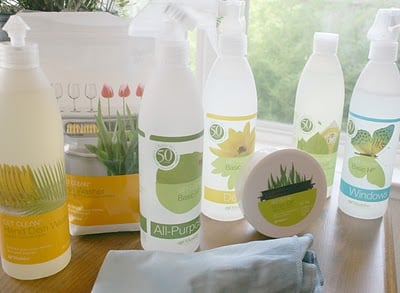
Some people buy cleaning products the way others buy concert tickets: with hope, excitement, and the quiet belief that this time, the kitchen counter will finally sparkle like a magazine cover. Then reality arrives with spaghetti sauce on the stove, muddy paw prints on the floor, and a laundry basket that appears to be reproducing in the dark. That is where the Shaklee Get Clean conversation begins.
“Getting the Dirt on Clean! Shaklee Sha-weetness” is more than a playful title. It is a look at why many households are rethinking what they spray, scrub, pour, rinse, and breathe in while cleaning. Shaklee’s Get Clean line has earned attention because it leans into concentrated formulas, biodegradable ingredients, plant-based surfactants, and a whole-home approach that tries to clean without turning your house into a chemistry lab with throw pillows.
This article explores what Shaklee Get Clean is, how products such as Basic H2 fit into the green cleaning movement, what “clean” really means, and how to use these products wisely. Spoiler: the best cleaning routine is not the one with the strongest smell. It is the one that works, protects surfaces, respects indoor air, and does not require you to open every window like you just hosted a chili cook-off.
What Is Shaklee Get Clean?
Shaklee Get Clean is a household cleaning system from Shaklee, a wellness company founded in 1956 with a long-running focus on products inspired by nature and environmental responsibility. The Get Clean category includes products for surfaces, laundry, dishes, and tougher household messes. Its best-known product is Basic H2, a concentrated, biodegradable all-purpose cleaner designed for grease, grime, dirt, and washable surfaces.
The big idea is simple: use less product, dilute it with water, and apply it in different ways around the home. Instead of buying a cabinet full of single-use bottles for glass, counters, appliances, walls, floors, and mystery smudges that may or may not be peanut butter, a concentrated cleaner can reduce clutter and stretch a small bottle across many cleaning jobs.
Why Concentrates Matter
Concentrated cleaners are attractive because they can cut down on packaging, shipping weight, storage space, and repeat purchases. Shaklee states that one 16-ounce bottle of Basic H2 can make up to 48 gallons of cleaner when diluted as directed. That does not mean you should pour it around like a magic potion; it means measuring matters. A concentrated cleaner is powerful because it is concentrated, not because more is always better.
Think of it like hot sauce. A few drops can make tacos sing. Half a bottle can make everyone at dinner reconsider your judgment.
The “Clean” in Green Cleaning
Green cleaning is often misunderstood. It does not mean wiping your counters with good intentions and a cucumber slice. It means choosing products and practices that clean effectively while reducing unnecessary exposure to harsh fumes, irritants, excessive fragrance, or ingredients that may be tougher on people and the environment than they need to be.
The U.S. Environmental Protection Agency’s Safer Choice program encourages consumers to look for cleaning products made with ingredients selected for human health and environmental safety. The American Lung Association also warns that some cleaning supplies can release volatile organic compounds, or VOCs, which may contribute to respiratory irritation, headaches, allergic reactions, and asthma-related concerns in sensitive people.
That context helps explain why many shoppers are drawn to cleaners marketed as biodegradable, fragrance-free, plant-based, phosphate-free, or free from chlorine bleach. The goal is not to be scared of every bottle under the sink. The goal is to become a smarter label reader and avoid using a sledgehammer when a sponge will do.
Meet the Star: Shaklee Basic H2
Basic H2 is the Shaklee product many people associate with the phrase “a little goes a long way.” It is a biodegradable all-purpose cleaning concentrate that uses ingredients such as water, decyl glucoside, lauryl/myristyl glucoside, and other cleaning agents. Decyl glucoside and similar glucoside surfactants are commonly used because they help loosen oils and dirt while being associated with plant-derived cleaning chemistry.
In plain English, surfactants help water do a better job. Water alone is polite. Water with the right surfactant rolls up its sleeves and says, “Let’s talk about this greasy stovetop.” Surfactants lower surface tension, allowing cleaning solution to spread, lift, and carry away soil more effectively.
Common Uses for Basic H2
Basic H2 can be diluted for a variety of routine household tasks, depending on label directions. Typical uses include counters, appliances, sinks, painted surfaces, washable floors, glass, mirrors, outdoor furniture, and general wipe-down jobs. Because it is concentrated, the correct dilution is key. Too much product may leave residue; too little may not clean as effectively. The sweet spot is the label’s sweet spot.
For everyday cleaning, use a labeled spray bottle, clean cloth, and the recommended dilution. For glass and mirrors, use less product and a lint-free cloth. For greasy surfaces, give the solution a short moment to loosen the grime before wiping. Cleaning is not always about scrubbing harder; sometimes it is about letting chemistry do the heavy lifting while you supervise like a very responsible adult.
Cleaning, Sanitizing, and Disinfecting Are Not the Same
This point matters. Cleaning removes dirt, grease, food particles, and many germs from surfaces. Sanitizing reduces germs to levels considered safe by public health standards. Disinfecting uses EPA-registered antimicrobial products to kill specific germs on surfaces. The Centers for Disease Control and Prevention advises cleaning surfaces first because dirt can make sanitizers and disinfectants less effective.
That means an all-purpose cleaner like Basic H2 is useful for routine cleaning, but it should not automatically be treated as a disinfectant unless a specific product label says it is registered for that purpose. If someone in your home has been sick, or you are cleaning a high-risk surface after raw meat prep, use the right disinfecting or sanitizing product according to directions. “Natural” does not replace “registered” when the job is germ control.
In other words: clean the counter with your cleaner, then disinfect when the situation actually calls for it. Your kitchen does not need to smell like a swimming pool every Tuesday just because someone made toast.
Inside the Get Clean System
The Get Clean collection is designed as a whole-home system. Beyond Basic H2, Shaklee offers laundry, dish, and specialty cleaning products. The lineup may include Fresh Laundry Concentrate, Nature Bright Laundry Booster and Stain Remover, Hand Dish Wash Concentrate, Dish Washer Automatic Powder Concentrate, Scour Off Heavy-Duty Paste, and fabric care products, depending on availability and package options.
Fresh Laundry Concentrate
Fresh Laundry Concentrate is positioned as a detergent and pre-treatment in one. That is helpful for households that want fewer bottles and fewer “What is this sticky thing?” moments near the washer. A concentrated laundry detergent can be especially useful in high-efficiency machines, where too many suds are not your friend. More foam does not equal cleaner clothes; sometimes it equals extra rinsing, residue, and a washer that sounds personally offended.
Nature Bright Laundry Booster and Stain Remover
Nature Bright is designed to brighten laundry and help tackle stains using active oxygen and enzymes. Oxygen-based stain removers are popular because they can help loosen organic stains without relying on chlorine bleach. Enzymes can be especially useful for food, grass, and everyday family stainsthe greatest hits album of laundry disasters.
For best results, treat stains early, follow soaking directions, and avoid using hot water on protein-based stains such as blood or egg until the stain is loosened. Hot water can “cook” some stains into fabric. Laundry has rules, and sadly, it enforces them.
Dish and Kitchen Products
Hand dish concentrates and automatic dishwasher powders are meant to handle grease and food residue while fitting into a lower-waste cleaning mindset. As with any dish product, use the amount recommended. Too much detergent in a dishwasher can create film, waste product, and leave glasses looking like they have been through a tiny fog machine.
Scour Off for Tough Messes
Scour Off is the kind of product people reach for when a pan, sink, or stovetop needs more muscle. Abrasive pastes can be useful, but surface testing matters. What is safe for a stainless steel sink may not be ideal for delicate finishes, natural stone, glossy acrylic, or surfaces with special coatings. When in doubt, test an inconspicuous spot first. Your countertop should not become the place where optimism went to die.
Why People Like the Shaklee Get Clean Approach
One reason Shaklee Get Clean has loyal fans is the simplicity. A concentrated all-purpose cleaner can replace several conventional cleaners for routine jobs. That can make the cleaning cabinet easier to manage, especially in small homes, apartments, RVs, or busy family kitchens where storage space is precious and the under-sink area already looks like a product convention.
Another reason is ingredient preference. Many consumers are actively looking for cleaning products without chlorine bleach, phosphates, heavy fragrances, or harsh fumes for everyday use. This is especially true for households with children, pets, fragrance sensitivity, asthma concerns, or anyone who simply dislikes the feeling of cleaning with something that announces itself from three rooms away.
Finally, there is the sustainability angle. Shaklee emphasizes concentrated and biodegradable formulas, as well as a broader corporate history around environmental stewardship and climate-related commitments. For shoppers who want cleaning products to align with lower-waste habits, the Get Clean line offers a practical entry point.
How to Use Shaklee Get Clean Products Wisely
The best green cleaning routine is not complicated. It is consistent, measured, and realistic. Start by identifying your main cleaning zones: kitchen, bathroom, laundry, floors, and high-touch areas. Then match each job to the correct product instead of asking one bottle to be a cleaner, sanitizer, disinfectant, polish, stain remover, therapist, and life coach.
Label Your Bottles
If you dilute Basic H2 or any concentrate into a spray bottle, label it clearly. Include the product name and dilution. This prevents confusion and helps everyone in the household use the cleaner properly. A mystery spray bottle is not charming. It is a tiny suspense novel with a trigger sprayer.
Use Microfiber Cloths
Microfiber cloths can improve cleaning performance because they grab dust, oils, and residue more effectively than many paper towels. Use separate cloths for bathrooms, kitchens, glass, and floors. Wash them regularly, and avoid fabric softener, which can reduce absorbency.
Do Not Mix Cleaners
Never mix cleaning products unless the label specifically says to do so. Combining products can create irritating or dangerous fumes. This is especially important with bleach, ammonia, acids, and disinfectants. Green cleaning still requires common sense. The goal is a clean house, not a surprise science fair.
Ventilate When Cleaning
Even when using milder products, ventilation is smart. Open a window, run a fan, or improve airflow when doing bigger cleaning sessions. Indoor air quality matters, and your lungs deserve the same thoughtful treatment as your countertops.
What Shaklee Get Clean Does Well
Shaklee Get Clean products are strongest as part of a routine maintenance system. They shine when used for everyday messes: kitchen grease, fingerprints, dust, light bathroom cleanup, laundry freshness, dishwashing, and stain treatment. The concentrated format makes them economical over time when used correctly, and the multi-use nature of Basic H2 makes it especially appealing for people who want less clutter.
The system also encourages better habits. When cleaning products are easy to use, clearly labeled, and stored in one caddy, people are more likely to clean small messes before they become legendary messes. A quick wipe after dinner is easier than excavating dried pasta sauce three days later with the determination of an archaeologist.
Where Expectations Should Stay Realistic
No cleaner is magic. If a surface is damaged, stained permanently, etched, moldy beneath the surface, or coated with years of buildup, a gentle cleaner may not fix it in one pass. Some jobs require specialized products, repair, professional cleaning, or replacement. Also, “green” does not automatically mean safe for every material. Natural stone, unfinished wood, antique finishes, and specialty appliances may need specific care.
It is also important to remember that disinfecting is its own category. A biodegradable all-purpose cleaner can remove dirt and many germs through cleaning, but it is not a substitute for an EPA-registered disinfectant when disinfecting is required. The smartest cleaning routine uses the mildest effective product for the job and reserves stronger products for moments that actually need them.
Specific Examples: Where Shaklee Sha-weetness Fits
Example 1: The Greasy Stovetop
After cooking bacon, stir-fry, or anything that believes oil is a personality trait, spray the properly diluted cleaner on the cooled stovetop. Let it sit briefly, then wipe with a damp microfiber cloth. Follow with a dry cloth to reduce streaks. For cooked-on grime, use a product designed for heavier scrubbing and check the appliance manual first.
Example 2: The Bathroom Sink
Toothpaste splatter is the confetti of daily life. Spray the sink and faucet, wipe, rinse if needed, and dry the fixtures to prevent water spots. For disinfecting after illness, clean first, then use a proper disinfectant according to label directions.
Example 3: The Laundry Basket of Doom
Use Fresh Laundry Concentrate according to load size and soil level. Pre-treat visible stains before washing. Add Nature Bright when whites, towels, or stain-prone loads need extra help. Do not overload the washer. Clothes need room to move; otherwise, they are just taking a damp group photo.
Example 4: Glass and Mirrors
For glass, use a very light dilution and a clean lint-free cloth. Too much cleaner can leave streaks. Wipe in one direction on the first pass and a different direction on the second so you can tell whether streaks are inside or outside the glass. Congratulations: you are now emotionally invested in windows.
Experience Section: Living With the “Dirt on Clean” Mindset
The real charm of Shaklee Get Clean is not just in the product bottle. It is in the shift of mindset. Instead of attacking every mess with the harshest cleaner in the cabinet, the “dirt on clean” approach asks a better question: what does this mess actually need? Sometimes it needs a diluted all-purpose cleaner and a microfiber cloth. Sometimes it needs soaking time. Sometimes it needs a stain remover. Sometimes it needs a disinfectant. And sometimes it needs everyone in the house to stop pretending they do not see the crumbs.
In a typical home, the first noticeable change is usually the cleaning cabinet. When you rely on a concentrate like Basic H2 for everyday jobs, the under-sink jungle starts to thin out. You may still keep specialty products, but you are less likely to own five half-empty sprays that all claim to be “multi-surface” while somehow failing to impress on any actual surface. A simple caddy with a labeled all-purpose bottle, glass cloth, scrub sponge, laundry booster, dish product, and gloves can make cleaning feel less chaotic.
The second change is smell. Many people associate “clean” with a sharp chemical scent, but that smell is not proof of cleanliness. It is proof that your nose has been notified. With milder or fragrance-free products, the room may simply smell like nothingand nothing can be wonderful. Nothing means the counter is clean, the air is calmer, and nobody has to leave the kitchen because the lemon-pine-thunderstorm fragrance is trying to win an award.
The third change is behavior. Concentrated products reward people who measure. That sounds boring until you realize it saves money and prevents residue. The first time you mix a spray bottle correctly and watch a tiny amount handle fingerprints, dust, light grease, and everyday mess, you start to understand the appeal. It feels efficient, almost suspiciously efficient, like finding out your quiet neighbor is secretly a black belt.
Family use is another practical experience. A clearly labeled bottle makes it easier for teenagers, spouses, roommates, or visiting relatives to help without asking, “Which cleaner do I use?” every eight seconds. The answer becomes simple: use the daily cleaner for daily messes, the laundry booster for stains, the dish concentrate for dishes, and the disinfectant only when disinfecting is truly needed. This division prevents over-cleaning with harsh products and under-cleaning when hygiene matters.
Pet owners may also appreciate a cleaning routine that does not leave intense fumes behind after every wipe-down. Muddy paw prints, nose art on windows, and mystery floor spots are part of the pet-owner subscription plan. A gentle, effective daily cleaner can make those messes easier to handle before they become part of the decor. Of course, pet accidents still require proper cleaning and odor control, but routine maintenance becomes less dramatic.
The best experience-related lesson is patience. Green cleaning works best when you stop treating cleaning as a punishment and start treating it as maintenance. Spray, pause, wipe. Soak, then wash. Pre-treat, then launder. Use the right cloth. Rinse when needed. Dry shiny surfaces. These tiny habits create the “sha-weetness”: a home that feels cared for without smelling like a janitor’s closet doing jumping jacks.
Conclusion: Is Shaklee Get Clean Worth Considering?
Shaklee Get Clean is worth considering if you want a concentrated, lower-clutter, everyday cleaning system built around biodegradable formulas and a greener-home philosophy. Basic H2 is the star for multi-purpose cleaning, while laundry, dish, and stain products round out the system for common household needs. The biggest benefits are versatility, reduced product overload, and a cleaning routine that feels less harsh for daily use.
The smartest way to use it is with clear expectations. Use cleaners for cleaning, disinfectants for disinfecting, and stain products for stains. Follow labels, measure concentrates, test delicate surfaces, and avoid mixing products. Do that, and the “Shaklee Sha-weetness” becomes less of a slogan and more of a practical household rhythm: cleaner counters, fresher laundry, fewer bottles, and a home that can handle real life without declaring chemical warfare on every crumb.