A bathroom can sell a house, or it can whisper to buyers, “Please budget for therapy and tile removal.” It is one of the smallest rooms in a home, yet it carries an unfair amount of resale pressure. Buyers walk in, scan the shower, glance at the flooring, inspect the vanity, sniff the air like suspicious detectives, and immediately decide whether the home feels clean, current, and worth the asking price.
The tricky part is that not every “upgrade” actually improves home value. Some bathroom features look expensive but deliver weak return on investment. Others are outdated, hard to maintain, too personal, or simply inconvenient for the next owner. In a hot market, buyers may forgive a lot. In a slower market, a bathroom with carpet, a missing bathtub, bad ventilation, or a neon-purple tile wall can become the deal-breaker nobody invited to the open house.
Below are five bathroom features that can decrease your home’s value, plus smarter alternatives that make the space more appealing to a wider group of buyers.
Why Bathroom Features Matter So Much to Home Value
Bathrooms sit in the “high-emotion, high-function” category of home design. People want them to look good, but they also need them to work perfectly every single day. A beautiful bathroom with poor drainage is not a luxury retreat; it is a future repair bill wearing a bathrobe.
For resale, the best bathroom improvements usually share three qualities: they are practical, neutral enough to suit many tastes, and appropriate for the price point of the home. A midrange bathroom remodel often performs better than an ultra-luxury renovation because buyers tend to reward clean, modern, functional upgrades more consistently than very specific designer splurges.
In other words, the goal is not to create the most dramatic bathroom on the block. The goal is to create a bathroom buyers can imagine using without mentally subtracting money from their offer.
1. Wall-to-Wall Bathroom Carpet
Bathroom carpet is one of those ideas that may have sounded cozy in another decade, possibly while someone was wearing a robe with shoulder pads. Today, it is a major red flag for many buyers. Bathrooms are wet, humid, steamy spaces. Carpet absorbs moisture, traps odors, and can become a breeding ground for mildew or mold if ventilation is poor.
Even when the carpet looks clean, buyers may wonder what is happening underneath. Is there water damage? Are there hidden stains? Has that floor survived years of splashes from showers, tubs, sinks, and children who treat bath time like a water park? These questions are not great for buyer confidence.
Why It Can Lower Perceived Value
Carpet in a bathroom makes the room feel outdated and less sanitary. Buyers often assume they will need to replace it immediately, which means they may reduce their offer or mentally add “flooring replacement” to their post-closing budget. A small bathroom floor may not cost a fortune to update, but perception matters. If the buyer sees carpet in the bathroom, they may start looking harder for other maintenance problems.
What to Choose Instead
Replace bathroom carpet with water-resistant flooring such as porcelain tile, ceramic tile, luxury vinyl plank, or waterproof vinyl tile. These materials are easier to clean, better suited to humidity, and more attractive to modern buyers. For comfort, use washable bath mats that can be removed, cleaned, and replaced without requiring a flooring contractor and a small emotional support group.
2. Removing the Home’s Only Bathtub
A large walk-in shower can be stunning. It can also be practical, accessible, and easier to use than stepping over a tub wall. But removing the only bathtub in the home is risky, especially in a property likely to attract families with young children, pet owners, or buyers who simply enjoy a soak after a long day of pretending email is not ruining civilization.
Many buyers want at least one bathtub somewhere in the house. It does not have to be a giant spa tub with 47 jets and a control panel that looks like it belongs on a spaceship. A simple tub-shower combination in a hall bathroom can be enough. The key is flexibility.
Why It Can Hurt Resale
When a home has no bathtub, it may narrow the buyer pool. Parents may worry about bathing small children. Dog owners may think about muddy paws. Some older buyers may not care about tubs, but others may want options. If comparable homes in the neighborhood include at least one tub, removing yours could make your property feel less complete.
This does not mean every bathroom needs a tub. In a primary suite, replacing a rarely used soaking tub with a spacious shower may make sense. The mistake is removing the only tub without considering the target buyer, neighborhood expectations, and overall layout.
What to Do Instead
If you want a walk-in shower, consider keeping a bathtub in another bathroom. If your home has only one full bath, think carefully before converting the tub to a shower-only layout. A fresh tub-shower combo with clean tile, modern fixtures, and good lighting can satisfy more buyers than a highly customized shower that solves your needs but creates a problem for the next owner.
3. Over-the-Top Luxury Fixtures With Low ROI
There is nothing wrong with enjoying beautiful fixtures. A quality faucet, a stylish showerhead, and attractive lighting can make a bathroom feel polished. The problem begins when the bathroom becomes a showroom for features most buyers do not need and may not want to maintain.
Think ultra-expensive designer faucets, elaborate body-spray systems, oversized jetted tubs, built-in saunas, complicated steam showers, and specialty fixtures that require extra maintenance. These upgrades may feel glamorous, but they do not always translate into a higher appraisal or a stronger offer.
Why Buyers May Not Pay More
Buyers usually respond well to bathrooms that feel clean, updated, and easy to use. However, they may not assign much extra value to a faucet that costs ten times more than a good-quality alternative. In many cases, appraisers and buyers focus on the overall condition and function of the bathroom rather than the brand name of the fixture.
Luxury features can also raise concerns. A jetted tub may make buyers wonder about cleaning, repairs, or whether it has been properly maintained. A steam shower may sound fancy until someone starts thinking about ventilation, waterproofing, and future service calls. Suddenly the “spa experience” feels less like relaxation and more like owning a tiny indoor weather system.
What to Do Instead
Choose durable, attractive fixtures in finishes with broad appeal, such as brushed nickel, chrome, matte black, or warm brushed brass depending on the style of the home. Focus on features buyers use every day: a comfortable vanity height, strong lighting, a reliable exhaust fan, easy-to-clean surfaces, and a shower that drains properly. These are not flashy upgrades, but they are the ones buyers notice in a good way.
4. Poor Ventilation, Moldy Grout, and Water Damage
Nothing scares buyers faster than signs of moisture problems. A bathroom can have beautiful tile and a stylish vanity, but if the room smells musty or shows stained grout, peeling paint, soft flooring, or suspicious ceiling marks, buyers may hear imaginary cash registers ringing in the distance.
Bathrooms need ventilation. Without it, humidity can linger after showers and baths, feeding mildew, damaging paint, and making the space feel less fresh. Moldy caulk, dark grout lines, or bubbling drywall can suggest neglected maintenance even if the underlying issue is minor.
Why It Decreases Home Value
Water damage is not just cosmetic. Buyers may worry about hidden leaks, damaged subflooring, poor waterproofing, or expensive remediation. Even small signs of moisture can make a bathroom feel risky. During inspections, these issues can lead to repair requests, renegotiations, or buyers walking away.
A bathroom with visible maintenance problems also changes the emotional tone of the showing. Instead of thinking, “This house is move-in ready,” buyers think, “What else has been ignored?” That question is dangerous because it spreads. One moldy corner can make buyers suspicious of the roof, basement, plumbing, and every mysterious stain within a five-mile radius.
What to Fix Before Selling
Install or repair an exhaust fan that vents outdoors. Re-caulk around tubs, showers, and sinks. Clean or replace stained grout. Repair leaks immediately, repaint with bathroom-appropriate paint, and address any soft flooring or damaged drywall. If there has been a real moisture problem, document the repair so buyers know the issue was handled properly.
Cleanliness is not a design trend; it is a resale strategy. A basic bathroom that is dry, bright, and spotless will often impress buyers more than an expensive bathroom with suspicious corners.
5. Hyper-Personalized Tile, Colors, and DIY Workmanship
Personality is wonderful. Your bathroom should not look like it was designed by a committee of beige filing cabinets. But when it comes to resale, permanent design choices should be made carefully. Bright orange tile, black ceilings, novelty sinks, themed murals, glitter grout, or a vanity shaped like a pirate ship may delight one person and confuse everyone else.
Highly personal bathrooms are risky because buyers immediately calculate the cost of undoing them. Paint is easy to change. Tile, countertops, plumbing locations, and built-in features are not. The more expensive a design choice is to reverse, the broader its appeal should be.
Why Trendy Can Become Costly
Trends age quickly. A bathroom that looked bold and fresh five years ago may now look like a time capsule with plumbing. If the renovation clashes with the rest of the home, the problem becomes even bigger. A sleek ultra-modern bathroom inside a traditional cottage can feel disconnected. A rustic farmhouse vanity in a contemporary condo may look like it got lost on the way to a barn wedding.
Poor DIY workmanship can be even more damaging. Uneven tile, sloppy caulk, crooked fixtures, bad waterproofing, and awkward layouts tell buyers that they may need a professional to redo the work. Saving money upfront does not help resale if the finished bathroom looks like it was assembled during a thunderstorm.
What to Do Instead
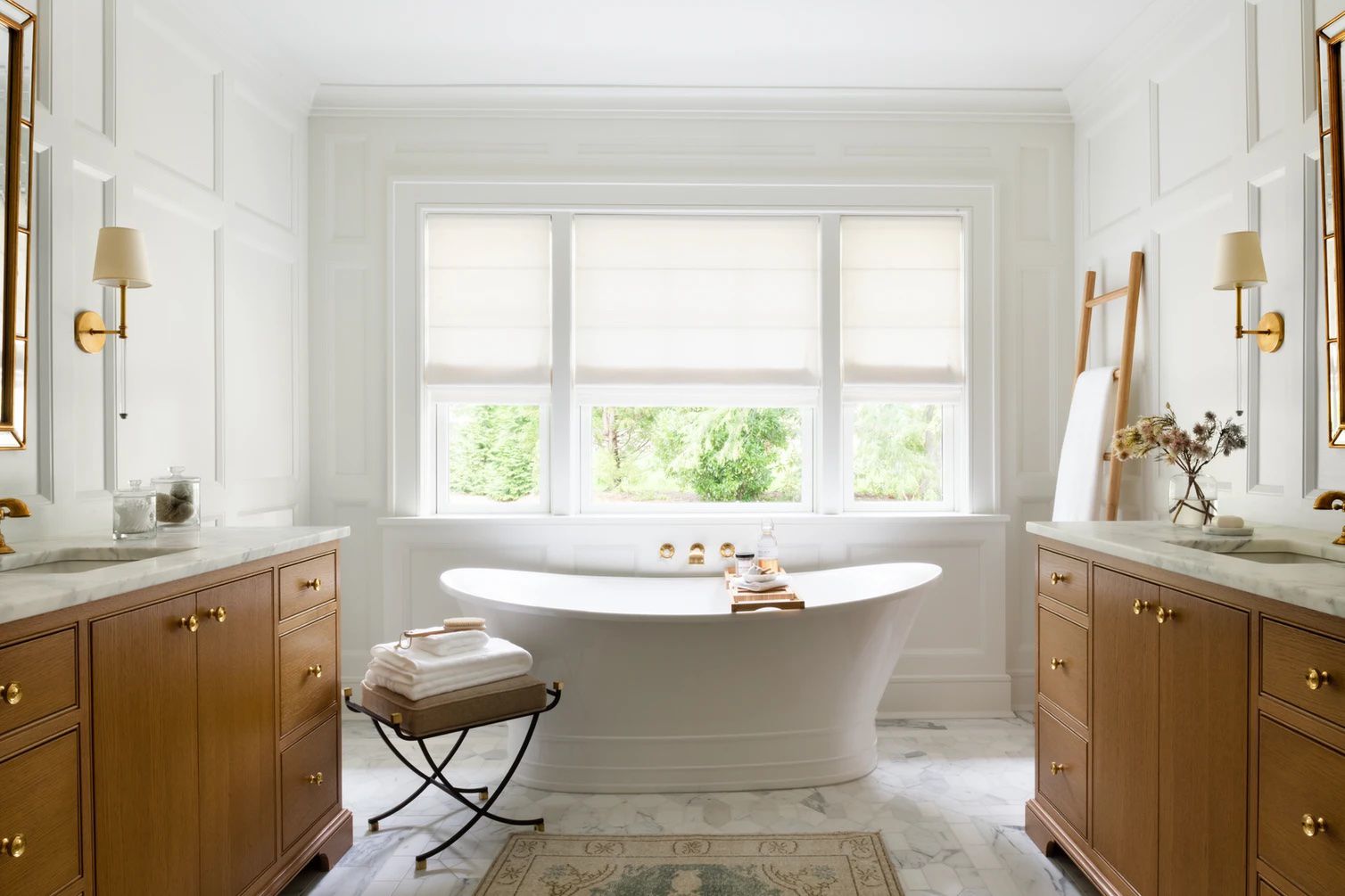
Use personality in ways that are easier to change: towels, mirrors, art, cabinet hardware, and wall paint. For permanent surfaces, choose materials that fit the home’s architecture and appeal to a broad audience. Neutral does not have to mean boring. Warm whites, soft grays, muted greens, natural wood tones, stone-look tile, and classic patterns can create a stylish bathroom without scaring buyers into a renovation spreadsheet.
Quick Comparison: Bad Bathroom Features vs. Better Choices
| Feature That Can Hurt Value | Why Buyers Dislike It | Better Alternative |
|---|---|---|
| Bathroom carpet | Traps moisture, odors, and possible mildew | Porcelain tile, ceramic tile, or waterproof vinyl |
| No bathtub anywhere in the home | Limits appeal for families, pet owners, and tub lovers | Keep at least one tub-shower combo if possible |
| Ultra-luxury fixtures | Often cost more than buyers will repay | Quality midrange fixtures with broad appeal |
| Poor ventilation and moldy grout | Suggests hidden moisture problems | Outdoor-vented fan, fresh caulk, clean grout |
| Extreme tile or sloppy DIY work | Looks expensive to undo | Timeless finishes installed professionally |
How to Improve a Bathroom Without Over-Renovating
If your bathroom needs help before listing, you do not always need a full remodel. In fact, smaller improvements may deliver better value because they improve buyer perception without draining your budget.
Focus on Clean, Bright, and Functional
Start with deep cleaning, fresh caulk, working fixtures, updated lighting, and a modern mirror. Replace an old toilet seat, repair dripping faucets, and remove stained shower curtains. These are not glamorous jobs, but neither is explaining mystery mildew during a showing.
Keep the Layout When Possible
Moving toilets, sinks, tubs, and drains can raise costs quickly. Unless the current layout is truly dysfunctional, keeping plumbing in place is often the smarter choice. You can make a bathroom feel new with updated surfaces, fixtures, and storage while avoiding the budget chaos of relocating pipes.
Match the Bathroom to the Home
A bathroom should feel like it belongs. In a modest starter home, buyers may appreciate a clean, durable, affordable update more than imported marble. In a higher-end home, cheap finishes may feel out of place. The best bathroom renovation respects the home’s price range, neighborhood, and likely buyer.
Experience Notes: What Homeowners and Buyers Often Learn the Hard Way
One of the most common experiences homeowners have with bathroom renovations is realizing too late that personal comfort and resale value are not always the same thing. A homeowner may love a dramatic black bathroom with a rainfall shower, floating vanity, and zero storage. It photographs beautifully. Then a buyer walks in and asks, “Where do I put towels, cleaning supplies, a hair dryer, and the twelve bottles of shampoo I pretend are all necessary?” Suddenly, the design feels less like luxury and more like a storage puzzle.
Another familiar lesson is that buyers notice maintenance before they notice design. A seller may proudly point out expensive tile, but the buyer is staring at cracked caulk around the tub. A new vanity may look great, but if the exhaust fan sounds like a lawn mower trapped in the ceiling, the room feels neglected. Small flaws in bathrooms carry extra weight because water is involved. Buyers know water can be expensive, sneaky, and rude.
Many homeowners also discover that removing a bathtub is more controversial than expected. For a person who never takes baths, a tub may seem like wasted space. But during resale, the bathroom is no longer just about the current owner. It is about the widest pool of future buyers. Families with toddlers often want a tub. Buyers with dogs may want a tub. Some people simply enjoy soaking. When the only bathtub disappears, the home may still sell, but it may lose a slice of its audience.
DIY work is another area where experience can be humbling. Painting a vanity or replacing hardware may be manageable. Waterproofing a shower is a different beast entirely. A tile job that looks “good enough” to the homeowner may look uneven to a buyer. A small slope mistake in a shower floor can cause drainage problems. A poorly sealed corner can invite moisture behind the wall. Bathrooms are not forgiving rooms. They are wet little judges with plumbing.
The most successful bathroom updates tend to be boring in the best possible way. They fix what is broken, remove what looks dated, improve lighting, control moisture, and use finishes that feel fresh without shouting. Buyers do not need to gasp when they enter the bathroom. They need to relax. They need to think, “Great, I do not have to spend money in here right away.” That sentence may not sound exciting, but in real estate, it is practically a love poem.
Homeowners who plan with resale in mind often get the best results by asking three simple questions before making a bathroom decision: Will this be easy to maintain? Will most buyers understand the value? Will it still look good in five to ten years? If the answer is yes, the upgrade is probably safe. If the answer is, “Only people who share my exact taste in emerald fish-scale tile will appreciate this,” maybe pause before ordering six boxes.
Conclusion
The bathroom features that decrease home value usually have one thing in common: they create doubt. Carpet creates doubt about moisture. Removing the only tub creates doubt about functionality. Luxury fixtures create doubt about ROI. Moldy grout creates doubt about maintenance. Extreme design or sloppy DIY work creates doubt about future costs.
To protect your home’s value, aim for a bathroom that feels clean, practical, well-maintained, and appropriate for the property. You do not have to remove every trace of personality. Just keep the permanent, expensive-to-change features broadly appealing. Save the wild design choices for towels, art, and the candle that smells like “coastal serenity” but somehow also like a hotel lobby.
A smart bathroom update does not scream for attention. It quietly tells buyers, “This home has been cared for.” And that message can be worth far more than the fanciest faucet in the showroom.