Squash is one of those garden crops that starts out looking innocent. One day, you have a tidy little seedling with two polite leaves. A few weeks later, it has turned into a leafy green octopus, reaching for the tomatoes, shading the peppers, and casually suggesting it owns the backyard now. But for home gardeners, that vigorous personality is exactly part of the fun.
Whether you grow squash for fresh summer sautés, cozy autumn soups, colorful porch displays, or the pure joy of harvesting something the size of a small pet, learning the main types of squash can help you choose better varieties for your space, climate, cooking style, and patience level. Some squash are best picked young and tender. Others need a full season to develop hard rinds, sweet flesh, and long storage potential.
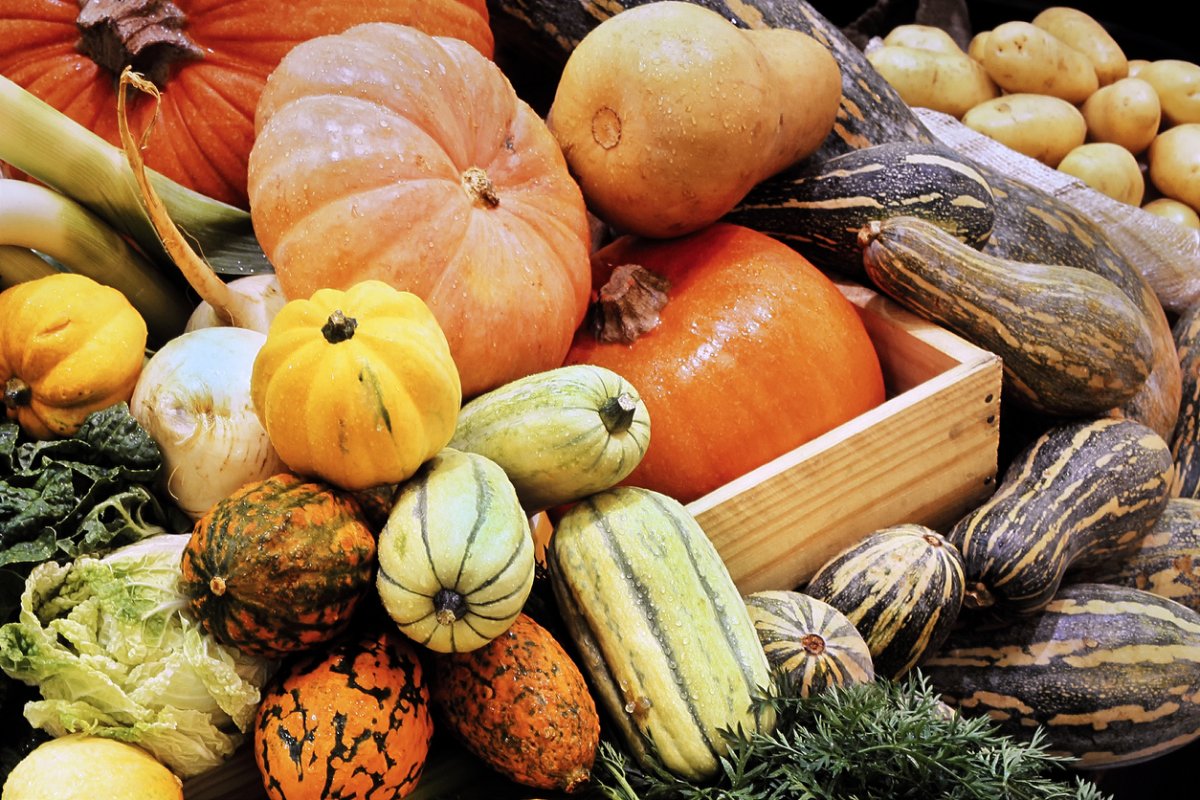
This guide breaks down 12 types of squash every home gardener should know, including familiar favorites like zucchini and butternut, charming oddballs like pattypan and delicata, and storage champions like hubbard and kabocha. Think of it as a squash family reunionminus the awkward small talk and with more roasted vegetables.
Summer Squash vs. Winter Squash: What Is the Difference?
Squash is usually divided into two practical garden groups: summer squash and winter squash. Summer squash is harvested while the fruit is immature, the skin is tender, and the seeds are soft. These include zucchini, yellow squash, crookneck, straightneck, and pattypan. They grow quickly, produce generously, and should be picked often. Leave a zucchini alone too long and it may become less “dinner ingredient” and more “decorative canoe.”
Winter squash is harvested when fully mature, usually near the end of the growing season. These varieties develop hard rinds, richer flavor, and flesh that stores much longer than summer squash. Butternut, acorn, spaghetti, kabocha, hubbard, buttercup, delicata, and pumpkins all fall into this general category. Most winter squash need more space, more time, and a little more planning, but they reward gardeners with fruits that can last for weeks or months after harvest.
1. Zucchini
Zucchini is the classic overachiever of the vegetable garden. It grows fast, produces heavily, and somehow convinces gardeners every year that “just two plants” is a reasonable idea. Green zucchini is the most common, but there are also yellow, striped, ribbed, and round varieties.
Home gardeners love zucchini because it is versatile in the kitchen. It can be grilled, sautéed, spiralized, baked into bread, added to soups, or shredded into fritters. For best eating quality, pick long zucchini when they are still small to medium-sized, with glossy skin and firm flesh. Oversized zucchini is still useful for baking, but the texture becomes more watery and the seeds more noticeable.
Growing tip
Harvest zucchini frequently to keep the plant producing. Check plants every day or two during peak season. Zucchini hides under leaves like it has unpaid rent.
2. Yellow Straightneck Squash
Yellow straightneck squash is a tender summer squash with smooth, sunny skin and mild flavor. It has a narrow neck and a slightly wider base, but the overall shape is straighter than crookneck types. It is one of the easiest squash varieties for new gardeners because it matures quickly and works well in raised beds, traditional rows, and large containers.
In the kitchen, yellow straightneck squash is excellent sliced into stir-fries, roasted with herbs, layered into casseroles, or cooked with onions and a little butter. Its bright color also makes any plate look more cheerful, which is helpful when dinner is “whatever came out of the garden today.”
Growing tip
Pick yellow straightneck squash while the skin is tender and the fruit is still young. Smaller fruits usually have better texture and sweeter flavor.
3. Yellow Crookneck Squash
Crookneck squash looks like yellow straightneck squash with a sense of humor. It has a curved neck, a bulbous base, and often slightly bumpy skin. The flavor is mild, buttery, and traditionalexactly the kind of squash many gardeners remember from summer dinners and backyard harvest baskets.
Crookneck squash is a productive plant, but it can be vulnerable to common squash pests, especially in warm, humid regions. Squash bugs, vine borers, cucumber beetles, and powdery mildew can all make appearances. Good spacing, crop rotation, row covers early in the season, and quick harvesting can help keep plants healthier.
Growing tip
Do not let large crookneck squash sit on the plant too long. Mature fruits slow down new production and become tougher.
4. Pattypan Squash
Pattypan squash may be the cutest vegetable in the garden. It looks like a flying saucer, scalloped pastry, or tiny edible UFO. Pattypan varieties come in white, pale green, bright yellow, and striped colors. Their small size and unusual shape make them popular with gardeners who want something a little different from standard zucchini.
Pattypan squash is best harvested young, often when the fruits are only a few inches wide. At that stage, the skin is tender and the flavor is delicate. They can be roasted whole, stuffed, grilled, or sliced into colorful summer vegetable dishes. Kids often love harvesting them because they look less like homework and more like garden toys.
Growing tip
Pattypan squash can be grown in containers if you choose compact bush varieties and use a large pot with rich soil and consistent watering.
5. Butternut Squash
Butternut squash is one of the most beloved winter squash varieties for good reason. It has tan skin, a narrow neck, a rounded seed cavity at the base, and sweet orange flesh that becomes silky when roasted or blended. It is easier to peel than many ribbed winter squash, which gives it a major advantage in the kitchen. Nobody wants dinner prep to feel like a medieval arm-wrestling contest.
Butternut squash belongs to the group of winter squash that usually needs a long growing season. Many varieties grow on vines, though compact options are available for smaller gardens. Butternut stores well when harvested fully mature and cured properly, making it a great choice for gardeners who want homegrown food beyond the summer rush.
Growing tip
Give butternut squash plenty of sun, fertile soil, and space. If your garden is small, look for bush or short-vine cultivars.
6. Acorn Squash
Acorn squash is a smaller winter squash with deep ridges and a shape that resembles a giant acorn. Most varieties have dark green skin, though gold and white types also exist. The flesh is mildly sweet, slightly nutty, and perfect for roasting in halves.
One reason acorn squash is popular with home gardeners is portion size. Unlike giant storage squash that require commitment, counter space, and possibly a motivational speech, acorn squash is easy to cook for one meal. Cut it in half, scoop out the seeds, roast it, and add butter, herbs, maple syrup, sausage stuffing, grains, or vegetables.
Growing tip
Harvest acorn squash when the rind is hard and the fruit has reached mature color. Use pruning shears to cut the stem instead of twisting the fruit off the vine.
7. Spaghetti Squash
Spaghetti squash is the winter squash with a party trick. Once cooked, its flesh separates into long strands that resemble noodles. It does not taste exactly like pastabecause plants are honest like thatbut it is excellent with marinara, pesto, garlic, cheese, roasted vegetables, or a hearty meat sauce.
In the garden, spaghetti squash grows on vines and needs warm weather, good pollination, and enough time to mature. The fruits are usually oval and range from pale yellow to golden when ripe. Like other winter squash, spaghetti squash should be harvested after the rind hardens.
Growing tip
Do not rush the harvest. Immature spaghetti squash will not have the same strand-like texture or storage quality as fully mature fruit.
8. Delicata Squash
Delicata squash is a favorite among gardeners and cooks who want winter squash flavor without wrestling with a rock-hard rind. It is usually oblong, cream-colored, and decorated with green or orange stripes. The skin is thin enough to eat after cooking, which makes delicata wonderfully convenient.
Its flavor is sweet, nutty, and often compared to sweet potatoes or roasted corn. Delicata is excellent sliced into half-moons and roasted until the edges caramelize. It is also a good choice for gardeners who want smaller winter squash that are easy to use in everyday meals.
Growing tip
Delicata does not store as long as some harder-rinded winter squash, so plan to enjoy it earlier in the storage season.
9. Kabocha Squash
Kabocha squash, often called Japanese pumpkin, is dense, sweet, and rich with a texture that can be almost chestnut-like. The fruits are usually squat and round with dark green, gray-green, or orange skin. Inside, the flesh is deep orange and excellent for roasting, steaming, soups, curries, and tempura-style dishes.
Kabocha is prized for flavor, but gardeners should know that many varieties grow on vigorous vines. It needs space, full sun, and a long enough season to mature. Once cured, kabocha can store well, though storage life depends on the variety and growing conditions.
Growing tip
Grow kabocha where vines can roam, or train smaller-fruited varieties on a sturdy trellis with support for heavy fruit.
10. Hubbard Squash
Hubbard squash is the heavyweight of the winter squash world. Some varieties produce large, bumpy, teardrop-shaped fruits with blue-gray, green, or orange skin. The flesh is sweet and dense, making it excellent for baking, pies, soups, and long-term storage.
Because hubbard squash can become quite large, it is best for gardeners with room to spare. It is not the squash you tuck politely between basil and lettuce. It wants space, sunshine, and a chance to sprawl like it is auditioning for a garden drama.
Growing tip
Use hubbard squash as a storage crop. Cure mature fruits carefully and keep them in a cool, dry, well-ventilated place.
11. Buttercup Squash
Buttercup squash is a compact, round winter squash with dark green skin and a distinctive “button” or cap on the blossom end. Its flesh is dense, dry, sweet, and flavorful. Many cooks love it for baking and mashing because it has less watery texture than some other squash.
Buttercup is sometimes confused with butternut because the names sound similar, but they are different types. Butternut is tan and bell-shaped. Buttercup is round, green, and usually smaller. Both are delicious, but buttercup has a richer, drier texture that works beautifully in savory dishes.
Growing tip
Buttercup vines need good airflow to reduce disease pressure. Avoid crowding plants, especially in humid climates.
12. Pumpkin
Yes, pumpkins are squash. Botanically and practically, they belong at the squash table. Some pumpkins are grown mainly for carving, some for decoration, and others for cooking. Pie pumpkins and culinary pumpkins tend to have sweeter, smoother flesh than huge jack-o’-lantern types.
Pumpkins can be wildly fun to grow, especially for families, school gardens, and anyone who enjoys autumn traditions. They need warm soil, full sun, fertile ground, and plenty of space. Small pumpkins can fit into modest gardens, while giant pumpkins require serious room, careful feeding, and possibly a gardener who enjoys measuring things with unnecessary seriousness.
Growing tip
For cooking, choose varieties labeled as pie, sugar, or culinary pumpkins. For carving, choose varieties bred for size, shape, and sturdy handles.
How to Choose the Best Squash for Your Garden
The best squash for your garden depends on space, season length, pest pressure, and how you like to cook. If you have a small garden, start with bush-type zucchini, yellow squash, or pattypan. These produce quickly and do not require an entire backyard empire.
If you have more room, winter squash can be incredibly rewarding. Butternut, acorn, delicata, and spaghetti squash are practical choices for most home cooks. If you want something more adventurous, try kabocha, buttercup, hubbard, or a regional heirloom.
Gardeners in areas with heavy squash vine borer pressure may have better luck with some moschata types, such as butternut and tromboncino, because their solid stems can be less vulnerable than hollow-stemmed summer squash. Still, no squash is completely carefree. Good garden hygiene, crop rotation, resistant varieties, row covers, and regular scouting make a big difference.
Essential Squash Growing Tips for Home Gardeners
Give squash full sun
Squash plants grow best with full sun. Aim for at least six hours of direct sunlight daily, though more is usually better. Shady squash plants tend to sulk, stretch, and produce poorly.
Warm soil matters
Squash is a warm-season crop. Seeds germinate best after the soil has warmed, and young plants dislike cold, wet conditions. Planting too early can lead to poor growth or seed rot.
Feed the soil, not just the plant
Squash appreciates rich, well-drained soil with plenty of organic matter. Compost improves moisture retention, drainage, and nutrient availability. A balanced fertilizer may help, especially when vines begin flowering and setting fruit.
Water consistently
Inconsistent watering can stress plants and reduce fruit quality. Water deeply at the base of the plant rather than splashing leaves. Wet foliage can encourage disease, especially in humid weather.
Respect pollinators
Squash plants produce male and female flowers. Bees and other pollinators move pollen from male flowers to female flowers so fruit can develop. If tiny squash shrivel and drop, poor pollination may be the reason. Avoid spraying insecticides when flowers are open and pollinators are active.
Harvest at the right stage
Summer squash should be harvested young and tender. Winter squash should mature fully on the vine, with hard rinds and developed color. Use clean pruners or a sharp knife to cut winter squash with a short stem attached.
Common Squash Problems and How to Handle Them
Squash plants are productive, but they are not invisible to pests. Squash bugs can gather on leaves and stems, causing wilting and weakening plants. Squash vine borers tunnel into stems, often causing sudden collapse. Cucumber beetles chew leaves and flowers and may spread disease. Powdery mildew appears as white powdery spots on leaves, especially late in the season.
The best defense is regular inspection. Look under leaves for eggs, remove badly affected foliage, rotate crops, clean up plant debris after harvest, and choose resistant or regionally recommended varieties when possible. Row covers can protect young plants early, but they must be removed when flowering begins so pollinators can reach the blossoms.
My Garden Experience: What Squash Teaches You the Hard Way
After growing squash for several seasons, I have learned that squash is less of a vegetable and more of a personality test. It rewards optimism, punishes neglect, and occasionally hides a zucchini the size of a baseball bat under one innocent-looking leaf. The first big lesson is simple: plant less than you think you need. A single healthy zucchini plant can produce enough fruit to feed your family, your neighbors, your coworkers, and that one person you barely know but suddenly remember because you have seven zucchini on the counter.
The second lesson is to harvest early and often. Small summer squash tastes better, cooks faster, and keeps the plant productive. Waiting “just one more day” is how you end up with squash that needs its own parking space. I keep a small harvest basket near the garden gate during summer because walking past squash plants without checking them is how gardeners get surprised.
Winter squash has taught me a different kind of patience. Unlike zucchini, which gives quick gratification, winter squash asks you to wait. The vines ramble all season, the fruits slowly color up, and the real reward comes later when you bring cured squash into the kitchen in fall or winter. There is something deeply satisfying about roasting a butternut or delicata that came from a seed you planted months earlier. It feels practical, old-fashioned, and slightly heroic, even if all you really did was water a vine and argue with bugs.
Space planning is another hard-earned lesson. Vining squash needs room. If a seed packet says the plant spreads 6 to 10 feet, believe it. Do not whisper, “I’m sure it’ll be fine,” while tucking it beside your peppers. It will not be fine. The squash will climb, sprawl, and negotiate territory like a leafy diplomat with no respect for borders. For small gardens, bush varieties and compact cultivars are worth seeking out.
Pest monitoring is also part of the squash experience. I check the undersides of leaves for squash bug eggs and watch for wilting stems that may signal vine borers. Catching problems early is much easier than rescuing a collapsing plant later. Good airflow, mulch, consistent water, and garden cleanup all help, but the real secret is paying attention. Squash plants tell you what is happening if you look closely.
Finally, squash has taught me to grow what I actually eat. It is tempting to plant every beautiful variety in the catalog, but garden space is valuable. If your family loves roasted squash, grow butternut, acorn, delicata, or kabocha. If you cook quick summer meals, grow zucchini, yellow squash, and pattypan. If you want fall decorations that become dinner, grow pumpkins. The best squash is not always the rarest or fanciest. It is the one that makes you excited to walk outside with a basket.
Conclusion
Squash offers home gardeners an incredible range of shapes, colors, flavors, and uses. Summer squash delivers quick harvests and tender fruits, while winter squash brings long-season satisfaction and pantry-friendly storage. From reliable zucchini to sweet butternut, playful pattypan, elegant delicata, hearty hubbard, and classic pumpkin, each type has a place in the garden if you match it to your space and cooking habits.
Start with one or two easy varieties, learn how they grow, and expand from there. Before long, you may become the kind of gardener who discusses rind hardness, vine length, and squash bug eggs at dinner parties. Is that normal? In gardening circles, absolutely.