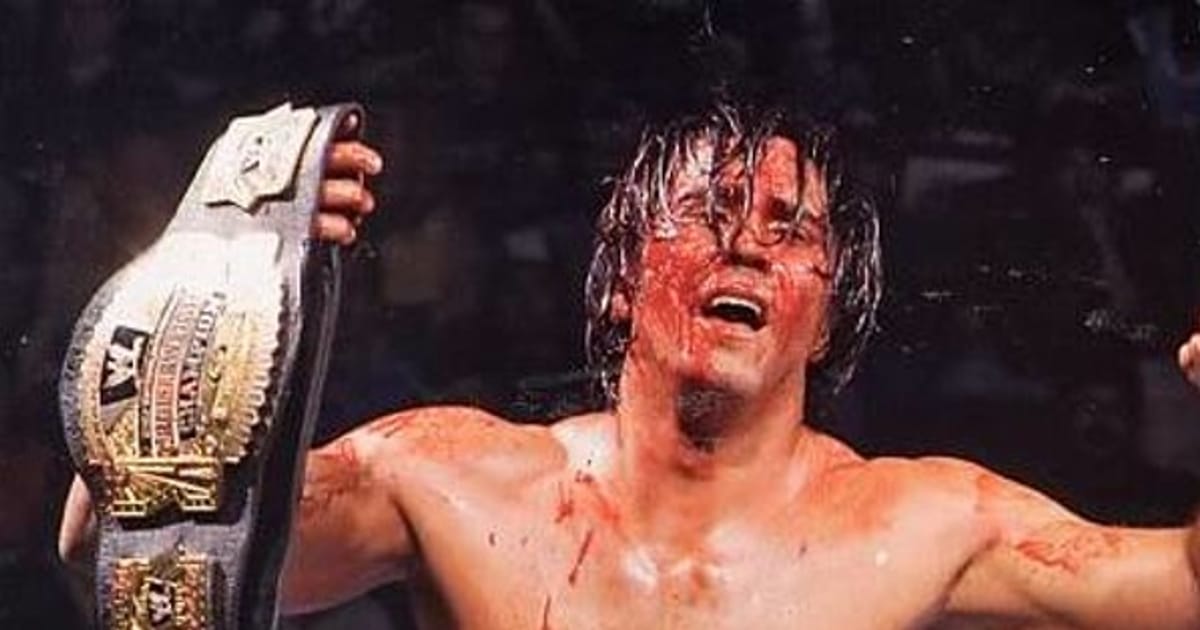
The best WWE Cruiserweight Champions were not just “small guys who could flip.” That description is lazy, like calling WrestleMania “a long wrestling show with fireworks.” The cruiserweight division has always been where speed, creativity, timing, lucha libre, technical wrestling, and pure daredevil confidence meet in one very busy wrestling ring. When the division was treated well, it gave fans some of the most exciting matches in WWE and WCW history. When it was treated poorly, well, even the best champions had to wrestle uphill while carrying the title, the division, and sometimes the entire undercard on their backs.
For this ranking, “WWE Cruiserweight Champions” includes the original WCW/WWE Cruiserweight Championship lineage that WWE inherited after buying WCW, plus the modern WWE/NXT Cruiserweight Championship that began with the 2016 Cruiserweight Classic and ended when it was unified with the NXT North American Championship in 2022. That gives us a wide field: lucha legends, technical wizards, 205 Live workhorses, villain kings, underdog heroes, and at least one champion who seemed personally offended by gravity.
What Makes a Great WWE Cruiserweight Champion?
A great cruiserweight champion needs more than a clean springboard move and cool entrance music. The best champions elevated the title, made opponents look dangerous, delivered memorable matches, and gave fans a reason to care about a weight-class championship in a company often obsessed with giants. The cruiserweight belt worked best when it felt like a spotlight for elite athletes, not a consolation prize for wrestlers who did not fit the heavyweight mold.
The names below earned their place through championship impact, in-ring quality, influence, fan connection, longevity, and historical importance. Some had long reigns. Some had short but electric runs. Some helped define what cruiserweight wrestling could be before WWE fully understood what it had. Let’s count down the best WWE Cruiserweight Champions, with respect, analysis, and just enough wrestling-nerd enthusiasm to make a lucha mask fog up.
1. Rey Mysterio
The ultimate cruiserweight icon
If the cruiserweight division had a Mount Rushmore, Rey Mysterio would not simply be on it; he would probably be springboarding off the forehead. Mysterio is the most famous cruiserweight champion in WWE-related history and arguably the wrestler who best introduced mainstream American audiences to high-speed lucha libre. His combination of speed, timing, charisma, and underdog storytelling made him the perfect ambassador for the division.
Rey’s cruiserweight success began in WCW, where he battled names like Dean Malenko, Psicosis, Eddie Guerrero, Juventud Guerrera, and Billy Kidman. When WWE later recognized his WCW accomplishments alongside his WWE title history, his legacy became even stronger. WWE lists him as a three-time WWE Cruiserweight Champion and five-time WCW Cruiserweight Champion, giving him a combined cruiserweight résumé that few wrestlers can touch.
What made Mysterio special was not just the 619 or the West Coast Pop. It was the way he made every match feel like survival theater. Rey could fight from underneath against a larger opponent, dazzle against another flyer, or wrestle a technical chess match against a mat specialist. He made the cruiserweight style emotional. Fans did not just admire the moves; they invested in the man doing them.
2. Gregory Helms
The longest-reigning standard-bearer
Gregory Helms deserves more credit in conversations about the best WWE Cruiserweight Champions. While Rey Mysterio is the division’s most iconic name, Helms was one of its most reliable titleholders. His 2006 reign gave the championship rare stability at a time when the division often felt like WWE’s forgotten drawer of cool action figures.
Helms won the title at the 2006 Royal Rumble and then kept finding ways to survive. He was cocky, slippery, technically sharp, and annoyingly good at escaping with the gold. That was the point. He presented himself as the “greatest Cruiserweight Champion of all time,” and while wrestling fans love nothing more than debating a boast until everyone needs hydration, Helms at least had the numbers and performances to support the argument.
His matches with Super Crazy, Matt Hardy, Chavo Guerrero, and other challengers helped keep the belt visible. Helms did not wrestle like a highlight reel pretending to be a person. He wrestled like a champion with a strategy: slow the pace, cut off the ring, bend the rules, and let challengers make mistakes. That made him different from many cruiserweight champions and gave his reign personality.
3. Neville
The King of the Cruiserweights
Neville’s cruiserweight run was a masterclass in how one character shift can save an entire division from becoming background noise. Before his heel turn, Neville was known as a spectacular high-flyer. After returning as the self-proclaimed King of the Cruiserweights, he became something better: a bitter, intense, world-class villain who treated the division like his personal kingdom.
His victory over Rich Swann at Royal Rumble 2017 gave the revived WWE Cruiserweight Championship a much-needed identity. Neville looked dangerous, wrestled with cruelty, and carried himself like a man insulted by the idea that anyone else belonged near his throne. He still had the aerial ability, but he added vicious strikes, submissions, facial expressions that could curdle milk, and a champion’s arrogance.
Neville’s reign also helped 205 Live find a serious tone. His matches with Austin Aries, TJP, Akira Tozawa, and others gave the championship more dramatic weight. He was not simply having good cruiserweight matches; he was making the title feel like something worth chasing. That is exactly what a champion should do.
4. Cedric Alexander
The heart of 205 Live
Cedric Alexander’s WrestleMania 34 win over Mustafa Ali was one of the most satisfying moments in modern cruiserweight history. The match felt like a reward for fans who stuck with 205 Live while the show was finding itself. Alexander had the athleticism, Ali had the emotion, and together they delivered a final that reminded viewers how good the division could be when given time and respect.
Alexander’s reign stood out because he felt like a fighting champion. His offense was crisp, explosive, and believable. The Lumbar Check looked like it could fold an opponent like a lawn chair in a hurricane. He defended the championship against strong challengers and helped give 205 Live a sense of athletic legitimacy.
What made Cedric special was balance. He could fly, strike, sell, and build momentum without making the match feel like a gymnastics routine. His title reign may not always receive the mainstream recognition it deserves, but among fans who followed the modern cruiserweight era, Alexander was one of the division’s most important champions.
5. Chavo Guerrero
The crafty veteran with championship instincts
Chavo Guerrero’s cruiserweight résumé is deep, and his presence gave the division a valuable mix of experience, character, and wrestling intelligence. Chavo understood how to wrestle as both a skilled technician and a smug opportunist. That is a dangerous combination, like giving a fox a rulebook and letting him referee his own match.
Chavo’s cruiserweight history included memorable battles with Rey Mysterio and a major title win at No Way Out 2007, where he ended Gregory Helms’ long reign in a Cruiserweight Open. His ability to step into multi-man chaos and still emerge as champion showed why he was such a natural fit for the division.
He also carried the Guerrero family’s wrestling IQ into every match. Chavo could cheat, counter, fly, mat-wrestle, or bait an opponent into making a mistake. He was not always the flashiest champion, but he was consistently valuable. For a division built on variety, Chavo brought personality and ring craft in equal measure.
6. Buddy Murphy
The modern powerhouse cruiserweight
Buddy Murphy brought a different energy to the cruiserweight title. He was not the smallest, quickest, or most traditional cruiserweight. Instead, he wrestled like a compact wrecking machine that somehow qualified for 205 Live after bargaining with the scale. His title win over Cedric Alexander at Super Show-Down in Melbourne was a major moment because it combined hometown emotion with a genuinely excellent performance.
Murphy’s reign helped expand the idea of what a cruiserweight champion could be. He was powerful, explosive, and aggressive, blending strikes and strength-based offense with the pace expected from the division. Against opponents like Mustafa Ali, Cedric Alexander, Tony Nese, and others, Murphy looked like a champion who could dominate without slowing the show down.
His run also aged well because fans later saw him succeed beyond the cruiserweight scene. That retroactively strengthened his title reign. Murphy was not just a good cruiserweight champion; he was a future main-roster-level performer using the division as a launchpad.
7. Tajiri
The buzzsaw who made every kick sound personal
Tajiri was one of the most entertaining cruiserweight champions of the early WWE era. He brought a unique blend of Japanese junior heavyweight influence, comedy timing, sudden violence, and facial expressions that could tell an entire story without one word. Also, his kicks sounded like someone slapping a steak with a canoe paddle.
As champion, Tajiri gave the division flavor. His matches were fast, unpredictable, and full of little details. The handspring elbow, the Tarantula, the green mist, the stiff strikeseverything about him felt distinct. He was not trying to be a generic cruiserweight. He was Tajiri, and that was more than enough.
His reigns helped bridge the gap between WCW’s cruiserweight tradition and WWE’s early-2000s version of the title. In a division that sometimes lacked consistent creative attention, Tajiri remained memorable because his character and style were impossible to confuse with anyone else’s.
8. Dean Malenko
The technician’s technician
Dean Malenko was not flashy in the way Rey Mysterio was flashy. He did not need to be. Malenko’s appeal came from precision. He wrestled like a man who had read every wrestling manual, corrected the footnotes, and then submitted the author. In WCW, his cruiserweight title matches helped establish the division as more than just flips and dives.
Malenko’s battles with Mysterio, Eddie Guerrero, Ultimo Dragon, and others gave the championship credibility. His nickname, “The Man of 1,000 Holds,” was not just branding. It represented the technical backbone of cruiserweight wrestling. He proved that smaller wrestlers could deliver serious, mat-based matches with psychology, counters, and tension.
Without Malenko, the cruiserweight division would still have had excitement. With him, it had depth. He gave the title a sporting seriousness that balanced the division’s aerial fireworks.
9. TJP
The first champion of the modern era
TJP holds an important place in WWE cruiserweight history because he won the 2016 Cruiserweight Classic and became the first champion of the revived WWE Cruiserweight Championship. That tournament was a love letter to global junior heavyweight wrestling, featuring talents from different countries, styles, and promotions. TJP’s path included major victories over elite competitors, and his win positioned him as the face of the new division.
His video-game-inspired presentation gave him a modern identity, and his technical style fit the tournament’s athletic tone. While his championship reign after the Cruiserweight Classic did not reach the heights many fans hoped for, his historical importance is undeniable. He was the bridge between the tournament’s excitement and WWE’s attempt to build a weekly cruiserweight brand.
TJP’s ranking here is based on significance more than longevity. Being first matters. Winning the Cruiserweight Classic mattered. For fans who watched that finale, the moment felt like WWE was opening a new door. Whether the company walked through it gracefully is another question, and possibly a group therapy session for 205 Live viewers.
10. Santos Escobar
The champion who brought swagger to NXT
Santos Escobar’s NXT Cruiserweight Championship run gave the title a fresh identity during an unusual era. Originally winning the interim championship as El Hijo del Fantasma, he soon revealed himself as Santos Escobar and formed Legado del Fantasma. That transformation gave the cruiserweight title a stylish villain, a faction, and a stronger narrative direction.
Escobar brought lucha heritage, confidence, and presentation. He did not just hold the title; he made it part of his image. His rivalry with Isaiah “Swerve” Scott and his eventual unification ladder match storyline with Jordan Devlin helped make the NXT cruiserweight scene feel bigger than a side quest.
His reign worked because it had atmosphere. Escobar looked like a champion, spoke like a champion, and wrestled with the arrogance of someone who believed the division had been waiting for him. That kind of confidence matters, especially for a title that often needed champions to manufacture prestige through performance and personality.
11. KUSHIDA
The international ace with submission style
KUSHIDA’s NXT Cruiserweight Championship reign was a treat for fans who enjoy technical wrestling, limb work, and matches where every armbar looks like it may require a written apology afterward. Already respected internationally before joining WWE, KUSHIDA brought credibility to the title through his background in Japanese junior heavyweight wrestling and mixed martial arts.
His championship win over Santos Escobar gave NXT a very different kind of cruiserweight champion. Where Escobar had swagger and faction power, KUSHIDA had speed, submissions, and clean athletic focus. His open-challenge approach also helped create a sense of opportunity around the title.
KUSHIDA’s reign may not have been the most heavily promoted in WWE history, but it appealed to wrestling fans who value craft. He made the title feel like a prize for elite technique, not just high-risk offense.
12. Billy Kidman
The underrated workhorse
Billy Kidman was one of the most reliable cruiserweights of the WCW-to-WWE transition period. His shooting star press gave him a spectacular finishing move, but his real value was consistency. Kidman could fit into television matches, pay-per-view openers, multi-man scrambles, and longer cruiserweight bouts without looking out of place.
He may not have had the mythic aura of Rey Mysterio or the technical reputation of Dean Malenko, but Kidman helped keep the division active. That matters. Wrestling history often remembers the icons and forgets the dependable performers who made the division function week after week.
Kidman’s title reigns showed that the cruiserweight championship could be defended by wrestlers who mixed athletic flash with straightforward babyface energy. He was an important part of the division’s ecosystem, even if he rarely gets the loudest applause in all-time debates.
Honorable Mentions
Rich Swann deserves recognition for bringing energy and charisma to the revived cruiserweight title before Neville’s reign changed the division’s tone. The Brian Kendrick added veteran storytelling and sneaky character work. Akira Tozawa gave the title a burst of intensity and crowd connection. Tony Nese brought elite conditioning and a feel-good WrestleMania weekend victory. Roderick Strong gave the NXT Cruiserweight Championship a final serious wrestling identity before the title was unified into the North American Championship. Jordan Devlin also had the longest recognized modern reign, though travel restrictions and the interim title situation made that period complicated for fans to evaluate.
Why Cruiserweight Champions Still Matter
The cruiserweight championship mattered because it gave different kinds of wrestlers a platform. It showed that main-event size was not the only kind of star power. Fans could cheer for speed, timing, creativity, balance, and innovation. In many ways, the cruiserweight division predicted the modern wrestling style. Today’s WWE features top stars who wrestle with the speed and creativity once associated mainly with cruiserweights.
That is the hidden legacy of these champions. Rey Mysterio helped prove that smaller wrestlers could become world-level icons. Neville showed that a cruiserweight champion could be a terrifying villain. Cedric Alexander and Buddy Murphy proved that 205 Live, at its best, could produce pay-per-view-quality wrestling. Santos Escobar and KUSHIDA showed that the title could still adapt inside NXT.
Fan Experience: Watching the Best WWE Cruiserweight Champions
Watching the best WWE Cruiserweight Champions has always felt a little different from watching the heavyweight scene. Heavyweight matches often sell spectacle through size, power, and dramatic stare-downs. Cruiserweight matches sell it through motion. The excitement comes from the feeling that anything can happen in the next three seconds. A champion can be standing on the mat, then suddenly springboard, twist, land, roll through, and hit a move that makes the crowd produce a noise halfway between applause and concern.
For many fans, Rey Mysterio was the gateway. If you first saw him as a kid, he looked like a superhero who had somehow escaped Saturday morning cartoons and landed on SmackDown. He was smaller than almost everyone, but that made his victories feel bigger. Every time he ducked a clothesline, slid under a giant opponent, or hit the 619, it created the feeling that wrestling rewarded imagination as much as muscle. That is a powerful thing for a young fan to see.
The Gregory Helms era offered a different experience. Watching Helms defend the title was less about joyful fireworks and more about waiting for someone to finally shut him up. That is good heel work. Fans wanted challengers like Super Crazy, Matt Hardy, or Chavo Guerrero to catch him. Helms made the title feel like something trapped behind a locked door, and every challenger arrived with a different key. Sometimes the key worked. Usually, Helms found a window and escaped anyway.
The modern 205 Live era was its own roller coaster. At times, the show felt underappreciated, tucked away from the main spotlight like a great restaurant hidden behind a gas station. But fans who watched regularly were rewarded with excellent wrestling. Cedric Alexander versus Mustafa Ali at WrestleMania 34 felt emotional because it represented the best version of the brand: two hungry performers, a clear prize, and a match that did not need comedy distractions or overbooked nonsense. Just wrestling. Beautiful, athletic, dramatic wrestling.
Buddy Murphy’s reign added a physical edge. Watching him as champion felt like watching someone try to smuggle a heavyweight offense into a cruiserweight division. He could move fast, but he hit like a door with opinions. His matches gave the division a different rhythm, proving that cruiserweight wrestling did not have to be one style. It could be lucha, technical grappling, striking, submission work, or power-based aggression, as long as the pace and precision were there.
NXT’s version of the title created yet another experience. Santos Escobar made the belt feel stylish and cinematic, while KUSHIDA made it feel like a technical prize. Their reigns showed how much presentation changes a championship. Escobar made you notice the champion before the bell. KUSHIDA made you study the match after it started. Both approaches worked, and both added texture to the title’s history.
The best experience of watching cruiserweight champions is realizing that the division was never just about weight. It was about possibility. The champions on this list showed that wrestling could be faster, sharper, stranger, smarter, and more surprising. When a cruiserweight title match was great, it did not feel like a smaller version of WWE. It felt like a secret engine powering the whole show.
Conclusion
The best WWE Cruiserweight Champions combined athletic brilliance with identity. Rey Mysterio remains the gold standard because he turned cruiserweight wrestling into mainstream magic. Gregory Helms gave the title longevity and villainous confidence. Neville reinvented the modern division with royal cruelty. Cedric Alexander, Buddy Murphy, Chavo Guerrero, Tajiri, Dean Malenko, TJP, Santos Escobar, KUSHIDA, and Billy Kidman each added something valuable to the championship’s story.
The cruiserweight title may no longer be active in WWE, but its influence is everywhere. Modern wrestling is faster, more international, more creative, and more open to different body types because divisions like this proved fans would respond. The best cruiserweight champions did not need to be giants. They made the ring feel giant around them.