A first date already comes with enough questions. Will the conversation flow? Should you order the garlic pasta? Is arriving seven minutes early charming or mildly alarming? Your outfit should not become another full-scale investigation.
The best plus size first date outfit is not the one that makes you look smaller, follows every trend, or earns approval from a stranger on the internet. It is the one that fits your body today, suits the setting, reflects your personality, and lets you concentrate on the person sitting across from you.
Clothing can support confidence when it feels like a personal choice rather than a disguise. A familiar outfit formula may also reduce some of the uncertainty that often appears before a first date. In other words, the goal is not to manufacture a new version of yourself. It is to dress the current version well.
1. Dress for the Actual Date, Not an Imaginary Movie Scene
Begin with the location and planned activity. A satin midi dress might be lovely, but it becomes less lovely when the date unexpectedly includes miniature golf, a windy boardwalk, and eighteen stairs. Likewise, jeans and sneakers may feel underdressed at a reservation-only restaurant with white tablecloths.
Ask yourself three practical questions: Will you be walking? Will you be sitting for a long time? Will the temperature change? Then build your look around the answers.
Easy Outfit Formulas by Date Type
For a coffee date, try straight-leg jeans, a fitted or softly draped top, comfortable loafers, and simple jewelry. For dinner, consider a wrap dress, jumpsuit, midi skirt, or tailored pants with a polished blouse. For a museum or outdoor market, wear breathable separates, supportive shoes, and a light layer you can remove.
Casual dresses, favorite jeans, cardigans, and thoughtfully chosen accessories appear repeatedly in expert date-night recommendations because they feel intentional without looking like you spent six hours negotiating with your closet.
2. Choose Clothes That Fit Your Current Body
A number on a tag is information, not a character reference. Sizes vary dramatically across brands, cuts, and fabrics, so choose the garment that fits rather than the size you believe you are supposed to wear.
Before buying something new, measure your bust, waist, hips, and inseam, then compare those numbers with the brand’s size chart. If you are shopping in person, take two nearby sizes into the fitting room. Nobody awards bonus points for squeezing into the smaller one while losing the ability to inhale.
Perform a sitting test before the date. Sit in a chair, cross your legs, reach forward, and take several natural breaths. Check whether the waistband digs in, buttons pull, the neckline shifts, or the hem rises farther than you would like. Clothing that feels fine during a ten-second mirror pose may behave very differently through appetizers and dessert.
Accurate measurements, brand-specific charts, and testing garments while seated can help prevent fit problems and discomfort. Tailoring is also worth considering when an item fits beautifully in one area but needs a small adjustment elsewhere.
3. Start With a Silhouette You Already Trust
A first date is rarely the ideal moment to test a complicated outfit that requires fashion tape, three hidden safety pins, and the emotional support of a roommate. Begin with shapes you have worn successfully before.
That might mean a wrap dress, an A-line skirt, wide-leg trousers, a fitted knit dress, dark denim, or a structured jumpsuit. No silhouette is universally “flattering,” because plus size bodies do not all share the same proportions. The useful question is whether the cut follows your shape comfortably and helps you feel like yourself.
Wrap dresses can create adjustable definition, while fit-and-flare designs offer room through the hips. Straight or wide-leg pants may balance a fitted top, and a more streamlined bottom can pair well with a relaxed blouse. Current curvy styling guidance emphasizes proportion, fabric, and personal preference rather than one mandatory formula for every body.
4. Highlight a Feature You Genuinely Like
Instead of beginning with, “What should I hide?” ask, “What would I enjoy showing?” This small shift can make getting dressed feel much more positive.
If you love your shoulders, try an off-the-shoulder, one-shoulder, or sleeveless top. If your legs are your favorite feature, choose a skirt or dress at a length that makes you feel confident. A V-neck or square neckline can frame the face and collarbone, while a tucked blouse or belted dress can emphasize the waist. Rolled sleeves can draw attention to bracelets and polished nails.
You do not need to display every favorite feature simultaneously. Choose one focal point and allow the rest of the outfit to support it. Think “confident composition,” not “everything everywhere all at once.”
5. Use Proportion Instead of Trying to Hide Your Body
Oversized clothing can look chic, and fitted clothing can look elegant. Problems arise when an outfit has no intentional shape or when every piece competes for attention.
If you wear a loose button-down, pair it with structured jeans, a fitted skirt, or tailored pants. If you choose wide-leg trousers, try a tucked tank, cropped jacket, or top that ends near the waistband. A body-skimming dress can be balanced with a longer blazer or relaxed denim jacket.
The purpose of proportion is not to create the illusion that you occupy less space. It is to help the outfit look deliberate. Seaming, darting, shoulder fit, waist placement, and hem length often matter more than whether a garment is technically loose or tight.
Stylists frequently recommend borrowing only the parts of a trend that work for you. You might love a trend’s color or texture but prefer it in a different cut. Fashion is a menu, not a court summons.
6. Pick Fabrics That Let You Breathe and Move
Comfort is attractive because discomfort is distracting. If you spend the entire date tugging a skirt downward or wondering whether your top has become transparent under restaurant lighting, you will have less attention available for conversation.
Look for fabrics with enough stretch or drape to follow your movement without becoming shapeless. Soft knits, stretch denim, crepe, jersey, linen blends, ponte, and lightweight woven fabrics can all work, depending on the season and level of formality.
On warm dates, breathable or moisture-wicking layers may help reduce sweat and friction. If thigh chafing is a concern, consider anti-chafe shorts, lightweight slip shorts, or a skin-safe barrier product. Test any solution before the date rather than introducing your inner thighs to a surprise chemistry experiment at 7:30 p.m.
Dermatology guidance notes that friction, moisture, and rubbing clothing can contribute to chafing. Breathable garments, properly fitting layers, and petroleum jelly or another suitable anti-chafe barrier may help prevent irritation.
7. Wear Supportive Undergarments, but Treat Shapewear as Optional
The right undergarments can change how clothes hang and, more importantly, how comfortable you feel. A well-fitting bra may improve support, reduce strap adjustments, and help a neckline sit correctly. Check that the band feels secure, the cups contain the breast tissue without spilling or gaping, and the straps stay in place without digging.
Match your undergarments to the outfit. A seamless bra works under thin knits, while a convertible or strapless style may suit an open neckline. Slip shorts can prevent friction beneath dresses, and seamless briefs can reduce visible lines under fitted fabrics.
Shapewear is a choice, not an admission fee for wearing nice clothes. Wear it when you enjoy the support or smoothing effect, not because you believe your natural shape must be corrected. Choose the proper size and make sure you can sit, breathe, and eat comfortably. Shapewear that rolls, pinches, or causes numbness has officially resigned from its supporting role.
Professional bra-fitting guidance emphasizes comfort and individualized support. Medical advice on shapewear also warns that pieces that are too tight or worn for long periods may contribute to irritation and other discomfort.
8. Let Color and Print Show Some Personality
Black can be elegant, dramatic, and easy to style, but it is not the only color available to plus size people. You are allowed to wear red, cream, lime green, florals, stripes, metallics, pastels, and any other shade that makes you happy.
If bold color feels intimidating, introduce it through one piece: a cobalt blouse, burgundy shoe, printed skirt, colorful bag, or bright earring. A monochromatic outfit can also look polished without being boring. Try chocolate brown from head to toe, navy with denim, or varying shades of green.
Print scale is a matter of preference, not a body-size rule. Small prints can feel delicate, while large prints can create energy and drama. Choose the pattern that matches your personality and check how it falls across seams, buttons, and areas where the fabric stretches.
9. Add a Layer That Makes the Outfit Feel Finished
A third piece can transform basics into a date-ready look. A blazer over a tank and jeans feels polished. A cropped cardigan adds softness to a dress. A denim jacket makes a satin skirt more casual, while a leather jacket gives a floral dress a little edge.
The layer should work with the outfit’s proportions and the date’s conditions. Check that the shoulders fit, the sleeves allow movement, and the jacket can close if you need warmth. If it is intended to stay open, make sure it creates a clean line instead of bunching around your sides.
A layer is also practical. Restaurants can be freezing, patios can become windy, and a date who says, “It’s only a short walk,” may have a deeply creative definition of short.
10. Choose Shoes for the Amount of Walking Involved
Your shoes should support both the outfit and the evening. A block heel, low platform, dressy flat, clean sneaker, supportive sandal, or ankle boot can all be date appropriate. The best choice depends on the venue, your style, and how your feet respond after more than twelve minutes.
Do not wear brand-new shoes without testing them. Walk around your home, try stairs, and check for rubbing at the toes, heel, and sides. Pack a small blister bandage if you are prone to hot spots. If the plan includes significant walking, choose the pair that already has evidence of good behavior.
Foot-health guidance recommends properly fitted shoes that feel comfortable and stable rather than expecting a painful pair to improve during wear. Supportive soles become especially important when you will be standing or walking for an extended period.
11. Use Accessories as Conversation Starters
Accessories allow you to personalize a simple outfit without creating clutter. Choose one or two details that say something about you: vintage earrings, a playful bag, a colorful scarf, a favorite watch, an unusual pendant, or glasses with distinctive frames.
A memorable accessory can also give your date an easy opening question. A tiny book-shaped purse might lead to a conversation about favorite novels. Handmade earrings could introduce your interest in local art. A band pin on your jacket may reveal that both of you once stood in the rain for the same concert.
Avoid accessories that require constant management. If an earring catches on your hair every four seconds or a bracelet sounds like a kitchen drawer falling down the stairs, save it for another occasion.
12. Rehearse the Complete Look Before Date Day
Try on the entire outfit at least one day in advance, including underwear, shoes, outerwear, bag, and jewelry. Look at it in natural and indoor light. Sit down, walk, raise your arms, bend to pick something up, and take a few phone photos from ordinary angles.
This is not an invitation to inspect your body for flaws. It is a practical check for garment behavior. You may discover that a bra strap appears under the neckline, the skirt becomes sheer in daylight, or the jacket works only when your arms remain perfectly still.
Prepare one backup outfit as well. The backup should be familiar, comfortable, and ready to wear without ironing, emergency tailoring, or spiritual intervention. Knowing that you have another option can make the entire getting-ready process calmer.
Realistic First-Date Dressing Experiences
The Coffee Date That Turned Into a Long Walk
Imagine arriving for a casual coffee date in a fitted knit top, high-rise jeans, loafers, and a lightweight jacket. The original plan involves sitting for forty-five minutes. Then the conversation goes well, and both people decide to explore a nearby bookstore and walk through the neighborhood.
This is where practical styling becomes more valuable than a theoretically perfect mirror outfit. The jeans passed the sitting test, the loafers were already broken in, and the jacket handled the temperature change. Nothing about the look was elaborate, yet it continued working when the date became more active. The wearer did not have to choose between enjoying the moment and protecting painful feet.
The Dinner Outfit That Looked Better After Removing the Shapewear
Another common experience begins with a beautiful wrap dress and shapewear chosen one size too small. Standing in front of the mirror, the outfit appears smooth. Sitting in the car, however, the waistband rolls and breathing becomes an organized activity.
After switching to comfortable seamless underwear and anti-chafe shorts, the dress hangs naturally and the wearer looks more relaxed. The difference is not that her body changed. The difference is that she stopped fighting her clothes. During dinner, she can lean forward, laugh, and order what she actually wants instead of calculating which entrée requires the least abdominal movement.
The Bold Dress That Became an Instant Icebreaker
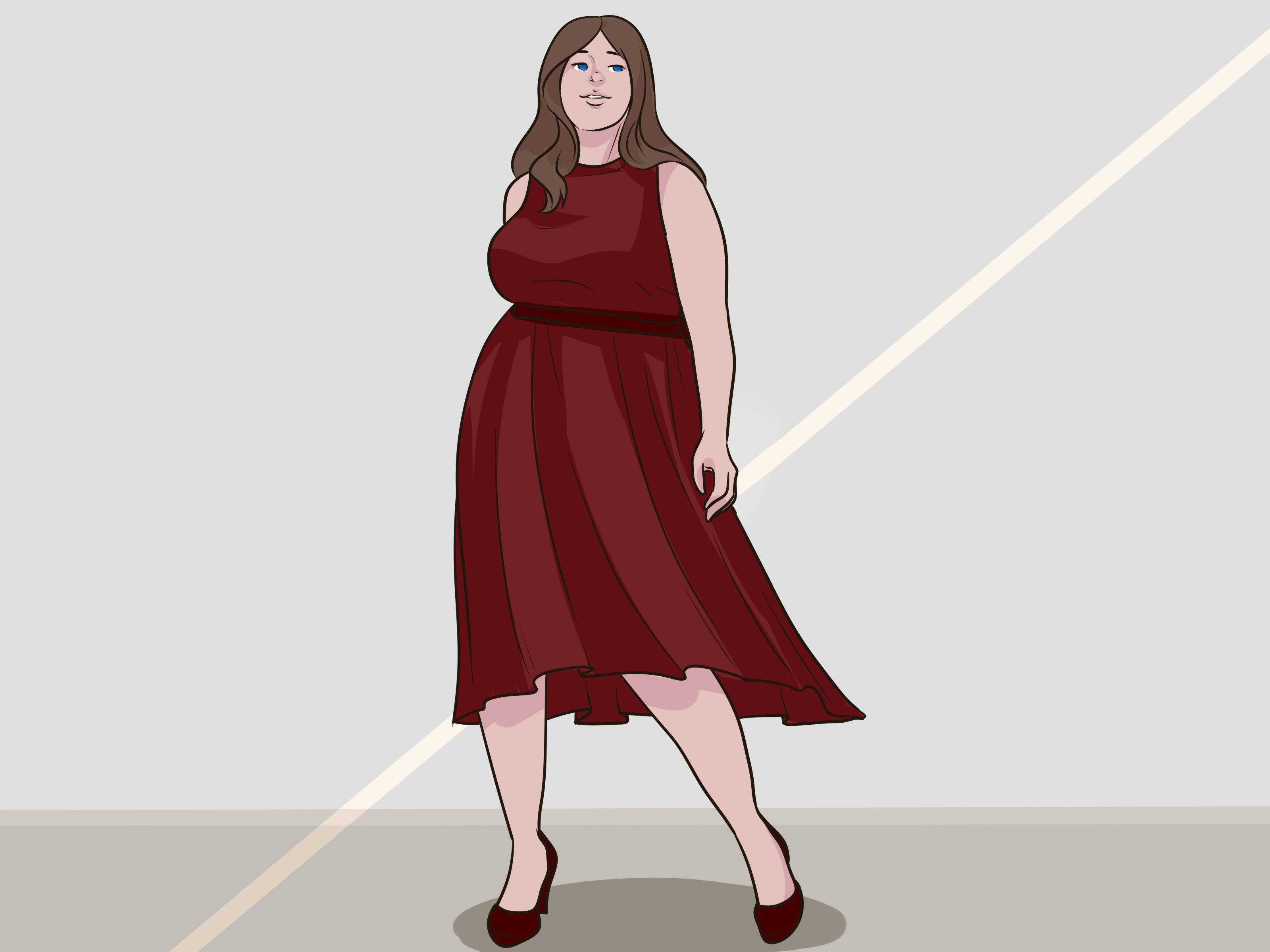
A plus size dater who usually chooses black decides to wear a deep red midi dress with a subtle print. She keeps everything else simple: low heels, small gold hoops, and a neutral bag. Her date compliments the color, which leads to a funny conversation about terrible school-picture outfits and questionable fashion phases.
The dress works because it expresses personality without feeling like a costume. Bold color does not automatically make an outfit loud, and neutral clothing does not automatically make it sophisticated. The emotional effect often comes from whether the wearer recognizes herself in the look.
The Trendy Outfit That Did Not Feel Like Her
Sometimes an outfit checks every trend box but still fails. Picture a person wearing a viral cutout top, an unfamiliar skirt silhouette, and platform shoes because social media described the combination as the perfect curvy date-night outfit. Nothing is technically wrong with it, yet she spends the evening adjusting the top and walking cautiously.
For the next date, she returns to her usual formula: wide-leg trousers, a square-neck blouse, pointed flats, and a structured jacket. The second outfit may be less trend-driven, but she speaks more freely because she is not monitoring every seam. Personal style creates consistency between how someone looks and how they naturally behave.
The Photo That Looked Different but Did Not Ruin the Night
Many people feel good in an outfit until they see an unplanned photograph. A seated picture may show fabric folds, a visible stomach outline, or an angle that does not resemble the carefully posed mirror image from home.
The useful response is not to declare the outfit a failure. Bodies fold when they sit. Fabric moves. Photos flatten a three-dimensional person into a fraction of a second. A strong first-date look should survive this ordinary reality without requiring the wearer to apologize for taking up space.
In the most successful experiences, the outfit eventually becomes background information. It helps the wearer arrive feeling prepared, then allows the date itself to take over. That is the real standard: not whether every photograph looks editorial, but whether the clothes let you participate fully in the evening.
Conclusion: Dress Like Someone Worth Getting to Know
Deciding what to wear on a first date when you are plus size does not require a list of features to conceal. Start with fit, comfort, venue, and personal style. Choose a silhouette you trust, highlight something you love, and use proportion, color, layers, and accessories to make the outfit feel intentional.
Most importantly, remember that your clothing is not attending the date in your place. It cannot create chemistry, rescue weak conversation, or determine your worth. Its job is simply to help you walk in feeling comfortable, attractive, and recognizable to yourself.
Wear the dress. Choose the bright color. Skip the painful shoes. Order dessert if you want it. The right person will be interested in more than whether your waistline performed advanced geometry under restaurant lighting.