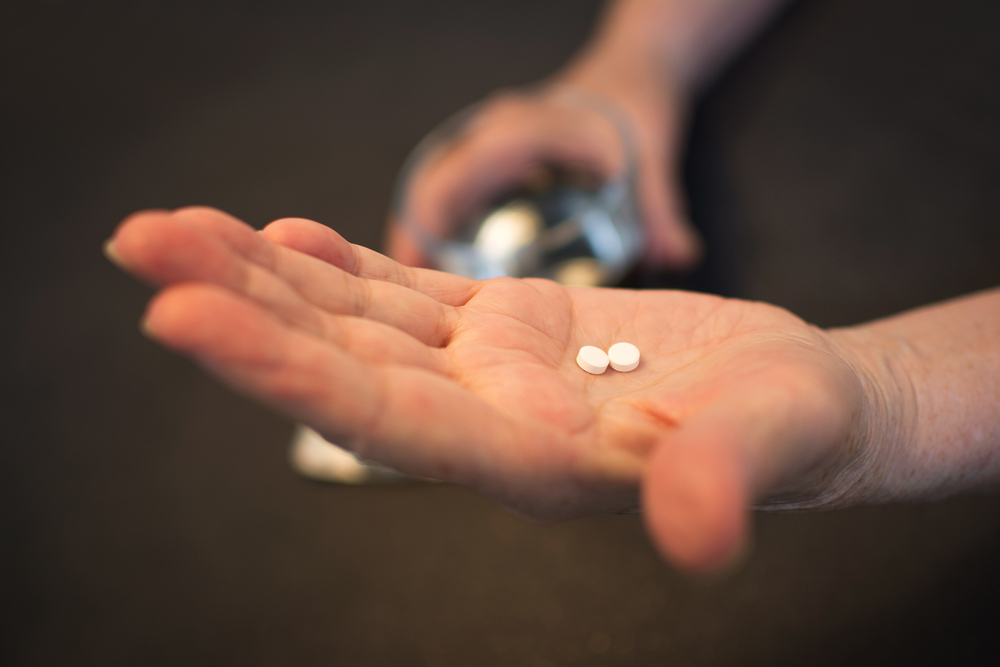
There is a particular kind of helplessness that comes with watching someone you love hurt while the room quietly decides who she is before asking what she feels. My mother is not a “drug-seeking patient.” She is a woman who used to carry groceries in one trip because two trips were for amateurs. She is a person who remembered everyone’s birthdays, folded towels like a hotel manager, and once insisted a heating pad was “basically a spa day with electricity.” Now, some days, pain makes walking to the kitchen feel like crossing a small, hostile country.
When she asks for pain relief, she is not asking for a party favor. She is asking for help. Yet many patients with chronic pain, especially older adults, women, people with complex medical histories, and people who have already tried “just take ibuprofen,” know how quickly a medical visit can become an interrogation. The tone changes. The eyebrows move. The chart grows a personality. Suddenly the patient is not a mother, a teacher, a neighbor, or a retired nurse. She is a risk category.
This article is about pain stigma, opioid fear, patient advocacy, and the urgent need to treat suffering without ignoring safety. It is also about the quiet truth families know too well: untreated pain does not become noble just because everyone is nervous about medication.
Why the Phrase “Drug-Seeking” Can Do Real Damage
The phrase “drug-seeking” sounds clinical, but it often lands like a verdict. It can flatten a complicated human being into a suspicious behavior. Yes, clinicians must screen for substance use disorder, medication interactions, overdose risk, and unsafe prescribing patterns. That is responsible medicine. But suspicion is not the same as assessment.
A person who asks for pain relief may be seeking function, not euphoria. She may want to sleep more than two hours. She may want to shower without gripping the wall like she is auditioning for an action movie. She may want to attend a grandchild’s school event without calculating the nearest chair, exit, and socially acceptable moment to wince.
Pain is subjective, which means it cannot be measured like blood pressure or cholesterol. There is no home “ouchometer” with a digital display, although millions of patients would happily buy one if it existed. Because pain relies heavily on communication, trust matters. When trust is replaced with stigma, patients may underreport pain, avoid care, or feel forced to perform suffering in a way that looks believable enough to be taken seriously.
Chronic Pain Is Not Rare, Dramatic, or “All in Her Head”
Chronic pain is common in the United States. It affects millions of adults and can interfere with work, sleep, mobility, mood, relationships, and independence. High-impact chronic pain, the kind that regularly limits life or work activities, is especially disruptive. For families, it changes the texture of daily life. A simple errand becomes a logistics meeting. A holiday dinner becomes a seating strategy. A car ride becomes a negotiation with every pothole in America.
It is also important to understand that chronic pain is not just “acute pain that got lazy and moved in.” Long-lasting pain can involve changes in the nervous system, inflammation, injury, arthritis, surgery, autoimmune disease, cancer, neuropathy, spinal problems, migraine, pelvic pain, and many other conditions. Sometimes the source is obvious on an X-ray or MRI. Sometimes it is not. A normal scan does not automatically mean normal comfort.
When patients are dismissed because test results do not tell the whole story, they often leave with two problems: the original pain and the new shame of not being believed.
The Opioid Crisis Changed Pain CareBut Fear Should Not Replace Judgment
The opioid epidemic is real. Prescription opioids can carry serious risks, including dependence, overdose, constipation, sedation, falls, interactions with other medications, and worsening safety concerns when mixed with alcohol, benzodiazepines, or certain sleep medicines. Any responsible conversation about pain must include those risks.
But here is where nuance matters. The existence of opioid risk does not mean every patient asking for relief is misusing medication. It does not mean all pain can be solved with deep breathing, turmeric, and a motivational quote printed over a sunset. Non-opioid options are valuable, but they are not magic confetti. Some patients need a careful combination of therapies, and for select patients, opioid medication may be one part of a monitored treatment plan.
The best pain care does not swing between two extremes: “Here is a huge bottle, good luck,” and “Here is a pamphlet, please suffer quietly.” It asks better questions. What is causing the pain? What has already been tried? What improves function? What are the risks? What matters most to the patient? What can be monitored? What can be adjusted?
What Compassionate Pain Management Looks Like
Compassionate pain care is not careless prescribing. It is careful listening plus careful medicine. It treats the person, not just the prescription pad.
1. It Starts With a Full Pain History
A good evaluation asks where the pain is, when it began, what it feels like, what makes it better or worse, what treatments have helped or failed, and how pain affects daily life. “My pain is an eight” is useful, but “I cannot stand long enough to cook oatmeal” may be even more helpful. Function tells the story numbers cannot.
2. It Considers Non-Opioid Treatments Without Pretending They Work for Everyone
Many people benefit from physical therapy, heat and cold therapy, acetaminophen, anti-inflammatory medicines when safe, topical treatments, nerve pain medications, antidepressants used for pain modulation, injections, nerve blocks, acupuncture, massage, cognitive behavioral therapy, relaxation training, movement plans, and sleep support. These options can be powerful. They can also be expensive, slow, unavailable, contraindicated, or insufficient by themselves.
The right question is not, “Have you tried everything?” because no one has tried everything, including the doctor’s office printer when it jams. The better question is, “What is the safest, most realistic plan for this patient right now?”
3. It Uses Opioids Carefully When They Are Appropriate
For some types of acute pain, post-surgical pain, cancer-related pain, palliative care, sickle cell crises, severe injury, or carefully selected chronic pain cases, opioids may be considered. When they are used, safety steps matter: clear goals, the lowest effective dose, regular reassessment, avoidance of dangerous combinations, prescription monitoring, safe storage, safe disposal, and naloxone when appropriate.
That is not “drug-seeking.” That is medicine with a seatbelt.
Why Mothers, Older Adults, and Women Are Often Dismissed
Pain bias is not imaginary. Many patients report feeling minimized, especially when they are women, older adults, people with disabilities, people of color, people with mental health diagnoses, or people whose symptoms are difficult to prove with a single test. Women’s pain has historically been more likely to be described as emotional, stress-related, or exaggerated. Older adults may be told pain is “just aging,” which is both medically lazy and a terrible slogan for a birthday card.
Yes, aging can increase the risk of arthritis, fractures, neuropathy, spinal stenosis, and other pain conditions. But common does not mean acceptable. Pain that steals sleep, appetite, movement, independence, or dignity deserves evaluation.
Families often become translators. They explain that Mom is not “confused”; she is exhausted. She is not “difficult”; she has been repeating the same symptoms for six appointments. She is not “noncompliant”; the medication made her dizzy, the physical therapy clinic had a three-month wait, and the insurance denial letter was written in a dialect known only to billing departments and ancient riddles.
How Families Can Advocate Without Sounding Combative
Advocacy works best when it is clear, specific, and calmeven when you are internally screaming into a decorative pillow. The goal is not to “win” against the doctor. The goal is to help the clinician see the full picture and build a safer plan.
Bring a Pain and Function Log
Track pain levels, triggers, sleep, appetite, mobility, medication timing, side effects, and activities the patient can or cannot do. Instead of saying, “She hurts all the time,” try: “For the past two weeks, she woke up four to six times a night, stopped walking to the mailbox, and needed help getting dressed three mornings.” Specifics are harder to dismiss.
Ask About the Diagnosis and the Plan
Useful questions include: What do you think is causing this pain? What symptoms would be urgent? What treatments are safest given her age and medical history? What should we do if this plan fails? When should we follow up? Can we be referred to pain management, rheumatology, neurology, orthopedics, palliative care, or physical therapy?
Use the Word “Function” Often
Clinicians are trained to think about function. Saying “We want her pain at zero” may sound unrealistic for chronic pain. Saying “We want her to sleep, walk to the bathroom safely, and sit through dinner” gives the care team measurable goals.
Request Documentation Respectfully
If a clinician refuses a treatment or referral, it is fair to ask, “Could you document why that option is not recommended and what the next step should be?” This keeps the conversation medical, not emotional, and helps future providers understand the reasoning.
The Difference Between Dependence, Tolerance, Addiction, and Pain Relief
One reason pain conversations become messy is that several terms get tossed into the same basket. Physical dependence means the body adapts to a medication and may have withdrawal symptoms if it stops suddenly. Tolerance means a dose may become less effective over time. Addiction, or opioid use disorder, involves compulsive use despite harm, loss of control, and craving. These can overlap, but they are not identical.
A patient taking medication as prescribed for severe pain is not automatically addicted. A patient who worries about running out before a weekend is not automatically manipulating anyone. She may be terrified of uncontrolled pain. That fear deserves assessment, not eye-rolling.
At the same time, families should take safety seriously. Medication should be stored securely, never shared, taken only as prescribed, and reviewed with all other prescriptions. If there are signs of sedation, confusion, breathing problems, unsafe mixing, escalating use, or loss of control, medical help is needed quickly. Compassion includes honesty.
When Pain Is Undertreated, the Whole Family Feels It
Untreated pain does not stay politely inside one body. It spills into the household. It changes who cooks, who drives, who sleeps lightly, who cancels plans, who worries in the hallway after appointments. Family members may become medication managers, insurance callers, appointment schedulers, mobility assistants, and emotional shock absorbers.
Caregivers can also become frustrated, not because they lack love, but because pain is relentless. It has no office hours. It does not care that everyone is tired. It can make a mother irritable, fearful, withdrawn, or depressed. It can make adult children feel guilty for wanting a normal conversation about literally anything else. Pain turns ordinary families into unofficial care teams with no training manual and too many portal passwords.
That is why dismissing a patient affects more than one person. When my mother’s pain is minimized, the whole family carries the message: her suffering is inconvenient, suspicious, or not severe enough to matter.
What Patients Deserve From the Health Care System
Patients in pain deserve to be believed enough to be evaluated. They deserve treatment plans that are safe, realistic, and revisited when they do not work. They deserve clinicians who can say, “I am concerned about opioid risks,” without implying, “I am concerned about your character.”
They deserve access to non-opioid therapies that insurance actually covers. They deserve pain specialists who are available before next winter. They deserve medication decisions based on individual risk, not panic. They deserve language that preserves dignity.
Most of all, they deserve not to be punished for describing the symptom they came in to treat.
Personal Experiences: What It Feels Like to Defend Someone’s Pain
The experience of advocating for a mother in pain is difficult to explain until you have sat beside her in a waiting room and watched her rehearse how to sound “credible.” Not dramatic. Not too calm. Not angry. Not desperate. Not too knowledgeable, because then someone may think she is shopping for a specific medication. Not too vague, because then she may be dismissed. It is a strange little performance pain patients learn, and the ticket price is dignity.
I have seen how pain changes a person in small, unfair ways. My mother used to move through a room with purpose. Now she studies chairs before sitting down, as if each one might betray her. She smiles when people ask how she is because telling the truth takes too long and makes everyone uncomfortable. “I’m fine” becomes less of an answer and more of a social donation.
At appointments, I learned to bring notes. Not because doctors are villains, but because the system is rushed and memory gets slippery under fluorescent lights. We wrote down when the pain started, what made it worse, which medications caused side effects, and what daily tasks had disappeared. Laundry. Grocery shopping. Sleeping through the night. Standing long enough to make soup. These details mattered because they turned pain from an abstract complaint into evidence of a life getting smaller.
The hardest moments were not always the painful ones. They were the moments when she felt ashamed for needing help. She would say, “I don’t want them to think I’m after drugs.” That sentence broke my heart every time. Imagine being in pain and also having to protect yourself from the suspicion that your pain is morally suspicious. Imagine needing relief but fearing the label more than the symptom.
There were good clinicians, too, and they made a difference immediately. The best ones did not promise miracles. They listened. They asked what she wanted to be able to do again. They explained risks without scolding. They offered options and follow-up plans. They treated pain management like a partnership instead of a courtroom scene. My mother relaxed in those rooms. You could see her shoulders drop. Being believed did not cure her, but it gave her back a piece of herself.
Family advocacy also taught me that compassion has to be practical. It is not enough to say, “I’m sorry you hurt.” Compassion is checking the medication list. It is calling the pharmacy before closing time. It is moving a rug so she does not trip. It is learning which questions to ask and when to push for a referral. It is sitting quietly when there is nothing useful to say, which is often harder than giving advice.
My mother is not a drug-seeking patient. She is a person seeking a life with less pain in it. She is seeking sleep, movement, appetite, patience, and the ability to enjoy a day without calculating every step. That should not be controversial. That should be the beginning of care.
Conclusion: Believe Pain, Treat It Safely, Keep People Human
Pain care does not have to ignore opioid risk to be compassionate. It does not have to dismiss suffering to be safe. The best approach is balanced: listen carefully, diagnose thoroughly, use non-opioid tools when they help, prescribe controlled medications only when appropriate, monitor closely, and keep the patient’s quality of life at the center.
When a mother says she is in pain, the first response should not be suspicion. It should be curiosity, respect, and a plan. Patients are more than their medication histories. They are more than risk scores. They are more than the worst assumptions attached to a phrase like “drug-seeking.”
My mother is in pain. She deserves relief, safety, and dignity. So does every patient whose suffering has been doubted before it has been understood.