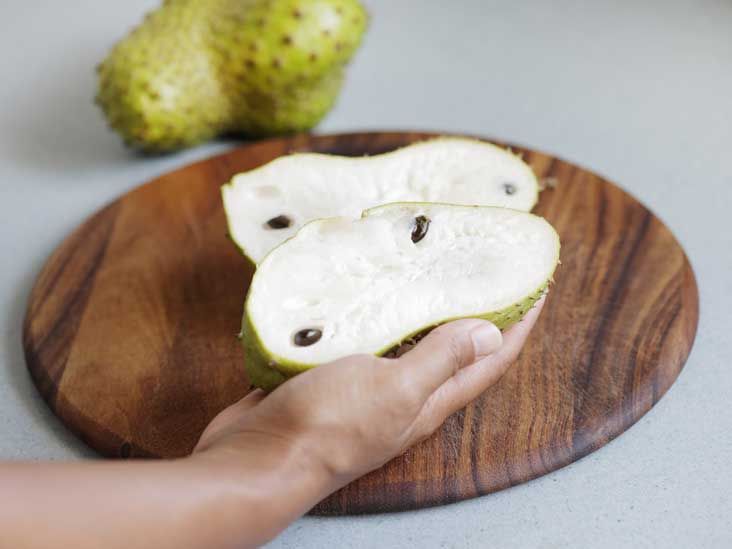
Soursop, also known as graviola, guanabana, Brazilian pawpaw, or by its scientific name Annona muricata, is the tropical fruit that looks like it was designed by a cactus, a pear, and a dragon after a very creative lunch meeting. With its green, spiky skin and creamy white flesh, soursop has become famous for its sweet-tart flavor and even more famous for the health claims attached to it.
In many tropical regions, soursop is enjoyed as fresh fruit, juice, smoothies, ice cream, sherbet, teas, and traditional herbal preparations. Online, however, it is often promoted with claims that range from reasonable nutrition talk to “please step away from the miracle cure button.” The truth sits in the middle: soursop is a nutrient-rich fruit with fiber, vitamin C, potassium, antioxidants, and traditional culinary value, but many of its medicinal claims still need stronger human research.
This guide takes a practical, evidence-minded look at soursop health benefits, graviola uses, possible risks, and smart ways to enjoy it without turning your kitchen into a tropical pharmacy.
What Is Soursop?
Soursop is the fruit of the Annona muricata tree, a tropical evergreen plant from the custard apple family. The fruit is usually large, oval or heart-shaped, green on the outside, and covered with soft-looking spines. Inside, the flesh is white, juicy, fibrous, and dotted with shiny black seeds that should not be eaten.
Flavor-wise, soursop is hard to describe without sounding like a fruit smoothie lost its passport. Many people compare it to a mix of pineapple, strawberry, banana, citrus, and mango, with a creamy texture that makes it especially good in drinks and frozen desserts.
Soursop vs. Graviola: Are They the Same?
Yes. “Soursop” usually refers to the fruit, while “graviola” is often used for the plant or supplement form, especially in herbal product marketing. “Guanabana” is common in Spanish-speaking communities. They all point to the same plant: Annona muricata.
Soursop Nutrition: What Does It Offer?
Soursop is not just a pretty spiky face. It contains several nutrients that support everyday health when eaten as part of a balanced diet. A typical serving of raw soursop provides carbohydrates for energy, dietary fiber for digestion, vitamin C for immune support, and minerals such as potassium and magnesium.
One of the biggest reasons soursop earns attention is its vitamin C content. Vitamin C acts as an antioxidant, helps support normal immune function, and plays a role in collagen production. The fruit also contains plant compounds such as flavonoids, tannins, phenolic compounds, and acetogenins, which researchers have studied for antioxidant and biological activity.
Still, nutrition is not magic. Eating soursop will not cancel out a diet built entirely on fries, soda, and “I’ll start Monday.” But as part of a varied eating pattern, it can be a flavorful way to add fruit, fiber, and plant compounds to your plate.
Potential Health Benefits of Soursop
The keyword here is potential. Many soursop benefits are supported by lab studies, animal research, traditional use, or early human data. That does not make them useless, but it does mean they should be viewed with healthy curiosity rather than wild applause.
1. May Support Digestive Health
Soursop contains dietary fiber, including both soluble and insoluble fiber. Fiber helps support regular bowel movements, feeds beneficial gut bacteria, and can help people feel full after eating. In plain English: your digestive system likes fiber because it keeps traffic moving without needing a whistle and a neon vest.
Using soursop in smoothies can be a simple way to enjoy the fruit while keeping its fiber. Straining it into a very smooth juice may remove some fiber, so people looking for digestive benefits may prefer blended pulp over clear juice.
2. Provides Antioxidants
Soursop contains antioxidants, including vitamin C and various plant compounds. Antioxidants help protect cells from oxidative stress, a process linked to normal aging and many chronic health concerns. This does not mean soursop is a shield of invincibility. It means it contributes to the wider antioxidant mix you get from fruits, vegetables, herbs, spices, legumes, nuts, and whole grains.
Researchers have studied soursop extracts for antioxidant activity, but extracts are not the same as eating the fruit. A concentrated capsule or leaf preparation can behave differently in the body than a reasonable serving of fresh soursop. Fruit first, supplement skepticism secondthat is the sensible order.
3. May Help With Inflammation Balance
Some lab and animal studies suggest soursop compounds may have anti-inflammatory effects. Inflammation is part of the body’s natural defense system, but long-term, uncontrolled inflammation can become a problem. Foods rich in antioxidants and phytonutrients may help support a healthier inflammatory response as part of a broader lifestyle.
That broader lifestyle matters. Soursop cannot outwork chronic sleep deprivation, constant stress, no exercise, and a diet that treats vegetables like decorative table confetti. It may support a healthy pattern, but it is not the whole pattern.
4. May Support Heart Health Through Potassium and Fiber
Soursop contains potassium, a mineral involved in fluid balance, muscle function, and normal blood pressure regulation. It also contains fiber, which can support heart health when included in a diet rich in fruits, vegetables, and minimally processed foods.
Some early research has examined soursop juice and blood pressure, with interesting results. However, people taking blood pressure medication should not use soursop products as a self-directed treatment. Because soursop may influence blood pressure, combining it with medication could potentially lead to unwanted effects.
5. May Affect Blood Sugar
Animal and test-tube studies have explored soursop extracts for possible effects on blood sugar and carbohydrate-digesting enzymes. This has made graviola popular in discussions about diabetes and metabolic health.
Here is the important part: early findings do not equal a treatment plan. People with diabetes, prediabetes, or blood sugar concerns should talk with a healthcare professional before using soursop leaf tea, extracts, or supplements. Fresh fruit may fit into many eating plans, but portion size and total carbohydrate intake still matter.
6. May Have Antibacterial Properties in Lab Studies
Soursop leaf and fruit extracts have been tested against certain bacteria in laboratory settings. Some studies suggest antimicrobial activity, including against microbes related to oral health. That sounds exciting, but it does not mean chewing soursop replaces brushing your teeth. Your toothbrush is safe; it is not being laid off today.
Lab studies are useful because they show what plant compounds can do under controlled conditions. Human health, however, is more complicated than a petri dish. More research is needed before soursop can be recommended for infection prevention or treatment.
7. What About Soursop and Cancer?
This is the most searchedand most misunderstoodpart of the graviola conversation. Some compounds in soursop have shown anticancer activity in test-tube and animal studies. Researchers have looked at soursop extracts in relation to different cancer cell lines, including breast, colon, lung, prostate, pancreatic, liver, and skin cancer cells.
But there is a giant scientific speed bump: human clinical evidence is lacking. A substance can affect cancer cells in a lab and still fail to become a safe, effective treatment in real people. Dosage, absorption, toxicity, interactions, and tumor biology all matter.
Soursop should not be used as a replacement for evidence-based cancer treatment. Anyone undergoing cancer care should speak with their oncology team before using graviola tea, capsules, extracts, powders, or other supplements. This is especially important because supplements can interact with medications, affect lab tests, or create safety issues during treatment.
Common Uses of Soursop
Soursop is used in both food and traditional wellness practices. The safest and most enjoyable use is usually the simplest: eat the ripe fruit in normal food amounts.
Fresh Soursop Fruit
Fresh soursop can be scooped out with a spoon, blended into smoothies, or stirred into yogurt. The texture is soft and fibrous, so it works better in creamy recipes than in neat fruit salads. Think “tropical pudding energy,” not “perfect little cubes for a magazine photo shoot.”
Soursop Juice and Smoothies
Soursop juice is popular in the Caribbean, Latin America, Southeast Asia, and tropical food markets in the United States. To make a simple smoothie, blend ripe soursop pulp with water, milk, coconut milk, or yogurt. Add a little lime juice if you like a brighter flavor.
Soursop Tea
Soursop leaf tea is used traditionally in some cultures, but it deserves more caution than the fruit. Leaves can contain higher concentrations of active compounds than the edible pulp. Frequent or high-dose use is not well studied, and some safety concerns have been raised around long-term intake of graviola preparations.
Soursop Supplements
Graviola capsules, powders, tinctures, and extracts are widely sold online. These products are not the same as eating fruit. Supplements may vary in strength, purity, plant part used, and quality testing. In the United States, dietary supplements are regulated differently from prescription drugs and are not approved by the FDA for safety and effectiveness before sale.
If a product claims to cure cancer, reverse diabetes, erase infections, detox every organ, or make your mitochondria write thank-you notes, treat it with caution. Strong claims require strong evidence, not just a dramatic label and a leaf graphic.
Possible Side Effects and Safety Concerns
Soursop fruit in normal food amounts is commonly eaten in many cultures. The bigger concerns involve seeds, frequent leaf tea consumption, concentrated extracts, and supplement use.
Avoid Eating the Seeds
The shiny black seeds inside soursop should be removed and not eaten. They are not used like chia seeds or sesame seeds. They are a “nope, remove those” situation.
Neurological Concerns
Some research has raised concerns about annonacin and other compounds found in plants from the Annonaceae family. Long-term, high intake of certain graviola products has been discussed in relation to movement disorders resembling Parkinson’s disease, especially in observational research from tropical regions. The evidence is not simple, and causation is difficult to prove, but the safety signal is strong enough to justify moderation.
People with Parkinson’s disease, movement disorders, neurological conditions, or a family history of these problems should be especially cautious and should consult a healthcare professional before using graviola products.
Medication Interactions
Soursop may affect blood pressure and blood sugar in ways that could matter for people taking antihypertensive or diabetes medications. Some sources also caution that graviola may interact with certain drugs or tests. If you take prescription medication, especially for blood pressure, diabetes, seizures, or cancer treatment, ask a healthcare professional before using graviola supplements or frequent soursop leaf tea.
Pregnancy and Breastfeeding
Because safety data are limited, graviola supplements and medicinal preparations are generally not recommended during pregnancy or breastfeeding. When research is thin, caution is not boring; it is smart.
How to Choose and Prepare Soursop
A ripe soursop usually has skin that turns from deep green to a lighter yellowish-green. It should give slightly under gentle pressure, similar to a ripe avocado or peach. If it feels rock-hard, it needs more time. If it is mushy, leaking, or smells fermented, it has probably moved from “delicious” to “science project.”
Simple Preparation Steps
- Wash the outside of the fruit.
- Cut it lengthwise with a clean knife.
- Scoop out the white flesh.
- Remove and discard all black seeds.
- Eat the pulp fresh or blend it into drinks, sauces, or desserts.
Easy Ways to Use Soursop
- Blend with coconut milk and ice for a creamy tropical smoothie.
- Mix with plain yogurt and a little honey for a quick snack.
- Freeze blended pulp into popsicles.
- Use it in sorbet, sherbet, or homemade ice cream.
- Add lime juice and cold water for a refreshing drink.
- Blend with banana for extra creaminess.
Who Should Be Careful With Soursop?
Most healthy adults can enjoy soursop fruit occasionally as food. However, caution is wise for people who are pregnant or breastfeeding, people with neurological conditions, people taking blood pressure medication, people taking diabetes medication, people undergoing cancer treatment, and anyone considering concentrated graviola supplements.
Children and teens should avoid using herbal supplements unless a qualified healthcare professional recommends them. Eating fruit is one thing; experimenting with strong extracts because a social media post sounded confident is another thing entirely.
Smart Takeaway: Fruit, Not Miracle Cure
Soursop is a fascinating fruit with real nutritional value and promising early research. It may support digestion, provide antioxidants, contribute to heart-friendly eating patterns, and offer plant compounds that scientists are still studying. But it is not a proven treatment for cancer, diabetes, infections, high blood pressure, or any serious medical condition.
The best way to enjoy soursop is as a delicious fruit, not as a substitute for medical care. Use the pulp in smoothies, desserts, and drinks. Remove the seeds. Be cautious with leaf teas and supplements. And when in doubt, ask a healthcare professionalpreferably one who does not get their medical degree from a comment section.
Personal Experiences and Practical Notes About Soursop
Trying soursop for the first time can feel a little dramatic. The fruit looks intimidating on the outside, almost like it wants to guard a castle, but once opened, the soft white flesh is surprisingly gentle. Many people expect something sharply sour because of the name, but ripe soursop is usually more balanced: sweet, creamy, tropical, and tangy enough to keep things interesting.
One common first-time experience is confusion over ripeness. An unripe soursop can be firm, bland, and disappointing. A properly ripe one should feel slightly soft when pressed. If you buy it from a specialty market, it may need a day or two on the counter. Once ripe, it should be used fairly quickly because soursop does not wait around politely like an apple. It ripens, softens, and then quickly heads toward overripe territory.
The easiest beginner-friendly use is a smoothie. Scoop out the pulp, remove every seed, and blend it with cold water or milk. Coconut milk makes it richer, while lime juice makes the flavor brighter. Some people add a small amount of honey, but ripe soursop is often sweet enough on its own. If the texture feels too fibrous, strain part of itbut keep in mind that straining removes some of the fiber.
Another practical experience: soursop is messy in a lovable way. The pulp clings to the seeds, the fibers do not always cooperate, and the kitchen may briefly look like a tropical fruit had a small personal crisis. A bowl, spoon, and clean hands are often more useful than trying to cut it into perfect pieces. This fruit was not built for tiny cubes; it was built for blending, scooping, freezing, and turning into creamy desserts.
People who grew up with soursop often associate it with homemade juice, family kitchens, hot weather, and chilled drinks served in tall glasses. For newcomers, that is the best way to approach it: as food with cultural history and flavor, not as an internet miracle. The experience becomes much better when expectations are realistic. You are not drinking a cure-all. You are enjoying a tropical fruit that tastes like pineapple and strawberry decided to take a vacation together.
For wellness-minded readers, the most useful habit is moderation. Enjoy soursop occasionally, rotate it with other fruits, and avoid turning any single food into a daily obsession. Blueberries are great, oranges are great, mangoes are great, and soursop can join the party without being crowned king of the universe. Health usually comes from patterns, not from one heroic fruit wearing a cape.
If you are curious about soursop leaf tea or graviola supplements, the experience should be more cautious. These products can be stronger than the fruit and may not be well standardized. Labels may not clearly explain which plant part was used or how concentrated the extract is. A reasonable personal rule is simple: eat the fruit for enjoyment, but ask a healthcare professional before using graviola medicinally, especially if you have a health condition or take medication.
In the end, soursop is worth trying because it is delicious, versatile, and nutritionally interesting. It belongs in smoothies, frozen desserts, juices, and curious kitchens. Treat it with respect, remove the seeds, skip the exaggerated claims, and let this spiky tropical fruit do what it does best: taste amazing without needing to pretend it is a doctor.
Conclusion
Soursop, or graviola, is a tropical fruit with a creamy texture, sweet-tart flavor, and a growing reputation in the wellness world. It contains fiber, vitamin C, potassium, and antioxidant plant compounds, making it a valuable addition to a varied diet. Early research suggests possible benefits related to inflammation, digestion, blood pressure, blood sugar, bacteria, and cancer cell activity in lab settings. However, many claims remain unproven in humans, and concentrated graviola products require caution.
The safest message is also the most practical: enjoy soursop as a fruit, not as a miracle cure. Use it in smoothies, juices, desserts, and snacks. Avoid the seeds. Be careful with leaf teas and supplements. If you have a medical condition, take medication, are pregnant or breastfeeding, or are undergoing cancer treatment, speak with a qualified healthcare professional before using graviola products.
Editorial note: This article is for educational purposes only and does not replace professional medical advice, diagnosis, or treatment.