Invisible disabilities are a little like Wi-Fi: you cannot always see them, but when the signal drops, everything gets harder. The problem is that people are much kinder to a buffering laptop than they often are to a human being who needs extra time, flexible support, a quiet room, a seat on the train, or the freedom to cancel plans without being cross-examined like a suspect in a crime drama.
When most people hear the word “disability,” they picture something visible: a wheelchair, a cane, a service dog, a hearing aid, or a mobility device. Those tools matter, and so do the people who use them. But disability is far broader than what the eye can detect in three seconds. Many people live with chronic pain, autoimmune disease, neurological conditions, mental health conditions, learning disabilities, digestive disorders, postural disorders, traumatic brain injuries, diabetes, epilepsy, hearing loss, low vision, long COVID, autism, ADHD, or fatigue-related illnesses that are not obvious from the outside.
That gap between what others can see and what a person is actually managing is exactly why invisible disability awareness matters. Without awareness, people are mislabeled as lazy, dramatic, unreliable, antisocial, rude, too sensitive, or “just looking for special treatment.” With awareness, we can replace suspicion with understanding, awkward silence with practical help, and outdated assumptions with real inclusion.
What Are Invisible Disabilities?
An invisible disability, sometimes called a hidden disability or non-apparent disability, is a physical, mental, cognitive, sensory, or neurological condition that can limit major life activities but may not be immediately noticeable to other people. The key word is “may.” Some disabilities are invisible all the time. Others are visible only during flare-ups, after exertion, in certain environments, or when a person uses assistive tools.
For example, someone with multiple sclerosis may look perfectly fine while walking into a grocery store, then suddenly struggle with balance, heat sensitivity, or crushing fatigue. A person with Crohn’s disease may appear healthy in a meeting but be managing severe pain and urgent restroom needs. Someone with anxiety, PTSD, autism, ADHD, or a traumatic brain injury may be working incredibly hard to process noise, instructions, social cues, deadlines, or unexpected changes while everyone else assumes they are “not paying attention.”
The invisibility creates a social trap. If a person does not disclose their disability, they may be judged for symptoms others do not understand. If they do disclose it, they may be doubted, pitied, over-questioned, or treated differently. That is a terrible menu. Nobody ordered the “prove your pain” platter.
Why Invisible Disability Awareness Is So Important
Awareness is not about giving everyone a medical degree over lunch. It is about building a culture where people do not have to perform suffering to be believed. Invisible disability awareness helps families, schools, workplaces, healthcare systems, businesses, and communities respond with common sense instead of suspicion.
1. Awareness Reduces Stigma
Stigma is one of the heaviest parts of an invisible disability because it adds a second burden on top of the condition itself. A person may already be dealing with pain, fatigue, brain fog, dizziness, panic, sensory overload, depression, or medication side effects. Then they must also deal with comments like “But you don’t look sick,” “Everyone gets tired,” “You were fine yesterday,” or the classic greatest hit: “Have you tried yoga?”
Yoga can be wonderful. So can water, sleep, therapy, medication, physical therapy, and a good sandwich. But casual advice can become dismissive when it ignores the complexity of a person’s lived experience. Awareness reminds us that invisible does not mean imaginary, mild, or optional.
2. Awareness Improves Access to Accommodations
Invisible disabilities often require accommodations that are simple, affordable, and highly effective. In the workplace, that may mean flexible scheduling, remote work options, written instructions, modified lighting, noise reduction, extra breaks, permission to sit, accessible restrooms, adjusted deadlines, or assistive technology. In schools, it may mean extended test time, note-taking support, quiet testing spaces, movement breaks, or clear written expectations.
These accommodations are not luxury upgrades. They are ramps for conditions that may not come with a visible ramp-shaped problem. A flexible start time for someone with a sleep disorder or chronic pain can be the difference between keeping a job and losing one. Written instructions for someone with ADHD or a processing disorder can prevent mistakes, reduce stress, and improve performance. Everyone wins, including the person who no longer has to pretend their brain is a perfectly organized filing cabinet guarded by tiny office elves.
3. Awareness Makes Public Spaces More Humane
Public spaces can be surprisingly hostile to invisible disabilities. Bright lights, loud announcements, long lines, crowded waiting rooms, inaccessible restrooms, strong fragrances, confusing signage, and rigid rules can turn an ordinary errand into an obstacle course. A person with POTS may need to sit down while waiting. Someone with diabetes may need to eat or take medication at a specific time. A person with sensory sensitivities may need quiet space. Someone with chronic illness may need to leave suddenly without explaining their entire medical history to a stranger in a polo shirt.
When businesses and public institutions understand invisible disabilities, they can design better systems: clear signage, seating, flexible policies, staff training, accessible websites, quiet hours, and respectful ways to request assistance. Inclusion is not just an elevator or a parking space. It is also the way a person is treated when their needs are not obvious.
Common Types of Invisible Disabilities
Invisible disabilities are not one single category. They include many different conditions with different symptoms, treatments, and impacts. Some people have one condition; others have several. Some symptoms are constant; others flare unpredictably. That unpredictability is one reason invisible disabilities are so often misunderstood.
Chronic Pain and Fatigue Conditions
Chronic pain can affect concentration, sleep, movement, mood, and work capacity. Conditions such as fibromyalgia, arthritis, migraine, endometriosis, back disorders, neuropathy, and complex regional pain syndrome can be disabling even when there is no cast, brace, or visible injury. Chronic fatigue syndrome, long COVID, autoimmune diseases, and other energy-limiting conditions can also make ordinary activities feel like running a marathon while carrying a refrigerator. A very rude refrigerator.
Mental Health Conditions
Depression, anxiety disorders, PTSD, bipolar disorder, obsessive-compulsive disorder, and other mental health conditions can affect sleep, focus, memory, communication, energy, and daily functioning. Mental health disabilities are especially vulnerable to stigma because people may mistake symptoms for personality flaws. Someone who cancels plans may not be careless. Someone who seems quiet may not be unfriendly. Someone who needs time away from a stressful environment may be using a coping strategy that keeps them well enough to participate.
Neurodevelopmental and Cognitive Disabilities
Autism, ADHD, dyslexia, dyspraxia, learning disabilities, traumatic brain injury, and processing disorders can influence communication, attention, reading, planning, sensory processing, memory, or executive functioning. A person may be extremely capable and still need support. Intelligence and disability are not opposites. In fact, many people with invisible cognitive or neurological disabilities are creative, skilled, and deeply insightful because they have spent years solving problems that other people never notice.
Digestive, Immune, and Metabolic Conditions
Conditions such as Crohn’s disease, ulcerative colitis, irritable bowel syndrome, celiac disease, lupus, rheumatoid arthritis, diabetes, epilepsy, kidney disease, and thyroid disorders may not be visible, but they can shape every hour of a person’s day. Medication schedules, diet restrictions, pain, fatigue, blood sugar changes, immune suppression, seizures, or urgent symptoms can all affect school, work, travel, and social life.
Sensory Disabilities That Are Not Always Obvious
Hearing loss, low vision, vestibular disorders, tinnitus, auditory processing disorder, and sensory processing differences may not be visible at first glance. Someone may miss spoken instructions in a noisy room, avoid eye contact to concentrate, use captions, need brighter lighting, or become overwhelmed by sound. These needs are not preferences in fancy shoes. They are access needs.
The Problem With “But You Don’t Look Disabled”
“You don’t look disabled” is often meant as reassurance, but it lands like a tiny emotional cactus. It suggests that disability has a required appearance, and if someone fails the visual test, their experience is questionable. That puts people in the exhausting position of having to prove something deeply personal.
A better response is simple: believe people. If someone says they need a seat, a break, a captioned video, a quieter space, a flexible schedule, or extra time, start with trust. You do not need to audit their medical records. You do not need to become Detective Discomfort. You can simply say, “Thanks for telling me. What would help?”
It is also important to understand that disability can fluctuate. A person may walk one day and use a wheelchair the next. They may attend a birthday party on Saturday and spend Sunday in bed recovering. They may look energetic for one hour because they carefully planned, rested, medicated, and smiled through symptoms. A good day does not cancel a diagnosis. It is just a good day. Let people have those without turning them into courtroom evidence.
Invisible Disabilities in the Workplace
Workplaces are one of the most important places to improve invisible disability awareness because employment affects income, health insurance, independence, and identity. Many employees with invisible disabilities worry that disclosure will lead to judgment, fewer opportunities, gossip, or being seen as less committed. This fear is not irrational. It is often learned from experience.
Employers can make a major difference by creating clear accommodation processes, training managers, protecting confidentiality, and focusing on outcomes rather than outdated ideas of “professionalism.” For example, sitting during a presentation should not be treated as laziness. Wearing noise-canceling headphones should not be treated as rudeness. Working from home during symptom flares should not be treated as a suspicious vacation package.
Good management asks: What helps this person do their job well? The answer may be surprisingly practical. Written meeting notes. Predictable schedules. Break flexibility. Reduced sensory triggers. A private workspace. Permission to keep medication nearby. A modified attendance policy. These supports can improve productivity, retention, morale, and trust.
Invisible Disabilities in Schools and Colleges
Students with invisible disabilities may face a different version of the same problem. Teachers and classmates may misread symptoms as laziness, disorganization, defiance, or lack of motivation. A student with dyslexia may need more time to read. A student with ADHD may need structured instructions. A student with chronic illness may miss class because of medical appointments or flares. A student with anxiety may know the material but freeze during tests.
When schools normalize support, students are more likely to ask for help before they fall behind. Accessibility should not depend on whether a student can repeatedly explain their disability to every new teacher, professor, coach, or administrator. Clear policies, disability services, flexible attendance options, accessible materials, and anti-stigma education can help students learn without spending all their energy defending their needs.
How Families and Friends Can Be More Supportive
Support does not require perfection. Nobody expects every friend or family member to speak fluent disability etiquette overnight. The goal is to be curious, respectful, and willing to learn. Start by listening without trying to fix everything. Sometimes the most helpful sentence is, “I believe you.” Another excellent sentence is, “Do you want advice, help, or just someone to listen?” This sentence deserves a tiny trophy.
Friends and family can also make plans more accessible. Offer flexible timing. Choose quieter restaurants. Avoid shaming someone for leaving early. Understand that canceled plans may reflect symptoms, not lack of love. Invite people even if they often say no, but do not pressure them to explain. Inclusion means keeping the door open without making people crawl through it emotionally.
How Businesses Can Build Invisible Disability Awareness
Businesses often think accessibility begins and ends with physical design. Physical access is essential, but invisible disability access requires policy and culture too. Staff should know how to respond respectfully when someone asks for help. Websites should be readable, navigable, and compatible with assistive technology. Videos should have captions. Forms should be clear. Customer service should offer more than one way to communicate.
Small changes can make a big difference. A store can provide seating near checkout lines. A clinic can allow patients to wait in a quieter area. An event organizer can publish sensory information in advance. A restaurant can make ingredient information easy to find. A gym can train staff not to question why a young-looking person needs modifications. These steps do not only help people with disabilities. They improve the experience for older adults, pregnant people, injured people, overwhelmed parents, and anyone having a rough day in a human body.
Language Matters: Words Can Open Doors or Slam Them
Language shapes whether people feel safe asking for support. Avoid phrases that minimize or interrogate someone’s experience, such as “You look normal,” “It could be worse,” “Everyone has problems,” or “Are you sure you need that?” Instead, use language that respects autonomy: “Thanks for letting me know,” “What access support would help?” or “I’m glad you told me.”
It is also wise to respect how people describe themselves. Some prefer “disabled person.” Others prefer “person with a disability.” Some use “invisible disability,” while others prefer “non-apparent disability” because their symptoms may be very real and sometimes visible, just not recognized. When in doubt, follow the person’s lead. Grammar is important, but dignity is the main character.
How To Bring Awareness To Invisible Disabilities
Share Accurate Information
Awareness starts with education. Share reliable information about hidden disabilities, chronic illness, mental health, neurodiversity, accessibility, and disability rights. Avoid turning one person’s story into a universal rule. Invisible disabilities vary widely, and two people with the same diagnosis may need very different support.
Normalize Accommodations
Accommodations should not be treated like dramatic exceptions. They are ordinary tools that help people participate. Captions help people who are deaf or hard of hearing, but they also help someone watching a video in a noisy room. Flexible work helps disabled employees, but it can also improve productivity for caregivers and people with temporary injuries. Accessibility is often a universal upgrade wearing a disability-rights jacket.
Challenge Harmful Assumptions
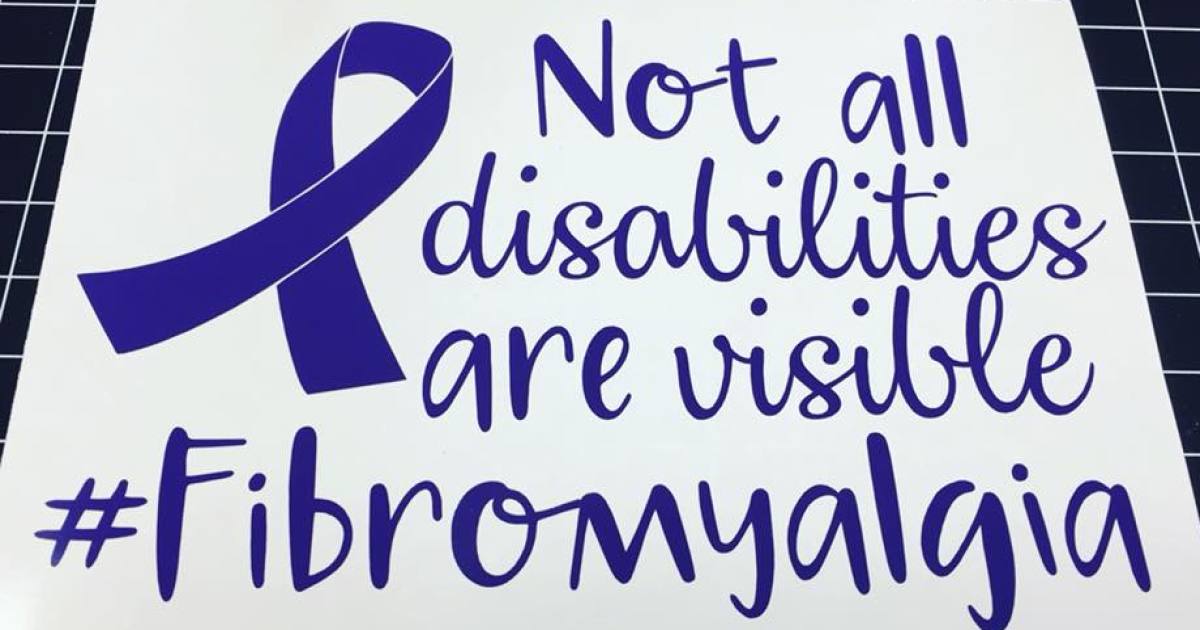
If you hear someone say, “They’re just lazy,” “They’re faking,” or “They don’t look sick,” challenge it calmly. You do not need a speech worthy of a courtroom finale. Try: “Not all disabilities are visible,” or “We may not know what they’re dealing with.” Small corrections can shift culture, especially when they happen consistently.
Make Room for Disabled Voices
Nothing about us without us is more than a slogan. Awareness efforts should include people who live with invisible disabilities. Invite disabled speakers, writers, employees, students, patients, and advocates into planning conversations. Pay them for their expertise when appropriate. Lived experience is not decorative. It is data with a heartbeat.
Real-Life Experiences That Show Why Awareness Matters
Consider the employee who has migraine disease. On the outside, she looks organized, sharp, and ready for the day. Inside, fluorescent lights feel like tiny lightning bolts rehearsing for a rock concert. She does not need pity. She needs a workspace with softer lighting, permission to wear tinted glasses, and the ability to step away when symptoms spike. Without awareness, coworkers may think she is difficult. With awareness, the team understands that a small adjustment keeps a talented person doing excellent work.
Think about the college student with ADHD who studies for hours but still misses assignment details buried in long paragraphs. He is not careless. His brain sorts information differently, especially under stress. A professor who provides written checklists, clear deadlines, and examples of finished work may completely change that student’s semester. The student still has to do the work, of course. Accommodations do not write essays in the night like magical academic raccoons. They simply make the task accessible.
Picture a parent with lupus who attends a school event smiling, chatting, and cheering for their child. Other parents see a healthy adult. They do not see the careful planning: resting before the event, managing medication, avoiding sun exposure, saving energy, and knowing that tomorrow may be a recovery day. When this parent declines a volunteer shift or leaves early, awareness prevents judgment. It helps the community respond with flexibility instead of whispers.
Now imagine a teenager with anxiety who becomes quiet in crowded spaces. People may think she is aloof or rude. In reality, she is managing a nervous system that has decided the cafeteria is a five-alarm emergency. A trusted teacher, a quieter lunch option, or permission to step into the hallway can help her stay engaged in school instead of avoiding it. The goal is not to bubble-wrap life. The goal is to give people tools so they can participate without being crushed by preventable stress.
There is also the traveler with Crohn’s disease who maps restroom locations before leaving home. The person with diabetes who carries snacks and supplies everywhere. The veteran with PTSD who sits facing the door in restaurants. The autistic adult who wears headphones at the grocery store. The person with long COVID who looks fine during a short conversation but has to ration energy for basic tasks. These experiences are common, but they are often hidden because society has taught people that needing help can invite judgment.
Awareness changes that. It tells people they do not have to earn compassion by looking sick enough. It teaches communities to design spaces where access is built in, not begged for. It reminds us that independence does not mean doing everything alone; it means having the right tools, rights, respect, and choices. Most of all, it asks us to become better observers of humanity. Not nosier observers. Better ones.
Conclusion: Believe People, Build Access, Be Less Weird About It
Invisible disabilities are real, common, and deeply varied. They affect people at work, school, home, in public spaces, and in relationships. The fact that a disability cannot be seen immediately does not make it less serious. It simply means the rest of us need to stop using visibility as the entrance exam for empathy.
Bringing awareness to invisible disabilities is not about walking on eggshells or treating disabled people like fragile antiques. It is about respect, flexibility, and practical inclusion. Believe people when they describe their needs. Support accommodations without turning them into gossip. Design systems that work for more bodies and brains. Challenge lazy assumptions. Listen to disabled voices. And remember that a person’s smile, outfit, job title, age, or good day does not tell the full story.
Note: This article is for awareness and educational purposes. It should not replace professional medical, legal, or mental health advice. For personal guidance, readers should consult qualified professionals or appropriate disability-rights resources.