That hot, sour feeling rising from your stomach can turn an ordinary afternoon into a personal argument with your digestive system. When heartburn or acid indigestion strikes, it is tempting to search the kitchen for something that will “cancel out” the acid immediately.
Here is the important reality: food does not reliably neutralize stomach acid as quickly as an antacid medication. However, certain low-acid, low-fat, water-rich, and fiber-containing foods may feel soothing, satisfy hunger without overfilling the stomach, and reduce the chance of making reflux worse. Think of them as the diplomatic team sent in to calm the situationnot a tiny fire department carrying chemical extinguishers.
What Does “Stomach Acidity” Actually Mean?
People commonly use the phrase stomach acidity to describe heartburn, sour burps, upper-abdominal discomfort, regurgitation, or a burning sensation behind the breastbone. These symptoms may come from gastroesophageal reflux, which occurs when stomach contents move backward into the esophagus. Occasional reflux is common, but frequent or troublesome episodes may indicate gastroesophageal reflux disease, better known as GERD.
The stomach is designed to tolerate acid. The esophagus is not. When acidic stomach contents travel upward, they can irritate the esophageal lining and create the familiar burning feeling called heartburn. A large meal, high-fat food, lying down after eating, alcohol, caffeine, chocolate, peppermint, tomatoes, citrus, or spicy food can aggravate symptoms in some people. Triggers vary, so your coworker’s “miracle reflux diet” may be your stomach’s latest practical joke.
Can Food Quickly Neutralize Stomach Acid?
Not in the same way medication can. Antacids contain ingredients that chemically neutralize acid already present in the stomach. H2 blockers and proton pump inhibitors work differently by reducing acid production. Foods do not provide the same predictable effect, and repeatedly treating unexplained symptoms with home remedies can delay an appropriate diagnosis.
Still, food choices matter. Low-fat meals are generally less likely to trigger reflux than greasy meals, while non-citrus fruits, vegetables, and whole grains are commonly included in reflux-friendly eating patterns. Water-rich foods may also feel lighter than dense, fatty dishes. The goal is not to switch off stomach acidit performs an important digestive jobbut to avoid provoking reflux and give irritated tissues a quieter evening.
Eight Foods That May Help Calm Stomach Acidity
1. Ripe Bananas
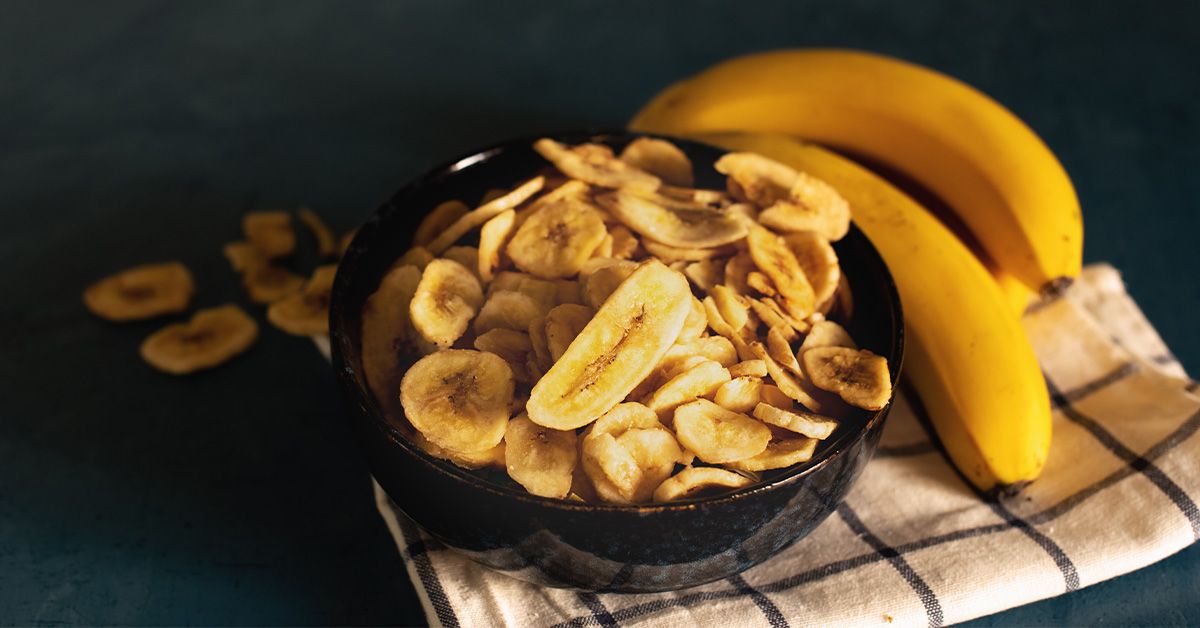
Bananas are non-citrus fruits with relatively low acidity, making them a convenient option when oranges, grapefruit, or pineapple seem to trigger burning. Their soft texture also makes them easy to eat when your upper digestive tract feels irritated. Johns Hopkins includes bananas among higher-pH foods that may be friendlier to people with acid reflux.
For a quick snack, eat one small ripe banana slowly. You can also slice it over plain oatmeal. Skip chocolate sauce, peppermint-flavored toppings, and a mountain of whipped cream unless your goal is to invite the heartburn back for an encore.
Watch for: A minority of people report that bananas worsen bloating or reflux. Personal tolerance matters more than any universal “safe food” list.
2. Plain Oatmeal
Oatmeal is a whole-grain food that provides fiber without the grease found in many breakfast sandwiches, pastries, or fried foods. Whole grains, including oatmeal and brown rice, are commonly recommended as reflux-friendly alternatives to high-fat meals. Fiber-containing foods may also help you feel satisfied with a moderate portion rather than eating until your waistband files a formal complaint.
Prepare rolled or steel-cut oats with water or low-fat milk if dairy does not trigger symptoms. Add banana or melon for sweetness. Avoid loading the bowl with butter, heavy cream, chocolate chips, or large amounts of brown sugar.
Quick serving idea: Try half a cup to one cup of cooked oatmeal. Eat slowly and pause before deciding whether you need seconds.
3. Melons
Watermelon, cantaloupe, and honeydew are less acidic than citrus fruits and have a high water content. This combination makes melon a refreshing choice for people who notice that orange juice, lemonade, or grapefruit causes burning. Melons are specifically included among the alkaline or low-acid food choices discussed in reflux-friendly guidance from Johns Hopkins and Mayo Clinic.
Start with a modest bowl rather than eating half a watermelon in one heroic sitting. Even gentle foods can cause pressure, belching, and reflux when the portion is enormous.
Best approach: Eat fresh melon by itself or with plain oatmeal. Avoid combining it with acidic fruit juice, mint syrup, or a rich cream topping during a flare.
4. Cucumber
Cucumber is mostly water, low in fat, and naturally mild. Those qualities make it a useful replacement for acidic pickles, tomato-heavy salads, hot salsa, or greasy chips. Water-rich foods are often included in reflux-friendly meal plans because they add volume without large amounts of fat.
Peel the cucumber if its skin feels difficult to digest. Eat a small portion plain, add it to leafy greens, or combine it with a modest spoonful of plain low-fat yogurt if dairy agrees with you.
Do not confuse the two: Fresh cucumber may be gentle, but cucumber pickles are acidic and can be seasoned with garlic, chili, or vinegarall potential triggers for sensitive people.
5. Leafy Green Vegetables
Spinach, lettuce, kale, Swiss chard, and similar leafy vegetables are naturally low in fat and acidity. They can help form the base of a lighter meal that is less likely to provoke reflux than pizza, fried chicken, or a cheeseburger. Green vegetables and other low-acid plant foods are frequently recommended as part of a balanced GERD-conscious diet.
The preparation method matters. Steamed spinach is not the same digestive proposition as creamed spinach loaded with butter and cheese. Choose steamed, lightly sautéed, or fresh greens, depending on what your stomach tolerates.
Dressing warning: Lemon juice, vinegar, tomato-based dressing, raw onion, and garlic may turn an otherwise gentle salad into a reflux obstacle course. Use a small amount of mild, low-fat dressing instead.
6. Fennel
Fennel has a crisp texture and a mild licorice-like flavor. It is listed among higher-pH foods that may help offset an acid-heavy meal and is naturally low in fat. Its subtle flavor can also make a meal interesting without relying on hot peppers, tomato sauce, or heavy seasoning.
Slice the bulb thinly and add a small amount to a salad, roast it until tender, or simmer it in a light soup. Although fennel has a distinctive flavor, it is not the same as peppermint, which is a recognized reflux trigger for some people.
Portion tip: Begin with a few cooked slices. Suddenly eating a huge amount of any high-fiber vegetable can create gas and abdominal pressure.
7. Plain Low-Fat Yogurt
Plain low-fat or nonfat yogurt can be a soft, convenient snack for people who tolerate dairy. Choosing a low-fat version is important because high-fat dairy products may linger longer in the stomach and aggravate reflux. MedlinePlus includes low-fat dairy among foods that may be used in a bland eating pattern for heartburn or GERD symptoms.
Choose yogurt without chocolate, peppermint, citrus, or large amounts of added sugar. A few banana slices can provide sweetness without turning the snack into dessert wearing a fake health-food mustache.
Watch for: Yogurt is naturally acidic, and dairy can trigger symptoms in some people. It does not chemically neutralize stomach acid. Stop eating it if it increases burning, bloating, or regurgitation.
8. Baked Sweet Potato
A plain baked or steamed sweet potato provides carbohydrates and fiber without the acidity of tomato-based dishes or the fat of french fries. It can be especially useful when you need something more substantial than fruit but do not want a heavy meal sitting in your stomach for hours.
Serve a medium portion plain or with a small amount of low-fat yogurt. Avoid butter, bacon, hot sauce, heavy cheese, and sour cream during a reflux flare. The sweet potato is trying to help; there is no need to bury it under the entire menu of a sports bar.
Preparation matters: Baking, steaming, or mashing without excessive fat is generally a better choice than deep-frying. Lower-fat cooking methods are consistently recommended for people managing reflux symptoms.
A Quick Reflux-Friendly Snack Formula
When mild heartburn appears and you are genuinely hungry, build a small snack from one soft carbohydrate and one low-acid fruit or vegetable. Practical combinations include:
- Plain oatmeal with sliced banana
- A small baked sweet potato with steamed spinach
- Melon with a modest serving of plain low-fat yogurt
- Cucumber and leafy greens with a mild low-fat dressing
- Roasted fennel alongside a small portion of brown rice
Keep the serving moderate, chew thoroughly, and eat slowly. Large meals stretch the stomach and make it easier for stomach contents to move upward. Smaller meals, remaining upright after eating, and avoiding food for two to three hours before bedtime are widely recommended strategies for reducing reflux.
What to Avoid During an Acid Reflux Flare
Choosing soothing foods helps, but avoiding likely triggers may matter even more. Common triggers include fried or fatty foods, chocolate, coffee, caffeinated drinks, alcohol, peppermint, spicy dishes, tomato products, citrus fruits, carbonated beverages, onions, and garlic. Not every person reacts to every item, so use this list as a starting point rather than a lifetime sentence to flavorless food.
Also avoid lying flat immediately after eating. Stay upright and give your stomach time to empty. Tight clothing around the waist can add pressure to the abdomen, while late-night meals make it easier for reflux to occur once you lie down.
When Food Is Not Enough
Occasional heartburn may improve with portion control, trigger avoidance, and over-the-counter treatment used according to the label. However, symptoms that occur frequently, interrupt sleep, continue despite dietary changes, or require repeated medication deserve medical evaluation.
Contact a health professional promptly if you experience painful or difficult swallowing, persistent vomiting, loss of appetite, unexplained weight loss, vomiting blood, black stools, or signs of gastrointestinal bleeding. Chest pain should not automatically be blamed on heartburn, particularly when it occurs with shortness of breath, sweating, dizziness, or pain spreading to the arm, shoulder, neck, back, or jaw.
Practical Experience: A Seven-Day Stomach-Acidity Experiment
Because reflux triggers differ from person to person, the most useful “experience” is often a structured food experiment rather than randomly eating bananas every time your chest feels warm. Consider a common scenario: someone experiences heartburn three evenings a week, usually after dinner. The person assumes spicy food is the only cause, but dinner also tends to be the largest meal of the day, contains plenty of fat, and is followed by immediate sofa time.
On the first day, the person changes only the dinner portion. Instead of a large plate of fried food, the meal includes a small baked sweet potato, steamed leafy greens, and lean grilled protein. The person remains upright afterward. Symptoms are milder, although this single result proves nothing. One peaceful evening does not make a scientific revolution.
On day two, oatmeal and banana replace a buttery breakfast pastry. Lunch stays unchanged, while dinner is served three hours before bed. That night, there is no burning. The food diary records meal size, ingredients, eating time, body position, stress level, and symptoms. Recording these details is important because people often blame the final bite they ate while ignoring the giant meal, two coffees, tight pants, and post-dinner nap that came with it.
On day three, plain low-fat yogurt is tested. Within an hour, bloating develops. Yogurt may be a reasonable choice for many people, but this individual appears sensitive to dairy or the particular product. The yogurt is removed rather than being defended as a “healthy food” that the stomach is morally required to appreciate.
Days four and five test melon, cucumber, cooked fennel, oatmeal, and smaller portions. Symptoms remain quiet. On day six, tomato sauce is deliberately reintroduced at lunch in a moderate serving. Burning returns. The result does not prove tomatoes are universally bad; it suggests that tomato sauce may be a personal trigger worth limiting.
Day seven confirms another lesson. The person eats a reflux-friendly dinner but consumes twice the normal portion and lies down soon afterward. Heartburn returns. The foods were mild, yet the meal volume and timing still created a problem. This demonstrates why a reflux plan cannot be reduced to a magical list of eight ingredients.
After the experiment, the person has a practical pattern: oatmeal and banana work well for breakfast; melon and cucumber make comfortable snacks; sweet potato and cooked greens are reliable dinner foods; yogurt causes bloating; tomato sauce is a probable trigger; and meal size matters almost as much as the menu. A food-and-symptom diary like this can reveal patterns that broad internet lists miss. It can also give a doctor or registered dietitian more useful information if symptoms continue.
Conclusion
No food can be guaranteed to neutralize stomach acid immediately. Nevertheless, ripe bananas, oatmeal, melons, cucumber, leafy greens, fennel, plain low-fat yogurt, and baked sweet potatoes may provide gentler options during episodes of mild acid reflux. Their main advantage is not magical chemistry. They are generally lower in acid or fat than many common trigger foods and can be prepared in simple, moderate portions.
For the best results, combine food choices with smaller meals, slow eating, personal trigger tracking, and remaining upright after meals. When symptoms are frequent, severe, or accompanied by warning signs, replace kitchen experimentation with professional medical care.