Human beings have invented some impressive tools. The wheel carries heavy loads. The computer performs billions of calculations. The smartphone lets us order dinner, navigate across a continent, and ignore three family group chats at once.
Yet none of those inventions would exist without an older, brighter, slightly more temperamental technology: fire.
Fire is more than a source of heat. It is a tool for cooking, protection, manufacturing, transportation, communication, land management, and energy production. It helped turn raw ingredients into meals, clay into pottery, ore into metal, sand into glass, and water into steam. More profoundly, it changed how humans spent their evenings, organized their communities, explored colder regions, and passed knowledge from one generation to the next.
That is why fire deserves a strong claim to the title of the greatest tool of all time. It was not merely one invention among many. It became the technological platform on which much of civilization was built.
What Makes a Tool Truly Great?
A great tool should solve more than one problem. A hammer is excellent at driving nails, but it will not cook dinner unless the dinner has gone terribly wrong. Fire, by contrast, performs dozens of jobs depending on how people control its temperature, fuel, airflow, location, and duration.
At low intensity, fire provides light and warmth. At moderate temperatures, it cooks food, dries materials, and preserves meat. At higher temperatures, it hardens pottery, fires bricks, melts glass, and helps extract metal from ore. Managed across a landscape, it can reduce accumulated vegetation and support fire-adapted ecosystems. Captured inside boilers and engines, combustion can generate mechanical power and electricity.
Few other tools have remained useful across so many stages of human development. Fire served mobile hunter-gatherers, agricultural villages, ancient cities, industrial factories, and modern power systems. The equipment surrounding it became more sophisticated, but the fundamental principle remained wonderfully direct: release stored energy as heat and put that heat to work.
Fire Changed What Humans Could Eat
Cooking Made Food Easier to Use
One of fire’s most important contributions was cooking. Archaeological evidence indicates that controlled hearths existed at least 790,000 years ago, while some researchers believe the use of fire for cooking may extend much further into the past. Early hearths were not just random burned patches; concentrations of scorched stone, seeds, and wood show that people repeatedly controlled fire in specific places.
Cooking changes the physical and chemical structure of food. Heat softens tough plant fibers, gelatinizes many starches, denatures proteins, and makes a wide range of ingredients easier to chew and digest. Experimental research also shows that cooking can increase the net energy obtained from foods rich in starch, protein, and fat. In practical terms, a cooked meal may deliver more usable energy while requiring less digestive effort than the same ingredients served raw.
Fire also expanded the menu. Some roots and plants that are unappealing, difficult to digest, or naturally toxic when raw become edible after heating. Meat becomes easier to chew, while sufficient cooking can destroy many disease-causing microorganisms and parasites. Fire did not make every meal safeprehistoric cooks still lacked refrigerator thermometersbut it provided a major new layer of food processing.
Cooking Created Time for Other Activities
A softer, more energy-dense diet may also have reduced the amount of time early humans needed to spend chewing. That matters because time is a resource. Hours not devoted to grinding fibrous food with one’s molars could be used for toolmaking, childcare, travel, cooperation, and the occasional prehistoric argument about who forgot to gather firewood.
The importance of cooking was therefore not limited to calories. It changed the daily schedule. It turned food preparation into a planned activity and encouraged people to transport ingredients back to a shared location rather than eating everything immediately where it was found.
The Hearth Helped Create the Human Home
A controlled fire creates a center. People naturally arrange themselves around it because its heat and light radiate outward. Early hearths probably supported cooking, warmth, predator deterrence, food sharing, and social interaction. Smithsonian evidence associated with Homo erectus suggests that hearths were gathering places as well as practical installations.
Before artificial lighting, sunset placed strict limits on useful activity. Fire stretched the day. Its light allowed people to repair tools, tend children, prepare food, and communicate after dark. The evening became social time rather than mandatory bedtime imposed by a large glowing object in the sky.
Those hours around the hearth likely encouraged storytelling, teaching, planning, and collective memory. A skilled hunter could describe animal behavior. A toolmaker could demonstrate a technique. Elders could recount journeys, dangers, and seasonal patterns. Fire did not invent language, but it created an unusually effective setting for language to become more valuable.
Warmth also made shelters more habitable and helped humans survive in colder environments. Clothing and architecture were essential, but a fire could turn a bitter night into a manageable one. It dried wet garments, reduced dampness, warmed food, and offered psychological comfort. The hearth was therefore an early form of infrastructure: part kitchen, part furnace, part lamp, part security system, and part community center.
Fire Turned Natural Materials Into Technology
From Soft Clay to Durable Pottery
Raw clay is useful but fragile. Add controlled heat, and it becomes ceramic: harder, more durable, and more resistant to water. Fired pottery gave communities reliable containers for carrying water, storing grain, cooking stews, fermenting food, and preserving valuable supplies.
This may sound less glamorous than inventing a rocket, but storage containers are civilization’s quiet superheroes. Agriculture produces seasonal surpluses, and surpluses are only useful when they can be protected from moisture, pests, and spoilage. A fired pot enabled people to save today’s harvest for tomorrow’s hunger.
Similar thermal processes produced bricks, roof tiles, lime, and eventually cement. Modern cement manufacturing still depends on extremely high-temperature processing, with kilns heating raw materials to roughly 1,450 degrees Celsius to create the binder used in concrete. The furnaces are newer, but the essential strategyuse heat to transform mineral chemistrywould be familiar to ancient craftspeople.
Fire Opened the Age of Metal
Stone tools can cut, scrape, and crush, but metal introduced an extraordinary combination of strength, durability, repairability, and shape. Fire made that transition possible.
By controlling high temperatures, craftspeople learned to separate metals from ores, melt them, cast them, hammer them, combine them into alloys, and adjust their properties through heat treatment. Copper, bronze, and iron reshaped agriculture, warfare, transportation, construction, and trade.
Metal tools cleared land, harvested crops, carved timber, shaped stone, fastened buildings, and produced still more tools. Fire therefore did something especially powerful: it helped create tools that could manufacture other tools. That recursive ability accelerated technological development.
Glass Made the Invisible Visible
High-temperature craftsmanship also produced glass. Over time, glass became essential for windows, vessels, lenses, microscopes, telescopes, laboratory equipment, communication networks, and electronics.
Without heat-controlled material processing, there would be no eyeglasses to sharpen vision, no microscopes to reveal cells, and no telescopes to explore distant galaxies. Even fiber-optic cables, which carry modern digital information as pulses of light, depend on highly refined glass. Fire helped humans see both smaller and farther than biology alone permitted.
Fire Powered the Industrial World
For most of human history, work depended primarily on muscle, flowing water, wind, and direct burning. Then engineers learned to convert combustion heat into controlled mechanical power.
Burning fuel heated water, water became steam, and expanding steam drove pistons and turbines. Steam power pumped mines, moved trains, propelled ships, and operated factory machinery. It loosened the old connection between industrial activity and the availability of strong winds, fast rivers, or large teams of draft animals.
Later, internal combustion engines placed rapid burning inside cylinders. Controlled explosions pushed pistons, turning chemical energy into motion. Cars, trucks, tractors, aircraft, construction equipment, and emergency generators all grew from this basic idea: burn fuel in a confined space and direct the resulting pressure.
Combustion also remains deeply involved in manufacturing. The U.S. Department of Energy notes that process heat transforms raw materials such as metallic ores, limestone, and silica into products including iron, cement, and glass. Industrial systems use furnaces, kilns, boilers, and direct-fired burners at temperatures ranging from those needed for food processing to well above 1,000 degrees Celsius.
Modern industry is gradually replacing some combustion systems with cleaner electric technologies, especially where emissions can be reduced. That transition does not erase fire’s importance. It demonstrates how thoroughly civilization was first organized around the ability to generate and control heat.
Fire Became a Tool for Managing the Land
Fire is often described only as a destructive force, but many ecosystems developed with recurring burns. In those landscapes, total fire exclusion can allow dead vegetation and dense undergrowth to accumulate, increasing the amount of fuel available for severe wildfires.
Indigenous peoples across North America used carefully timed cultural burning for thousands of years. Smaller controlled fires helped maintain travel routes, support useful plants, improve wildlife habitat, encourage fresh growth, and shape landscapes that provided food, medicine, clothing materials, and ceremonial resources. These practices reflected detailed knowledge of seasons, weather, plants, and fire behavior.
Modern prescribed fire follows a related principle: use planned, carefully managed burns to achieve ecological and safety objectives. Land managers may employ prescribed fire to reduce fuel loads, restore fire-dependent habitats, recycle nutrients, prepare seedbeds, control certain invasive plants, and lower the risk of high-severity wildfire. Such burns require trained crews, detailed plans, suitable weather, safety zones, and smoke management.
The lesson is not that all fire is beneficial. The lesson is that fire can be medicine or disaster depending on timing, intensity, location, and control.
Fire Is a Tool for Communication and Culture
Long before radio towers and notification sounds, smoke and flame carried information. Signal fires could warn neighboring groups, mark locations, guide travelers, or announce events across considerable distances. Lighthouses later used powerful lamps to protect ships from dangerous coastlines.
Fire also became deeply symbolic. Communities used it in ceremonies, memorials, celebrations, religious observances, and public gatherings. Candles signify remembrance. Torches represent knowledge and continuity. Bonfires bring crowds together. Birthday candles provide an annual opportunity to place open flame directly beside frosting and hope everyone has tied back their hair.
These traditions reflect something practical as well as emotional. For most of human experience, a maintained flame represented safety, food, light, and community. Losing the fire could be a serious problem; keeping it alive was an act of care and responsibility.
Why Fire’s Dangers Do Not Cancel Its Greatness
Calling fire humanity’s greatest tool does not mean it is harmless. Fire can destroy homes, damage ecosystems, pollute air, cause severe burns, and take lives. Smoke from wood combustion contains gases and fine particles, including PM2.5, that can penetrate the respiratory system and pose particular risks to children, older adults, and people with heart or lung conditions. Incomplete combustion can also produce carbon monoxide, a colorless, odorless gas that interferes with the body’s ability to deliver oxygen.
Cooking remains a leading cause of reported home fires and home-fire injuries in the United States. That is a sobering reminder that even familiar flames and hot surfaces demand attention. A pan of oil does not care that the cook was “only checking one message.”
But danger is not the opposite of usefulness. Many powerful tools require training and safeguards. Electricity can electrocute. Vehicles can crash. Medicines can be misused. The greater a tool’s capacity to transform the world, the more carefully it must be controlled.
Human progress did not come from making fire tame. Fire is not tame. Progress came from learning its behavior, designing boundaries around it, and accepting responsibility for its use.
Experiences That Reveal Why Fire Is the Greatest Tool
The Campfire Experience
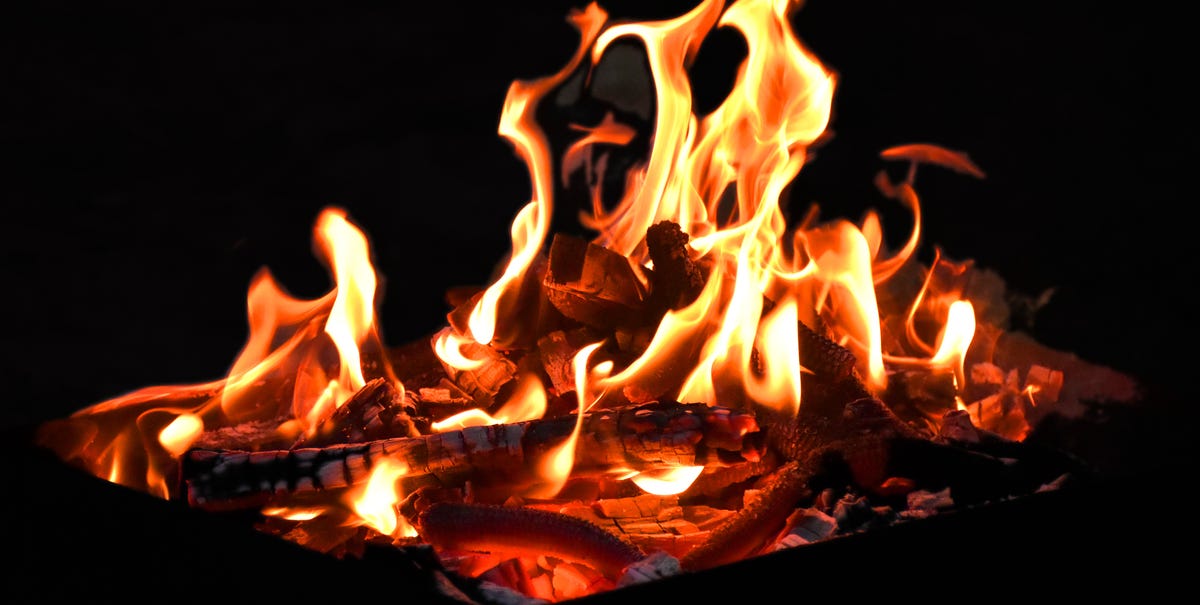
A campfire offers a miniature demonstration of fire’s historical power. As daylight fades, the temperature drops and the surrounding landscape becomes difficult to see. Then a small flame changes the entire campsite. It provides light, warmth, a place to cook, and a clear social center.
People who were scattered while setting up tents naturally move closer together. Conversation becomes slower and more focused. Food smells better after a day outdoors, even when the menu is mostly beans and something that was supposed to be toast. The fire turns an exposed patch of ground into a temporary home.
It also teaches discipline. Damp wood smokes. Green branches burn poorly. A fire needs airflow, suitable fuel, and constant attention. Before leaving, every ember must be extinguished. The experience shows that fire rewards knowledge but punishes carelessness.
The Kitchen Experience
The everyday kitchen may be the clearest example of controlled fire becoming invisible through convenience. A gas burner produces an open flame, while electric and induction stoves deliver heat through other systems. Either way, the cook is applying thermal energy with precision.
Consider what happens during one ordinary dinner. Heat browns meat, softens vegetables, thickens a sauce, boils water, melts fat, releases aromas, and creates new flavors. A collection of ingredients becomes a meal because temperature changes their structure.
Cooking also demonstrates how much civilization depends on accumulated knowledge. People learn when to use high heat, when to simmer, how to avoid cross-contamination, and why oil fires should never be attacked with water. The kitchen is a laboratory where chemistry is performed daily, usually without safety goggles and occasionally while wearing novelty slippers.
The Cold-Night Experience
Anyone who has sat near a fireplace or wood stove during a cold night understands fire’s emotional power. The warmth is physical, but the sense of comfort goes beyond temperature. Flame moves, crackles, and responds visibly as fuel is added. It makes heat feel immediate and alive.
During a winter power outage, a properly installed and safely vented fireplace or stove can become especially valuable. It may provide warmth when electric systems fail, although ventilation, carbon-monoxide detection, equipment maintenance, and manufacturer instructions remain essential.
That experience connects a modern household with a very old reality: reliable heat can determine whether a shelter is merely enclosed or genuinely livable.
The Workshop and Forge Experience
Watching a blacksmith heat metal reveals another side of fire. A rigid bar enters the forge and gradually begins to glow. At the proper temperature, material that seemed stubborn becomes workable. It can be bent, flattened, twisted, joined, or shaped into a tool.
The process is a lesson in transformation rather than destruction. Fire does not simply consume the metal. Controlled heat changes what can be done with it. The craftsperson reads color, timing, sound, and resistance, applying experience that cannot be replaced by enthusiasm alone.
Kilns and glass furnaces create a similar impression. Ordinary-looking raw materials enter, heat rearranges their structure, and durable objects emerge. A cup, window, brick, blade, or tile is evidence that humans learned to negotiate with extreme temperatures.
The Prescribed-Burn Experience
A prescribed burn overturns the assumption that every intentionally lit landscape fire is reckless. Before ignition, crews evaluate weather, humidity, wind, vegetation, terrain, escape routes, nearby communities, and smoke movement. Boundaries are prepared, equipment is staged, and specific objectives are established.
When the burn proceeds correctly, low flames consume selected surface vegetation while trained personnel monitor changing conditions. The blackened ground may initially look damaged, but recovery can begin quickly in fire-adapted environments. New shoots emerge, nutrients circulate, and reduced fuel may make future extreme fire behavior less likely.
The experience captures the central argument of this article. Fire’s greatness does not lie in flame alone. It lies in the combination of natural energy, human knowledge, planning, restraint, and purpose.
Conclusion: The Tool Behind the Tools
Fire is the greatest tool of all time because it multiplies human ability. It makes food more usable, cold climates more survivable, evenings more productive, materials more durable, and manufacturing more powerful. It helped create homes, communities, crafts, engines, industries, and entire systems of knowledge.
Other inventions may be more precise, portable, or technologically advanced. Yet fire provided the heat needed to make many of them. It hardened the first containers, enabled metallurgy, powered industrial machines, transformed construction materials, and continues to support cooking, manufacturing, energy production, and ecosystem management.
Fire is not great because it always helps us. It is great because, when understood and controlled, it can transform nearly anythingincluding human society itself. It is a tool, a teacher, and a permanent reminder that progress often begins with learning how to handle power responsibly.
Note: Open flames, fireplaces, grills, stoves, campfires, kilns, and controlled burns should be used only with proper ventilation, suitable equipment, local authorization, and appropriate fire-safety precautions. Never leave an active fire unattended.