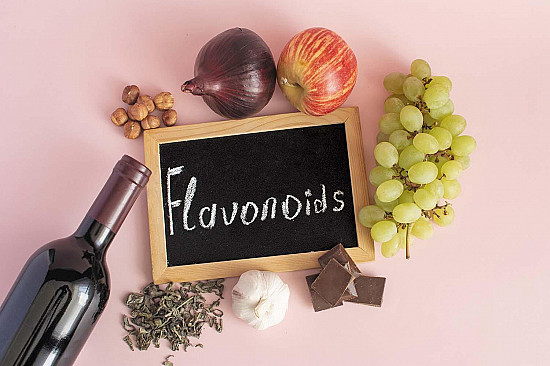
Nutrition advice often sounds suspiciously like homework: eat more vegetables, choose whole foods, and stop treating potato chips as a salad. New research highlighted by Harvard Health, however, offers a more colorful assignment. Eating a broad variety of flavonoid-rich foods may provide additional long-term health protection beyond simply consuming a large amount from one or two favorite sources.
That does not mean you need to memorize the chemical profile of every blueberry. It means regularly rotating foods such as berries, apples, citrus fruits, grapes, tea, onions, leafy vegetables, legumes, and a little cocoa. Your grocery cart should look less like a fan club devoted to one “superfood” and more like a well-attended plant convention.
What the Harvard Health Report Found
The Harvard Health article discussed a large study published in Nature Food in 2025. Researchers analyzed dietary and health information from 124,805 UK Biobank participants, generally between 40 and 69 years old when they entered the broader project. Participants completed multiple dietary questionnaires, and their health outcomes were followed for roughly a decade.
The researchers examined two related factors: the total quantity of flavonoids consumed and the diversity of flavonoid compounds in the diet. These factors were analyzed separately so the team could investigate whether variety mattered even when total intake was similar.
Compared with participants who had the least diverse flavonoid intake, those with the greatest diversity had a 14% lower risk of death from any cause, a 10% lower risk of cardiovascular disease, a 20% lower risk of type 2 diabetes, an 8% lower risk of cancer, and an 8% lower risk of respiratory disease. The most diverse diets contained the equivalent of nearly seven additional flavonoid types per day.
These percentages describe associations, not guarantees. An apple cannot negotiate directly with your future medical records. Still, the findings suggest that both quantity and variety may be relevant when building a health-supportive diet.
What Are Flavonoids?
Flavonoids are a large family of naturally occurring plant compounds. They belong to the broader polyphenol family and help plants manage environmental stress, defend themselves, attract pollinators, and produce many of the colors we see in fruits, vegetables, flowers, tea, and cocoa.
In the human diet, flavonoids arrive as thousands of related compounds with different chemical structures. The six major dietary subclasses are anthocyanidins, flavan-3-ols, flavonols, flavones, flavanones, and isoflavones. Each group appears in a somewhat different collection of foods.
Common Flavonoid Families and Food Sources
| Flavonoid group | Common food sources | Simple way to include it |
|---|---|---|
| Anthocyanins | Blueberries, blackberries, strawberries, cherries, purple grapes, red cabbage | Add berries to oatmeal or yogurt |
| Flavan-3-ols | Green tea, black tea, apples, grapes, cocoa | Drink unsweetened tea or add apple slices to lunch |
| Flavonols | Onions, apples, kale, broccoli, tea | Add onions and greens to soups or eggs |
| Flavones | Parsley, celery, peppers, herbs | Use fresh herbs generously instead of treating parsley as decorative shrubbery |
| Flavanones | Oranges, grapefruit, lemons, limes | Choose whole citrus fruit or squeeze lemon onto vegetables |
| Isoflavones | Soybeans, tofu, tempeh, edamame, soy milk | Replace one meat-based meal with tofu or edamame |
No single category does all the work. Blueberries may provide abundant anthocyanins, while oranges contribute flavanones and tea supplies flavan-3-ols. Eating all three provides a broader chemical mix than eating three servings of the same fruit.
Why Flavonoid Diversity Could Matter
Different flavonoids are absorbed, transformed, and used in different ways. Many are modified during digestion, processed by intestinal microbes, and converted into metabolites that circulate through the body. As a result, two flavonoids that live under the same chemical umbrella may not behave identically.
Different Compounds May Influence Different Pathways
Laboratory and human research suggests that flavonoids may interact with pathways related to inflammation, blood-vessel function, cell signaling, glucose regulation, and oxidative stress. One compound may be more relevant to nitric oxide production and blood flow, while another may interact more strongly with enzymes, inflammatory signals, or gut bacteria.
A mixed intake therefore provides a wider range of compounds and metabolites. Researchers are still studying whether these substances act additively, synergistically, or mainly as markers of an overall high-quality diet. Biology rarely behaves like a simple calculator, especially after lunch.
Variety Also Improves the Entire Diet
Flavonoid-rich foods do not arrive as isolated chemicals. Berries bring fiber and vitamin C. Apples provide fiber and other polyphenols. Soy foods contribute protein. Leafy vegetables offer folate, potassium, carotenoids, and additional phytochemicals. Tea provides flavonoids without calories when it is not transformed into a liquid dessert.
Therefore, some of the observed protection may come from flavonoids, some may come from other nutrients, and some may reflect the broader dietary pattern. This is not a disappointing answer. It is another reason to eat the whole food rather than chasing a heroic molecule in a bottle.
The Gut Microbiome May Participate
Gut bacteria help transform many flavonoids into smaller metabolites. Research has also linked flavonoid-rich foods, greater microbial diversity, and healthier blood-pressure measurements. Microbiome science is still developing, and researchers cannot yet prescribe a perfect combination of tea, berries, and bacteria. Nevertheless, varied plant foods supply both phytochemicals and fiber, giving intestinal microbes a more interesting menu than beige processed snacks can offer.
How Diverse Flavonoid Foods May Support Health
Cardiovascular Health
Flavonoid-rich dietary patterns have repeatedly been associated with better cardiovascular outcomes. Possible mechanisms include support for blood-vessel flexibility, nitric oxide signaling, blood-pressure regulation, and healthier inflammatory responses. Tea, berries, apples, citrus fruits, cocoa, and vegetables have all been studied in this context.
That does not turn a chocolate bar into cardiology equipment. Many chocolate products contain substantial sugar and saturated fat, so a modest portion of cocoa-rich dark chocolate makes more sense than declaring an entire candy aisle medicinal.
Blood Sugar and Type 2 Diabetes Risk
The 2025 study reported its strongest disease-specific association for type 2 diabetes: participants with the greatest flavonoid diversity had a 20% lower risk than those with the least diversity after statistical adjustment.
Flavonoid-rich whole foods may support metabolic health through several routes. Their compounds may influence glucose-related signaling, while their fiber can slow digestion and improve fullness. Choosing whole berries, citrus fruits, soy foods, and vegetables also tends to displace refined snacks and sugar-sweetened beverages. The substitution may be just as important as the addition.
Brain and Cognitive Health
Previous observational research has linked greater flavonoid intake with healthier cognitive aging. Berries, tea, apples, pears, citrus fruits, and certain vegetables have received particular attention. Scientists are investigating whether vascular effects, lower inflammation, cell signaling, and protection from oxidative stress help explain these associations.
Flavonoid foods should not be marketed as a cure for dementia or memory disorders. They are one potentially useful component of a larger brain-supportive lifestyle that includes physical activity, adequate sleep, social connection, blood-pressure management, and appropriate medical care.
Inflammation and Oxidative Stress
Flavonoids are often described as antioxidants, but their behavior in the body is more complicated than simply “neutralizing free radicals.” They may also affect enzymes, gene expression, cellular communication, and inflammatory pathways.
The practical lesson remains refreshingly ordinary: diets rich in colorful plant foods are consistently associated with better health. You do not need a chemistry degree. You mainly need produce that does not remain forgotten in the refrigerator until it develops a personality.
How to Eat a More Diverse Flavonoid Diet
The study does not establish an official flavonoid diversity target, and food labels do not list flavonoid milligrams. Instead of tracking compounds with the enthusiasm of an accountant auditing blueberries, focus on repeating several simple habits.
1. Rotate Colors Across the Week
Use color as a practical reminder, although color is not a perfect measurement of flavonoid content. Alternate blueberries, strawberries, cherries, oranges, apples, purple grapes, leafy greens, red cabbage, peppers, and onions. Frozen produce counts and is often more affordable.
2. Choose More Than One Fruit
If apples are your automatic snack, keep eating them, but invite another fruit to the party. Add berries at breakfast, citrus at lunch, or grapes as an afternoon snack. Variety does not require seven fruit servings or a kitchen that resembles a tropical greenhouse.
3. Use Tea Strategically
Green and black tea are major sources of flavan-3-ols. Unsweetened tea can replace sugary beverages, providing flavonoids without a large sugar load. People who are sensitive to caffeine can select decaffeinated tea or limit it later in the day. Sleep remains important, even if your midnight tea contains impressive chemistry.
4. Add Herbs, Onions, and Vegetables to Ordinary Meals
Flavonoid diversity is not limited to fruit. Add onions to sandwiches, broccoli to pasta, kale to soup, herbs to grain bowls, celery to stews, or red cabbage to tacos. These small additions accumulate without requiring an entirely new cuisine.
5. Include Legumes and Soy Foods
Edamame, tofu, tempeh, and soy milk provide isoflavones, while beans and lentils broaden overall plant diversity. A tofu stir-fry or lentil bowl introduces compounds that are not abundant in a berry-heavy eating pattern.
6. Keep Cocoa in Perspective
Unsweetened cocoa and cocoa-rich dark chocolate contain flavanols. Add cocoa powder to oatmeal or yogurt, or enjoy a small piece of dark chocolate. A family-size package remains a family-size package, even when the front label discusses antioxidants.
A Sample Flavonoid-Diverse Day
- Breakfast: Oatmeal with blueberries, strawberries, walnuts, and cinnamon, served with green tea.
- Lunch: A spinach salad with red cabbage, apple, chickpeas, red onion, herbs, and lemon dressing.
- Snack: An orange with a small handful of nuts.
- Dinner: Tofu or beans with broccoli, peppers, onions, and brown rice.
- Dessert: Plain yogurt with cocoa powder or a modest piece of dark chocolate.
This example includes several flavonoid classes while also supplying fiber, protein, vitamins, minerals, and healthy fats. It is a dietary pattern, not a scavenger hunt for chemical compounds.
Important Limits and Safety Considerations
The Nature Food study was observational. It cannot prove that flavonoid diversity directly prevented disease. Participants reported their own diets, some flavonoid-rich foods were not captured in precise detail, and the UK Biobank sample does not represent every age, ethnic, economic, or health group. Health-conscious participants may also differ in ways researchers cannot measure perfectly.
More studies, including research in diverse populations and controlled clinical trials, are needed. The findings should be viewed as supportive evidence for a varied plant-rich diet, not as a prescription for a specific number of flavonoid compounds.
Food sources are generally preferable to high-dose flavonoid supplements. Concentrated supplements may have different effects, quality can vary, and they may interact with medications. Grapefruit and grapefruit juice can also alter the absorption or metabolism of certain medicines, including some cholesterol-lowering, blood-pressure, transplant, and allergy drugs. Anyone taking medication with a grapefruit warning should follow the label and consult a pharmacist or healthcare professional.
Red wine contains flavonoids, but people should not begin drinking alcohol for this purpose. Grapes, berries, tea, and other foods provide flavonoids without alcohol-related risks.
An Illustrative Experience: Building More Flavonoid Variety
Consider a composite example of an adult who decides to improve flavonoid diversity for two weeks. The goal is not to count milligrams or buy every fruit in the produce department. The goal is to keep familiar meals while adding several different plant foods each day.
During the first grocery trip, the shopper buys frozen mixed berries, apples, oranges, red cabbage, spinach, onions, broccoli, canned chickpeas, tofu, green tea, and unsweetened cocoa. Nothing is marketed as a miracle food, and most of it is reasonably priced. Frozen berries are chosen because fresh berries have an unfortunate habit of becoming expensive compost before Friday.
Breakfast initially presents the easiest opportunity. Instead of eating plain cereal every morning, the shopper alternates oatmeal with blueberries, yogurt with strawberries, and whole-grain toast with an apple. Green tea appears on several mornings, while coffee remains on others. The purpose is diversity, not a dramatic breakup with coffee.
Lunch requires more planning. A bag of chopped red cabbage is added to sandwiches and salads. Chickpeas go into a spinach bowl with onions, peppers, herbs, and lemon juice. On busy days, an apple and a small container of leftover vegetables are packed beside the usual meal. These additions are not glamorous, but they prevent the plan from depending on heroic motivation at noon.
Dinner becomes a rotation rather than a complete reinvention. One evening includes tofu, broccoli, and onions. Another uses black beans, red cabbage, salsa, and avocado in tacos. Pasta night stays on the schedule, but spinach, herbs, and sautéed onions join the sauce. The family does not hold a formal ceremony for the flavones, yet they arrive anyway.
By the end of the first week, the most noticeable change is not a miraculous burst of energy. It is greater meal variety. Snacks feel more satisfying because whole fruit replaces some highly refined options, and the refrigerator contains ingredients that can be combined in several ways. The shopper also discovers that adding plants works better than creating an intimidating list of forbidden foods.
The second week introduces small adjustments. Frozen berries are blended with plain yogurt rather than sweetened juice. Tea is served unsweetened. Dark chocolate is portioned instead of eaten directly from a large package while standing near the pantry, a location where serving sizes have historically become philosophical suggestions.
There are also practical obstacles. Fresh herbs wilt quickly, one family member dislikes tofu, and cutting several vegetables after work feels ambitious. The solutions are ordinary: dried herbs supplement fresh ones, beans replace tofu in some meals, and frozen vegetables provide backup. A sustainable plan accepts convenience rather than pretending every dinner will be photographed for a cookbook.
After two weeks, this person cannot know whether inflammation, blood-vessel function, or long-term disease risk has changed. Those outcomes are not visible in a kitchen experiment. What has changed is the dietary pattern: more fruits, vegetables, legumes, herbs, tea, and whole foods are consumed, while some sugary drinks and refined snacks have been displaced.
This is the most useful way to apply the research. Do not expect one berry bowl to function like medication. Build repeatable habits that make dietary diversity normal. Keep favorite foods, rotate plant sources, use frozen and canned options, and make improvements that survive busy schedules. Health protection, when it occurs, is more likely to come from years of ordinary choices than from one spectacular Tuesday salad.
Conclusion
The research highlighted by Harvard Health adds an important detail to familiar nutrition advice: eating more flavonoid-rich foods may be beneficial, but eating a wider variety could provide additional protection. Berries, tea, apples, citrus fruits, grapes, vegetables, herbs, soy foods, and cocoa contain different flavonoid families, along with fiber and other valuable nutrients.
The study cannot establish cause and effect, and flavonoids are not magic shields against disease. Even so, increasing plant diversity is a practical, low-drama strategy supported by broader nutrition evidence. Start with one extra fruit, one additional vegetable, or a regular cup of unsweetened tea. Your plate does not need perfection. It simply needs a larger cast.