Note: This original article is written for web publication in standard American English and is based on real Croatian Easter bread traditions, classic enriched-dough baking methods, and safe Easter egg handling practices.
Some Easter recipes arrive quietly: a deviled egg here, a glazed ham there, maybe a carrot cake trying very hard to look humble. Then there are Primorski Uskrsne Bebe, Croatian Easter bread dolls that show up looking like tiny braided bread babies wearing colorful egg hats. Subtle? Not exactly. Charming? Absolutely.
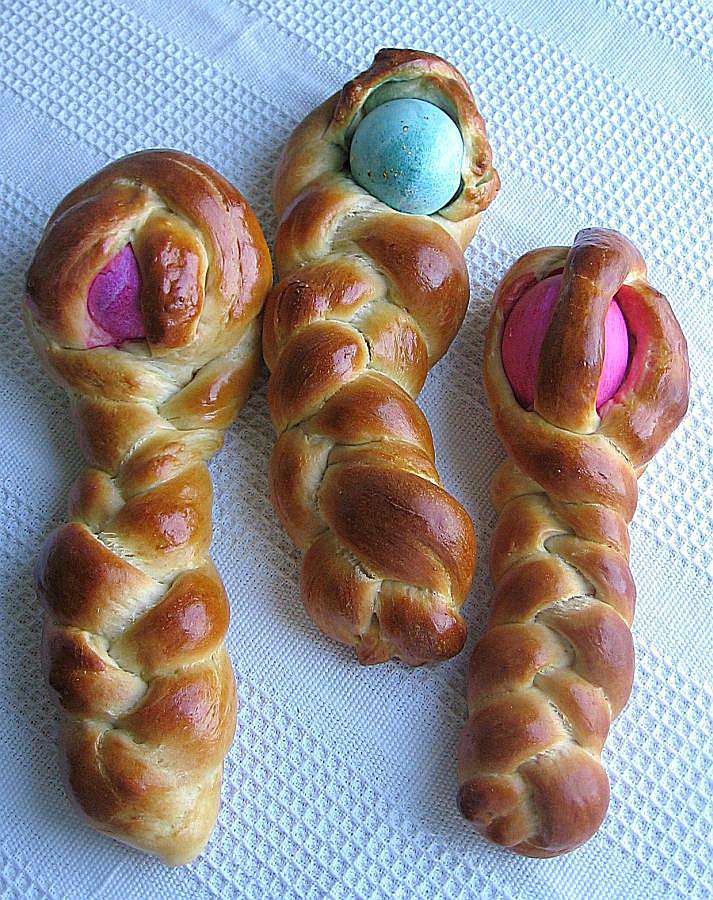
Primorski Uskrsne Bebe, often translated as “Easter babies from Primorje,” are traditional Croatian Easter bread dolls made from a lightly sweet yeast dough wrapped or braided around a dyed hard-boiled egg. They are especially associated with the coastal regions of Croatia, including Primorje and Istria, where Easter breads such as pinca, sirnica, or pinza have long been part of the holiday table.
The result is part recipe, part craft project, and part edible centerpiece. The dough is soft, golden, citrus-scented, and tender, while the egg becomes the “face” or “head” of the doll. Children love them because they look playful. Adults love them because they taste like sweet holiday bread and nostalgia had a very delicious baby.
What Are Primorski Uskrsne Bebe?
Primorski Uskrsne Bebe are small braided Easter breads shaped around dyed hard-boiled eggs. The word primorski refers to the coastal region, uskrsne means Easter, and bebe means babies. In plain kitchen English: these are adorable Croatian Easter bread dolls.
They are traditionally made from a dough related to pinca, Croatia’s beloved Easter sweet bread. Pinca is usually a round, enriched loaf flavored with citrus zest, vanilla, rum, rosewater, or raisins, depending on the family recipe. For the doll version, the dough is shaped into ropes, braided, and wrapped around a dyed egg to resemble a swaddled baby.
Historically, red eggs were common because red is strongly symbolic in many Easter traditions. Today, you will see red, blue, yellow, green, pink, and every “the kids got creative” shade imaginable. As long as food-grade dye is used, the colorful egg can be both decorative and edible.
Why This Croatian Easter Bread Recipe Is Special
Many Easter breads are symbolic, but Croatian Easter bread dolls bring symbolism and personality to the same baking sheet. They represent renewal, spring, family gathering, and the joy of giving children something made especially for them.
The dough is enriched with milk, butter, eggs, and sugar. That means it bakes up softer and richer than everyday sandwich bread. Lemon or orange zest gives it a bright holiday fragrance, while egg wash creates a glossy golden finish. The bread is not overly sweet, so it works beautifully with coffee, tea, Easter brunch, ham, fruit, or a sneaky swipe of butter when nobody is looking.
These bread dolls are also wonderfully practical. You can make the dough ahead, shape the dolls with children, customize the eggs, and serve them as individual Easter gifts or place-setting decorations. They are the rare recipe that can sit on the table looking cute and still disappear before dessert.
Ingredients for Croatian Easter Bread Dolls
This recipe makes about 6 medium bread dolls. You can double it for a larger Easter table.
For the Dough
- 3 1/4 cups all-purpose flour, plus more as needed
- 2 1/4 teaspoons active dry yeast or instant yeast
- 1/2 cup warm whole milk, about 105°F to 110°F
- 1/3 cup granulated sugar
- 2 large eggs, room temperature
- 5 tablespoons unsalted butter, softened
- 1 teaspoon fine sea salt
- 1 tablespoon lemon zest
- 1 tablespoon orange zest
- 1 teaspoon vanilla extract
- 1 tablespoon rum or orange juice, optional
For Decorating and Finishing
- 6 hard-boiled eggs, dyed with food-grade coloring
- 1 egg yolk mixed with 1 tablespoon milk, for egg wash
- Coarse sugar or pearl sugar, optional
- Food-safe marker, optional, for drawing faces after baking
How to Make Primorski Uskrsne Bebe
Step 1: Prepare the Dyed Eggs
Hard-boil the eggs, cool them completely, and dye them using food-grade dye. Keep them refrigerated until you are ready to shape the bread dolls. Avoid cracked eggs because they can leak color into the dough and, frankly, cracked egg heads are not the festive look we are going for.
Step 2: Activate the Yeast
In a small bowl, combine warm milk, yeast, and 1 tablespoon of the sugar. Let it sit for 5 to 10 minutes until foamy. If nothing happens, your yeast may be tired. We all understand being tired, but yeast that refuses to wake up should not be trusted with Easter brunch.
Step 3: Mix the Dough
In a large bowl or stand mixer, combine flour, remaining sugar, salt, lemon zest, and orange zest. Add the yeast mixture, eggs, vanilla, and rum or orange juice if using. Mix until a rough dough forms.
Add the softened butter a tablespoon at a time, kneading until fully incorporated. Continue kneading for 8 to 10 minutes by hand or 5 to 7 minutes with a dough hook. The dough should be soft, smooth, elastic, and slightly tacky, but not soupy. If it clings aggressively to everything like a toddler at bedtime, add flour one tablespoon at a time.
Step 4: First Rise
Place the dough in a lightly greased bowl, cover it, and let it rise in a warm place for 1 to 1 1/2 hours, or until doubled. Enriched dough rises more slowly than plain dough because butter, eggs, and sugar make yeast work a little harder. Be patient. Good bread does not enjoy being rushed.
Step 5: Divide and Shape
Line a baking sheet with parchment paper. Punch down the dough gently and divide it into 6 equal portions. For each doll, divide one portion into 3 smaller pieces and roll them into ropes about 8 to 10 inches long.
Pinch the three ropes together at one end and braid them loosely. Place one dyed hard-boiled egg near the top of the braid, then wrap or cross the braided dough around it so the egg looks tucked into a little blanket. Pinch the dough at the bottom to secure it. Repeat with the remaining dough and eggs.
Step 6: Second Rise
Arrange the dolls on the prepared baking sheet, leaving room between them. Cover loosely and let rise for 25 to 35 minutes. They should look slightly puffy, not doubled. If they overproof, the braids can lose definition and the dolls may resemble sleepy bread blobs. Still tasty, less photogenic.
Step 7: Brush and Bake
Preheat the oven to 350°F. Brush the dough with egg wash, avoiding the dyed egg if possible. Sprinkle with coarse sugar if desired. Bake for 18 to 22 minutes, or until the bread is deep golden and cooked through.
Cool the dolls on a wire rack. Once completely cool, you can draw tiny faces on the eggs with a food-safe marker. This is optional, but highly recommended if your household enjoys bread with personality.
Recipe Tips for Soft, Beautiful Bread Dolls
Use Softened Butter, Not Hot Melted Butter
Softened butter blends gradually into enriched dough and helps create a tender crumb. Hot melted butter can make the dough greasy and may interfere with gluten development. Think of softened butter as polite. Melted butter barges in wearing sunglasses.
Do Not Over-Flour the Dough
The best Croatian Easter bread recipe produces a dough that is soft and slightly tacky. Adding too much flour makes the dolls dry and heavy. Use just enough flour to handle the dough comfortably.
Let the Dough Rise Fully
Because this is an enriched yeast dough, it needs time. A warm kitchen helps, but avoid placing the dough somewhere hot. Too much heat can make the butter separate and weaken the dough’s structure.
Keep the Eggs Safe
Use hard-boiled eggs that have been dyed with food-grade coloring. Keep them refrigerated before shaping, and do not leave finished bread dolls sitting at room temperature for more than two hours if you plan to eat the eggs. For display-only centerpieces, consider using decorative wooden or ceramic eggs instead.
Flavor Variations
Classic Citrus Vanilla
Lemon zest, orange zest, and vanilla create the most crowd-friendly flavor. This version tastes bright, soft, and familiar.
Dalmatian-Inspired Aroma
Add a teaspoon of rosewater or a splash of rum to echo the flavors often found in Croatian Easter breads such as pinca and sirnica.
Raisin or Candied Citrus Dough
For a more traditional sweet bread feel, knead in 1/3 cup raisins or finely chopped candied citrus peel after the dough has come together. Keep the pieces small so the braids remain easy to shape.
Mini Bread Dolls
Use small eggs and divide the dough into 8 to 10 portions. Mini dolls are ideal for children, Easter baskets, brunch boards, or anyone who says “I only want a small one” and then returns for three more.
How to Serve Primorski Uskrsne Bebe
Serve these bread dolls at Easter breakfast, brunch, or lunch. They look beautiful placed at each guest’s setting with a name tag or ribbon. They also pair well with butter, honey, fruit preserves, soft cheese, coffee, black tea, or a glass of milk for children.
On a larger Easter table, Primorski Uskrsne Bebe can sit beside ham, radishes, spring onions, horseradish, fresh fruit, and a larger loaf of pinca. They bring color and height to the table without requiring a floral arrangement that costs as much as a small appliance.
How to Store Croatian Easter Bread Dolls
The bread portion is best eaten the day it is baked, but it can be stored in an airtight container at room temperature for up to one day if the eggs are removed. If the eggs remain inside and you plan to eat them, refrigerate the dolls and enjoy within 24 hours.
To refresh the bread, remove the egg and warm the bread gently in a 300°F oven for 5 to 7 minutes. Avoid microwaving for too long, or the dough may become tough.
Common Mistakes and Easy Fixes
The Dough Is Too Sticky
Add flour one tablespoon at a time while kneading. Do not dump in half a cup at once. Bread dough remembers disrespect.
The Dough Did Not Rise
Your yeast may be expired, the milk may have been too hot, or the kitchen may be too cold. Use fresh yeast and warm milk that feels like a comfortable bath, not a lava pool.
The Braids Opened During Baking
Pinch the ends firmly and place the seam underneath the doll. A small dab of water can help the dough stick together.
The Bread Browned Too Fast
Tent loosely with foil during the last few minutes of baking. Enriched dough browns quickly because of the sugar, milk, butter, and egg wash.
A 500-Word Kitchen Experience: Making Primorski Uskrsne Bebe at Home
Making Primorski Uskrsne Bebe feels less like following a recipe and more like inviting a holiday tradition to sit at your kitchen counter. The first memorable moment is the smell. As soon as lemon zest and orange zest hit the dough, the kitchen changes. It becomes brighter, warmer, and somehow more optimistic. This is the kind of aroma that makes people wander in and ask, “What are you making?” even though they were supposedly too busy five minutes ago.
The shaping stage is where the recipe becomes personal. Each bread doll turns out slightly different. One may look elegant, one may look sleepy, and one may look like it has strong opinions about brunch. That is part of the charm. These are not factory-perfect pastries. They are homemade Easter bread dolls, and their little imperfections make them more lovable. Children especially enjoy this part because rolling dough ropes and choosing egg colors feels like edible arts and crafts. Adults enjoy it too, though they may pretend they are only supervising.
The dyed eggs bring instant color to the baking sheet. Red eggs look traditional and dramatic, while pastel eggs give a cheerful spring feeling. If you use natural dyes, onion skins can create earthy red-brown tones, beet juice can make pinkish shades, and turmeric can produce yellow. Commercial food-grade dyes are easier and brighter, which is helpful when your goal is “festive Easter table” rather than “archaeological discovery.”
One important experience-based tip: shape the dough more loosely than you think. The bread expands in the oven, and tight braids can push against the egg. A relaxed braid gives the dough room to puff while still holding the egg securely. Another helpful trick is to place the egg slightly above the center of the dough, so it looks like a little head wrapped in a blanket. If the egg sits too low, the doll can look more like a bread turtle. Still adorable, but not exactly the assignment.
When the dolls bake, the egg wash turns the dough glossy and golden. The citrus scent becomes richer, the butter deepens, and the whole kitchen starts acting like Easter has officially arrived. Let them cool before drawing faces, because warm eggs can make food-safe marker lines smudge. A tiny smile, closed eyes, or rosy cheeks can make the dolls extra sweet for children’s place settings.
Serving them is the best part. Guests notice them immediately. They ask questions, take photos, and usually reach for the cutest one first. The bread tears softly, with a tender crumb and gentle sweetness. It is not cake, not brioche exactly, and not plain bread either. It lives in that perfect holiday zone where breakfast, decoration, and family memory overlap. That is why this Croatian Easter bread dolls recipe is worth making at least once. And once you make it, there is a good chance it becomes one of those traditions people request every year.
Conclusion
Primorski Uskrsne Bebe are more than cute Easter bread dolls. They are a delicious expression of Croatian Easter tradition, combining soft enriched dough, dyed eggs, family creativity, and holiday symbolism in one golden little package. Whether you make them as table decorations, edible gifts, or a weekend baking project with children, these Croatian Easter bread dolls bring warmth, color, and a little humor to the celebration.
The recipe is forgiving, festive, and memorable. Keep the dough soft, use food-grade dyed eggs, give the braids room to rise, and let every doll have its own personality. After all, Easter bread does not need to be perfect to be beautiful. It only needs to be shared.