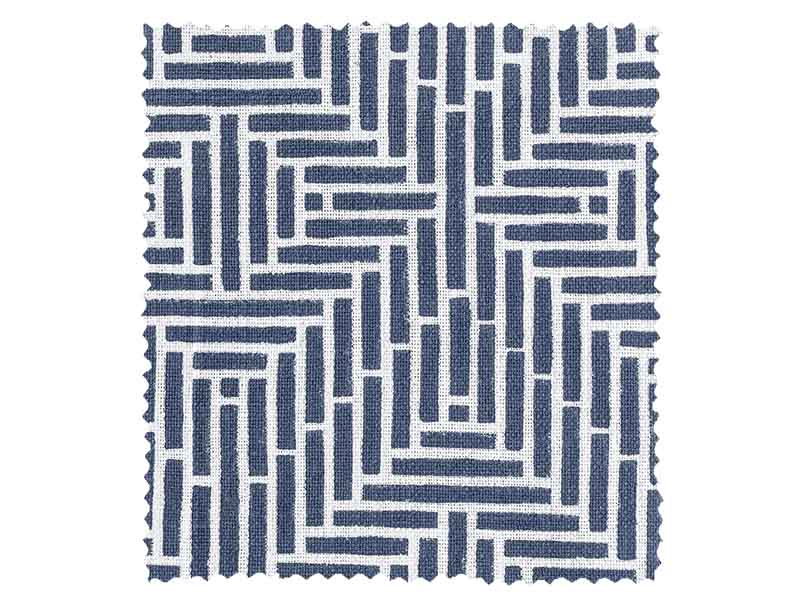
Some design styles arrive with a manifesto. This one arrives with a mood: sun-warmed texture, deep blue color, and the kind of relaxed elegance that makes a room feel collected instead of staged. That is the magic of Rattan Vintage Indigo. It is not a fussy formula or a trend that demands you replace everything you own before lunch. It is a decorating approach built around three ingredients that happen to get along beautifully: the airy texture of rattan, the soul of vintage pieces, and the rich, slightly moody charm of indigo.
If that sounds a little like a beach house, a little like a boutique hotel, and a little like your coolest aunt’s sunroom, yes, exactly. But done right, this look is more layered than “coastal with a basket.” It feels timeless because it balances opposites: light and dark, refined and relaxed, polished and imperfect. Rattan keeps things breathable. Indigo adds depth. Vintage accents bring the story. Together, they create spaces that feel lived-in, loved, and suspiciously good at making coffee taste better.
What “Rattan Vintage Indigo” Really Means
Think of Rattan Vintage Indigo as a design shorthand for a home that mixes woven natural materials with classic blue textiles and pieces that look like they have survived at least one excellent flea market. The look can lean coastal, bohemian, farmhouse, colonial, global, or traditional depending on what you pair with it. That flexibility is part of the appeal.
At its core, the style usually includes a few familiar moves: a woven chair or pendant light, warm wood tones, white or cream walls, and indigo accents through pillows, throws, rugs, artwork, or upholstery. Vintage elements might show up as a weathered chest, an old mirror, blue-and-white ceramics, a worn rug, or an antique side table with just enough patina to feel charming and not haunted.
The result is a room that feels easy without looking lazy. It has intention, but it does not look like you yelled “coastal chic” into a search bar and bought the first twelve items that appeared.
Why This Look Works So Well
Rattan Brings Texture Without Visual Weight
Rattan is one of those rare materials that can make a room feel casual and sophisticated at the same time. Because it is woven or bent into open, airy shapes, it adds texture without making a space feel heavy. A rattan dining chair, cane-front cabinet, or woven pendant instantly softens a room that might otherwise feel flat or overly tailored.
It also helps that rattan plays well with almost everything. It can lean tropical, classic, vintage, or modern depending on the silhouette. A curvy peacock chair tells a different story than a streamlined French-style rattan dining chair, but both work within the same palette.
Indigo Adds Depth and Drama
Now for the scene-stealer: indigo. This color sits in that sweet spot between blue and violet, and it carries more emotional weight than a pale sky blue or a cheerful aqua. Indigo feels grounded. It looks smart. It can be crisp and coastal when paired with white, or dramatic and cocooning when paired with wood, black, and brass.
One of the reasons designers keep returning to blue is that it behaves almost like a neutral. Indigo is especially useful because it anchors light interiors that might otherwise drift into “nice vacation rental” territory. Add an indigo throw, a faded blue rug, or patterned pillows, and suddenly the room has a pulse.
Vintage Pieces Keep It Human
Without vintage elements, rattan and indigo can start to feel a bit too clean, a bit too catalog-perfect. Vintage decor solves that problem. It introduces irregularity, age, and story. A room with one old trunk, a slightly imperfect ceramic lamp, or a distressed wood stool feels more believable than a room where every item arrived in the same shipment.
That is the secret sauce: contrast. New upholstery beside an old side table. Crisp white slipcovers next to a time-softened woven chair. Indigo textiles against pale walls and warm natural fiber. It is the tension that makes the room interesting.
The Essential Ingredients of the Look
1. Woven Furniture That Actually Has Presence
Not every rattan piece deserves a dramatic entrance, but at least one should. In a living room, that might be a pair of woven lounge chairs. In a bedroom, it could be a rattan headboard. In a dining area, cane-backed seating adds instant personality without making the room feel bulky.
When shopping, look for pieces with confident shapes and good craftsmanship. Tight weaving, solid joints, and frames that do not wobble are worth paying for. Vintage rattan can be especially beautiful because it often has curves, detailing, and patina that newer pieces try very hard to imitate.
2. Indigo Textiles With a Timeworn Feel
Vintage indigo does not have to mean literal antiques, though those are lovely when you find them. It can also mean textiles that feel storied: washed linen pillows, striped ticking, hand-block prints, denim-toned throws, faded patchwork quilts, or rugs that mix navy, slate, and ivory.
The key is restraint. You want layers of blue, not a room that looks like a giant patriotic picnic basket. Mix tones: deep indigo, dusty blue, soft chambray, muted denim, and even a whisper of gray-blue. That range gives the room depth and keeps the palette from feeling flat.
3. Warm Neutrals to Keep Everything Grounded
Indigo looks best when it has breathing room. White walls, ivory upholstery, oat-colored linen, sand-toned rugs, and warm wood help the blue stand out without shouting. These supporting neutrals also make rattan feel more refined. Without them, the whole room can tip into visual noise.
If you want a foolproof palette, start with ivory, flax, honey wood, indigo, and a small amount of black or aged brass. It is hard to mess up. Truly. You would have to try.
4. Accents That Feel Collected, Not Theme-Based
This is where many rooms go off the rails. The goal is not to buy every rope knot, anchor print, and shell-shaped object within a 20-mile radius. Instead, choose accents that echo the style in a quieter way: hand-thrown pottery, old books, woven trays, framed textile fragments, vintage blue-and-white ceramics, antique brass candlesticks, or art with organic movement.
Collected is good. Costume is not.
How to Use Rattan Vintage Indigo in Different Rooms
Living Room
A living room is the easiest place to try this look because it thrives on layering. Start with a neutral sofa. Add one or two rattan or cane chairs, then build in indigo through pillows and a rug. A vintage wood coffee table or old chest keeps the room from feeling too polished. Finish with a woven lamp shade or pendant and a few textured baskets for storage that does not scream “I gave up and hid everything.”
Bedroom
Bedrooms love indigo because it feels calm and cocooning. A rattan headboard brings texture to soft bedding, and indigo-striped pillows or a quilt add depth without making the room feel busy. Vintage nightstands, weathered frames, and a faded runner on the floor make the room feel personal. This is one of the best places to let the palette stay soft and layered rather than high-contrast.
Dining Area
In a dining space, cane-back chairs or woven seats add warmth that painted wood sometimes lacks. Indigo can arrive through seat cushions, napkins, pottery, or artwork. If the table is wood, even better. The look becomes especially strong when something rustic meets something refined, like a slightly formal light fixture hanging above relaxed woven chairs.
Sunroom or Covered Porch
This style practically winks at sunrooms. Rattan chairs, blue cushions, striped outdoor pillows, a vintage stool, and leafy plants make the room feel bright without looking juvenile. For fully exposed outdoor areas, use synthetic wicker or resin versions rather than natural rattan, which tends to prefer protected spaces. Your furniture should age gracefully, not dissolve into a dramatic cautionary tale.
How to Keep the Look Sophisticated
The biggest mistake people make with a woven-and-blue palette is overcommitting. If every piece is rattan, every textile is navy, and every accessory has “beach” energy, the room starts to look themed instead of thoughtful. A better approach is to let one woven furniture piece be the hero, one or two indigo textiles do the heavy lifting, and the rest quietly support the mood.
Scale matters too. Fine woven details look best when balanced by something solid, like a chunky wood table, a tailored upholstered sofa, or a large piece of art. Otherwise, the room can feel visually flimsy. And while vintage is important, it should not all be distressed. A room needs a few crisp notes to feel fresh.
One helpful trick is to think in percentages. Let the room be mostly neutral, then add a smaller amount of blue and an even smaller amount of dark contrast. That ratio keeps the space calm and layered rather than loud and exhausting.
Shopping and Care Tips
Before you buy, remember that rattan and wicker are not exactly the same thing. Rattan is a natural material, while wicker refers to a weaving technique that can use rattan or other materials. That distinction matters because natural rattan has a different feel and care profile than synthetic outdoor wicker.
For indoor or covered spaces, natural rattan is a beautiful choice. It has warmth, subtle variation, and the slightly imperfect look that makes a room feel alive. For patios exposed to weather, choose resin wicker or synthetic versions built for moisture and sun. They give you the woven look with less fuss.
Care is fairly simple. Dust regularly, wipe gently with a soft damp cloth, and avoid harsh cleaners or soaking the material. Vintage pieces may need a little extra grace, but that is part of the relationship. If you want zero maintenance and perfect uniformity, chrome and plastic are waiting for you with open arms. This style, however, prefers character.
Why Rattan Vintage Indigo Feels So Right Now
People want homes that feel personal again. After years of ultra-slick interiors and algorithm-approved sameness, there is a real hunger for rooms with texture, memory, and softness. Rattan answers the call for natural materials. Indigo satisfies the craving for color with depth. Vintage pieces provide sustainability, individuality, and that impossible-to-fake feeling that a room has evolved over time.
That is why this look works in 2026 without feeling trendy in the disposable sense. It is current, yes, but it is also grounded in materials and moods that have lasted for decades. It can drift a little coastal, a little farmhouse, a little global, a little classic. It does not trap you in one box. It just gives your home a strong, beautiful accent.
Experiences of Living With the Rattan Vintage Indigo Look
What makes Rattan Vintage Indigo memorable is not just how it looks in a photo. It is how it behaves in real life. In the morning, the woven texture catches sunlight in a way flat furniture never can. A rattan chair throws tiny shadows across the floor, and suddenly the room feels awake before you are. Indigo pillows look different at 8 a.m. than they do at dusk. In bright light, they read crisp and coastal. By evening, they deepen into something moodier and richer, almost velvety even when the fabric is plain linen.
There is also a tactile pleasure to the style that people do not always talk about. A smooth old wood table, a slightly nubby indigo throw, the structured curve of a woven chair arm, a basket that actually holds all the clutter you promised you would organize last monththese details make a room feel interactive instead of decorative. You are not just looking at the space. You are using it. Leaning on it. Living in it.
One of the best experiences tied to this style is that it tends to improve with a little disorder. Not chaos, obviously. We are decorating, not filming a disaster documentary. But a folded throw left on a chair, a stack of books on a vintage stool, a ceramic mug sitting on a woven tray, or a linen napkin draped casually on a dining table all seem to belong. The room still feels good when it is being lived in, and that is a rare gift.
Guests respond to it, too. People tend to sit down faster in a room with rattan and warm blues because it feels unpretentious. It suggests ease. No one perches nervously like they are afraid of ruining a museum display. The style says, “Come in, have a seat, stay awhile,” which is exactly what a home should say and far better than, “Do not touch the decorative sphere arrangement.”
Another experience people love is how flexible the look becomes over time. In summer, it feels airy and beach-adjacent. Add greenery, white slipcovers, and lighter textiles, and it almost glows. In fall, deeper indigo, old wood, and brass make the room feel warmer and more layered. Around winter, chunky throws and moodier lighting push it in a cozy direction without requiring a total redesign. The same room keeps adapting, which makes the style practical as well as pretty.
There is even something reassuring about the imperfections. A vintage rattan chair with slight variation in tone feels honest. Indigo textiles that fade softly over time become better, not worse. The room gains memory. It stops looking like a before photo for someone else’s makeover and starts looking like yours. That is probably the strongest argument for the whole aesthetic: it gives you beauty without demanding perfection. And in a world full of polished images and impossible standards, that feels not just stylish, but refreshing.
Conclusion
Rattan Vintage Indigo works because it understands something many trends forget: a beautiful room should have both structure and soul. Rattan gives the space shape and texture. Indigo provides mood, depth, and timeless color. Vintage pieces add history, charm, and the all-important feeling that your home was assembled thoughtfully rather than delivered in one giant cardboard avalanche.
If you want a home that feels relaxed but refined, classic but current, and layered without becoming cluttered, this look offers a smart path forward. Start with one woven piece, one strong indigo accent, and one vintage item with personality. Build slowly. Mix honestly. Let the room breathe. The best version of this style is never rushed, and that is exactly why it lasts.