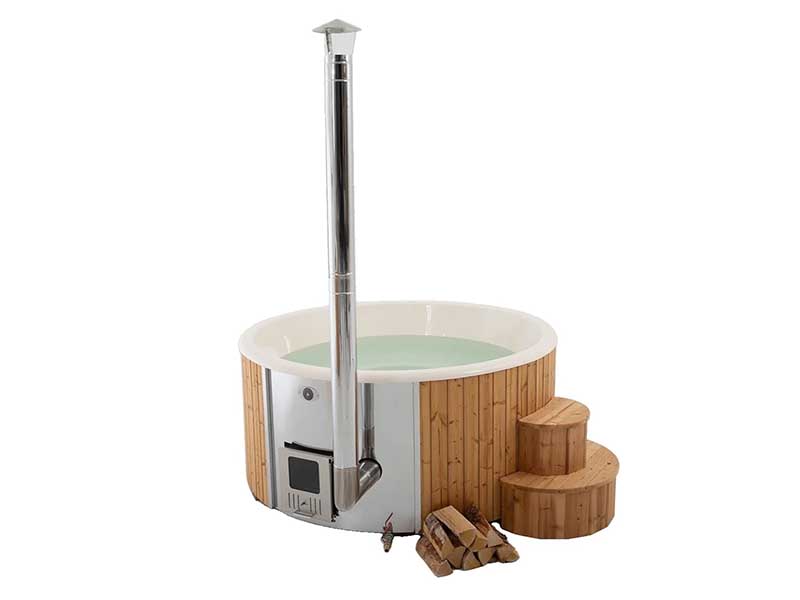
A deluxe wood-fired hot tub turns an ordinary backyard into something between a private mountain retreat and a very comfortable campsite. Instead of pressing a digital button and waiting for an electric heater to do its thing, you build a real fire, listen to the wood crackle, watch steam rise into the evening air, and eventually lower yourself into water that you heated with your own two hands.
That sounds wonderfully rusticand it isbut modern wood-fired hot tubs can also be surprisingly refined. Premium models may include aromatic cedar walls, sculpted benches, stainless-steel heaters, insulated covers, filtration systems, integrated steps, drink ledges, underwater lighting, and handsome exterior finishes. The result is not a rough wooden barrel with questionable plumbing. It is an outdoor soaking experience that combines traditional craftsmanship with thoughtful comfort.
Before ordering one, however, it helps to understand what “deluxe” really means, how wood-fired heating works, what installation involves, and how much participation the tub expects from its owner. Spoiler: the fire does not tend itself, no matter how politely you ask.
What Is a Deluxe Wood-Fired Hot Tub?
A wood-fired hot tub is a soaking vessel heated by a wood-burning stove rather than a conventional electric heating element. Depending on the design, the heater may sit inside the tub behind a protective barrier or outside the tub with pipes carrying water between the vessel and the stove.
Many systems can operate without electricity. Water moves through an external heater by natural convection, commonly called a thermosiphon: cooler water enters the lower part of the heater, becomes warmer, rises, and returns to the tub through an upper connection. Other models use a small circulation pump, particularly when filtration, jets, or hybrid heating equipment is added. Manufacturers commonly describe wood-fired tubs as an appealing option for cabins, remote properties, and owners who want an off-grid soaking setup.
The word deluxe generally describes the quality of the materials and the completeness of the package. A basic model may provide only a tub, heater, chimney, and drain. A deluxe package may add:
- Premium Western red cedar, thermally modified wood, or a durable metal liner
- Contoured interior benches and ergonomic back support
- A powerful stainless-steel internal or external stove
- An insulated, lockable cover
- Integrated filtration and sanitation equipment
- Wide steps, handrails, shelves, and beverage holders
- LED lighting or a low-voltage lighting package
- Protective stove fencing and insulated chimney components
- Hybrid electric or gas backup heating
- Factory-applied exterior finishes
Why Wood-Fired Hot Tubs Feel Different
A traditional electric spa is built primarily around convenience. It keeps water warm, circulates sanitizer, and delivers massage through jets. A wood-burning hot tub is built around ritual. You gather firewood, light the stove, monitor the temperature, stir the water, and prepare the soaking area before anyone steps in.
That extra involvement is not necessarily a disadvantage. For many owners, it is the main attraction. The scent of cedar, the sound of the fire, and the absence of humming pumps can make the experience feel closer to bathing in a natural hot spring than using a conventional backyard spa. Wood-fired models are often chosen by people who value simplicity, quiet operation, craftsmanship, and a stronger connection to the outdoors.
There is also something satisfying about watching cold water gradually become a steaming retreat. It is slow luxurynot “tap an app while sitting on the couch” luxury, but “I made a fire and created my own tiny lake of happiness” luxury.
Choosing the Best Tub Material
Western Red Cedar
Cedar is the classic material for a luxury wooden hot tub. It has a warm color, a recognizable aroma, and natural resistance to moisture and decay. A properly constructed cedar tub also swells slightly after filling, tightening the joints between the staves and helping the vessel become watertight.
New wooden tubs may seep during their initial filling while the dry wood absorbs water and expands. This does not automatically indicate defective construction. Owners should follow the manufacturer’s filling and commissioning instructions rather than immediately attacking every damp seam with a tube of hardware-store sealant.
The exterior may gradually weather to a silvery gray if left untreated. Owners who prefer the original color generally apply a compatible exterior oil or finish at intervals recommended by the manufacturer. Some manufacturers suggest treating exposed cedar every year or two, depending on sun, moisture, and climate.
Metal-Lined and Hybrid Tubs
Some deluxe wood-fired hot tubs combine a wood exterior with an aluminum or stainless-steel interior. Metal liners do not depend on swelling wooden joints to retain water, and their smooth surfaces can be easier to clean. They may also tolerate repeated filling and draining better than traditional all-wood tubs.
The tradeoff is sensory. A metal-lined tub may not provide the same full cedar aroma or traditional interior appearance. Still, it can be an excellent choice for a vacation property, a frequently drained tub, or an owner who wants rustic style without quite as much wooden-vessel maintenance.
Fiberglass or Synthetic Interiors
A molded liner offers familiar spa-like comfort and straightforward cleaning. It may include shaped seats, slip-resistant surfaces, and integrated plumbing. The exterior can still be wrapped in cedar or another attractive material, allowing the tub to look traditional while behaving more like a modern spa.
Internal Versus External Wood Stoves
Internal Submerged Heaters
An internal heater sits partly or fully inside the tub. Because the hot stove is surrounded directly by water, heat transfer can be fast and efficient. The design also eliminates some external plumbing and can produce a compact installation.
The heater occupies interior space, however, and must be separated from bathers by a sturdy protective fence. The chimney and firebox area can become extremely hot, so casual leaning, climbing, or enthusiastic horseplay is not welcome. This is a hot tub, not an audition for an emergency-room documentary.
External Heaters
An external stove sits beside the tub and connects through upper and lower water lines. It preserves more interior seating space and keeps the firebox outside the bathing area. It may also be easier to load with wood and clean out after the fire has cooled.
Natural-convection systems depend on correct heater elevation, pipe layout, and unrestricted water movement. Poor positioning, trapped air, closed valves, or incorrectly sloped connections can reduce circulation and dramatically extend heating time. Installation instructions are therefore not decorative reading material; they are the difference between a hot tub and a lukewarm wooden disappointment.
How Long Does a Wood-Fired Hot Tub Take to Heat?
Heating time varies considerably. Manufacturers commonly describe a range of roughly two to four hours, but the real result depends on water volume, starting water temperature, outside temperature, stove output, firewood quality, wind, insulation, and whether the tub is covered while heating. Smaller tubs with powerful heaters may warm more quickly, while large tubs filled with near-freezing water can require a longer session.
An insulated cover makes a noticeable difference because uncovered water loses heat continuously to the air. Gentle stirring is also important. The water near the heater can become substantially hotter than water on the opposite side of the tub, creating misleading temperature readings and uncomfortable hot spots.
Use Properly Seasoned Firewood
Dry, seasoned wood burns more efficiently and produces more useful heat than wet wood. Penn State Extension notes that firewood commonly needs approximately six to twelve months of proper drying to reach about 20% moisture, a frequently recommended target for effective burning. Properly seasoned fuel also provides more available energy than wetter fuel.
Dense hardwoods generally create longer-lasting coals, while dry softwoods can be useful for getting a fire established quickly. Follow the heater manufacturer’s fuel recommendations. Never burn garbage, painted lumber, pressure-treated wood, plywood, or household construction scraps. Mystery smoke is rarely the deluxe feature anyone hoped to add.
A Practical Heating Routine
- Confirm that the tub is filled to the manufacturer’s required level.
- Verify that all heater connections and water pathways are open.
- Place the insulated cover over as much of the water as safely possible.
- Build a small, hot fire using dry kindling and seasoned firewood.
- Add fuel gradually instead of overloading the firebox.
- Check the water temperature regularly with a reliable thermometer.
- Stir the water to distribute heat before taking a reading.
- Stop adding fuel before the water reaches the final target temperature.
That final step matters because a wood fire does not shut off instantly. The stove and remaining coals continue transferring heat after you stop feeding the fire. Experienced owners learn to approach the target gently rather than charging past it like a locomotive with a chimney.
Site Preparation and Installation
Build a Level, Load-Bearing Foundation
A filled hot tub is extremely heavy. Water weighs approximately 8.34 pounds per gallon, so even a 300-gallon tub contains roughly 2,500 pounds of water before adding the tub, stove, accessories, and occupants. Larger models can create a total load of several thousand pounds.
The foundation must be level, stable, and designed for the completed weight. Depending on the site and manufacturer, suitable options may include a reinforced concrete slab, a properly constructed compacted gravel base, or an engineered platform. A soft lawn, loose soil, or improvised stack of patio blocks is not a deluxe foundation.
Placing a hot tub on an existing deck requires special caution. The American Wood Council states that concentrated loads from hot tubs fall outside the scope of its basic prescriptive residential deck guide. A qualified structural professional should evaluate or design the support system rather than relying on a neighbor who once built a birdhouse.
Plan for Drainage
Water will splash over the rim, drip from bathers, and eventually need to be drained. Position the tub where water can move away from the foundation without flooding a basement, eroding soil, damaging landscaping, or creating an ice rink beside the steps.
Check local rules before discharging treated water. Chlorinated, brominated, or chemically balanced water may need to be neutralized or directed to an approved drainage location. The easiest time to plan a safe drainage route is before several hundred gallons are waiting for instructions.
Respect Fire and Chimney Clearances
Install the stove and chimney according to the manufacturer’s required clearances from walls, fences, roofs, trees, branches, furniture, and combustible surfaces. Local building, fire, air-quality, and burn-ban rules may affect whether and when the heater can be used.
Wood smoke contains fine particles that can irritate the lungs and worsen heart or respiratory conditions. Positioning the chimney correctly, burning dry fuel, and avoiding smoky, smoldering fires can reduce unnecessary exposure. Consider prevailing winds and neighboring properties before placing the tub where the chimney will deliver smoke directly to someone’s bedroom window.
Use Qualified Electrical Help
A fully off-grid tub may not require electricity, but deluxe accessories such as pumps, filtration, jets, lighting, or backup heaters often do. Electrical equipment near water must be installed correctly, protected by the required ground-fault devices, and maintained in safe condition. The National Fire Protection Association recommends using an electrician experienced with the special requirements for pools, spas, and hot tubs.
Water Care and Sanitation
A wood-fired heater changes how the water becomes warm; it does not make sanitation optional. Hot tubs hold relatively small volumes of warm water, and bathers introduce sweat, skin oils, cosmetics, and other organic material. Warm water can support bacterial growth when disinfectant and pH are not properly maintained.
The CDC notes that hot tubs commonly operate in a temperature range favorable to Legionella growth. Aerosols created by bubbling or agitation can spread contaminated droplets into the air. Proper disinfectant levels, pH management, filtration, cleaning, and water replacement are therefore essential whenever water is stored and reused.
Owners generally choose one of two operating styles:
- Fresh-fill operation: Fill the tub for a planned session, use it, and drain it afterward according to local rules.
- Stored-water operation: Keep the tub filled and use an approved filtration and sanitation program between sessions.
Fresh filling can simplify chemical care, but it uses more water and creates repeated heating demands. Stored water is more convenient for frequent use but requires consistent testing, circulation, sanitation, and cleaning. Follow the tub manufacturer’s recommendations because chemical products that are suitable for synthetic spas may affect wood, metal, seals, or heater components differently.
Essential Safety Rules
Do Not Exceed 104°F
The U.S. Consumer Product Safety Commission advises that hot tub water should never exceed 104°F. Excessive heat can increase the risk of overheating, drowsiness, loss of consciousness, and drowning. A temperature near 100°F may be more comfortable for longer soaking sessions, especially for new users.
Use an accurate thermometer rather than trusting your hand, your elbow, or the friend who insists that anything below “lobster temperature” is chilly. Stir the tub before checking because wood-fired systems can develop temperature layers.
Supervise Children and Control Access
Children should never use or approach a hot tub without close adult supervision. Use a secure cover and appropriate barriers to prevent unsupervised entry. Keep users away from drains, suction fittings, pipes, and damaged covers. The CPSC recommends multiple layers of protection, including barriers, self-closing gates, alarms, and compliant drain covers where applicable.
Avoid Alcohol and Impairing Substances
Alcohol, sedating medications, and recreational substances can reduce judgment and increase drowsiness. Combining them with very warm water raises the risk of overheating or losing consciousness. Save the celebratory drinks for after the soakor choose something nonalcoholic that still looks sophisticated in a shatter-resistant cup.
Protect Users From the Stove
Never touch the heater, chimney, door, or exposed metal while the stove is operating. Keep combustible objects away from the firebox. Use the supplied protective fence around an internal heater, and make sure children cannot open the firebox or reach the chimney.
Advantages of a Deluxe Wood-Fired Hot Tub
- Off-grid potential: Many systems require only water, dry firewood, and safe outdoor space.
- Quiet soaking: A basic setup has no continuously running pumps or mechanical hum.
- Atmosphere: Cedar aroma, natural materials, firelight, and steam create a distinctive environment.
- Flexible placement: A tub may suit a cabin or remote property without a large electrical service.
- Strong heat output: A properly sized stove and dry fuel can heat a tub effectively.
- Visual appeal: A handcrafted wooden tub can become the centerpiece of an outdoor living area.
- Intentional use: Preparing the tub encourages owners to slow down and turn soaking into an event.
Potential Drawbacks
- Hands-on heating: Someone must build, feed, and monitor the fire.
- Temperature overshoot: Remaining coals continue heating the water after fueling stops.
- Smoke concerns: Wind, neighbors, air-quality restrictions, and respiratory sensitivity must be considered.
- Water-care responsibilities: Stored water still requires sanitation and testing.
- Firewood storage: Dry fuel needs a protected, ventilated storage area.
- Weather exposure: Wooden exteriors and covers require periodic inspection and care.
- Limited instant access: An unheated tub cannot usually be ready in ten minutes.
Deluxe Features Worth Paying For
An insulated cover is one of the most useful upgrades because it reduces heat loss, keeps debris out, and helps protect the water between sessions. A lockable design can also contribute to safer access control.
Wide exterior steps and a secure handrail improve entry and exit, particularly when surfaces are wet. Interior bench depth matters too. A beautifully photographed tub can become less charming when shorter users discover that the water reaches their nose.
For frequent use, a filtration package may be worth the added complexity. An external stove leaves more room for bathers, while an internal stove may appeal to owners prioritizing compactness and direct heat transfer. Hybrid heating is useful when you want the wood-fire experience on weekends but need an electric system to prevent freezing or maintain water between sessions.
Other worthwhile details include an easy-access drain, replaceable heater connections, a spark arrestor where appropriate, a durable chimney cap, removable benches for cleaning, and a practical equipment enclosure. Decorative accessories are enjoyable, but service access is what makes an owner smile five years later.
Buying Checklist
Before purchasing a deluxe wood-fired hot tub, answer these questions:
- How many adults should the tub seat comfortably?
- Will the tub be filled for each use or kept full?
- Is the site accessible for delivery and installation?
- Can the foundation support the filled weight?
- Is there a safe, legal location for the stove and chimney?
- Are seasonal fire bans common in the area?
- Is dry, seasoned firewood readily available?
- Will filtration, lighting, jets, or backup heat require electricity?
- How will the tub be drained without damaging the property?
- What maintenance does the wood, liner, stove, and cover require?
- Which components are covered by the warranty?
- Are replacement seals, pipes, grates, and stove parts available?
Buy from a manufacturer that provides detailed installation diagrams, clear operating instructions, realistic heating guidance, and accessible replacement parts. A deluxe tub should be more than attractive in photographs. It should be understandable, serviceable, and safe to operate.
Real-Life Experience: An Evening With a Deluxe Wood-Fired Hot Tub
The experience begins hours before anyone gets into the water. In the late afternoon, the cover comes off and the first job is inspection. The water should look clean, the steps should feel stable, and the heater connections should show no signs of leakage. A thermometer floats near the center like a tiny lifeguard preparing for its shift.
Next comes the fire. Dry kindling catches first, followed by several modest pieces of seasoned wood. The goal is not to create a roaring bonfire that can be seen from space. A compact, energetic fire usually works better than a smoky firebox packed so tightly that oxygen has to submit a written request for entry.
Within the first half hour, the chimney warms and the fire settles into a steady rhythm. The water near the heater begins to feel noticeably warmer, but the far side remains cool. This is the moment when a first-time owner learns why stirring matters. After a minute of mixing, the thermometer suddenly gives a more honest reading.
While the tub heats, the waiting becomes part of the evening. Towels are placed within reach. Pathway lights are switched on. A small table receives water bottles, herbal tea, and perhaps a bowl of snacks that will later be ignored because nobody wants to leave the tub. Phones gradually disappear. Conversation slows down.
As the temperature climbs through the 80s and 90s, the fire requires smaller, more deliberate additions. This is where experience makes a difference. A new owner may keep adding wood until the water reaches the target, only to discover that the remaining coals push it several degrees higher. A practiced owner stops feeding the stove early and lets residual heat finish the job.
When the water reaches a comfortable soaking temperature, the cover is removed fully and the tub is stirred once more. Steam rolls across the surface. In cold weather, the contrast is dramatic: shoulders remain warm below the water while the air feels crisp above it. The wooden walls soften the sound of movement, and the fire occasionally snaps behind the stove door.
The first ten minutes often involve more observation than conversation. The cedar scent, dark sky, and moving steam make the backyard feel surprisingly distant from the house. Without powerful jets or a control panel demanding attention, the tub feels calm rather than technological.
That simplicity also reveals whether the design is genuinely deluxe. A comfortable bench allows shoulders to settle naturally. A well-positioned step makes entry feel secure. A drink ledge keeps cups away from the water. A properly placed external heater can be refueled without dripping across the entire deck. Good design is less about adding gadgets and more about removing awkward moments.
After twenty or thirty minutes, everyone checks how they feel. Some people step out, cool down, drink water, and return later. The tub is not a test of endurance. The objective is relaxation, not earning a fictional certificate in extreme soaking.
At the end of the session, the owner’s work resumes. The firebox is allowed to burn down safely. The water is managed according to the chosen sanitation routine. Wet surfaces are cleared, accessories are stored, and the cover is replaced when conditions are safe. Ash is removed only after it has cooled completely and is handled according to local fire-safety guidance.
The evening requires more preparation than using a conventional electric spa, but that preparation gives the experience its character. Lighting the fire creates anticipation. Monitoring the water encourages attention. The soak feels earned without feeling like labor. By the time the last towel is carried indoors, the ordinary backyard has briefly become a retreatand the owner is already mentally scheduling the next fire.
Conclusion
A deluxe wood-fired hot tub is ideal for people who want more than warm water. It offers atmosphere, craftsmanship, off-grid potential, and a soothing outdoor ritual built around fire and natural materials. Premium construction, comfortable seating, safe heater design, an insulated cover, convenient access, and sensible water-care equipment can transform a simple wooden tub into a genuinely luxurious feature.
It is not maintenance-free or instantly ready. Owners must plan the foundation, manage firewood, monitor temperature, maintain sanitary water, respect smoke and fire rules, and protect the tub from weather. For someone who enjoys participation as much as convenience, those responsibilities are part of the appeal rather than a burden.
Choose the right size, confirm local requirements, invest in safe installation, and learn how the heater behaves before inviting a crowd. Do that, and your deluxe wood-fired hot tub can deliver years of memorable eveningsplus the rare opportunity to say, with complete sincerity, “I need to go start the hot tub fire.”
Note: Installation, chimney clearance, water treatment, electrical work, drainage, and operating procedures vary by product and location. Always follow the hot tub and heater manufacturers’ instructions, obtain required permits, observe local burn restrictions, and use qualified structural, electrical, or plumbing professionals where necessary.