Note: Clean body-only HTML for direct web publishing.
Markets love a good story. Actually, that is not quite right. People love a good story. Markets, meanwhile, love money, positioning, liquidity, fear, greed, leverage, and the occasional panic attack dressed up as “healthy consolidation.” The story usually shows up later, hair neatly combed, pretending it was in charge the whole time.
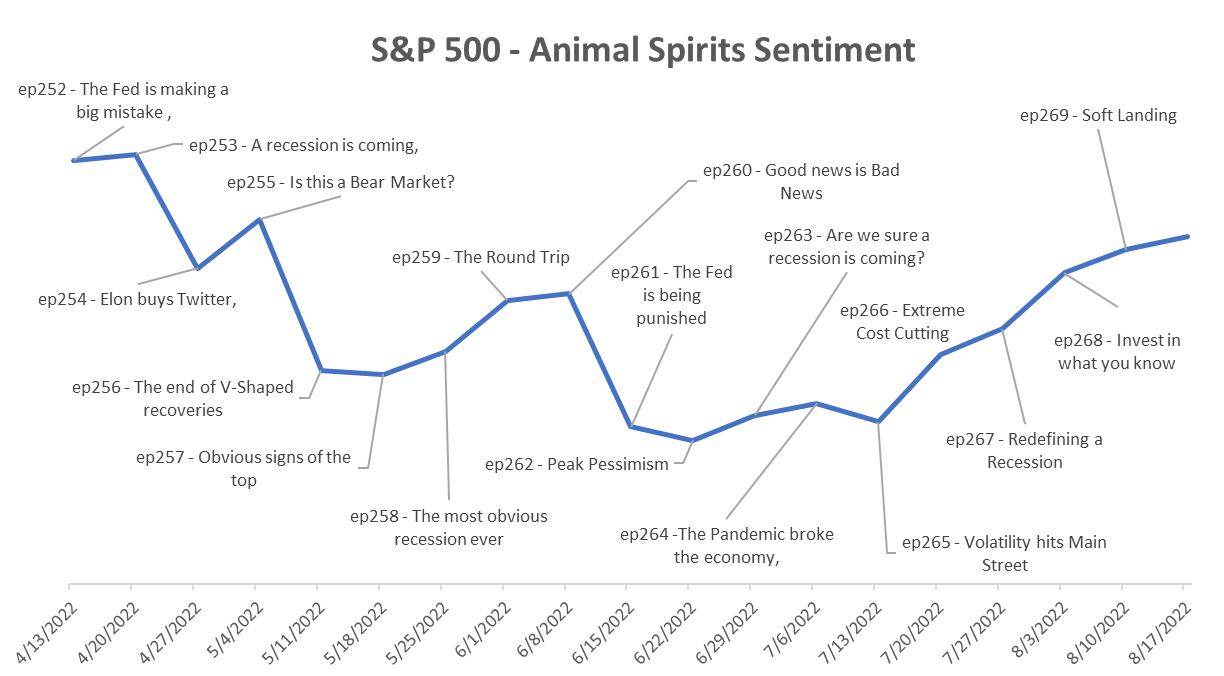
That is the big idea behind the phrase “narrative always follows price in the markets.” It sounds a little cynical, maybe even rude, but it captures a truth that many experienced investors learn the hard way: price action often moves first, and the tidy explanation comes second. By the time financial television has a banner, a hashtag, and a panel of very serious people nodding in agreement, the move is usually already well underway.
This does not mean fundamentals do not matter. They do. Earnings matter. Rates matter. Liquidity matters. Economic data matters. But in real-world markets, investors rarely receive those facts in a neat, perfectly labeled box. Instead, they interpret fragments, react to momentum, watch each other, and then construct a story that makes the move feel obvious in hindsight. In other words, the market writes the headline with price first, and human beings add the explanation after.
Why Price Usually Moves Before the Story
Markets are forward-looking discounting machines. They do not wait for certainty, a ribbon-cutting ceremony, or a signed note from the universe confirming the outlook. They move on expectations, probabilities, and changing odds. That is why market bottoms often occur while the news still looks dreadful, and market peaks often happen while the crowd is still clapping.
This is one reason so many investors feel late to the party. They wait for the narrative to become clear. But clarity is often a lagging indicator. By the time the story feels comfortable, price has already done a good chunk of the work. The classic examples are the sharp rebounds after major selloffs. In the early stages of recovery, the economy may still look weak, earnings may still be ugly, and headlines may still sound like they were written during a thunderstorm. Yet price begins rising anyway because markets are already looking past current pain toward future improvement.
That mismatch makes investors uncomfortable. Human beings want causality in the proper order: good news first, rally second. Markets often reverse that sequence. Rally first, explanation later. Naturally, that feels illegal.
The Market Is Not a Spreadsheet. It Is a Crowd.
Here is where market psychology barges through the front door like it owns the place. Investors are not robots. They are social creatures with biases, blind spots, and a suspicious tendency to become geniuses at tops and philosophers at bottoms. When prices rise, confidence rises. When confidence rises, narratives improve. When narratives improve, more money chases the move. Suddenly, what began as a price trend starts to look like a grand theory of the future.
That feedback loop is powerful. Rising prices create emotional confirmation. A stock, sector, or asset class that keeps working attracts attention, and attention attracts stories. Soon the move is no longer just a move. It becomes a “structural shift,” a “new regime,” or everybody’s favorite phrase, a “once-in-a-generation opportunity.” Markets have heard that line before.
On the way down, the same machine works in reverse. A modest pullback becomes a warning. A deeper drawdown becomes a crisis. After enough red candles, investors do not merely observe risk; they become fluent in it. Commentators discover a dozen reasons the decline was inevitable. The very same asset that looked unstoppable three months earlier now looks obviously doomed. Funny how the facts always seem to get dressed after the party.
Narratives Are Powerful, but They Are Often Late
To be fair, narratives are not useless. Stories help investors organize information. They simplify complexity and create a framework for decision-making. Without narrative, every market move would feel like interpretive dance performed by algorithms and caffeine. The problem is not narrative itself. The problem is timing.
Most narratives become popular after price gives them social proof. A theme can exist for years with little market impact. Then price starts moving, money rotates, performance screens light up, and suddenly the theme becomes “the reason.” This is why investors should be careful about confusing explanation with causation. Sometimes the story is real, but often it becomes convincing only because the chart already looks beautiful.
Think about how trends spread. First, a few investors notice relative strength. Then analysts build models around it. Then media coverage increases. Then the general public hears about it. Then someone at a barbecue explains it with the confidence of a Nobel laureate and the evidence of a squirrel. By that point, the narrative may be everywhere, but the original signal was still price.
Price Action Is Information, Not Decoration
One of the biggest mistakes investors make is treating price action as cosmetic. They assume the “real” work lives only in balance sheets, macro reports, and valuation models, while the chart is just a pretty picture hanging in the hallway. In reality, price contains information. It reflects positioning, expectations, liquidity, risk appetite, and the market’s changing judgment about the future.
No, price is not magic. A chart cannot tell you whether management is competent or whether next quarter’s margins will surprise. But price can tell you whether the market is rewarding or rejecting a thesis in real time. It can tell you whether buyers are persistent, whether sellers are trapped, whether bad news is being ignored, or whether supposedly bullish news cannot push the asset higher. Those clues matter.
This is why so many professionals watch breadth, volume, volatility, and relative strength. A story may sound persuasive, but if participation is narrow, volatility is rising, and leadership is thinning out, the market may be sending a very different message. The tape is not always right, but it is always worth listening to.
Investor Sentiment Loves to Borrow Confidence from Price
Investor sentiment is one of the most underappreciated drivers of market behavior. In calm markets, sentiment seems like a soft, fuzzy concept. In volatile markets, it suddenly feels like the steering wheel. Confidence expands and contracts much faster than most fundamentals do, and price is one of the main things that shapes that confidence.
When prices rise steadily, investors feel smarter, safer, and more willing to take risk. They extrapolate recent gains into the future. They loosen standards. They become more tolerant of high valuations because the market is “rewarding innovation,” “pricing in acceleration,” or “recognizing hidden quality.” Sometimes that is true. Sometimes it is just a polite way of saying, “It has been going up, so I assume it will continue to go up.”
That is how momentum investing and behavioral finance often collide. Momentum works partly because investors underreact, then overreact, and then recruit a narrative to justify both phases. First they are skeptical of the move. Then they accept it. Then they evangelize it. By the end, what began as a market trend has become a worldview.
Volatility Changes the Storytelling Speed
In sleepy markets, narratives evolve like a thoughtful documentary. In volatile markets, they mutate like gossip in a group chat. When the VIX jumps, liquidity thins, or macro headlines hit at machine speed, the narrative cycle accelerates. Every move demands an explanation, even when the honest answer is, “Positioning, leverage, and people losing their minds before lunch.”
That urge to explain every tick creates false precision. A one-day rally becomes a declaration that inflation is solved. A two-day selloff becomes proof that recession is unavoidable. This is why short-term market commentary can be so entertaining and so dangerous. It offers coherence exactly when the underlying environment may be the least coherent.
Volatility also changes time horizons. Long-term investors may treat market swings as noise, but traders and short-term allocators live inside those swings. The same move that looks trivial on a five-year chart can feel like a house fire on a five-minute chart. Different participants tell different stories because they are experiencing different markets, even when they are staring at the same ticker.
Examples of Narrative Chasing Price
1. The Bear-Market Bottom That Nobody Believes
At major bottoms, the news is usually still awful. Economic numbers lag, earnings are weak, and confidence is bruised. Yet price starts climbing because investors begin discounting a less terrible future. The narrative does not turn optimistic until later, after enough gains make the rebound feel respectable.
2. The Hot Theme That Becomes a Religion
A new technology, policy trend, or sector theme starts outperforming. Early buyers may be focused on earnings revision, capital flows, or simple relative strength. But as returns stack up, the theme gains mythology. Now it is not just a trade; it is destiny. That is usually when caution deserves a seat at the table.
3. The Rate-Cut Confusion Trap
Many investors assume a Fed rate cut should automatically lift risk assets or bonds in a clean, cinematic way. Real markets are messier. Prices often adjust before the official move, and different parts of the market respond to expectations for growth, inflation, liquidity, and issuance, not just the headline decision. The story people tell after the meeting is often far simpler than the forces that moved the market before it.
How Smarter Investors Use This Idea
The lesson is not to ignore narratives entirely. The lesson is to stop worshipping them. A good investor asks a slightly rude but very useful question: Is this story leading the market, or is it just explaining what price already did?
That question improves discipline. It helps investors avoid chasing performance dressed as insight. It encourages them to study stock market trends, breadth, volatility, and positioning rather than relying only on the loudest headline in the room. It also reminds them that consensus explanations are often cleanest when opportunity is already smaller.
Practical investors do a few things differently:
- They watch whether price confirms the thesis instead of assuming the thesis is enough.
- They separate long-term fundamentals from short-term storytelling.
- They treat extreme optimism and extreme pessimism with equal suspicion.
- They respect momentum without automatically marrying it.
- They diversify, because even the best-looking narrative can turn into modern art overnight.
The Real Edge Is Humility
The market does not pay investors for sounding brilliant after a move. It pays them for managing risk before the crowd becomes certain. That requires humility. It requires admitting that the story you hear most often may be popular precisely because price already made it feel true.
So yes, narrative matters. Stories can drive capital, shape expectations, and influence behavior. But in markets, the popular story is often a trailing indicator. Price moves, people notice, confidence changes, and only then does the narrative arrive wearing a tie and acting like the boss.
That is why the phrase endures. Narrative always follows price in the markets. Not because stories are fake, but because markets are faster than our explanations. The chart turns first. The crowd catches up later. And by the time the story sounds obvious, the market is usually busy working on the next chapter.
Experience in the Real World: What This Feels Like When You Live Through It
If you spend enough time around markets, you begin to recognize this pattern in your bones. It shows up on ordinary Tuesdays, during ugly corrections, after euphoric breakouts, and especially on those days when a talking head explains the move with total confidence even though the explanation changed three times before lunch. The lived experience of markets is not neat. It is noisy, emotional, and full of people trying to turn uncertainty into certainty with a sentence or two.
Imagine watching a stock grind sideways for months while almost nobody cares about it. Analysts mention it politely, the media mostly ignores it, and social chatter is quieter than a library at nap time. Then the stock starts climbing. At first, the move is dismissed as a bounce. A week later, it is called a technical breakout. A month later, it becomes a “high-conviction winner in a shifting macro regime.” Same company, same basic business, wildly different story. What changed most visibly was not the narrative. It was the price.
The reverse experience is even more educational. A beloved market leader starts slipping. At first, everyone says the decline is healthy. Then they call it a buying opportunity. Then the chart keeps deteriorating, and suddenly the narrative darkens: maybe margins are peaking, maybe competition is rising, maybe the whole theme was overowned. Investors who loved the stock at higher prices now discover reasons to hate it at lower prices. That is not pure analysis. That is market psychology doing cartwheels in business attire.
You see it in index investing too. When the broad market climbs steadily, investors feel brave. They add risk, increase concentration, and tell themselves they are being strategic rather than simply comfortable. After a pullback, the exact same allocation can feel reckless. Nothing about the long-term plan changed overnight, but the emotional experience changed because price changed. The portfolio suddenly feels different even though the investor may own the same assets they loved a month earlier.
Traders feel this phenomenon even faster. One good morning of price action can make the tape feel forgiving, liquid, and full of opportunity. One ugly reversal can make the same market feel hostile and irrational. The stories follow immediately: “buyers are in control,” “macro fears are easing,” “positioning has reset,” “the market is pricing a soft landing.” Sometimes those explanations are useful. Sometimes they are just emotional subtitles attached to movement that is already happening.
The most seasoned investors learn not to become allergic to narratives, but they do stop falling in love with them. They listen, but they verify. They respect a strong trend, but they ask whether participation is broad or narrow. They hear a polished explanation, but they check whether the move started long before the explanation became popular. That habit creates emotional distance, and emotional distance is valuable in markets because price moves fastest when conviction gets sloppy.
In the end, experience teaches a simple lesson: markets rarely feel obvious in real time. They feel confusing, then they feel compelling, and only afterward do they feel logical. That final stage is where people rewrite history and pretend the path was clear all along. It was not. Price moved first, confidence followed, and the narrative came jogging behind trying to look punctual.
Conclusion
If there is one takeaway worth taping to your monitor, it is this: do not let a beautiful story bully you into ignoring what the market is actually doing. Respect fundamentals, study valuations, follow macro conditions, but also watch the tape. Price does not explain everything, yet it often reveals when the crowd is repricing reality before the commentary catches up. In markets, the story may sound smart, but the chart usually spoke first.