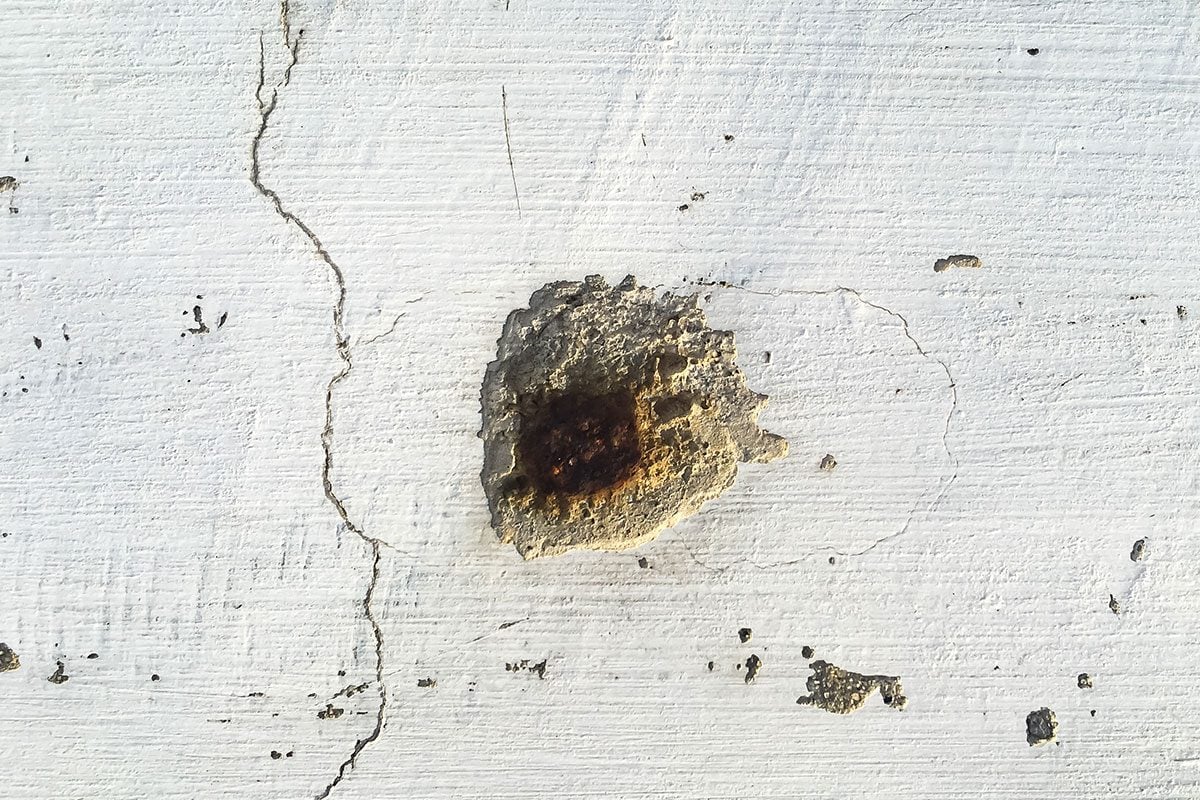
Concrete is supposed to be the strong, silent type. It sits there, takes the weight of cars, washing machines, tool benches, kids’ bikes, storage bins, and the occasional dropped wrench without asking for applause. So when you notice holes in a concrete floor, it feels a little personal. One day your garage or basement slab looks normal; the next, it appears to have been attacked by tiny meteors, angry golf cleats, or a very determined woodpecker with a masonry license.
The good news: not every hole means your floor is doomed. Some concrete floor holes are cosmetic surface defects. Others are signs of moisture, poor finishing, freeze-thaw damage, chemical exposure, weak concrete, corrosion, or hidden voids below the slab. The important part is learning what type of hole you are seeing, why it formed, and whether you can patch it yourself or should call a concrete repair professional.
This guide explains the most common causes of holes in concrete floors, how to tell pitting from popouts and spalling, when basement or garage floor holes are a warning sign, and what repair options actually make sense. Let’s investigate the crime scenemagnifying glass optional, knee pads highly recommended.
What Do “Holes In Concrete Floor” Actually Mean?
Homeowners often use the word “holes” for several different concrete problems. A tiny crater, a shallow pit, a popped aggregate mark, a chipped-out patch, a round drilled opening, and a deep void can all get lumped into the same complaint: “Why does my floor have holes?” But concrete professionals usually separate these defects into categories.
Common Types of Concrete Floor Holes
Pitting looks like small, shallow craters scattered across the surface. It often makes the slab feel rough or sandy underfoot.
Popouts are small cone-shaped holes caused when a piece of aggregate near the surface expands or breaks loose. They can look like tiny volcano craters, minus the dramatic soundtrack.
Spalling happens when chunks or flakes of the concrete surface break away. This can create wider, rougher holes and exposed aggregate.
Delamination is a separation between the top layer and the concrete beneath it. The surface may sound hollow when tapped, then later break open into shallow holes or sheets.
Blisters are hollow bumps formed when air or bleed water gets trapped under a sealed surface during finishing. When the bump breaks, it leaves a small hole or crater.
Honeycombing or voids are larger gaps caused by poor consolidation, missing paste, or improperly placed concrete. These are more serious when they appear in structural areas.
Intentional holes may also exist from old anchors, plumbing penetrations, floor drains, sump systems, test cores, or abandoned utility work. In other words, sometimes the “mystery hole” was made by a person with a drill, not by the concrete goblin living under the slab.
Why Are There Holes In My Concrete Floor?
Concrete holes usually come from one of three broad causes: something went wrong when the slab was placed, something attacked the slab after it cured, or something below or inside the slab changed over time. Here are the most likely explanations.
1. Concrete Pitting From Moisture, Salt, and Surface Wear
Concrete pitting is one of the most common reasons homeowners notice small holes in a garage floor, basement floor, patio slab, or workshop floor. Pitting creates shallow, crater-like marks that often appear in clusters. At first, the problem may look minor. Over time, the surface can become rough, dusty, and harder to clean.
Pitting often happens when water enters the surface pores of the concrete. In cold climates, that water can freeze, expand, and break off small pieces of surface paste. Deicing salts make the situation worse because they increase surface saturation and can weaken the top layer. Even indoor slabs can pit if vehicles bring in salty slush, if the floor is frequently wet, or if cleaning chemicals are harsh.
Poor concrete quality also plays a role. A mix with too much water can cure into a weaker, more porous surface. Inadequate curing can prevent concrete from developing good strength. Overworking the surface during finishing can bring too much paste and water to the top, leaving a weak layer that later breaks down.
2. Popouts From Problem Aggregate
Popouts are small holes that form when a piece of aggregate near the concrete surface expands, fractures, or separates from the surrounding paste. The result is often a neat little cone-shaped cavity. Unlike widespread pitting, popouts may appear as isolated spots.
Some aggregates absorb moisture more readily than others. If an aggregate particle near the surface freezes and expands, it can push off the thin layer of concrete above it. The hole often has a fractured stone at the bottom or a visible aggregate mark nearby. Popouts can be annoying, but they are often more cosmetic than structural unless they are numerous or paired with other slab damage.
3. Spalling From Freeze-Thaw Cycles or Deicing Chemicals
Spalling is the concrete version of peeling paint, except heavier, rougher, and far less charming. It occurs when pieces of the surface break away, leaving rough holes, flakes, or exposed aggregate. In garage floors, spalling often shows up near the car path, at the garage door, or where snow and road salt drip from vehicles.
Freeze-thaw cycles are a major cause. When concrete absorbs water and temperatures drop, the water expands as it freezes. Repeated cycles create pressure in the slab surface. If the concrete was not air-entrained properly, had a weak surface, or was exposed to deicing chemicals too early, spalling becomes more likely.
Spalling can also come from impact, abrasion, poor curing, or corrosion of embedded steel. If you see rusty stains, exposed rebar, or chunks breaking loose near metal reinforcement, the problem may be more than surface wear.
4. Blisters That Break Open
Concrete blisters form during finishing when air or bleed water becomes trapped beneath a surface that has been sealed too early. The top looks hard, but underneath, the concrete is still releasing water or air. Later, those hollow bumps can break under foot traffic, tool carts, vehicle tires, or normal wear, leaving holes in the concrete floor.
Blisters are especially common when finishers trowel too soon, when the slab surface dries faster than the concrete below, or when a sticky mix traps air. Poor lighting during finishing can make small blisters hard to see. The slab may look fine when everyone packs up and leaves, then later reveal little hollow spots like it has been keeping secrets.
5. Delamination Under a Hard-Troweled Surface
Delamination is similar to blistering, but usually larger. It happens when the top layer of a slab separates from the concrete below. This is common in hard-troweled floors, especially when finishing occurs before bleed water has escaped. The steel trowel creates a dense, smooth surface, while water and air remain trapped underneath.
At first, a delaminated area may look normal. Then it may crack, sound hollow when tapped, or break into shallow holes and flakes. A chain drag or hammer tap can sometimes reveal hollow-sounding sections. Delamination is tricky because the floor can wear a convincing disguise: smooth on top, trouble underneath.
6. Poor Finishing Practices
A beautiful concrete floor depends heavily on timing. Finish too early, and bleed water gets trapped. Finish too aggressively, and the surface can become weak or sealed incorrectly. Sprinkle dry cement on top to “tighten” the surface, and you may create a brittle layer that later dusts, scales, or pits. Add water during finishing, and you may dilute the surface paste.
Concrete finishing is a little like making pancakes. Flip too soon, and you make a mess. Wait too long, and the results are tough. Unlike pancakes, though, nobody wants syrup on a garage slab.
7. Weak Concrete Mix or Too Much Water
Concrete needs water to hydrate cement, but too much water is a classic troublemaker. Extra water may make the mix easier to place, but it can leave behind more capillary pores as the slab cures. That means a weaker, more absorbent surface. A high water-cement ratio can contribute to pitting, dusting, scaling, and surface breakdown.
For floors exposed to vehicles, moisture, or freeze-thaw conditions, a durable mix is essential. Exterior and garage slabs usually need proper air entrainment, adequate compressive strength, good drainage, and careful curing. When those details are skipped, holes may appear months or years later.
8. Moisture Moving Through the Slab
Basement concrete floor holes often come with other clues: white powdery residue, damp patches, peeling coatings, musty smells, or flooring that will not stay glued down. These symptoms can point to moisture vapor moving through the slab. Efflorescencethe white powder left behind by dissolved saltsdoes not create every hole, but it is a strong hint that water is traveling through the concrete.
Moisture can worsen existing pits, weaken coatings, and contribute to freeze-thaw damage in unconditioned areas. If you patch holes without solving a moisture issue, the repair may fail. That is when the floor basically says, “Nice patch. Be a shame if something happened to it.”
9. Old Anchor Holes, Fasteners, and Utility Penetrations
Not all holes are defects. Some are leftovers from shelves, machinery, walls, stair railings, workbenches, water heaters, boilers, garage door hardware, or old flooring systems. These holes are usually round, evenly spaced, and too perfect to be natural. If the holes line up like soldiers, they were probably drilled.
Old anchor holes are usually easy to patch if the surrounding concrete is sound. The key is cleaning out dust, removing loose material, and using the right patching compound for the depth and location.
10. Subsurface Voids or Settlement
Deep holes, sinking areas, widening cracks, or hollow sounds may indicate a void below the slab. Soil can wash out because of poor drainage, plumbing leaks, erosion, or inadequate compaction before the slab was poured. A small surface hole may be the first visible sign of a larger empty space underneath.
If the floor is dropping, rocking, cracking badly, or sounding hollow across a large area, do not treat it like a simple patch job. A contractor may need to evaluate whether slabjacking, foam lifting, drainage correction, or partial replacement is needed.
How To Diagnose Holes In A Concrete Floor
Before grabbing a bucket of patch mix, look closely at the damage. A little detective work can save you from repairing the same spot twice.
Check the Size and Pattern
Small scattered holes often point to pitting. Isolated cone-shaped holes suggest popouts. Larger flaky areas may be spalling or delamination. Perfectly round holes in a line are probably old anchors. Random deep holes with cracking or sinking deserve more caution.
Tap the Surface
Use a hammer handle, steel rod, or heavy chain to tap around the damaged area. Sound concrete usually gives a sharp, solid response. Delaminated concrete often sounds hollow or drum-like. If the floor sounds hollow well beyond the visible hole, the damaged area is larger than it looks.
Look for Moisture Clues
White powder, dampness, peeling paint, musty odor, or recurring stains may indicate water movement. In basements, moisture issues should be addressed before applying coatings or decorative overlays.
Probe the Hole
Use a screwdriver or small chisel to check whether the edges are solid. If the concrete crumbles easily, keep removing loose material until you reach sound concrete. Patching over weak material is like putting a bandage on dust. It may look optimistic, but it will not last.
Can You Repair Holes In Concrete Floor Yourself?
Many small concrete floor holes are DIY-friendly. Shallow pits, old anchor holes, minor popouts, and small spalled areas can often be patched with polymer-modified repair mortar, epoxy patch, vinyl concrete patch, or resurfacer. The right product depends on depth, traffic, moisture exposure, and whether the floor will be coated later.
Basic Repair Steps
Start by removing loose or unsound concrete. Use a wire brush, chisel, grinder, or hammer as needed. Vacuum thoroughly. Clean away oil, grease, paint, curing compounds, dust, and old sealers because repair materials need a clean bonding surface.
For deeper holes, square or undercut the edges slightly so the patch locks in mechanically. Shallow holes usually need a fine patching or resurfacing material. Holes deeper than about one inch often need a concrete mix with coarse aggregate or a repair mortar designed for deeper fills. Follow the product instructions carefully, especially for bonding agents, water ratios, working time, and curing.
If the entire floor is pitted but still structurally sound, resurfacing may be better than dot-patching hundreds of tiny craters. A resurfacer can create a fresh wearing surface, but preparation is everything. If the slab is dirty, oily, damp, or unsound, the overlay may fail.
When To Call A Professional
Call a concrete repair professional or structural specialist if you see major settlement, exposed reinforcement, active water leakage, large hollow areas, recurring spalling, deep cracks, or holes that keep growing. Also get help before coating a basement floor with known moisture problems. Concrete coatings are not magic cloaks; they cannot make vapor pressure disappear.
How To Prevent Holes In Concrete Floors
Prevention starts before the slab is poured. A durable concrete floor needs the right mix, proper placement, correct finishing, suitable joints, and good curing. For exterior slabs and garages in cold climates, air-entrained concrete helps resist freeze-thaw damage. Finishers should wait for bleed water to disappear before troweling and should avoid adding water or dry cement to the surface.
After the slab cures, maintenance matters. Keep water from ponding. Improve drainage near garage doors and foundations. Clean road salt from garage floors during winter. Use concrete-safe ice melt sparingly. Seal exterior concrete when appropriate. Avoid harsh chemicals unless the floor is protected for that exposure.
For basements, manage moisture with proper grading, gutters, downspouts, sump systems, vapor barriers where applicable, and waterproofing repairs when needed. A dry slab is a happier slab. It may not send you a thank-you card, but it will usually make fewer holes.
Real-World Experiences: What Homeowners Usually Notice First
One common homeowner experience starts in the garage. The floor looks fine for years, then small holes appear where the car tires sit. The owner blames the vehicle, the kids, the dog, and possibly gravity. But the pattern often tells a clearer story: winter road salt drips from the car, water sits on the slab, and the surface begins to pit or spall. The first holes are tiny. Then sweeping becomes annoying because dust and grit keep coming back. By the time the owner notices, the concrete has been quietly complaining for several seasons.
Another familiar case happens in basements. A homeowner pulls up old carpet or vinyl flooring and discovers little craters, white powder, and rough patches in the slab. The floor was hidden for years, so the damage feels sudden. In reality, moisture may have been moving through the concrete all along. The flooring trapped vapor, adhesives broke down, salts collected at the surface, and weak spots opened up. The best lesson from this scenario is simple: before installing new flooring, test for moisture and repair the cause, not just the visible holes.
Workshops tell their own story. Heavy tools, rolling cabinets, dropped metal parts, and vibration can expose weak concrete quickly. A slab with minor delamination may survive light foot traffic, then start breaking apart once a tool chest rolls over it every weekend. The owner sees holes and thinks the wheels caused them. The wheels may have triggered the break, but the real problem was already hiding under the surface.
Then there are old anchor holes. Someone buys a house and finds a neat row of holes in the concrete floor. Panic begins. Was there a structural problem? A secret laboratory? A portal to the underworld? Usually, no. It may simply be where a previous owner mounted shelving, machinery, a partition wall, or a water heater strap. These holes are often the easiest to fix because the surrounding slab is still solid.
The biggest mistake homeowners make is patching too fast. They buy a tub of repair compound, smear it over dusty concrete, and expect eternal loyalty. A few months later, the patch pops out. Good concrete repair is mostly preparation: remove loose material, clean thoroughly, choose the right product, and let it cure correctly. Concrete is tough, but it is also picky. Treat it well, and those holes are far less likely to make a comeback tour.
Conclusion
Holes in a concrete floor can come from pitting, popouts, spalling, blisters, delamination, old drilled anchors, moisture movement, weak mix design, poor finishing, or subsurface settlement. The size, shape, pattern, and surrounding clues usually reveal the cause. Small surface holes can often be patched or resurfaced, but deeper damage, hollow areas, active moisture, exposed steel, or sinking slabs need professional evaluation.
The smartest approach is to diagnose before you repair. A concrete floor with holes is not always a disaster, but it is always a message. Sometimes it says, “I need a better patch.” Sometimes it says, “Stop feeding me road salt.” And occasionally it says, “Please call someone with more tools than optimism.” Listen carefully, fix the source of the problem, and your slab can return to doing what it does best: being boring, strong, and wonderfully hole-free.