Note: This article is for general educational purposes and should not replace advice from a licensed dermatologist or healthcare professional, especially if acne is painful, spreading, infected, scarring, or not improving with over-the-counter care.
Pimple pus is one of those tiny skin mysteries that can make a person stare into the mirror like a detective in a bathroom-lit crime drama. One day your skin is minding its own business. The next, a white-tipped bump shows up on your chin with the confidence of someone who definitely was not invited.
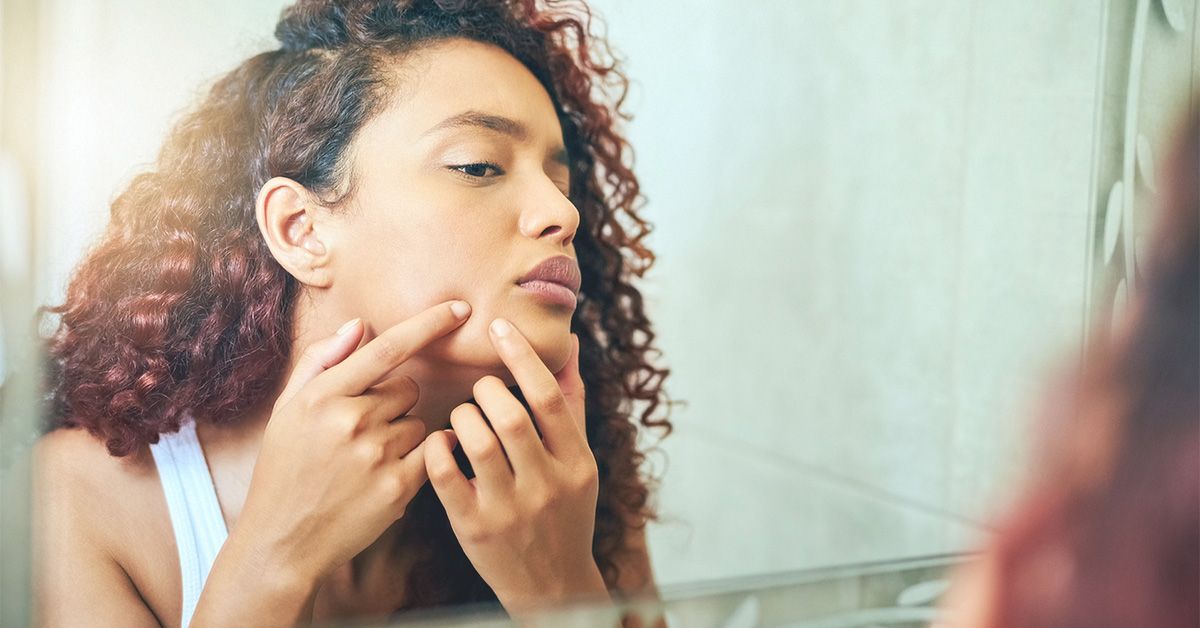
The good news? Pimple pus is common, usually manageable, and not a sign that your skin has betrayed you forever. It is often part of your body’s inflammatory response inside a clogged pore. The not-so-good news? Squeezing it like a toothpaste tube is rarely the heroic move people imagine. In fact, popping pimples can push inflammation deeper, increase the risk of scarring, and turn one small blemish into a longer-running skin saga.
In this guide, we will break down what pimple pus is, why pimples become pus-filled, how to treat them safely, what to avoid, and how to prevent future breakouts without turning your face into a science fair project.
What Is Pimple Pus?
Pimple pus is the whitish, yellowish, or creamy fluid that can appear inside an inflamed acne bump, especially a pustule. It is usually a mixture of oil, dead skin cells, bacteria, immune cells, and cellular debris trapped in or around a clogged hair follicle.
To understand pimple pus, it helps to understand acne. Acne develops when pores become blocked by sebum, which is the oil naturally produced by your skin, along with dead skin cells. When bacteria and inflammation join the party, the clogged pore can swell into a red bump. If the immune system responds strongly, white blood cells move into the area. That response can create pus.
In simple terms, pus is not “dirt” leaving your skin. Your skin is not dirty, lazy, or morally questionable. Pus is a sign that inflammation is happening beneath the surface. The bump may look dramatic, but the biology is fairly routine.
Types of Pimples That May Contain Pus
Pustules
Pustules are the classic pus-filled pimples. They often look like red or inflamed bumps with a white or yellow center. These are the pimples most people are tempted to pop because they appear “ready.” Unfortunately, looking ready and being safe to squeeze are not the same thing.
Papules
Papules are small, red, tender bumps without a visible pus-filled tip. They may feel sore or inflamed. A papule can sometimes develop into a pustule, but trying to force pus out before it reaches the surface can make irritation worse.
Nodules
Nodules are deeper, larger, painful acne lesions under the skin. They may not show pus at the surface, but they can be inflamed and stubborn. These are not DIY extraction candidates. Treat them like tiny underground volcanoes: respect the pressure and call in a professional if needed.
Cysts
Cystic acne can involve painful, pus-filled lumps deep under the skin. Cysts are more likely to scar and often need prescription treatment. Popping cystic acne is especially risky because pressure can rupture the follicle wall deeper inside the skin.
Why Do Pimples Fill With Pus?
Pus-filled pimples usually happen because several acne triggers stack up at once. First, the pore becomes clogged. Then bacteria, oil, and dead skin cells remain trapped. The body notices irritation and sends immune cells to respond. Inflammation increases, and pus may collect in the center of the blemish.
Several factors can make pus-filled pimples more likely:
- Hormonal shifts: Puberty, menstrual cycles, pregnancy, menopause, and certain hormone-related medications can increase oil production.
- Excess oil: More sebum can mean more opportunities for pores to clog.
- Dead skin buildup: When skin cells do not shed smoothly, they can trap oil inside pores.
- Bacteria: Acne-related bacteria can contribute to inflammation inside clogged follicles.
- Comedogenic products: Heavy makeup, greasy sunscreen, hair oils, and pore-clogging moisturizers may worsen breakouts in acne-prone skin.
- Friction: Helmets, masks, tight collars, phone screens, and sweaty workout gear can irritate skin and trigger acne mechanica.
- Picking: Touching, scratching, and squeezing can introduce bacteria and deepen inflammation.
Is Pimple Pus Contagious?
Regular acne pustules are not contagious in the way a cold or flu is contagious. You cannot “catch acne” from someone’s pimple. However, bacteria can spread on the skin, and picking at pimples can create open spots that are more vulnerable to irritation or infection.
This is why clean hands, clean pillowcases, and a hands-off approach matter. Your fingers are useful for many things: texting, making coffee, dramatically closing your laptop. Digging into inflamed pores is not one of their finest jobs.
Should You Pop a Pus-Filled Pimple?
Most dermatology guidance is clear: do not pop pimples at home if you can avoid it. Popping may seem satisfying for three seconds, but the skin often sends an invoice later. Squeezing can push pus, oil, and bacteria deeper into the skin, worsen swelling, prolong healing, and increase the chance of dark spots or scars.
Popping is especially risky if the pimple is deep, very painful, red without a white head, near the nose or lips, or part of cystic acne. These pimples are better treated with topical products, warm compresses, hydrocolloid patches, or professional care.
How to Treat Pimple Pus Safely
1. Cleanse Gently
Wash your face once or twice daily with a gentle, non-drying cleanser. If your skin is oily or acne-prone, a cleanser with salicylic acid or benzoyl peroxide may help. Avoid aggressive scrubbing. Acne is not grout, and your face is not a kitchen tile.
2. Use Benzoyl Peroxide
Benzoyl peroxide is a common over-the-counter acne ingredient that helps reduce acne-related bacteria and inflammation. It can be useful for red, inflamed pimples and pustules. Start with a lower strength if your skin is sensitive, because stronger does not always mean better. Sometimes stronger just means “hello, dryness.”
Apply a thin layer to acne-prone areas or use as directed on the product label. Be careful around towels, pillowcases, and clothing, because benzoyl peroxide can bleach fabric. Your pimple may fade, but so might your favorite navy shirt.
3. Try Salicylic Acid
Salicylic acid helps exfoliate inside pores and loosen dead skin cells that contribute to clogs. It is often useful for blackheads, whiteheads, and mild acne. For pus-filled pimples, it may help prevent new clogs while existing inflammation calms down.
Use it gradually, especially if you already use retinoids, benzoyl peroxide, or exfoliating acids. Too many active ingredients at once can irritate your skin barrier and make breakouts look angrier.
4. Consider Adapalene
Adapalene is an over-the-counter topical retinoid in the United States. It helps prevent clogged pores and can reduce acne over time. It is not an instant spot eraser, but it can be helpful for recurring pimples, especially when used consistently.
Apply a pea-sized amount to the acne-prone area at night, not just one pimple. Start a few nights per week if irritation occurs, then build up as tolerated. Use sunscreen during the day because retinoids can make skin more sun-sensitive.
5. Use a Warm Compress
A warm compress can help soothe tenderness and encourage a surface-level pustule to drain naturally. Soak a clean cloth in warm water, wring it out, and hold it against the pimple for 10 to 15 minutes. Do not press hard. The goal is comfort, not excavation.
6. Protect With a Hydrocolloid Patch
Hydrocolloid pimple patches can help absorb fluid from a surface-level blemish and protect the spot from picking. They are not magic stickers, but they are excellent tiny bouncers that keep your fingers out of the club.
7. Moisturize Anyway
Many people with acne skip moisturizer because they fear oil. But dry, irritated skin can become more reactive. Choose a lightweight, non-comedogenic moisturizer that supports the skin barrier. Balanced skin usually handles acne treatment better than skin that feels like a desert with Wi-Fi.
What to Avoid When Treating Pimple Pus
Do Not Scrub Hard
Scrubbing can damage the skin barrier and increase inflammation. Use fingertips instead of rough washcloths or abrasive brushes.
Do Not Layer Every Acne Product You Own
Benzoyl peroxide, salicylic acid, retinoids, sulfur, clay masks, toners, and exfoliating acids can all be useful in the right context. But using everything at once can create irritation that looks like acne but behaves like a skin tantrum.
Do Not Use Toothpaste
Toothpaste belongs on teeth. It can irritate skin, cause dryness, and make inflammation worse. Your pimple does not need minty confidence.
Do Not Pick Scabs
If a pimple opens or crusts, let it heal. Picking a scab can restart bleeding, increase discoloration, and raise the risk of scarring.
How to Prevent Pus-Filled Pimples
Build a Simple Routine
A good acne routine does not need 14 steps, a jade roller, and the emotional energy of a wedding planner. Most acne-prone skin does well with a basic structure: cleanse, treat, moisturize, and protect with sunscreen.
Choose Non-Comedogenic Products
Look for labels such as “non-comedogenic,” “oil-free,” or “won’t clog pores.” This matters for sunscreen, foundation, concealer, moisturizer, hair products, and anything that touches acne-prone areas.
Wash After Sweating
Sweat itself is not evil, but sweat mixed with oil, friction, and bacteria can trigger breakouts. After workouts, rinse your face and change out of sweaty clothing as soon as practical.
Keep Hair Products Away From Your Face
Pomades, oils, gels, and heavy conditioners can clog pores near the forehead, temples, and jawline. If breakouts cluster around the hairline, your styling products may be sneaking into the plot.
Change Pillowcases Regularly
Pillowcases collect oil, sweat, hair products, and skincare residue. Changing them a few times per week may help reduce irritation, especially if you sleep on your side or stomach.
Be Patient With Treatment
Most acne treatments take weeks to show visible improvement. Switching products every few days can irritate skin and make it harder to know what actually works. Give a routine time, unless it causes burning, swelling, hives, or severe irritation.
When to See a Dermatologist
See a dermatologist or healthcare professional if pus-filled pimples are painful, widespread, deep, recurring, leaving scars, or not improving after consistent over-the-counter treatment. You should also get medical care if a bump becomes increasingly red, hot, swollen, very tender, or drains large amounts of pus, or if you develop fever or feel unwell.
A dermatologist may recommend prescription-strength topical retinoids, topical antibiotics, benzoyl peroxide combinations, azelaic acid, oral antibiotics, hormonal treatments, spironolactone, isotretinoin, cortisone injections, or professional extraction depending on the acne type and severity.
Common Myths About Pimple Pus
Myth: Pus Means Your Skin Is Dirty
False. Acne is not caused by poor hygiene. Clogged pores, oil production, inflammation, bacteria, hormones, and genetics all play roles. Washing too often can actually worsen irritation.
Myth: The More a Product Burns, the Better It Works
Nope. A mild tingle can happen with some products, but burning is not a badge of honor. Burning often means irritation, especially if it continues or causes peeling and redness.
Myth: Popping Makes Pimples Heal Faster
Sometimes a popped pimple looks flatter right away, but the damage beneath the skin can extend healing time. A flatter bump with a future dark mark is not exactly a bargain.
Myth: Adults Should Not Get Pimples
Adult acne is common. Hormones, stress, skincare products, medications, and genetics can all contribute. Your skin did not miss a maturity meeting; it is just skin.
Real-Life Experience: What Pimple Pus Teaches Most People the Hard Way
Almost everyone with acne has had a moment of negotiation with a pus-filled pimple. It usually happens before a date, a job interview, a family photo, or any situation where life has decided that your face should add a surprise guest star. The pimple looks obvious, the white center looks removable, and the mirror seems to whisper, “Just one little squeeze.” This is the exact moment when good skincare intentions put on roller skates and head downhill.
A common experience goes like this: a small pustule appears near the chin or nose. At first, it is mildly annoying but manageable. Then the person pokes it “just to check.” Checking becomes pressing. Pressing becomes squeezing. Suddenly the spot is redder, wider, and angrier. The original pimple was small enough to hide with concealer; the new version looks like it has a press conference scheduled.
The lesson is not that people are careless. The lesson is that pimple pus creates a powerful illusion. Because the pus is visible, it feels like the problem is sitting on top of the skin. But acne inflammation often extends below what you can see. When you squeeze, pressure does not politely move only upward. It can also move sideways or deeper, irritating surrounding tissue. That is why a pimple can look worse after popping even if some fluid came out.
Many people also learn that drying out a pustule is not the same as healing it. After a breakout, it is tempting to attack the spot with benzoyl peroxide, salicylic acid, clay mask, alcohol toner, tea tree oil, and maybe a prayer. But over-treating can make the surrounding skin peel, crack, and sting. Once the skin barrier is irritated, even gentle products can feel spicy. A better experience usually comes from using one proven active ingredient, moisturizing, and giving the blemish time.
Another real-life pattern is the “almost healed” mistake. The pus is gone, the bump is flatter, and a tiny scab remains. This is when many people pick again, thinking they are removing dry skin. Unfortunately, picking the scab often resets the healing clock. The spot may bleed, crust again, or leave a darker mark that lasts much longer than the original pimple. In many cases, the post-pimple mark becomes more frustrating than the pimple itself.
People who finally switch to a hands-off approach often notice a quieter kind of progress. A hydrocolloid patch keeps fingers away. A warm compress reduces tenderness. A low-strength benzoyl peroxide product helps inflamed spots. A gentle moisturizer prevents the tight, flaky feeling that leads to more irritation. Results may not be instant, but the skin usually looks calmer after a few days than it would after repeated squeezing.
The most useful experience-based rule is simple: treat pimples like inflamed skin, not like clogged plumbing. Your face is not a sink drain. You do not need to force everything out. Reduce inflammation, prevent new clogs, protect the barrier, and let the immune system finish its job. It is less dramatic than popping, but it is also less likely to leave behind scars, dark spots, or regret.
Conclusion
Pimple pus is a normal part of many inflammatory acne breakouts, especially pustules. It forms when oil, dead skin cells, bacteria, and immune activity collect inside a clogged pore. While a white-tipped pimple can be tempting to pop, squeezing often makes acne more inflamed and increases the risk of scarring, infection, and lingering dark spots.
The best approach is steady and gentle: cleanse without scrubbing, use proven acne ingredients like benzoyl peroxide, salicylic acid, or adapalene as appropriate, moisturize with non-comedogenic products, protect your skin from the sun, and keep your hands away from healing blemishes. If pimples are painful, deep, frequent, or leaving marks, a dermatologist can offer stronger and more targeted treatment.
In short, pimple pus is not a personal failure. It is biology doing biology things. Your job is not to win a wrestling match with your pores. Your job is to support healing, prevent future clogs, and resist the bathroom mirror drama.