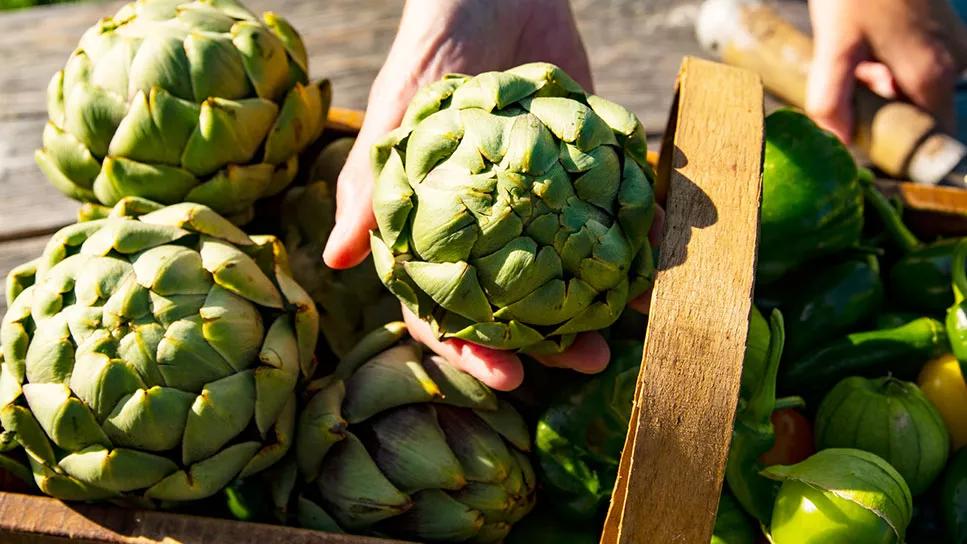
Artichokes look like vegetables designed by a committee that could not agree on whether dinner should be a flower, a thistle, or a small medieval weapon. Beneath those tough green leaves, however, is a tender heart packed with fiber, minerals, folate, and plant compounds.
A medium cooked artichoke contains roughly 60 to 65 calories, about 7 grams of dietary fiber, approximately 3.5 grams of protein, and useful amounts of potassium, magnesium, vitamin C, folate, and vitamin K. That is an impressive nutritional résumé for something commonly introduced to the world under a blanket of cheese dip.
The health benefits of artichokes come primarily from eating them as part of an overall nutritious diet. Artichoke leaf extracts are also sold as supplements, but supplements are more concentrated, have different safety considerations, and should not be treated as interchangeable with the vegetable.
Artichoke Nutrition at a Glance
Artichokes are naturally low in fat, contain no dietary cholesterol, and provide a surprisingly large amount of fiber for their calorie count. Depending on size and preparation, one cooked artichoke may supply around one-quarter of the fiber many adults need in an entire day.
They also contain several phytochemicals, including chlorogenic acid, cynarin, luteolin, and other polyphenols. These compounds are being studied for their antioxidant and metabolic effects, although eating artichokes should not be viewed as a cure for any disease.
1. Artichokes Support Regular Digestion
Fiber is the headline act in the artichoke nutrition show. A medium cooked artichoke provides approximately 7 grams, which is more than many popular fruits and vegetables deliver in a typical serving.
Insoluble fiber adds bulk to stool and helps material move through the digestive tract. Soluble fiber absorbs water and forms a gel-like substance that can make digestion more gradual. Together, these fibers may support regular bowel movements and reduce the likelihood of constipation.
There is one practical catch: suddenly doubling your fiber intake can make your stomach file a formal complaint. Increase high-fiber foods gradually and drink enough water, especially when your current diet contains more drive-through bags than vegetables.
2. They Help Feed Beneficial Gut Bacteria
Artichokes contain fermentable carbohydrates, including inulin-type fibers. These compounds act as prebiotics, meaning they provide fuel for certain beneficial microorganisms living in the colon.
When gut bacteria ferment prebiotic fiber, they produce short-chain fatty acids. These substances help support the intestinal lining and play roles in immune signaling, appetite regulation, and inflammation control.
That does not mean artichokes will instantly rebuild the gut microbiome after one heroic dinner. The microbiome responds to the overall pattern and variety of fiber-rich foods consumed over time. Beans, oats, onions, garlic, asparagus, fruit, and whole grains can join the party too.
3. Their Fiber May Help You Feel Full Longer
Artichokes offer substantial volume and fiber for relatively few calories. Fiber slows the movement of food through the digestive system and contributes to fullness after a meal. The vegetable also requires actual chewing, scraping, and leaf-by-leaf participation, so it is not exactly the kind of food most people accidentally inhale during a television commercial.
This makes steamed or roasted artichokes useful for weight management. They can add bulk to meals without contributing large quantities of calories, provided they are not submerged in butter, mayonnaise, or a bubbling lake of cream cheese.
No individual food causes fat loss. However, replacing calorie-dense appetizers with fiber-rich vegetables can make it easier to feel satisfied while maintaining an appropriate energy intake.
4. Artichokes May Promote Steadier Blood Sugar
Whole artichokes contain carbohydrates, but much of their carbohydrate content comes from fiber. Fiber slows digestion and may reduce how quickly glucose enters the bloodstream after a meal.
Artichokes also have a low calorie density and contain very little naturally occurring sugar. Pairing artichokes with protein and healthy fatsuch as grilled fish, beans, chicken, olive oil, or plain Greek yogurtcan create a balanced meal that is more satisfying than refined carbohydrates eaten alone.
People with diabetes still need to consider the complete meal, portion sizes, medications, and individual glucose responses. Artichokes can support a blood-sugar-conscious eating pattern, but they do not replace prescribed treatment or professional nutrition advice.
5. They Provide Heart-Friendly Fiber
Soluble fiber can bind with bile acids in the digestive tract. Because the body uses cholesterol to make more bile, this process may contribute to healthier LDL cholesterol levels when fiber-rich foods are consumed regularly.
Observational evidence consistently associates diets rich in vegetables, fruits, legumes, and whole grains with better cardiovascular outcomes. Artichokes fit naturally into that pattern because they contribute fiber without saturated fat or cholesterol.
What About Artichoke Extract for Cholesterol?
Some studies have investigated concentrated artichoke leaf extract for cholesterol reduction. Results have been inconsistent, and the National Center for Complementary and Integrative Health states that artichoke extract has not been clearly shown to be effective for cholesterol management.
In other words, enjoy artichokes as food, but do not cancel your statin prescription because a supplement bottle features an enthusiastic green leaf. Discuss supplements with a healthcare professional, particularly when you take cholesterol, blood pressure, or blood-thinning medication.
6. Potassium and Magnesium Support Healthy Blood Pressure
Artichokes provide both potassium and magnesium. Potassium helps the body manage sodium and supports normal fluid balance. It also contributes to healthy blood vessel function. Magnesium participates in hundreds of enzyme systems and is involved in nerve function, muscle contraction, blood glucose control, and blood pressure regulation.
Clinical research on artichoke supplements has suggested possible modest blood pressure effects in some groups, but the evidence is limited. The more dependable strategy is to build a dietary pattern rich in vegetables, fruit, legumes, whole grains, and other sources of potassium and magnesium while managing sodium intake.
People with kidney disease or conditions that interfere with potassium handling may need to restrict potassium. Certain medications can also raise potassium levels, so individualized medical advice is important.
7. Artichokes Supply Antioxidant Plant Compounds
Artichokes contain vitamin C and a collection of polyphenols, including chlorogenic acid and luteolin-related compounds. Antioxidants help neutralize unstable molecules known as free radicals before they can contribute to cellular damage.
Laboratory analyses have placed cooked artichokes among vegetables with high antioxidant capacity. Research also suggests that steaming, boiling, and other cooking methods can increase the extractability of certain antioxidant compounds by softening the plant structure.
Antioxidant capacity in a laboratory does not automatically translate into protection from a specific disease in humans. Still, regularly eating a variety of colorful plant foods is a practical way to obtain many different antioxidant and anti-inflammatory compounds. Artichokes deserve a seat at that table, even though they insist on arriving dressed like a pine cone.
8. Their Folate Supports Cell Growth and Development
Artichokes are a useful vegetable source of folate, also called vitamin B9. The body needs folate to make DNA, produce new cells, and support normal cell division.
Folate is especially important before and during pregnancy because it supports embryonic and fetal development. Eating folate-rich foods such as artichokes, leafy greens, beans, citrus fruit, and avocados can contribute to an adequate intake.
Food sources do not eliminate the need for recommended prenatal folic acid. Anyone who is pregnant, planning pregnancy, or capable of becoming pregnant should follow guidance from a qualified healthcare professional regarding supplementation.
9. Artichoke Compounds May Support Liver Function
Artichoke leaf extracts have a long history of traditional use for digestive and liver complaints. Modern studies have examined whether concentrated extracts affect liver enzymes, bile production, or markers associated with nonalcoholic fatty liver disease.
Some systematic reviews have reported improvements in certain liver enzyme measurements among participants receiving artichoke supplementation. However, the studies vary in quality, dosage, duration, and participant characteristics. Improvements in laboratory numbers do not prove that artichoke extract prevents or cures liver disease.
Whole artichokes can certainly be part of a liver-friendly dietary pattern because they are fiber-rich and low in saturated fat. Anyone with abnormal liver tests, fatty liver disease, hepatitis, gallstones, or bile duct problems should seek medical care rather than attempting a botanical do-it-yourself repair.
10. They Deliver Several Nutrients in One Low-Calorie Food
The final benefit is not one dramatic compound but the entire nutritional package. Artichokes provide fiber, folate, potassium, magnesium, vitamin C, vitamin K, and small amounts of several B vitamins and minerals.
Magnesium supports muscles, nerves, blood pressure regulation, and energy metabolism. Vitamin C contributes to collagen formation, immune function, and antioxidant protection. Vitamin K participates in normal blood clotting and bone metabolism, while folate supports cell division.
No single serving supplies everything the body needs, but nutrient-dense foods make it easier to build a high-quality diet. Artichokes are especially useful for people who want more plant variety without adding large amounts of calories, refined carbohydrates, or saturated fat.
Fresh, Frozen, Canned, or Marinated: Which Is Healthiest?
Fresh Artichokes
Fresh artichokes deliver the full leaf-to-heart experience. Steam, boil, roast, grill, or pressure-cook them until the outer leaves pull away easily. Remove the fuzzy choke before eating the heart.
Frozen Artichoke Hearts
Frozen hearts are convenient, usually require little preparation, and work well in pasta, soups, grain bowls, omelets, and roasted vegetable dishes. Choose products without heavy sauces when you want maximum control over sodium and fat.
Canned Artichoke Hearts
Canned artichokes remain nutritious, but sodium levels vary widely. Drain and rinse them to remove some surface sodium. Compare Nutrition Facts labels instead of assuming every can contains the same amount.
Marinated Artichokes
Marinated hearts can be flavorful and perfectly reasonable in moderate portions. Oil increases the calorie content, while salty marinades may increase sodium. They are best treated as a concentrated ingredient rather than an unlimited free-range snack.
Possible Side Effects and Precautions
Artichokes are safe for most people when eaten as food. Their fiber and fermentable carbohydrates can cause gas, bloating, or abdominal discomfort, particularly when someone is not accustomed to high-fiber meals.
Artichokes belong to the Asteraceae family, which also includes ragweed, daisies, chrysanthemums, and marigolds. People with allergies to related plants may be more likely to experience a reaction.
Concentrated artichoke extracts may stimulate bile flow. People with gallstones, blocked bile ducts, or certain gallbladder conditions should not use these supplements without medical guidance. Supplements may also interact with medication, and their potency can vary by product.
Practical Experiences: What Eating More Artichokes Is Really Like
Knowing that artichokes contain fiber and antioxidants is useful. Knowing what happens when one appears on your cutting board looking like an armored houseplant is arguably more useful.
The First Fresh Artichoke Often Feels More Complicated Than It Is
Many first-time cooks stare at a fresh artichoke and assume specialized equipment, an advanced culinary degree, and perhaps written permission from Italy will be required. In reality, the basic process is simple. Trim the stem, remove damaged outer leaves, cut off the sharp top, rub the cut surfaces with lemon, and steam the artichoke until a leaf pulls away without a wrestling match.
Eating it is slower than preparing it. Pull off one leaf, dip the base lightly into a sauce, scrape the tender flesh with your teeth, and discard the fibrous remainder. Continue until reaching the fuzzy choke, remove that layer, and enjoy the heart. The payoff is buttery, slightly nutty, and far more satisfying than its defensive architecture suggests.
Canned Hearts Are the Gateway Artichoke
For everyday meals, canned or frozen artichoke hearts are often the easiest starting point. They remove the trimming, steaming, scraping, and suspense. A drained can can be added to scrambled eggs, pizza, pasta, chicken dishes, salads, wraps, or white bean soup in minutes.
Rinsing canned hearts improves their flavor when the packing liquid is salty or metallic. Patting them dry before roasting is equally important. Wet artichokes tend to steam and become soft; dry ones develop browned edges and a deeper, almost savory flavor.
A reliable combination is artichoke hearts, olive oil, lemon juice, garlic, black pepper, and a modest amount of Parmesan. Roast until the edges become crisp. The result works as a side dish, salad topping, or snack that makes plain vegetables feel as though they finally hired a publicist.
Fiber Benefits May Arrive With an Adjustment Period
People who rarely eat legumes, vegetables, or whole grains may notice increased gas after adding artichokes. That does not necessarily mean the food is unsuitable. Gut bacteria ferment some of the fibers, and the digestive system may need time to adjust.
Start with a small portion rather than consuming an entire family-sized jar in one sitting. Combine it with water, regular movement, and a gradual increase in other fiber-rich foods. Persistent pain, severe bloating, or digestive symptoms that interfere with daily life deserve professional evaluation.
The Cooking Method Can Change the Entire Experience
Boiled artichokes are soft and mild. Steamed artichokes retain a little more structure. Grilled halves develop smoky edges, while roasted hearts become concentrated and crisp. Someone who dislikes one version may enjoy another, just as a person can dislike boiled Brussels sprouts yet mysteriously empty a tray of roasted ones.
Dips also matter. Traditional melted butter is delicious but easy to overuse. Lighter options include lemony Greek yogurt, hummus, mustard vinaigrette, salsa verde, or olive oil mixed with herbs. These sauces complement the vegetable without turning a 60-calorie artichoke into a 600-calorie delivery vehicle.
Artichokes Work Best as Part of a Meal, Not a Miracle
The most realistic benefit comes from substitution. Artichokes may replace chips in an appetizer, add fiber to a pasta dish, increase vegetable volume in an omelet, or make a grain bowl more satisfying. Those small changes matter because they can be repeated.
Expecting artichokes to detox the liver, erase cholesterol, or independently produce weight loss creates the wrong standard. Food supports health through consistent patterns. Artichokes contribute fiber and nutrients; they do not arrive wearing a cape.
Easy Ways to Add Artichokes to Your Diet
- Roast artichoke hearts with garlic, lemon, and black pepper.
- Add chopped hearts to omelets, frittatas, or egg-white scrambles.
- Mix them into quinoa, farro, brown rice, or white bean salads.
- Blend artichokes with beans and Greek yogurt for a lighter dip.
- Use them as a pizza topping with tomatoes, spinach, and mushrooms.
- Stir frozen artichoke hearts into soups and slow-cooker meals.
- Serve a steamed whole artichoke with a lemon-herb yogurt sauce.
Conclusion
The health benefits of artichokes begin with an unusually generous supply of fiber. That fiber can support regular digestion, beneficial gut bacteria, fullness, heart health, and steadier post-meal blood sugar. Artichokes also contribute potassium, magnesium, folate, vitamin C, vitamin K, and antioxidant polyphenols.
Research involving concentrated artichoke extract has produced interesting findings related to cholesterol, blood pressure, digestion, and liver enzymes, but the evidence remains mixed and should not be confused with the established benefits of eating fiber-rich vegetables.
Fresh artichokes reward patient diners, while frozen and canned hearts make the same vegetable considerably less dramatic. Whichever form you choose, watch the added sodium, oil, butter, and creamy sauces. The artichoke has already done the nutritional work; it does not need to be rescued by half a brick of cheese.