Summer container gardening can feel like trying to keep a salad fresh on a dashboard. One minute your patio looks like a magazine spread; the next, your petunias are dramatically fainting like Victorian poets. The good news? Some container garden plants do not merely survive heatthey practically put on sunglasses and ask for more.
If your deck, balcony, porch, or front steps bake through July and August, choosing the right plants matters more than buying the fanciest pot in the garden center. Containers heat up faster than garden beds, dry out quickly, and give roots less room to escape temperature swings. That means your summer container plants need three superpowers: heat tolerance, good drainage tolerance, and enough staying power to keep blooming when everyone else is quietly becoming compost.
Below are 15 heat-tolerant container plants that bring color, texture, pollinator appeal, and low-drama beauty to hot-weather gardens. Some are flowering annuals, some are tough herbs, and a few are tropical-looking performers that can turn a plain patio into a tiny vacation spot. No passport requiredjust a watering can and a pot with drainage holes.
What Makes a Great Summer Container Plant?
A strong summer container plant should handle full sun, warm roots, quick-drying potting mix, and the occasional “oops, I watered you later than planned” moment. That does not mean neglect is a gardening strategy. It simply means these plants are more forgiving than delicate cool-season flowers.
For best results, use a lightweight, well-draining potting mix rather than heavy garden soil. Garden soil can compact in pots, blocking oxygen from roots and turning watering into a tiny swamp management project. Containers should always have drainage holes, because even heat-loving plants dislike sitting in soggy soil. Think “moist but breathing,” not “plant soup.”
Also consider pot size. A small pot may look adorable, but in hot weather it can dry out before lunchtime. Larger containers hold moisture longer and protect roots from temperature swings. Light-colored containers can also help reduce heat buildup compared with dark pots that absorb the sun like a frying pan.
15 Container Garden Plants That Breeze Through Summer’s Heat
1. Lantana
Lantana is the patio plant equivalent of a beach chair with confidence. It loves full sun, handles heat beautifully, and produces clusters of cheerful flowers in yellow, orange, red, pink, purple, white, and multicolor blends. Butterflies and hummingbirds are frequent visitors, which makes lantana a great choice for gardeners who want their containers to feel lively.
Use lantana as a “filler” or “spiller” in mixed containers, depending on the variety. Upright types add body, while trailing types tumble over the edge of a pot. Let the soil dry slightly between waterings, and trim leggy stems to encourage fresh growth. In warm climates, choose non-invasive or sterile varieties when available.
2. Vinca
Annual vinca, also called Madagascar periwinkle, is one of the best container plants for hot, sunny sites. It has glossy leaves, tidy flowers, and a calm personality. While some plants begin negotiating with the sun by noon, vinca keeps blooming in shades of pink, white, lavender, red, and coral.
The secret to happy vinca is drainage. This plant is heat-loving and fairly drought tolerant, but it does not appreciate wet feet. Use it in containers where excess water can escape easily. Avoid crowding it with thirsty companions that require constant moisture, or you may accidentally create a roommate conflict in pot form.
3. Portulaca
Portulaca, often called moss rose, is a tiny but mighty plant with succulent leaves and bright, jewel-toned flowers. It thrives in sunny, dry spots and is ideal for shallow bowls, window boxes, and hanging baskets. If your container garden has a hot corner that feels closer to a pizza oven than a porch, portulaca deserves an audition.
Its flowers often open wide in sunshine and may close during cloudy weather or at night. Use portulaca as a spiller near the rim of containers, where its trailing stems can soften the edge. Water sparingly compared with thirstier annuals, and give it full sun for the best flower show.
4. Zinnia
Zinnias bring summer color with the enthusiasm of confetti. They come in many heights, shapes, and colors, from compact container-friendly varieties to taller cutting-garden types. For pots, choose shorter or disease-resistant varieties such as Profusion, Zahara, or other compact series.
Zinnias prefer full sun and well-drained soil. They bloom heavily through summer, attract butterflies, and make cheerful cut flowers. Give them room for air circulation, avoid splashing the foliage when watering, and remove old blooms if you want to encourage more flowers. Zinnias are easy, bright, and wonderfully unsubtlein the best possible way.
5. Marigold
Marigolds are the dependable friends of the summer garden. They are colorful, affordable, and cheerful enough to make even a boring plastic nursery pot look like it tried. French and signet marigolds are especially useful in containers because they stay more compact than tall African types.
Marigolds like full sun and well-drained soil. They tolerate dry conditions better than soggy ones, so do not overwater them in an attempt to be loving. Deadheading spent flowers can keep plants looking tidy and encourage continued bloom. Their sunny yellow, orange, red, and bicolor flowers pair beautifully with purple salvia, blue angelonia, or trailing sweet potato vine.
6. Pentas
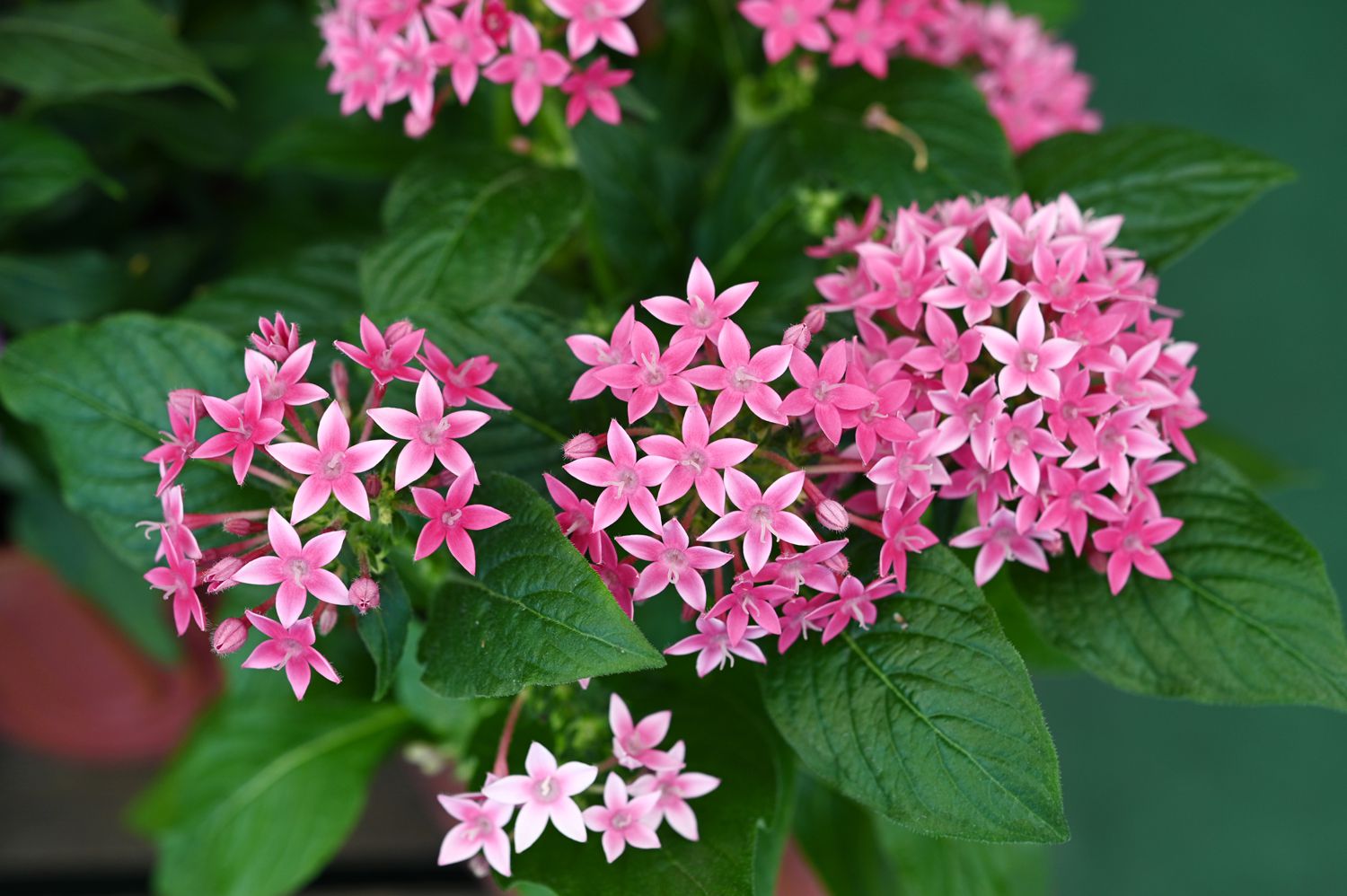
Pentas bring clusters of star-shaped flowers that butterflies and hummingbirds love. They bloom in red, pink, lavender, white, and rose tones, and they handle summer heat with impressive stamina. In containers, pentas work well as mid-height fillers or focal plants, especially in sunny patios and warm climates.
Plant pentas in full sun with well-drained potting mix. Water regularly while they establish, then water as needed during dry spells. They appreciate occasional feeding, especially in containers where nutrients wash out faster than in garden beds. If plants get lanky, light pinching can encourage bushier growth.
7. Salvia
Salvia is a summer workhorse with vertical flower spikes that give containers height and movement. Many salvias are drought tolerant once established, and their tubular flowers are magnets for hummingbirds and butterflies. Scarlet salvia, blue salvia, and newer compact varieties all make excellent container choices.
Use salvia as the “thriller” in a container design. Its upright shape contrasts nicely with mounding plants like vinca and trailing plants like calibrachoa. Most salvias prefer full sun and well-drained soil. Trim faded spikes to keep the plant neat and encourage new blooms. Salvia is proof that practical plants can still look like they dressed up for the party.
8. Angelonia
Angelonia is often called summer snapdragon, which is accurate if snapdragons went to summer boot camp and came back tougher. It produces upright spikes of small flowers in purple, lavender, pink, white, and bicolor shades. Unlike traditional snapdragons, angelonia keeps performing when the weather turns hot.
This plant is excellent in containers, window boxes, and mixed patio planters. It likes full sun, good drainage, and moderate watering. Once established, it handles heat and short dry spells well. Taller varieties add vertical interest, while compact types fit beautifully into smaller pots. It also attracts pollinators without demanding constant attention.
9. Calibrachoa
Calibrachoa, sometimes called million bells, looks like a miniature petunia with a more relaxed attitude. It blooms heavily in containers and hanging baskets, spilling over edges in clouds of small flowers. Colors range from sunny yellow and orange to pink, purple, red, white, and dramatic bicolors.
Calibrachoa performs especially well in soilless potting mix with excellent drainage. It prefers full sun and regular feeding because it flowers so heavily. Avoid letting the roots stay wet for long periods. In hot weather, check hanging baskets often, since they dry out quickly and may need daily watering.
10. Gomphrena
Gomphrena, also called globe amaranth, produces round, papery flowers that look like tiny party decorations. It handles heat, tolerates dry spells, and keeps its shape nicely in containers. The flowers come in purple, magenta, pink, white, red, and orange, depending on the variety.
Gomphrena is a terrific choice for gardeners who want long-lasting color without constant fuss. It attracts bees and butterflies, and the blooms can also be dried for arrangements. Give it full sun, avoid soggy soil, and pair it with fine-textured plants for contrast. It is compact, durable, and much tougher than its cute little flowers suggest.
11. Cuphea
Cuphea is a fun container plant with narrow tubular flowers that hummingbirds adore. Common types include cigar plant, bat-faced cuphea, and Mexican heather. It brings a slightly quirky charm to summer potsthe good kind of quirky, like a garden gnome who knows jazz.
Most cupheas enjoy full sun to part sun and well-drained soil. They bloom generously through summer and can handle heat better than many softer annuals. Use cuphea as a filler in pollinator containers with lantana, salvia, pentas, or angelonia. Keep it watered during long dry stretches, especially in smaller pots.
12. Gaura
Gaura, also known as wandflower, has airy stems with fluttering flowers that look like tiny butterflies. It brings movement and softness to containers without making the design feel heavy. White and pink varieties are common, and compact cultivars are best for pots.
Gaura likes sun and well-drained soil. Once established, it is fairly drought tolerant and handles heat with grace. Use it in larger containers where its wispy stems can sway naturally. It pairs beautifully with bolder plants like marigold, zinnia, or canna, balancing their strong colors with a breezy, meadow-like texture.
13. Rosemary
Rosemary is both useful and handsome, which is more than can be said for most kitchen gadgets. This Mediterranean herb loves sun, warmth, and sharply drained soil. In containers, rosemary offers fragrant foliage, upright structure, and fresh sprigs for roasted potatoes, chicken, bread, and anything else that needs a little herbal confidence.
The biggest mistake with rosemary is overwatering. Let the top of the potting mix dry before watering again, and never let the container sit in a saucer of water. Use a clay or breathable pot if you tend to water generously. Rosemary can be grown alone as a small patio shrub or combined with other dry-loving herbs such as thyme and sage.
14. Thyme
Thyme is a low-growing herb that thrives in sun and well-drained conditions. It works beautifully near the front edge of containers, where it can spill slightly and release fragrance when brushed. Culinary thyme, lemon thyme, and creeping thyme all bring flavor and texture to summer pots.
Like rosemary, thyme prefers life on the drier side. It does not want rich, soggy soil or heavy fertilizing. Give it sun, drainage, and occasional trimming, and it will reward you with aromatic leaves for cooking. Thyme is especially useful in mixed herb containers, but pair it with plants that share similar water needs.
15. Dwarf Canna
Dwarf cannas bring tropical drama to containers without requiring a full jungle management plan. Their bold leaves and bright flowers create instant height and color. In hot climates, cannas love warmth and moisture, making them a strong choice for large patio pots.
Unlike rosemary and thyme, cannas appreciate regular watering and richer soil. Use them in large containers because they have strong growth and need room for their rhizomes. Pair dwarf canna with trailing plants such as sweet potato vine or calibrachoa for a lush look. If your patio needs a “main character” plant, canna is ready for its close-up.
How to Design a Heat-Proof Container Garden
Use the Thriller, Filler, and Spiller Method
The classic container recipe works because it gives the pot structure. A “thriller” is the tall focal plant, such as salvia, angelonia, or dwarf canna. “Fillers” are rounded plants that add body, such as pentas, vinca, marigold, or gomphrena. “Spillers” trail over the edge, such as lantana, calibrachoa, portulaca, or thyme.
For example, try a hot-sun pollinator pot with purple salvia as the thriller, pink pentas and white vinca as fillers, and trailing lantana around the edge. For a dry herb container, combine rosemary, thyme, sage, and a little trailing oregano. For a bold tropical pot, use dwarf canna with cuphea and calibrachoa.
Match Plants by Water Needs
This is where many container gardens go from “Pinterest dream” to “botanical courtroom drama.” Do not mix rosemary, which wants drier soil, with canna, which prefers more moisture. One plant will be thrilled and the other will file a complaint. Group drought-tolerant plants together and moisture-loving plants together.
A dry-loving combination might include rosemary, thyme, portulaca, and lantana. A moderate-water flowering container might include pentas, salvia, angelonia, and calibrachoa. A moisture-loving tropical container might include dwarf canna with ornamental foliage plants.
Choose the Right Container
For hot patios, bigger is usually better. Large pots hold more soil, which means roots stay cooler and moisture lasts longer. Terra-cotta pots breathe well but dry quickly. Plastic and resin pots hold moisture longer but may heat up, especially in dark colors. Metal containers can become extremely hot in direct sun, so use them carefully or place a plastic nursery pot inside as insulation.
Whatever container you choose, drainage holes are non-negotiable. A pot without drainage is not a container garden; it is a suspense novel about root rot.
Watering and Feeding Summer Containers
During summer heat, containers may need water daily, especially hanging baskets, small pots, and plants in windy areas. Check moisture by pushing a finger about an inch into the potting mix. If it feels dry, water deeply until water drains from the bottom. Shallow sprinkles encourage shallow roots and leave the lower potting mix dry.
Water early in the morning when possible. This gives plants moisture before the hottest part of the day and reduces stress. Avoid wetting leaves late in the evening, especially on plants prone to disease. A watering wand, drip system, or narrow-spout can helps deliver water to the soil instead of splashing foliage.
Because nutrients wash out of containers, many summer bloomers benefit from regular feeding. Use a balanced, water-soluble fertilizer or slow-release fertilizer according to label directions. Heavy bloomers such as calibrachoa and pentas may need more consistent feeding than herbs like thyme and rosemary. When plants are heat-stressed or drought-stressed, pause heavy fertilizing until they recover.
Common Summer Container Problems
Wilting Even When Soil Is Wet
If a plant wilts but the soil is wet, the problem may be root stress, poor drainage, or heat-damaged roots. Move the container out of extreme afternoon sun for a day or two, check drainage holes, and avoid adding more water until the mix begins to dry.
Crispy Leaf Edges
Brown edges may come from inconsistent watering, fertilizer burn, hot wind, or a pot that is too small. Trim damaged leaves, water deeply, and consider moving the container where it gets morning sun and light afternoon shade.
Fewer Flowers
Reduced blooming can happen when plants lack sun, nutrients, or space. Move sun-loving plants into brighter light, feed flowering annuals as needed, and trim leggy growth. Some plants, like salvia and zinnia, respond well to deadheading or light pruning.
Real-World Experience: What Actually Works in Hot Container Gardens
After growing summer containers through sticky, blazing weather, one lesson becomes obvious fast: the plant tag matters, but the potting setup matters just as much. A heat-tolerant plant in a tiny black pot can still suffer. A moderate plant in a large, well-drained container with consistent watering may outperform expectations. Summer success is not one magic flower; it is a small system that works together.
The most reliable containers I have seen usually start with generous pot size. A 14- to 18-inch container gives roots more room and keeps moisture steadier than a cute little pot that dries out every time someone opens the back door. Hanging baskets are beautiful, but they need attention. In July, a basket of calibrachoa or lantana can go from “gorgeous” to “please send help” in one windy afternoon. If you love hanging baskets, use moisture-retentive potting mix and check them every morning.
Another practical lesson: group plants by personality, not just color. A purple-and-orange combination may look stunning in the nursery cart, but if one plant loves dry soil and another wants frequent water, the romance will not last. Rosemary, thyme, portulaca, and lantana make sense together because they tolerate drier conditions. Pentas, angelonia, salvia, and calibrachoa work well together because they enjoy sun, drainage, and more regular watering. Canna should usually live with plants that do not panic when the soil stays a bit more moist.
Morning sun is often friendlier than harsh late-afternoon sun, especially on patios surrounded by concrete, brick, or stone. Hard surfaces radiate heat back onto plants, creating a hotter microclimate than the weather app admits. If plants are struggling, moving a container three feet can make a surprising difference. A spot with six hours of sun and slight afternoon protection may outperform a place that gets ten hours of full exposure and reflected heat.
Mulch helps in containers, too. A thin layer of fine bark, pine straw, or small decorative stone can reduce evaporation and keep potting mix from crusting. Just do not pile mulch against plant stems. Also, rotate containers every week or two so plants grow evenly instead of leaning dramatically toward the sun like they are listening to gossip.
Finally, do not be afraid to prune. Heat-tolerant plants are not museum exhibits. Trim leggy lantana, pinch basil or coleus, remove faded zinnias, and shear tired angelonia lightly if it needs a reset. Many summer annuals respond to a haircut with fresh growth and renewed bloom. The container may look temporarily less glamorous, but give it a week or two. Plants are surprisingly forgiving when you give them water, drainage, sun, and the occasional spa day with clean pruners.
Conclusion
A beautiful summer container garden does not have to be a high-maintenance drama series. By choosing heat-tolerant container plants such as lantana, vinca, portulaca, zinnia, marigold, pentas, salvia, angelonia, calibrachoa, gomphrena, cuphea, gaura, rosemary, thyme, and dwarf canna, you can build pots that stay colorful and useful through the hottest months.
The winning formula is simple: start with the right plant, give it a container with drainage, use quality potting mix, match water needs, and water deeply when the soil calls for it. Summer will still be hotbecause summer enjoys being dramaticbut your containers can keep looking fresh, full, and wonderfully alive.


