There comes a moment in every baby’s life when the bottle starts to look less like a feeding tool and more like a tiny emotional support object with a nipple. Your child loves it. You may love the convenience. The couch probably has one wedged between the cushions. But eventually, the bottle has to retire.
Learning when and how to wean your baby off the bottle is not about rushing your child into “big kid” status before they are ready. It is about helping them build healthy eating habits, protecting their teeth, supporting oral development, and making mealtimes a little less like a hostage negotiation. Most babies can begin practicing with a cup around 6 months, actively transition around their first birthday, and complete bottle weaning sometime between 12 and 18 months.
The good news? Bottle weaning does not have to be dramatic. Some babies shrug and move on. Others act like you have taken away their tiny best friend. Both reactions are normal. With a calm plan, a little patience, and possibly several towels for spilled milk, you can help your baby move from bottle to cup with less stress.
Why Bottle Weaning Matters
Bottles are useful in infancy, but prolonged bottle use can create problems when it stretches deep into toddlerhood. The main concerns are tooth decay, excess milk intake, picky eating, sleep associations, and delayed cup skills.
Baby teeth may be small, but they are not practice teeth. They help children chew, speak, smile, and hold space for adult teeth. When toddlers sip milk, formula, juice, or sweet drinks from a bottle throughout the day or fall asleep with a bottle, sugars can sit on the teeth for long periods. That creates a cozy little buffet for cavity-causing bacteria. Unfortunately, bacteria do not politely wipe their feet before entering.
Long-term bottle use can also make it easier for toddlers to drink more milk than they need. Too much milk can crowd out iron-rich foods, which matter for growth and brain development. A toddler who fills up on bottles may look at dinner and think, “Cute. But no.” Moving drinks into cups and offering them at meals helps create a more balanced eating routine.
When Should You Start Weaning Your Baby Off the Bottle?
The best bottle weaning timeline usually begins earlier than many parents expect. Think of weaning as a gentle runway, not a cliff.
Around 6 Months: Introduce Cup Practice
When your baby starts solid foods, you can begin offering small sips of water, breast milk, or formula from a cup during meals. This is not about hydration Olympics. It is practice. Your baby may chew the cup, lick it, throw it, wear it as a hat, or pour water down the bib. Congratulations: this still counts as learning.
At this stage, babies are developing hand control, sitting skills, and curiosity about family meals. A small open cup, straw cup, or training cup can help them explore a new way to drink. Keep portions tiny and supervise closely.
Around 9 to 12 Months: Make the Cup Familiar
By 9 to 12 months, many babies are ready for more regular cup practice. Offer a cup at meals and snacks. Let your baby see you drink from a cup, because babies are excellent copycats, especially when the behavior is slightly inconvenient.
This is also a good time to reduce casual bottle use. Try not to let your baby wander around with a bottle. Bottles should be for feeding, not for all-day sipping, teething, boredom, or toddler-level executive stress management.
Around 12 Months: Begin the Real Transition
After the first birthday, most children can start moving away from bottles in a more intentional way. Many pediatric and dental recommendations encourage replacing bottle feedings with cup feedings around 12 months and completing the transition by 18 months. Some guidance aims even earlier, around 12 to 15 months, especially when bottle use is frequent or tied to sleep.
At 12 months, many children can drink whole cow’s milk if they are no longer receiving breast milk or formula, unless a pediatrician recommends something different. Toddlers generally do best with plain water and plain milk as their main drinks. Juice is not necessary, and sweet drinks should stay off the regular menu.
Signs Your Baby May Be Ready To Wean From the Bottle
Your baby may be ready to reduce bottles if they can sit well, eat a variety of solid foods, drink at least small amounts from a cup, and show interest in feeding themselves. Another clue is that the bottle has become more about comfort than hunger.
For example, if your child takes two sips and then carries the bottle around like a VIP pass, the bottle may be serving as a habit. If they demand a bottle before every nap, bedtime, car ride, diaper change, and suspiciously quiet five-minute stretch, it may be time to build new soothing routines.
That said, every child is different. Babies born prematurely, children with feeding delays, children with swallowing concerns, or children with medical conditions may need a customized plan from a pediatrician, dietitian, dentist, or feeding therapist.
How To Wean Your Baby Off the Bottle Step by Step
The easiest bottle weaning method is usually gradual, consistent, and boring in the best possible way. Toddlers love big reactions. If you make the bottle transition feel like breaking news, they may respond with a full press conference.
Step 1: Choose the Right Cup
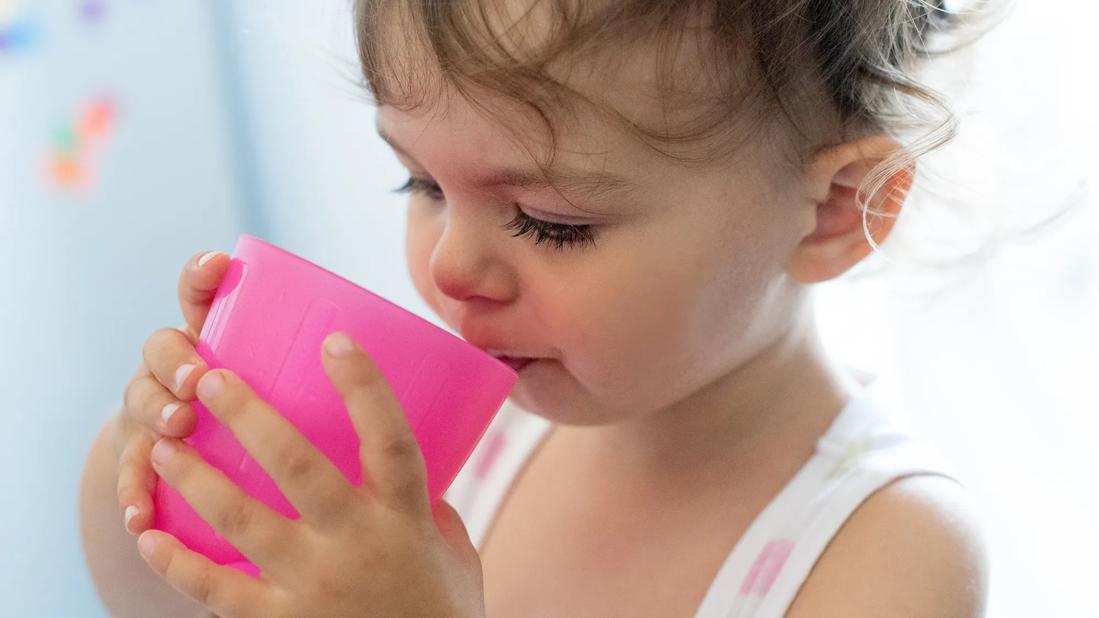
You do not need a cabinet full of fancy cups that look engineered by NASA. Start simple. A small open cup helps babies practice mature drinking skills. A straw cup can be helpful for on-the-go use. A sippy cup may work as a short-term bridge, but try not to let it become “Bottle 2: The Sequel.”
Choose cups that are lightweight, easy to hold, and easy to clean. If a cup has seventeen parts and requires a tiny brush, a flashlight, and emotional resilience, it may not be your long-term favorite.
Step 2: Offer the Cup During Meals
Start by offering water in a cup with meals. Once your baby accepts the cup, you can offer breast milk, formula, or milk in it depending on age and feeding plan. Keep the mood relaxed. If your baby refuses, do not turn lunch into a courtroom drama. Offer again later.
Mealtimes are ideal because your baby is seated, supervised, and already practicing eating skills. A cup also fits naturally into the rhythm of breakfast, lunch, dinner, and snacks.
Step 3: Replace One Bottle at a Time
Begin with the bottle your baby cares about least. For many families, that is a midday bottle. Replace it with a cup and a snack or meal. Keep the morning and bedtime bottles for later if those are emotionally loaded.
After a few days, replace another bottle. Continue until all daytime bottles are gone. Then tackle the morning bottle. Save the bedtime bottle for last if needed, because bedtime bottles often come with a whole emotional soundtrack.
Step 4: Change the Bedtime Routine
If your baby uses a bottle to fall asleep, shift the bottle earlier in the routine. For example, offer milk in a cup before bath time, then brush teeth, read books, cuddle, sing, and place your child in bed without a bottle.
The order matters. Milk before brushing is fine. Milk after brushing and then sleeping is where tooth trouble can begin. If your child needs comfort, offer a stuffed animal, a short song, gentle rocking, or a consistent phrase such as, “Bottle is all done. It is sleepy time now.”
Step 5: Keep Bottles Out of Sight
Babies and toddlers are tiny detectives. If they see a bottle, they will remember it exists. Store bottles away or remove them from the kitchen once you are serious about weaning. You do not have to host a dramatic farewell ceremony, but some families do well with a cheerful “bye-bye bottles” moment.
For older toddlers, you can say, “You are learning to drink from a cup now. Bottles are for babies.” Keep it warm, not shaming. The goal is confidence, not a toddler identity crisis.
Gradual Weaning vs. Cold Turkey
There are two main ways to stop bottle feeding: gradual weaning and cold turkey. Neither is morally superior. This is parenting, not the Olympics.
Gradual Weaning
Gradual weaning works well for babies who are sensitive to change or strongly attached to the bottle. You remove one bottle every few days or each week. This gives your child time to adjust and gives you time to figure out whether the new cup leaks into the diaper bag. Spoiler: many do.
A sample gradual plan might look like this:
- Days 1 to 3: Replace the midday bottle with a cup.
- Days 4 to 7: Replace the afternoon bottle.
- Week 2: Replace the morning bottle.
- Week 3: Move milk earlier in the bedtime routine and remove the bedtime bottle.
Cold Turkey
Cold turkey can work for toddlers who are ready but stubborn, especially if bottles have become more of a habit than a need. The key is preparation. Introduce cups first, make sure your child can drink enough from them, and then remove bottles completely.
Cold turkey often comes with protest. That does not mean you are doing something wrong. It means your toddler has opinions and a developing legal department. Stay calm, offer the cup, provide comfort, and keep the boundary consistent.
What Should Go in the Cup?
For babies under 12 months, breast milk or infant formula remains the main drink. Small amounts of water can be offered once solids begin, usually around 6 months. Cow’s milk should generally wait until 12 months unless your pediatrician advises otherwise.
After 12 months, toddlers usually drink plain whole milk and water. Many toddlers need about 16 to 24 ounces of milk per day, though individual needs vary. More is not always better. Too much milk can reduce appetite for iron-rich foods like meat, beans, eggs, fortified cereals, and leafy greens.
Avoid putting juice, soda, sweet tea, flavored milk, sports drinks, or other sweet drinks in bottles or everyday cups. If juice is offered after age 1, keep it limited and serve it in a cup, not a bottle. Water is the best between-meal drink.
Common Bottle Weaning Problems and What To Do
“My Baby Refuses the Cup”
Try a different cup style, but do not buy every cup in the county in one afternoon. Some babies prefer straw cups. Others like open cups. Some want to hold the cup themselves, while others need help. Offer small amounts and practice daily.
You can also model cup drinking. Sit with your baby and say, “Sip, sip!” Then take a drink. Will you feel ridiculous? Possibly. Will your baby learn from watching you? Absolutely.
“My Toddler Screams for the Bottle”
Stay calm and predictable. Validate the feeling without handing over the bottle: “You really want your bottle. The bottle is all done. Here is your cup.” Then offer comfort. A short phrase repeated consistently works better than a long explanation about dental health, because toddlers are not currently reading pediatric policy statements.
“The Bedtime Bottle Is the Hardest”
This is very common. Replace the bottle with a new routine: milk in a cup before brushing, bath, pajamas, books, song, cuddle, bed. Expect a few rough nights. Keep the routine steady. If you give the bottle back after twenty minutes of crying, your toddler learns that twenty-one minutes might work tomorrow.
“My Baby Drinks Less From a Cup”
That can happen at first. Offer fluids regularly with meals and snacks. Watch wet diapers, energy, and overall intake. If your child seems dehydrated, refuses most fluids, has poor weight gain, coughs or chokes while drinking, or has a complex medical history, contact your pediatrician.
What Not To Do When Weaning From the Bottle
Do not put your baby to bed with a bottle of milk, formula, or juice. Do not let your toddler carry a bottle around all day. Do not use the bottle as the main solution for every upset feeling. And do not shame your child for wanting it. Attachment to a bottle is normal; it is your job to guide the transition kindly.
Also avoid watering down milk or formula for infants without medical guidance. For toddlers over 12 months, some parents gradually reduce milk in a bottle and increase milk in a cup, but any major feeding changes should make sense for your child’s age, nutrition, and health.
How Long Does Bottle Weaning Take?
Some babies transition in a week. Others take a month or more. The timeline depends on your child’s temperament, how often they use bottles, whether bottles are tied to sleep, and how consistent the household can be.
If your child is sick, teething badly, moving homes, starting daycare, or welcoming a new sibling, you may choose to pause for a short time. But try not to delay indefinitely. There will rarely be a perfect week. Parenting milestones tend to arrive when someone has a runny nose and the dishwasher is broken.
Real-Life Experience: What Bottle Weaning Often Looks Like at Home
In real life, bottle weaning is less like a polished parenting video and more like a tiny domestic experiment conducted with milk, pajamas, and a suspicious toddler. Many parents begin with optimism: “We’ll just switch to a cup!” Then the baby takes one sip, makes a face as if the cup has insulted the family, and throws it onto the floor. This does not mean the plan failed. It means the first day looked exactly like many first days.
A common experience is that daytime bottles disappear faster than expected. The midday bottle is often easiest because the child is busy, distracted, and more willing to accept a snack or meal instead. Parents may offer lunch, water in a straw cup, and a little extra playtime. After a few days, the toddler stops asking. Everyone feels victorious. Someone may even say, “This is easier than I thought.” That is when the bedtime bottle enters the room wearing sunglasses.
The bedtime bottle is often the emotional boss battle. It is warm, familiar, and connected to sleep. For many babies, it is not just a drink; it is the closing ceremony of the day. Parents often have better success when they do not simply remove it but replace the entire pattern. Milk moves earlier. Tooth brushing becomes non-negotiable. Books become the new anchor. A special blanket, a lullaby, or a predictable phrase fills the comfort gap.
Another real-world trick is involving the child just enough. A 12-month-old will not understand a long explanation, but an older toddler may enjoy picking a “big kid cup.” Let them choose between two parent-approved options. Not ten options. Ten options can turn your kitchen into a debate stage. Two choices give control without chaos: “Do you want the blue cup or the bear cup?”
Parents also learn that consistency matters more than perfection. If one caregiver gives a bottle during every meltdown while another insists on cups, the toddler will quickly identify the soft target. This is not manipulation in a villainous sense; it is learning. Children test patterns. Adults create patterns. Before starting, make sure grandparents, babysitters, daycare providers, and partners understand the plan.
There may be a few tears. There may be spilled milk. There may be one dramatic moment where your toddler points at the cabinet like a tiny prosecutor. But most families find that once the bottle is gone, life gets simpler. No more searching for bottle parts. No more washing nipples at midnight. No more mystery bottle under the stroller. Your child learns a new skill, their teeth get better protection, and you get one step closer to a kitchen cabinet that does not look like a baby feeding supply warehouse.
Conclusion
Weaning your baby off the bottle is a healthy, important transition that usually begins with cup practice around 6 months and becomes a real goal around the first birthday. Most children can move fully from bottle to cup between 12 and 18 months. The process works best when parents start small, offer cups during meals, replace one bottle at a time, protect bedtime routines, and stay calm when toddlers protest.
Remember, the bottle is not the enemy. It served its purpose beautifully. But as your baby grows, a cup supports better dental health, more balanced nutrition, and stronger independent feeding skills. With patience, consistency, and maybe a mop nearby, your baby can say goodbye to the bottle and hello to the next stage of growing up.