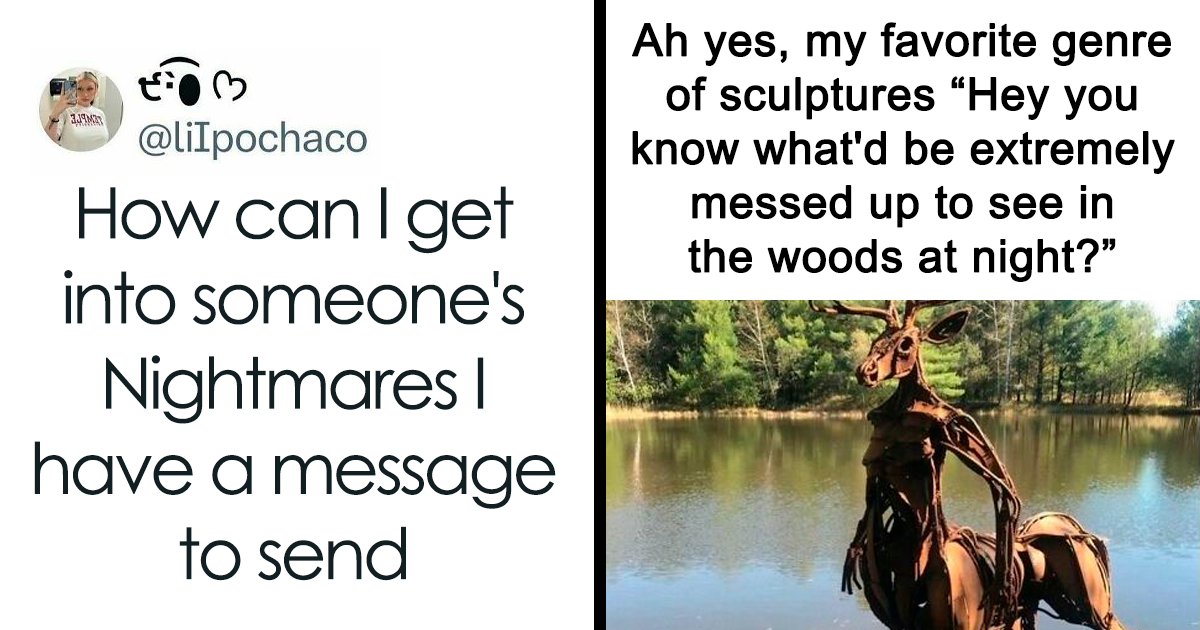
Some memes make you laugh. Others make you check the dark corner of your bedroom before turning off the light. The best funny horror memes somehow accomplish both, delivering a punchline wrapped in cobwebs, suspicious shadows, and the occasional skeleton who appears to be handling adulthood better than the rest of us.
The Instagram page Creepyholics has built its identity around this entertaining collision of comedy and fear. Its content ranges from spooky images and horror references to morbid jokes that turn familiar anxieties into shareable entertainment. The project reportedly began on Facebook in 2014, created from a genuine enthusiasm for creepy stories, horror culture, and unsettling imagery. Today, its wider online presence continues to present scary pictures, videos, and jokes for people who consider Halloween less of a holiday and more of a permanent lifestyle choice.
Why does this combination work so well? Funny memes with a twist of horror occupy a strange but comfortable corner of internet culture. They let audiences visit frightening ideas without being trapped inside them. A ghost becomes a roommate. A masked killer develops workplace problems. A haunted doll is suddenly relatable because it also looks exhausted by Monday morning.
The monster is still present, but now it has a punchline.
Where Horror and Meme Culture Meet
Internet memes are more than random pictures with oversized text. They are pieces of culture that people repeatedly copy, modify, reinterpret, and pass along. The term “meme” originally described an idea or behavior transmitted through imitation, but digital platforms turned that concept into an endlessly remixable form of communication. Online memes now function much like modern folklore: recognizable stories and symbols change slightly each time they move between communities.
Horror is particularly suited to this process because it already has a rich visual vocabulary. A person does not need a film degree to understand what a dark hallway, flickering light, abandoned cabin, or bloodstained mask suggests. These images communicate danger almost instantly. Add a caption about grocery prices, social anxiety, dating, or an unanswered email, and the threat is transformed into a joke.
The basic structure is beautifully efficient:
- The image creates tension.
- The caption establishes an ordinary situation.
- The mismatch produces surprise.
- The viewer laughs before wondering whether something just moved behind the curtain.
This contrast gives horror memes their distinctive flavor. They are creepy enough to generate a small emotional jolt but familiar enough to remain playful.
What Makes the Creepyholics Style So Shareable?
Creepyholics does not limit itself to one type of horror fan. Its material can appeal to people who enjoy classic monsters, slasher movies, paranormal stories, gothic imagery, Halloween decorations, supernatural mysteries, and generally cursed-looking photographs.
That variety matters because horror culture is not one enormous group sitting around a campfire. It is a collection of overlapping communities. One person may love elegant vampire stories. Another prefers zombies, practical effects, and villains who walk slowly yet somehow catch everyone. Someone else may simply enjoy pictures of skeletons holding coffee mugs.
Famous Horror Characters in Ordinary Situations
One of the most dependable horror meme formats places a terrifying character in an embarrassingly normal scenario. The figure may be associated with nightmares, but the caption gives it a problem involving customer service, relationships, household chores, or a group chat that will not stop producing notifications.
The humor comes from reducing an icon of terror to the level of an inconvenienced human being. A supernatural killer may be unstoppable, but even that creature would probably reconsider its life choices after spending forty minutes on hold with an internet provider.
Morbid Reaction Images
Reaction memes succeed when a facial expression or visual scene captures an emotion more precisely than a paragraph could. Horror supplies an excellent archive of exaggerated reactions: wide eyes, screaming faces, suspicious stares, dramatic escapes, and characters slowly realizing that entering the basement was not a strong decision.
These images can represent the moment someone sees a bank balance, remembers an appointment, receives a message saying “Can we talk?” or hears a parent use their full name. The original scene may involve supernatural danger, but the meme translates it into everyday panic.
Gothic Images With Unexpectedly Wholesome Captions
Not every spooky meme relies on cruelty or shock. Some of the funniest examples pair grim imagery with unexpectedly gentle messages. A skeleton may encourage viewers to drink water. A gloomy creature may celebrate staying home and protecting its peace. A haunted-looking figure may simply want friends to know that they are doing their best.
This reversal works because the visual promises darkness while the text delivers warmth. It is the meme equivalent of receiving a handwritten compliment from the Grim Reaper.
Seasonal Humor That Refuses to Stay Seasonal
Halloween memes naturally become more visible in September and October, but dedicated horror communities rarely put the cobwebs away. For them, pumpkins, witches, ghosts, and black cats are appropriate throughout the year.
This creates a recurring joke about “spooky season” beginning absurdly early or never ending at all. The enthusiasm is exaggerated, but it also reflects genuine fan culture. Horror followers use these posts to recognize one another, much like sports fans wearing team colorsexcept the team colors are black, darker black, and a tasteful shade of dried-blood red.
Why Scary Things Can Be Funny
Comedy and horror appear to be opposites, yet both depend heavily on timing, suspense, and surprise. A horror scene builds tension before revealing a threat. A joke builds expectation before revealing a punchline. Both genres manipulate what the audience anticipates and then suddenly change direction.
The benign violation theory of humor offers one explanation. According to this framework, something becomes funny when it seems wrong, threatening, or socially inappropriate while also feeling sufficiently safe. A horror meme provides the violation through death, monsters, danger, or disturbing imagery. The familiar format, fictional context, exaggeration, and emotional distance make the situation feel benign enough for laughter.
The balance is delicate. Remove the violation and the meme may become dull. Remove the sense of safety and it may become upsetting rather than funny. Successful dark humor stays somewhere between “That is clever” and “I should probably not laugh at this in public.”
The Safe Thrill of Digital Horror
People often enjoy horror because it permits them to encounter fear in a controlled setting. The danger feels vivid, but the viewer knows that the monster is contained inside a movie, story, game, or phone screen. Researchers studying morbid curiosity have suggested that horror can provide opportunities to examine threatening situations, human behavior, and survival scenarios without facing the actual risks involved.
A horror meme compresses that controlled experience into a few seconds. The viewer receives a tiny shock, recognizes the joke, and moves on. It is a miniature haunted house with no admission fee and significantly less risk of being chased by an underpaid actor holding a rubber ax.
Some research has also explored whether horror fans use frightening entertainment as a form of emotional practice. One widely discussed study found that fans of horror and people with greater morbid curiosity reported stronger psychological resilience during the early COVID-19 pandemic. That does not mean scary movies provide magical protection against stress, but it supports the possibility that safely engaging with fictional threats may help some people rehearse difficult emotions.
Dark Humor as a Coping Tool
Many funny horror memes are not truly about monsters. They are about burnout, awkwardness, loneliness, money, work, uncertainty, and the general surprise of discovering that adulthood contains very few instructions.
Dark humor can help people acknowledge unpleasant experiences without discussing them in a painfully direct way. During crises and periods of disruption, meme creators frequently transform frustration into jokes, allowing audiences to recognize a shared problem and briefly feel less isolated.
A qualitative study published in 2025 found that participating college students used dark humor to manage pressure, communicate personal concerns, and build solidarity. The researchers also emphasized that the effects were complicated: the same humor that strengthened one group could make another person feel excluded or emotionally harmed.
That dual nature explains why a meme about a fictional ghost struggling through an endless workweek may feel comforting. The ghost is ridiculous, but the exhaustion is recognizable. The image tells the audience, “Yes, everything is slightly terrible, but at least we can make this creature fill out a timesheet.”
Why People Share Horror Memes With Friends
Sending someone a meme is a small social gesture. It can mean “I thought of you,” “This resembles our last conversation,” or “I know you are awake at 2:13 a.m., so here is a demon wearing sunglasses.”
Horror memes are especially effective between people who share the same references. Recognizing a villain, movie scene, urban legend, or gothic subculture creates an immediate sense of belonging. The recipient does not merely understand the joke; they understand why that particular joke was selected for them.
These exchanges create a kind of shorthand. Friends may communicate entire moods through one image:
- A haunted hallway represents an uncomfortable social event.
- A screaming character represents an approaching deadline.
- A skeleton waiting patiently represents delayed plans.
- A vampire avoiding sunlight represents canceling morning activities.
- A possessed doll represents a family member before coffee.
The meme becomes a private language built from public pop culture.
When Does Dark Humor Go Too Far?
Not every disturbing image becomes clever simply because someone places text above it. Horror comedy works best when it plays with fictional danger, universal anxieties, genre conventions, or the joke-teller’s own experiences.
Problems arise when humor targets real victims, reinforces prejudice, trivializes trauma, or treats vulnerable people as props. Context also matters. A joke shared privately among close friends who understand one another may feel very different when presented to a large, anonymous audience.
Research on dark humor has produced mixed and nuanced findings. A small 2023 graduate study involving 50 participants found that people generally distinguished dark memes from lighter ones, while endorsement of dark humor correlated with psychological distress in that particular sample. A separate study of 165 university students examined associations among dark humor, trolling, and certain personality traits. Neither study justifies diagnosing or judging people merely because they laughed at a spooky meme; both instead illustrate how much context, motivation, and individual difference matter.
A useful rule is simple: humor should make the darkness easier to face, not make another person’s life darker.
The Craft Behind an Effective Funny Horror Meme
Although memes may look effortless, the strongest examples are surprisingly well constructed.
A Recognizable Emotion
The subject may be supernatural, but the feeling should be human. Confusion, dread, exhaustion, irritation, embarrassment, and relief translate especially well into horror imagery.
A Fast Setup
People scroll quickly, so a meme must communicate its premise almost immediately. The viewer should understand the ordinary situation before the visual twist finishes the joke.
An Unexpected Connection
A familiar image becomes memorable when connected to an idea the audience has not previously considered. A monster standing silently in a doorway is predictable. Turning that monster into an introvert waiting for guests to leave gives the image a new purpose.
Enough Darkness, but Not Too Much
The frightening element creates flavor, but the joke must remain accessible. Excessive gore or cruelty can overpower the humor, leaving the audience with disgust rather than amusement.
Knowledge of the Audience
A meme referencing an obscure sequel may delight dedicated horror fans while confusing everyone else. Great meme pages mix specialized jokes with broadly relatable posts, giving experienced fans their rewards without locking casual visitors outside the crypt.
A Reader’s Experience: One Late-Night Scroll Through Horror Memes
The following is a composite experience representing how a typical horror-meme fan might interact with a page such as Creepyholics.
The Innocent Beginning
It begins with a perfectly responsible decision: checking Instagram for five minutes before bed. The room is quiet, the lights are low, and the phone battery is at 12 percent. That should be enough time to answer one message and watch a harmless cooking video.
Then the feed produces a horror meme.
The image shows a pale figure standing at the end of a corridor. At first glance, it looks like something that should require a priest, several flashlights, and a real estate agent willing to cancel the lease. The caption, however, compares the creature to someone waiting for the microwave to reach zero without letting it beep.
The laugh arrives unexpectedly. The meme is sent to a friend with no explanation because explanations are for people who do not share the same damaged sense of humor.
The Algorithm Opens the Crypt
One post becomes five. A classic movie villain is shown reacting to a meeting that could have been an email. A skeleton represents anyone waiting for motivation to arrive. A gloomy Victorian child appears beside a caption about losing Wi-Fi for eleven seconds.
Each meme uses a different image, but the emotional pattern remains familiar. The horror imagery exaggerates ordinary discomfort until it becomes ridiculous. A small inconvenience feels dramatic in real life; the meme makes it literally dramatic by introducing fog, graves, and a creature with far too many teeth.
The comments provide another layer of entertainment. Some users identify the original movie. Others tag friends. A few compete to produce darker follow-up jokes. At least one person announces that they feel personally attacked by a skeleton, which is an impressive achievement for someone who no longer has muscles.
The Sudden Appearance of Genuine Fear
Eventually, the page presents something that is not immediately funny: an eerie photograph, an unexplained silhouette, or a disturbing piece of artwork. The scrolling finger pauses.
The viewer zooms in, which is rarely a wise decision in horror. A shape in the background appears almost human. Almost is doing dangerous work in that sentence.
The image creates a genuine chill, but the next post breaks the tension with a joke about pets staring at empty corners. The quick transition from anxiety to laughter becomes part of the experience. Fear rises, the punchline releases it, and the viewer continues scrolling with the irrational confidence of someone who has learned absolutely nothing from horror movies.
Sharing Becomes Part of the Fun
The most relatable memes are sent to different people. The vampire joke goes to the friend who avoids daytime plans. The haunted-house post goes to the person currently searching for an apartment. A meme involving a suspicious basement goes to the friend who once investigated a strange noise instead of leaving the building like a sensible mammal.
Responses arrive almost immediately: laughing emojis, movie references, and increasingly cursed images. The original page supplied the material, but the private conversation transforms it into an inside joke. Horror becomes a social activity rather than a solitary scare.
The Predictable Ending
Eventually, the viewer notices that five minutes have become forty-five. The phone battery is at 3 percent. The room seems darker than before, and the pile of clothes on the chair has developed an unsettling personality.
The app closes. The phone goes face down. Silence returns.
Then a notification appears.
The friend has sent another horror meme.
Naturally, it must be opened. It would be rude not to.
Conclusion: Sometimes the Best Response to Fear Is a Laugh
Funny memes with a twist of horror succeed because they transform fear into something manageable, social, and strangely comforting. Pages such as Creepyholics draw from horror movies, gothic imagery, supernatural folklore, Halloween traditions, and everyday frustrations to create posts that can make viewers laugh and shiver within the same few seconds.
Their appeal is not simply about enjoying disturbing pictures. Horror memes give audiences a playful way to explore tension, recognize shared anxieties, celebrate genre fandom, and communicate with friends. They remind us that monsters become less intimidating when they are forced to deal with alarm clocks, rent payments, awkward conversations, and unreliable Wi-Fi.
Dark humor still requires awareness. The strongest jokes create emotional distance without losing empathy. They mock fictional threats, personal fears, and universal absurdities rather than treating real suffering carelessly.
When that balance is right, a funny horror meme becomes more than a quick joke. It becomes a tiny act of rebellion against feara digital flashlight pointed into the darkness, followed by someone whispering, “Well, this is terrible, but at least the demon is relatable.”
Editorial note: This article synthesizes reporting about Creepyholics with research and expert commentary on internet memes, horror fandom, morbid curiosity, dark humor, coping, psychological distance, and the limits of transgressive comedy.