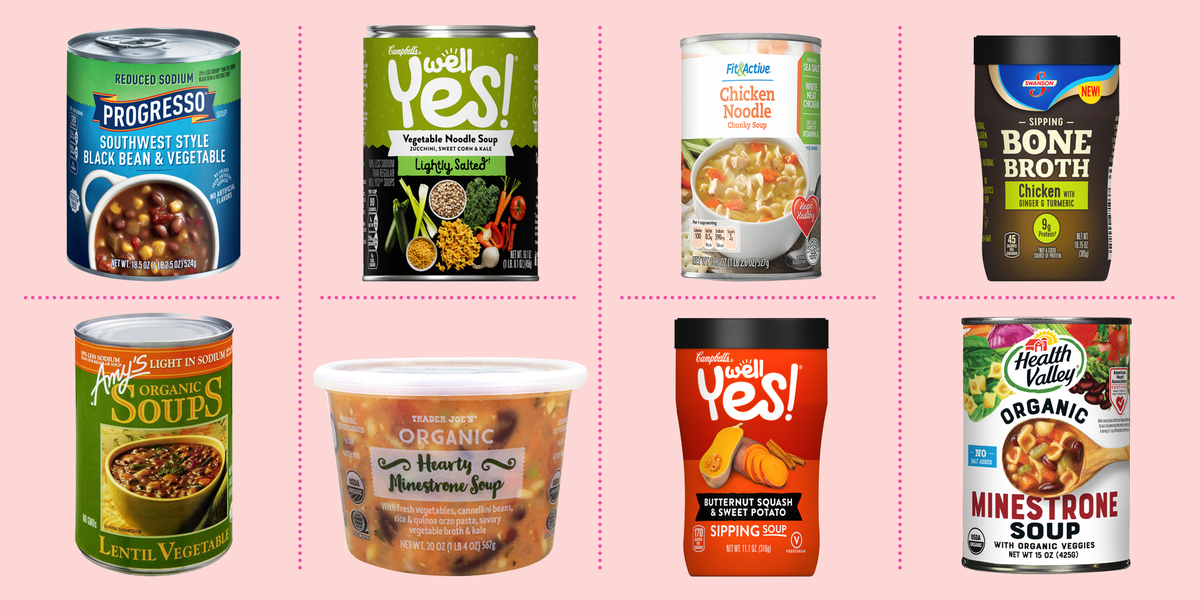
If you have ever stood in the soup aisle squinting at labels like you were decoding ancient treasure maps, welcome. You are among friends. Canned soup is one of the easiest pantry wins around, but it also has a sneaky talent for looking healthy while quietly delivering a salt tsunami in a cozy bowl. In other words, not every “vegetable soup” deserves a gold star just because it contains a carrot.
For this guide to the best canned soups of 2023, I focused on what actually matters when you want healthier store-bought soups: lower sodium, solid fiber, decent protein, vegetable or legume-heavy ingredients, and flavors you would willingly eat more than once. Because a healthy soup that tastes like warm regret is not a pantry staple. It is a punishment.
The result is a list of nine canned or shelf-stable supermarket favorites that stood out for balancing convenience with smarter nutrition. Some are better for heart health, some are better for plant-based eaters, and some are simply better at turning lunch into an actual meal instead of a sad pre-dinner snack.
How I Judged the Healthiest Canned Soups
A truly healthy canned soup is not just “low calorie.” That is the oldest trick in the grocery-book. I looked for a more useful combination: moderate sodium, minimal saturated fat, recognizable ingredients, and enough fiber or protein to keep you full longer than a TV commercial break.
That means bean soups, lentil soups, split pea soups, and vegetable-heavy soups tend to do well. Broth-based soups usually beat cream-heavy options. Chicken soups can still make the list, but only if they do not turn the nutrition panel into a jump scare. I also paid attention to serving-size games. Some soups look saintly on the front label and then reveal that the “healthy” number applies to half a cup, half a can, or one serving that no actual hungry human has ever eaten.
The 9 Best Canned Soups of 2023
1. Amy’s Organic Lentil Vegetable Soup, Light in Sodium
This is the kind of soup that makes nutritionists nod approvingly while regular people still enjoy lunch. It is one of the strongest all-around picks because it keeps the formula simple: lentils, vegetables, a broth that does not go overboard, and enough body to feel like real food. The lentils do the heavy lifting here, bringing fiber and plant-based staying power that many canned soups desperately lack.
Why it made the list: it is one of the rare canned soups that manages to be low sodium, filling, and easy to pair with almost anything. Add a slice of whole-grain toast, and suddenly your pantry lunch is acting very sophisticated.
Best for: anyone who wants the healthiest overall plant-based canned soup without sacrificing comfort.
2. Amy’s Organic Lentil Soup, Light in Sodium
If the Lentil Vegetable version is the lively overachiever, this one is its calmer, equally competent sibling. It is a little more streamlined, a little less busy, and perfect if you like a hearty lentil soup that does not feel like an entire farmers market was emptied into the can.
This soup works especially well for people who want something filling but versatile. It is great on its own, but it also plays nicely with add-ins like spinach, extra black pepper, a squeeze of lemon, or leftover roasted chicken if you want to boost protein. That flexibility matters. A healthy soup should not need a rescue mission, but it should welcome a glow-up.
Best for: simple, fiber-rich lunches that do not taste overly processed.
3. Amy’s Organic Split Pea Soup, Light in Sodium
Split pea soup has always been the quiet hero of the soup aisle. It is deeply comforting, naturally thick, and usually better at keeping you full than lighter broths. This version earns its spot because it offers that classic cozy texture without the usual sodium overload that can come with shelf-stable soups.
It is especially satisfying on cold days or on those weird afternoons when you want something comforting but still want to pretend you are making responsible choices. Split peas bring plenty of fiber and a naturally savory flavor, so the soup does not rely as heavily on salt or cream to feel substantial.
Best for: hearty meatless meals and anyone who wants a soup that eats like a meal.
4. Amy’s Organic Minestrone Soup, Light in Sodium
Minestrone is often one of the smartest categories in the soup aisle because it combines vegetables, beans, pasta, and broth in one tidy bowl. This version makes the most of that formula. It feels balanced, not heavy, and gives you the “I had vegetables for lunch” satisfaction without tasting like a compromise.
It is also one of the better options for families because it lands in that very useful middle ground: recognizable ingredients, friendly flavor, and enough variety in the spoonful to stay interesting. If you need a healthy canned soup that works for both picky eaters and label readers, this is a safe bet.
Best for: shoppers who want a veggie-forward soup that still feels classic and comforting.
5. Progresso Reduced Sodium Southwest Style Black Bean & Vegetable
This is one of the most interesting canned soups on the list because it actually tastes like something. Black beans, corn, tomatoes, peppers, and a subtle Southwest profile give it more personality than the average “healthy” canned soup, which is often just a bowl of polite vegetables floating in warm water.
It also stands out because it is easy to build into a better meal. Top it with avocado, cilantro, or a spoonful of plain Greek yogurt, and it feels closer to a fast pantry chili than a basic lunch soup. For people who want healthy store-bought soup with a little more flavor and fiber, this is one of the strongest aisle picks.
Best for: vegetarian lunches, Tex-Mex cravings, and anyone bored by basic broth.
6. Campbell’s Condensed Heart Healthy Chicken Noodle Soup
Yes, a classic made the list. And honestly, it deserves some applause for that. Chicken noodle soup is one of the most beloved pantry comfort foods in America, but it is also one of the categories most likely to come with a salt-heavy nutrition label. This heart-healthier version is a smarter option for people who want the flavor they know without going all-in on the sodium bomb.
It is not the most fiber-rich choice here, so I would not call it the most complete meal in the bunch. But it is gentle, familiar, and useful to keep around for sick days, light lunches, or nights when cooking feels like a personal attack. Just remember that condensed soup labels can be tricky, so prepare and portion it with a little common sense.
Best for: classic chicken noodle fans who want a lighter pantry staple.
7. Campbell’s Condensed Heart Healthy Tomato Soup
Tomato soup is the undisputed grilled cheese sidekick, and this version makes the cut because it keeps fat low and offers a better-for-you path to one of the most nostalgic soup flavors in America. It is not perfect, and tomato soup can sometimes hide more sugar than people expect, but this is still one of the better mainstream canned options if tomato is what you crave.
The trick here is how you serve it. Pair it with a smart sandwich, whole-grain crackers, or a side salad, and it works. Pair it with half a cheese shop, and the meal gets less “heart healthy” in a hurry. The soup is doing its part. Your grilled cheese needs to behave too.
Best for: tomato soup lovers who want a healthier version of a comfort-food classic.
8. Campbell’s Chunky Healthy Request Roasted Chicken Soup with Country Vegetables
This is a good example of a soup that wins because it feels like lunch, not because it is ultra-light. You get chicken, vegetables, and a more substantial texture than thinner soups, which can make it a better choice for people who need a more filling meal out of one can.
The “Healthy Request” label matters here, but so does portion awareness. This soup is more meal-like than the condensed options, which is great for fullness, but it also means you should pay attention if you are eating the whole container. Still, compared with many hearty canned soups that are overloaded with fat and sodium, this one is a smarter compromise.
Best for: people who want a healthier canned soup that actually feels hearty.
9. Progresso Reduced Sodium Roasted Chicken Noodle
If you want a ready-to-serve chicken noodle that feels a little more modern than the condensed classics, this is a strong pantry backup. The flavor profile is familiar, the ingredient list is recognizable, and the reduced-sodium approach gives it a better nutritional case than many conventional chicken noodle cans.
That said, this is also the perfect reminder that serving size matters. A soup can be “reduced sodium” and still deliver a lot if you eat the whole can in one sitting. So this is one of those choices that works best when you treat it like a real label-reading adult: pair it with fruit, salad, or toast, and know what the full serving adds up to.
Best for: convenient, no-fuss chicken noodle fans who want something a bit lighter than standard aisle versions.
What Makes a Canned Soup Actually Healthy?
The healthiest canned soups usually share a few traits. First, they are often broth-based rather than cream-based. Second, they lean on beans, lentils, split peas, vegetables, and lean proteins instead of heavy cream and mystery-thickened salt water. Third, they offer enough fiber or protein to feel satisfying.
If you are scanning labels in the store, start with sodium. That is still the biggest deal-breaker in canned soup. Then check fiber, protein, saturated fat, and serving size. A soup with vegetables and legumes often gives you a better balance than a creamy noodle soup with almost no fiber. Also, do not be fooled by health halos. “Organic,” “natural,” and “gluten-free” can be useful labels, but they do not automatically mean the soup is low sodium or nutritionally balanced.
How to Make Store-Bought Soup Healthier
Even the best canned soups get better with a little help. Toss in frozen spinach, white beans, extra lentils, rotisserie chicken, or a handful of cooked brown rice to improve texture and nutrition. A squeeze of lemon, cracked black pepper, or fresh herbs can also wake up low-sodium soups without requiring a salt shaker to crash the party.
Another smart move is to think in meal pairs. A lighter soup works well with a hard-boiled egg, yogurt, fruit, or whole-grain toast. A hearty soup may be enough on its own. The goal is not to turn lunch into a math problem. It is just to make sure your bowl is carrying its weight.
Final Verdict
The best canned soups of 2023 were not necessarily the fanciest ones or the ones with the loudest “healthy” badge on the label. The real winners were the soups that delivered what shoppers actually need: better sodium control, meaningful fiber or protein, recognizable ingredients, and enough flavor to earn a repeat purchase.
If you want the safest overall bets, the Amy’s light-in-sodium lentil, split pea, and minestrone options are hard to beat. If you want mainstream comfort-food staples with a healthier angle, Campbell’s Heart Healthy tomato and chicken noodle are dependable choices. And if you want something more filling or bolder in flavor, Progresso’s reduced-sodium black bean and chicken noodle soups are well worth keeping in the pantry.
Bottom line: the healthiest store-bought soups are the ones that give you convenience without turning lunch into a sodium ambush. Read the label, mind the serving size, and let the soup aisle work for you instead of against you.
Real-World Experiences With Healthy Store-Bought Soups
What people usually discover after buying healthier canned soups is that the “best” soup is not always the one with the lowest number on the label. It is the one you will actually eat, enjoy, and keep stocked. That matters more than people admit. A theoretically perfect soup that sits untouched in the pantry for six months is not helping anybody. A slightly less perfect soup with good ingredients, reasonable sodium, and flavor you genuinely like is usually the smarter buy.
For many shoppers, the first big shift happens when they trade creamy, salt-heavy soups for lentil, split pea, black bean, or minestrone options. The difference in fullness is often immediate. Instead of feeling hungry again an hour later, you get a lunch that sticks with you. That is usually because the better soups bring more fiber, more legumes, and a more balanced ingredient profile. Translation: your stomach stops sending angry follow-up emails at 3 p.m.
Another common experience is realizing that healthy canned soup tastes much better with tiny upgrades. A soup that seems only “pretty good” straight from the can can become genuinely excellent with a handful of spinach, a squeeze of lemon, some shredded chicken, or a spoonful of yogurt. This is especially true for lower-sodium soups. They often taste flatter at first if you are used to heavily salted foods, but once you add texture, acid, or herbs, the whole bowl perks up. Your taste buds adjust faster than you think.
Families also tend to find that vegetable-heavy soups are easier to serve than expected, especially minestrone and tomato. Kids may not cheer for lentil soup like it is a birthday cake, but they often accept familiar formats such as tomato soup with toast or noodle soup with crackers. Adults, meanwhile, appreciate having a pantry backup that does not feel like nutritional surrender. It is one of the rare grocery compromises where both convenience and common sense can coexist peacefully.
People trying to eat better for heart health or weight goals often have the same lightbulb moment: serving size is everything. A soup that looks modest on the label can become much less modest when the whole can goes into one bowl. That does not mean the soup is “bad.” It just means canned soup requires the kind of honesty usually reserved for peanut butter and breakfast cereal. Once shoppers learn to compare prepared servings, condensed servings, and full-can totals, they make much smarter choices.
Finally, there is the comfort factor. Healthy canned soup is still soup. It is warm, easy, nostalgic, and useful on rushed workdays, sick days, cold nights, and those evenings when cooking from scratch sounds noble but highly unlikely. That emotional convenience is part of the appeal. The best canned soups are not trying to be restaurant masterpieces. They are trying to make everyday life easier without dragging your nutrition goals down with them. And when they do that well, they earn permanent shelf space.