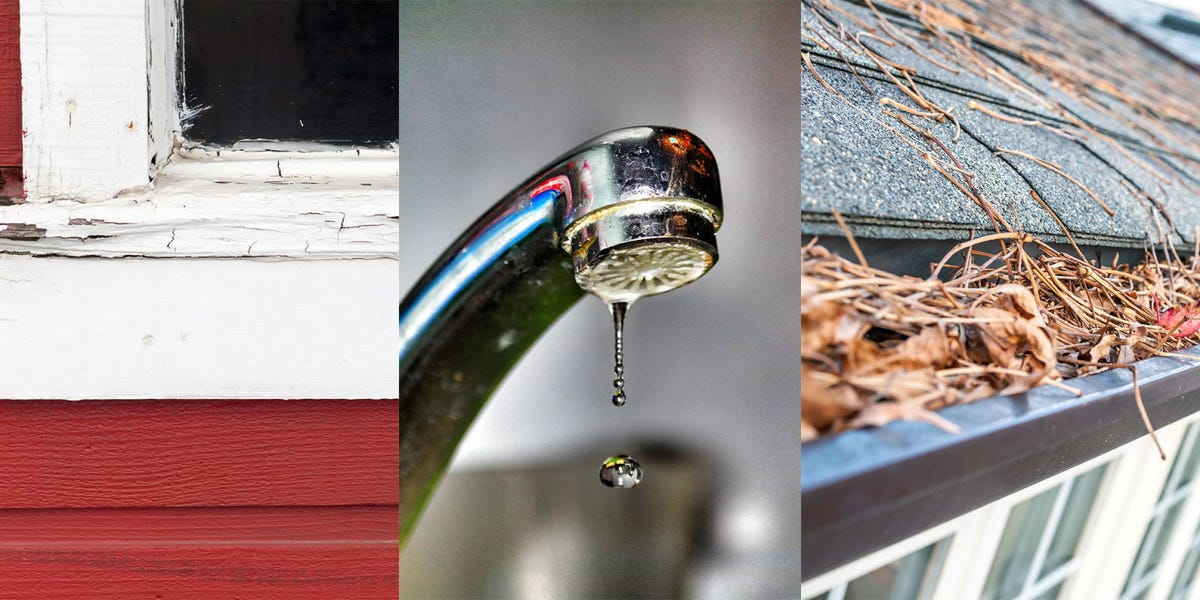
Every house has a talent. Some homes are good at holding heat, some are great at hosting family dinners, and some are absolute champions at pretending a small problem is “probably fine” until that tiny issue becomes a budget-devouring monster. That slow drip under the sink? It is not “quirky.” The warm outlet in the hallway? Not “moody.” And the little stain on the ceiling? That is your house sending you a strongly worded memo.
If you want to save money, protect your property value, and avoid the kind of repair bill that makes you stare silently into the middle distance, it pays to act fast. The truth is simple: certain home repairs get more dangerous, more destructive, and more expensive the longer they sit. Water spreads. Mold grows. Electrical faults get hotter. Foundations do not magically “settle back.”
Below are the eight home repairs you should never put off, why they matter, what warning signs to watch for, and when it is smart to stop Googling and call a pro.
Why Fast Action Matters More Than Most Homeowners Think
Homeowners often delay repairs for understandable reasons. Life is busy. Contractors are expensive. And sometimes a problem does not look dramatic enough to justify immediate action. But the most serious damage usually starts quietly. A roof leak can travel behind drywall before you ever see a stain. A clogged gutter can dump water near the foundation every time it rains. A struggling HVAC system can keep running just well enough to fool you until it finally quits during the worst possible week of the year.
The goal is not panic. The goal is prioritization. Cosmetic issues can wait. Safety hazards, water intrusion, structural movement, and mechanical failures should not.
1. Roof Leaks and Damaged Roofing
Why this repair cannot wait
A roof leak rarely stays a roof leak. Water can move into insulation, ceiling drywall, framing, and even electrical components. What starts as one ugly brown stain can turn into rot, mold, warped materials, and a much bigger repair scope. In plain English, a small leak has a real talent for inviting five other problems to the party.
Warning signs to watch for
- Water stains on ceilings or walls
- Missing, curling, or cracked shingles
- Wet attic insulation
- Dripping during storms
- Dark spots around flashing, chimneys, or skylights
What to do
If water is actively entering the home, contain it immediately with buckets, towels, and airflow. A tarp may help as a temporary measure if it can be installed safely. But temporary is the key word. Roof systems are layered, and leaks often travel from the visible stain to another source point. That is why prompt professional inspection matters.
When homeowners postpone roof repair, they are not saving money. They are usually just giving the bill time to grow up.
2. Plumbing Leaks and Hidden Water Damage
Why this repair cannot wait
Leaking pipes, dripping shutoff valves, sweating fittings, and slow leaks behind walls are some of the most expensive “small” problems in a home. Persistent moisture can damage cabinets, subfloors, drywall, and framing. It also creates ideal conditions for mold and mildew. In kitchens, bathrooms, basements, and laundry rooms, a plumbing leak can quietly do serious structural and air-quality damage before it ever becomes obvious.
Warning signs to watch for
- Musty smells near sinks, tubs, or toilets
- Peeling paint or bubbling drywall
- Warped flooring
- Unexpectedly high water bills
- Soft cabinet bottoms or damp baseboards
What to do
Start by locating the shutoff for the affected fixture or the whole house if necessary. Then investigate the source, not just the symptom. Wiping up the water is not the repair. Replacing a stained ceiling tile is not the repair. If the leak has been present for a while, inspect surrounding materials for rot and mold, and dry the area thoroughly.
The harsh truth: water is patient, organized, and relentless. If you give it time, it will redecorate your house in all the wrong ways.
3. Electrical Problems and Overheating Components
Why this repair cannot wait
Electrical issues are in the “do not casually ignore this” category. Repeated breaker trips, warm outlets, buzzing switches, flickering lights, and burning smells can point to overloaded circuits, loose connections, damaged wiring, or failing devices. These are not personality traits for your house. They are warnings.
Warning signs to watch for
- Frequent breaker trips or blown fuses
- Warm or discolored outlets and switches
- Sparks, buzzing, or crackling sounds
- Lights that flicker for no good reason
- A tingling feeling when touching an appliance
What to do
Do not keep resetting a breaker and hoping for the best. That is not troubleshooting; that is auditioning for a more expensive problem. Stop using the affected circuit or device if you suspect overheating, and bring in a qualified electrician. In older homes especially, delayed electrical repairs can mean hidden hazards are developing behind the walls.
Electrical problems do not usually get cheaper with time. They get riskier.
4. Foundation Cracks and Structural Movement
Why this repair cannot wait
Not every crack is a crisis, but some absolutely deserve quick attention. Structural movement can affect doors, windows, floors, drywall, and roofing. Water pooling near the house often makes foundation trouble worse, which means small drainage problems can snowball into large structural ones.
Warning signs to watch for
- Diagonal wall cracks, especially near doors and windows
- Floors that slope or feel uneven
- Doors that stick or will not latch properly
- Gaps between walls and trim
- Cracks that widen over time
What to do
Monitor new cracks, photograph them, and note any growth. If you see multiple related symptoms, such as sticking windows plus widening cracks plus uneven floors, move quickly. A structural engineer or foundation specialist can determine whether the issue is cosmetic, drainage-related, or a sign of more serious settlement.
This is one of the most important truths in home maintenance: waiting does not make structural movement less structural.
5. Gutters, Downspouts, and Drainage Failures
Why this repair cannot wait
Gutters are not glamorous, but they are one of the most important water-management systems your home has. When they are clogged, leaking, sagging, or dumping water too close to the house, they can contribute to roof edge damage, siding stains, basement leaks, and foundation trouble. In other words, a neglected gutter system can cause expensive damage while looking annoyingly harmless.
Warning signs to watch for
- Overflow during rain
- Sagging sections or separated joints
- Water pooling near the foundation
- Eroded soil or mulch below downspouts
- Peeling exterior paint or mildew near the roofline
What to do
Clean out debris, seal small leaks, secure loose sections, and make sure downspouts discharge water well away from the house. If the system is undersized, badly pitched, or pulling away from the fascia, bring in a pro. This is a modest repair compared with the potential cost of repeated water intrusion.
Think of gutters as the traffic cops of rainwater. When they stop doing their job, chaos follows.
6. HVAC Problems That Affect Airflow, Moisture, or Safety
Why this repair cannot wait
Your heating and cooling system is not just about comfort. HVAC issues can affect humidity, airflow, energy use, system lifespan, and in some cases safety. Dirty filters, clogged condensate drains, short cycling, odd smells, strange noises, and weak airflow can signal trouble that becomes more expensive the longer it runs. An overworked system tends to fail when you need it most, because apparently HVAC systems enjoy drama.
Warning signs to watch for
- Poor airflow from vents
- Unusual noises or smells
- Frequent cycling on and off
- Rooms that never reach the set temperature
- Water around the indoor unit or drain line
What to do
Start with the basics: check the filter, thermostat settings, and visible drain issues. If symptoms continue, schedule service promptly. Neglecting routine HVAC maintenance can lead to early equipment failure, moisture problems, and avoidable repair costs.
The smart homeowner move is simple: do not wait until the AC dies in July or the furnace quits during a cold snap to become interested in maintenance.
7. Gas Leaks, Venting Problems, and Carbon Monoxide Risks
Why this repair cannot wait
This is the most urgent category on the list. If you smell gas, hear hissing near a gas line or appliance, or suspect combustion problems, do not treat it like a next-week task. Fuel-burning appliances and gas systems require proper installation, venting, and maintenance. Carbon monoxide is especially dangerous because you cannot see or smell it.
Warning signs to watch for
- A sulfur or rotten-egg odor
- Hissing near a line or appliance
- Frequent pilot issues or appliance shutdowns
- Exhaust or venting concerns
- Carbon monoxide alarms sounding
What to do
If you suspect a gas leak, leave the home immediately and contact the gas utility or emergency services from outside. Do not flip switches, use phones inside, or test your luck like you are the star of a very bad action movie. If you suspect carbon monoxide exposure, get outside and seek emergency help. Have fuel-burning appliances inspected and maintained by qualified professionals.
Some repairs are costly. This one is about life safety.
8. Mold, Persistent Moisture, and Softened Building Materials
Why this repair cannot wait
Mold is not just a cleaning issue. It is usually a moisture issue wearing a fuzzy disguise. If you clean the visible growth but ignore the leak, humidity problem, or drainage failure causing it, the mold often comes back. Persistent moisture can also ruin drywall, insulation, flooring, trim, and stored belongings.
Warning signs to watch for
- Musty odors in basements, bathrooms, or closets
- Visible mold on drywall, caulk, or wood
- Condensation on windows or pipes
- Soft drywall or baseboards
- Recurring dampness after rain or HVAC use
What to do
Fix the moisture source first. That may mean repairing plumbing, improving ventilation, clearing gutters, extending downspouts, or servicing an HVAC condensate system. Then clean or remove damaged materials as appropriate. In larger cases or where hidden growth is likely, professional remediation is the right move.
If your house smells like a wet towel that lost the will to live, it is time to investigate.
How to Prioritize Repairs Without Feeling Overwhelmed
If your to-do list is long, use a simple ranking system:
- Safety first: electrical hazards, gas leaks, and carbon monoxide risks
- Water second: roof leaks, plumbing leaks, mold, drainage failures
- Structure third: foundation movement, rot, soft framing, shifting floors
- Systems next: HVAC issues that affect operation, moisture, or comfort
- Cosmetic last: paint touch-ups, surface scratches, and non-urgent finishes
This order matters because safety risks can injure people, while water and structural problems can rapidly multiply repair costs. A delayed cosmetic issue may annoy you. A delayed moisture issue may introduce itself to your subfloor, insulation, drywall, trim, and wallet all at once.
Real-World Experiences Homeowners Keep Repeating the Hard Way
Talk to enough homeowners, contractors, or home inspectors and you start hearing the same stories in different zip codes. Someone spots a small ceiling stain after a storm and decides to “keep an eye on it.” A few weeks later, the stain grows. A month later, the drywall starts bubbling. By the time the roofer opens things up, the repair is no longer just about shingles or flashing. Now there is damp insulation, stained framing, and a section of ceiling that needs replacement. The original leak was the cheapest version of the problem. The delayed version was not.
The same pattern shows up with plumbing. A homeowner notices the cabinet under the kitchen sink smells a little funky. Nothing dramatic. No puddle. No movie-level disaster. So the issue gets pushed aside because there are groceries to buy, kids to pick up, emails to answer, and life to live. Then one day the cabinet floor feels soft. The baseboard nearby is swollen. The vinyl floor has started to curl. What looked like a minor drip turned into a repair involving plumbing, cabinetry, flooring, and possibly mold cleanup. Water has a habit of billing you for every day you ignored it.
Electrical problems create a different kind of regret. Many people normalize flickering lights or an outlet that “sometimes gets warm.” They assume the house is old, the wiring is quirky, or the breaker is just sensitive. Then an electrician shows up and finds a loose connection, overloaded circuit, or deteriorated device that could have become a much bigger hazard. The lesson is not that every weird flicker means doom. The lesson is that warning signs exist for a reason, and electricity is not a great area for optimism-based home maintenance.
Foundation and drainage issues also tend to fool people because they develop gradually. A hairline crack seems harmless. A sticking back door feels seasonal. A little pooling near the downspout looks like no big deal. But when several small clues show up together, experienced pros know to look at the whole picture. Water management, soil movement, grading, and drainage all work together. Ignore enough little hints and eventually the house stops being subtle.
The homeowners who come out ahead are usually not the ones with zero problems. They are the ones who act early, document what they see, and call the right professional before a repair grows teeth. They know that “small for now” is not the same thing as “safe to ignore.” That mindset saves money, stress, and a surprising number of weekends.
Conclusion
The most expensive home repair is often the one you postponed when it was still manageable. Roof leaks, plumbing leaks, electrical faults, foundation movement, drainage failures, HVAC trouble, gas hazards, and mold problems all share one trait: delay makes them worse. The smartest homeowners are not the ones who never have repair issues. They are the ones who understand which problems deserve immediate action and which can wait their turn.
If you notice one of these warning signs, trust what the house is telling you. A quick response today is usually far cheaper than a heroic rescue mission six months from now.