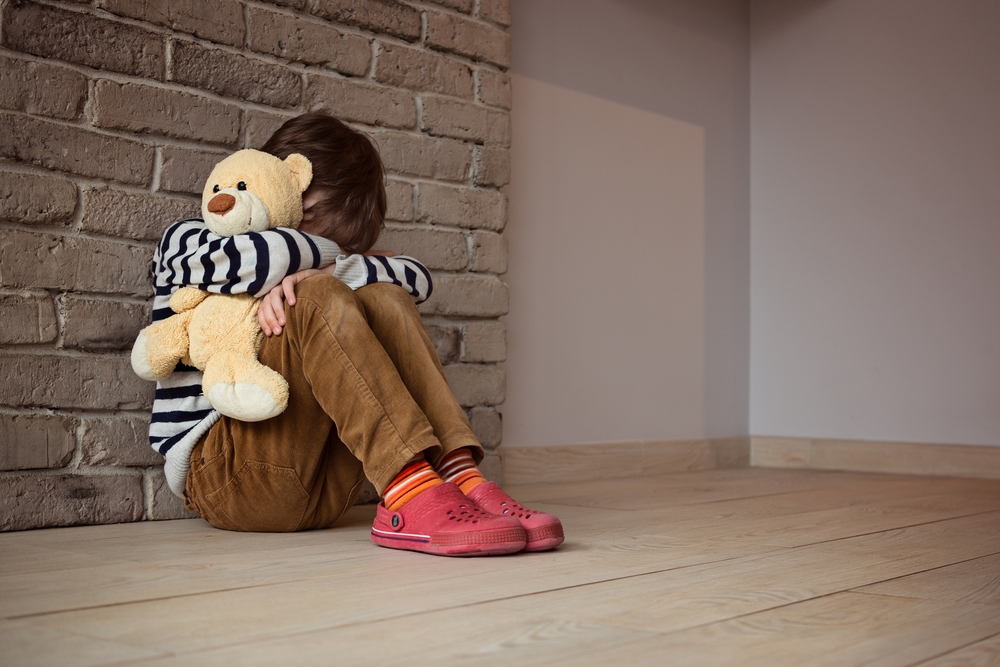
In 2020, childhood changed faster than a toddler can destroy a clean living room. One week, kids were packing backpacks, swapping snacks, and complaining about math worksheets. The next, their classrooms were laptop screens, their playgrounds were backyards, and their social lives were filtered through glitchy video calls where someone was always frozen mid-blink.
For adults, 2020 was a year of uncertainty, health worries, economic stress, social change, and nonstop headlines. For children, it was all of that plus canceled birthday parties, missing friends, confusing safety rules, and the strange realization that the kitchen table had somehow become school. The challenges of 2020 were not just logistical; they were emotional, social, academic, and developmental.
The good news? Children are remarkably resilient when they have steady, caring adults in their corner. They do not need perfect parents, flawless schedules, or Pinterest-worthy “learning corners” with color-coded bins. They need connection, honesty, structure, play, patience, and adults who can say, “This is hard, but we will figure it out together.”
Below are six practical, research-informed ways to help children navigate the challenges of 2020 while building emotional strength that can last well beyond one difficult year.
1. Talk Honestly, Calmly, and at Their Level
Children are excellent little detectives. They notice whispered conversations, worried facial expressions, closed schools, empty grocery shelves, and the fact that everyone suddenly started treating hand sanitizer like liquid gold. When adults avoid talking about difficult events, children often fill in the blanks themselvesand their imagination may create a scarier story than the truth.
Honest communication helps children feel safer. That does not mean giving them every adult detail or turning dinner into a breaking-news panel. It means explaining what is happening in simple, age-appropriate language.
How to explain uncertainty without creating fear
For younger children, keep explanations short and concrete: “A virus has been making people sick, so schools are closed for now to help people stay healthy.” For older children and teens, invite more discussion: “What have you heard about what is happening? What questions do you have?”
The key is to answer what they ask, not deliver a graduate-level lecture on epidemiology while they are still holding a stuffed dinosaur. If you do not know an answer, it is perfectly fine to say, “I do not know yet, but I will help you find reliable information.” That response teaches children that uncertainty is uncomfortable, but manageable.
Listen before you fix
Many adults rush to reassure children with phrases like “Don’t worry” or “Everything is fine.” The problem is that children may already know everything is not exactly fine. A better approach is to validate first: “I understand why you feel nervous. A lot changed quickly.” Then offer comfort: “We are doing things to stay safe, and I am here with you.”
This simple shift tells children their feelings are not wrong. They do not have to hide fear, sadness, anger, or disappointment. They can bring those feelings to a trusted adult instead of carrying them alone.
2. Build a Flexible Routine That Makes the Day Feel Predictable
In 2020, many children lost the normal rhythm of school, sports, clubs, family visits, and weekend activities. Without structure, days could blur together into one long pajama-powered mystery. Was it Tuesday? Was it snack time? Was it still March? Nobody knew.
Routine gives children a sense of control. It tells the brain, “Here is what comes next.” That matters because predictability can reduce stress, improve cooperation, and make remote learning less chaotic.
Create anchors, not a military schedule
A helpful routine does not need to be strict down to the minute. In fact, a schedule that is too rigid can make everyone miserable by 9:07 a.m. Instead, create daily anchors: wake-up time, breakfast, learning blocks, movement, quiet time, chores, family time, and bedtime.
For example, a simple school-at-home day might look like this:
- Morning: breakfast, get dressed, check school assignments
- Midday: online class, reading, outdoor movement, lunch
- Afternoon: independent work, creative activity, chores
- Evening: dinner, family check-in, screen-free wind-down, bedtime
Notice the phrase “get dressed.” It does not mean formalwear. It simply means changing out of sleep clothes so the brain gets the memo that the day has started. Sweatpants are still allowed. We are building resilience, not hosting a fashion show.
Let children help design the routine
Children are more likely to follow a plan when they have some ownership. Ask: “Would you rather do reading before lunch or after lunch?” “Should our movement break be dancing, walking, or backyard soccer?” Giving choices helps children feel respected and reduces power struggles.
For younger kids, use pictures or drawings. For older kids and teens, use a shared calendar or whiteboard. The point is not to create a perfect day. The point is to create a day that does not feel like it was assembled by a raccoon in a windstorm.
3. Help Children Name, Express, and Manage Big Feelings
The emotional challenges of 2020 were real. Children missed friends, teachers, grandparents, sports, school events, and ordinary life. Some worried about family health or money. Others felt angry because the rules kept changing. Many did not have the words to explain what they were feeling, so those feelings came out as tantrums, sleep problems, clinginess, headaches, irritability, or “I hate online school!” shouted with Broadway-level drama.
Behavior is often communication. When a child is acting out, shutting down, or suddenly melting over a broken crayon, the real issue may be stress, grief, fear, or exhaustion.
Use feeling words often
Adults can help by naming emotions in everyday moments: “You seem disappointed that soccer was canceled.” “It makes sense that you feel frustrated after sitting on a screen all morning.” “I wonder if you are sad because you miss your friends.”
This builds emotional vocabulary. A child who can say “I feel overwhelmed” is less likely to communicate by throwing a pencil across the room. Not guaranteed, of coursepencils are temptingbut much less likely.
Teach coping tools they can actually use
Coping skills should be simple, repeatable, and realistic. Try breathing exercises, drawing feelings, journaling, stretching, listening to music, taking a walk, squeezing a stress ball, or using a calm-down corner. Younger children may like “smell the flower, blow out the candle” breathing. Teens may prefer music, texting a friend, private journaling, or taking a screen break without being treated like they are being sent to a remote monastery.
It also helps to model coping out loud: “I am feeling stressed, so I am going to take three deep breaths before I answer that email.” Children learn more from what adults practice than from what adults preach.
4. Protect Social Connection, Even When Normal Social Life Is Interrupted
One of the hardest parts of 2020 for children was social isolation. School is not only where children learn fractions and how to spell “because.” It is where they build friendships, practice conflict resolution, read facial expressions, join teams, and discover that everyone’s lunch smells weird to someone.
When in-person connection became limited, children needed creative ways to maintain relationships. Social connection supports mental health, motivation, and a sense of belonging.
Make connection intentional
Schedule video calls with classmates, cousins, grandparents, or family friends. Encourage children to write letters, make cards, record silly videos, play online games safely with known friends, or participate in virtual clubs. For younger children, a five-minute video call may be plenty. For teens, privacy and autonomy matter, so give them space to connect without hovering like a parental helicopter with Wi-Fi.
Connection does not always require technology. Sidewalk chalk messages, window waves, neighborhood scavenger hunts, driveway conversations from a safe distance, and family game nights can help children feel less alone.
Create family rituals
Family rituals are emotional glue. They can be small: Friday pizza night, Sunday pancakes, evening walks, gratitude at dinner, bedtime reading, or a “rose and thorn” check-in where each person shares one good thing and one hard thing about the day.
Rituals tell children, “Some things are still ours.” In a year when so much felt uncertain, that message mattered deeply.
5. Balance Screens, News, Sleep, Movement, and Play
During 2020, screens became school, friendship, entertainment, babysitter, library, gym, and occasionally the only reason parents could take a work call without someone asking for string cheese. Screens were not the enemy. But too much unstructured screen time, scary news, and late-night scrolling could increase stress and interfere with sleep.
Children needed balance: enough technology to learn and connect, but enough offline life to move, rest, imagine, and breathe.
Limit exposure to frightening news
Children do not need a constant stream of alarming headlines. Even when the news is on “in the background,” children may absorb frightening words and images. Choose specific times to check updates, use reliable sources, and avoid leaving news running all day.
For older children and teens, talk about media literacy. Ask: “Where did that information come from?” “Is it a reliable source?” “How does reading this make you feel?” This helps them become thoughtful consumers of information rather than emotional pinballs bouncing between panic and misinformation.
Make movement and sleep non-negotiable basics
Physical activity helps children manage stress, improve mood, and burn off energy that might otherwise be used to climb furniture. Outdoor play, walking, biking, dancing, stretching, yoga, or indoor obstacle courses can all help.
Sleep is just as important. Keep consistent bedtimes when possible, create a wind-down routine, and move devices away from beds at night. A tired child is often a cranky child. A tired teen is sometimes a cranky adult in training.
Do not forget play
Play is not a luxury. It is how children process stress, practice problem-solving, express emotions, and feel powerful in a world where many decisions are made for them. Building forts, drawing comics, pretending to run a restaurant, making music, baking, gardening, or inventing ridiculous family competitions can all support emotional health.
In 2020, play helped children reclaim joy. And honestly, adults needed it too.
6. Encourage Purpose, Hope, and Help-Seeking
Children cope better when they feel they can do something. In 2020, many children felt powerless because the problems seemed enormous. Adults could help by giving them meaningful, age-appropriate ways to contribute.
Purpose does not need to be grand. A child can help make dinner, call a grandparent, draw a thank-you note for a nurse, donate toys, help a younger sibling, care for a pet, water plants, or choose a family kindness project. These actions say, “You matter. You can help. You are part of something bigger than the problem.”
Build hope without pretending everything is easy
Hope is not fake cheerfulness. It is the belief that hard things can be faced, support can be found, and better days can come. Instead of saying, “Everything will go back to normal soon,” try, “This is difficult, and we are learning how to handle it one step at a time.”
That kind of hope is sturdy. It does not collapse the first time plans change.
Know when a child may need extra support
Some stress reactions are normal during a crisis. However, parents and caregivers should watch for signs that a child may need help from a pediatrician, counselor, school psychologist, or mental health professional. These signs can include ongoing sadness, intense anxiety, major sleep or appetite changes, withdrawal from friends or activities, frequent physical complaints, sharp drops in school performance, self-harm talk, substance use, or aggressive behavior that does not improve.
Seeking help is not a failure. It is responsible parenting. Nobody expects a parent to fix a broken arm with encouraging words and a sticker chart. Mental health deserves the same seriousness and care.
Real-Life Experiences: What 2020 Taught Families About Helping Children Cope
One of the most powerful lessons from 2020 was that children often remember how a home felt more than how perfectly it functioned. Many families did not have ideal learning setups. Some children attended class from shared bedrooms, kitchen counters, or living rooms where younger siblings staged surprise concerts in the background. Parents balanced work, bills, health worries, cooking, cleaning, and tech support for assignments that somehow required three passwords and the patience of a saint.
Yet in many homes, small acts of steadiness made a big difference. A parent who started each morning with pancakes and a quick check-in gave the day a softer landing. A caregiver who allowed a child to cry over a canceled birthday party without saying “other people have it worse” taught emotional safety. A teacher who opened online class with a joke or a pet cameo reminded students that school was still a human place, not just a screen with homework attached.
Families also learned that flexibility is not the opposite of structure; it is what makes structure survive real life. A carefully planned schedule might fall apart because the internet failed, a child woke up anxious, or everyone simply needed a break. The families who adapted best often treated the schedule as a map, not a cage. If math moved from 10:00 a.m. to after lunch, the world did not end. If a child needed ten minutes outside before reading, that was not laziness; it was regulation.
Another common experience was the discovery that children process stress in unexpected ways. Some asked direct questions: “Will Grandma get sick?” Others became clingy, silly, angry, quiet, or unusually tired. Some children wanted constant reassurance; others acted as if nothing bothered them until bedtime, when all the worries lined up like tiny emotional goblins. Parents who learned to look beneath behavior often found fear, grief, boredom, or loneliness waiting to be understood.
Many families also rediscovered simple joys. Walks became adventures. Baking became science class with frosting. Board games became social studies, negotiation practice, and occasionally a courtroom drama over who cheated at Monopoly. Children built forts, made art, helped cook, planted seeds, learned to video-call grandparents, and found new ways to be close when the outside world felt far away.
The experience of 2020 also reminded adults that children do not need constant entertainment. They need connection, room to feel, chances to help, and permission to be imperfect. A child who saw adults apologize, adjust, laugh, rest, and try again learned resilience in action. A teen who heard, “This is hard for me too, but we can talk about it,” learned that strength includes honesty.
Most importantly, 2020 showed that resilience is built in ordinary moments. It grows when a parent listens without rushing. It grows when a family keeps one comforting ritual. It grows when children are allowed to grieve what they lost while still noticing what remains. The year was challenging, but it also gave families a chance to teach courage, compassion, patience, and adaptabilitynot as slogans, but as daily practices.
Conclusion: Helping Children Through Hard Times Starts With Steady Adults
The challenges of 2020 were big, messy, and deeply personal. Children faced disrupted routines, remote learning, social isolation, health worries, emotional stress, and a world that seemed to change every few days. But with honest communication, predictable routines, emotional support, social connection, healthy habits, and a sense of purpose, adults could help children move through uncertainty with greater confidence.
No family handled 2020 perfectly. Perfection was never the goal. The goal was presence. A child who feels seen, heard, protected, and loved is better equipped to face difficult times. Even when adults do not have all the answers, they can offer something more important: a steady hand, a listening ear, and the reminder that hard days do not last forever.
Helping children navigate the challenges of 2020 was not about pretending the year was easy. It was about teaching them that difficult chapters can be lived through, talked about, learned from, and eventually turned into strength. And yes, maybe also about learning where the mute button is before the next online class.