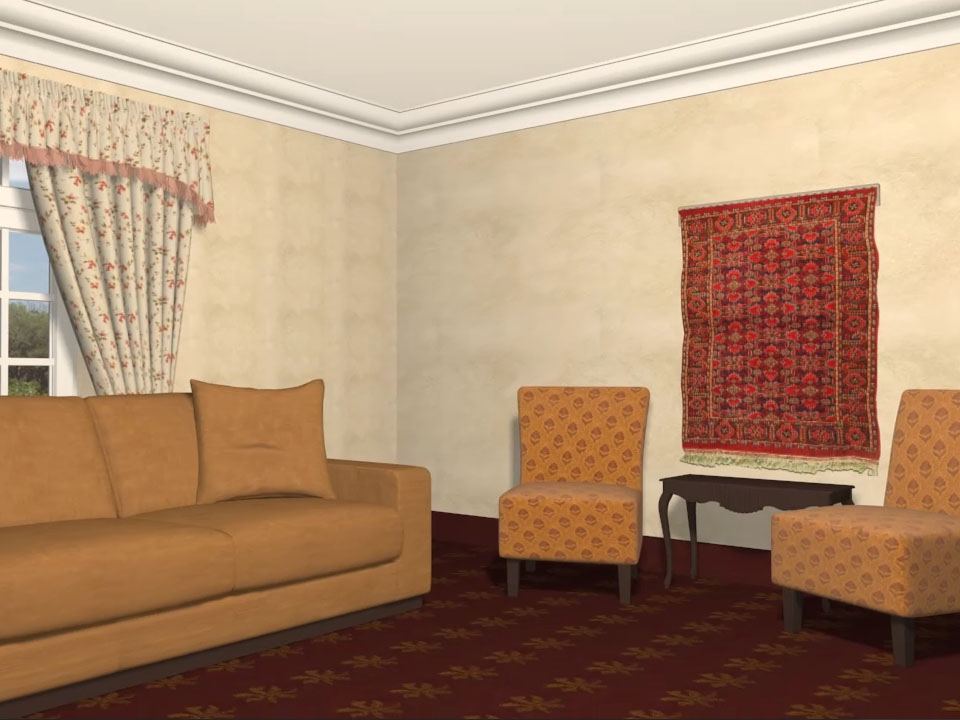
If you have a blank wall staring at you like it expects rent money, a wall tapestry can fix that fast. It adds color, texture, softness, and a little personality without demanding that you become an expert in framing, matting, or measuring seventeen identical gallery-wall rectangles. In other words, it is one of the easiest ways to make a room look intentional instead of “still unpacking.”
But here is the catch: knowing how to hang a wall tapestry matters almost as much as choosing the tapestry itself. The wrong method can leave you with sagging fabric, crooked corners, visible damage, or a beautiful textile that slowly stretches into sadness. The right method keeps the piece looking polished, supports the fabric properly, and matches your wall type, your lease situation, and your patience level.
Below, you will find six practical, stylish, and fabric-friendly ways to hang a tapestry, along with tips on when each method works best. Whether you are decorating a dorm, upgrading a bedroom, styling a living room, or trying to display a vintage textile without treating it like a beach towel, this guide has you covered.
Before You Hang Anything, Ask These 4 Questions
Before you grab pins, clips, or a drill, take thirty seconds to assess the tapestry itself. This step can save you from wall damage, fabric damage, and that special kind of frustration that starts with “I’ll just eyeball it.”
1. Is it lightweight, medium-weight, or heavy?
A thin cotton tapestry can tolerate simpler hanging methods than a thick woven textile, rug-style wall hanging, or heirloom piece. Heavier textiles need more support across the top edge so the weight is distributed evenly.
2. Is it decorative or valuable?
If it is a trendy wall hanging you bought for your apartment refresh, you have more flexibility. If it is handmade, vintage, antique, or sentimental, avoid methods that pierce, strain, or permanently alter the fabric.
3. Are you renting?
If yes, your best friends are low-damage methods like rods, poster hangers, removable hooks, and hook-and-loop systems used carefully. If you own the wall, you have more freedom to use anchors, mounted boards, and custom hardware.
4. Where will it hang?
Think about sunlight, humidity, and traffic. A tapestry in direct sun may fade over time. A textile near a steamy bathroom or a busy kitchen will not exactly live its best life. Also, if it is hanging above a bed or sofa, placement matters. Too high, and it looks like it is trying to escape. Too low, and it starts a fight with the headboard.
1. Use Push Pins or Tacks for a Quick, Casual Look
If your tapestry is lightweight and you want the fastest possible solution, push pins or small tacks are the old reliable option. This method is simple, cheap, and perfect for dorm rooms, teen bedrooms, casual boho spaces, and anyone who wants the wall done before their coffee gets cold.
Why it works
Push pins and tacks are ideal for thin, inexpensive textiles that do not need a lot of structural support. They are especially handy if the tapestry has a loose weave, because the pins can slip through the weave rather than punching obvious new holes.
How to do it well
Start by laying the tapestry flat so you can identify the true top edge. Mark your wall lightly with a pencil and begin with the top corners. Then add additional pins across the top to prevent sagging. If the piece is large, add support along the sides as well.
Here is the trick: more pins usually mean a neater drape. Too few, and the tapestry will droop in the middle like it just heard bad news.
Best for
Lightweight wall tapestries, college apartments, temporary styling, and relaxed spaces.
Not ideal for
Vintage textiles, heavy woven pieces, or anything you would cry over if it snagged.
2. Hang It from a Decorative Rod for a More Finished Look
If you want your tapestry to look more like intentional wall art and less like “fabric I pinned up at 11:48 p.m.,” a decorative rod is one of the best options. It gives the textile structure, adds visual polish, and works beautifully in living rooms, bedrooms, and entryways.
Why it works
A rod instantly makes a tapestry feel styled. It is especially effective when the textile already has a rod pocket, sleeve, or sewn channel at the back. If not, you can create one or use clip rings instead.
Two easy rod options
- Rod pocket method: Slide the rod through the sewn pocket and mount the rod brackets on the wall.
- Clip ring method: Attach clip rings evenly across the top edge and hang the rings from the rod.
Clip rings are a lifesaver if you do not want to sew. They also make it easier to remove the tapestry for cleaning or seasonal changes. Just be sure to space them evenly, because bunching on one side is a fast path to “why is it leaning like that?”
Best for
Medium to large tapestries, curtain-like textiles, statement walls, and anyone who wants a cleaner, more elevated look.
Style bonus
The rod itself becomes part of the décor. Wood feels warm and earthy, black metal looks modern, and brass brings a more classic or vintage vibe.
3. Create a Dowel Pocket for a Clean, Balanced Display
For a tapestry that needs a little more support than pins can offer but does not require full framing, a dowel pocket is a smart middle ground. This method is especially good for medium-weight textiles and larger wall hangings that need help staying straight.
Why it works
A dowel spreads the weight across the width of the piece, which reduces strain at a few small hanging points. That is good for the shape of the tapestry and even better for your peace of mind.
How to make it happen
If the tapestry has no sleeve, you can sew a strip of sturdy fabric across the back top edge to form a pocket. Slide in a wooden dowel or slim rod, then hang it from hooks, brackets, or picture hardware.
If sewing is not your thing, you can use a no-sew fabric bonding solution for lightweight pieces. That said, if the textile is valuable, skip the shortcuts and choose a method that is fully reversible.
Best for
Medium-weight textiles, larger wall hangings, and anyone who wants the tapestry to hang flatter and straighter.
Pro tip
Use a dowel slightly shorter than the width of the tapestry so it does not peek out at the ends like an accidental mustache.
4. Use Clip Hangers, Quilt Clips, or Poster Hangers for No-Sew Convenience
If you want to avoid sewing and still keep the display tidy, clip-based systems are worth a serious look. This category includes quilt clips, curtain clips, bulldog clips, and wooden poster hangers.
Why it works
These methods hold the fabric mechanically rather than piercing or permanently altering it. They are especially useful for modern decorative tapestries, lightweight woven pieces, and seasonal textiles you may want to swap out later.
Your options
- Quilt clips: Great for thinner, quilt-like textiles and softer wall hangings.
- Bulldog or curtain clips: Easy, affordable, and charming in a casual or eclectic space.
- Poster hangers: Excellent if you want the tapestry to hang flat and graphic, almost like a print.
Poster hangers are especially good when the tapestry is part décor, part art print, and you want crisp edges without going full museum mode. They also work well in minimalist rooms where a loose drape would feel too casual.
Best for
Renters, no-sew decorators, lightweight textiles, and anyone who likes to change things up often.
Watch out for
Very tight clips can leave marks on delicate fabric, so add a soft barrier or choose a gentler hanging method if the material is fragile.
5. Use Hook-and-Loop Tape for a Flat, Wall-Hugging Finish
If you want the tapestry to sit close to the wall with minimal rippling, hook-and-loop tape is one of the sleekest options. It is also a favorite style of support in textile display because it can spread stress more evenly than a few isolated hanging points.
Why it works
This method keeps the textile flat and helps prevent drooping. It is particularly useful for larger pieces, curved walls, and displays where you want the tapestry to look tailored instead of draped.
How to use it smartly
For decorative tapestries, you can attach one side of the tape to a support surface and the other to a backing strip or sleeve on the textile. For anything older or valuable, avoid sticky shortcuts directly on the fabric. A sewn support system is usually the safer route.
This method is neat, practical, and pleasantly low-profile. It is basically the introvert of tapestry hanging methods: very effective, very organized, and not interested in drawing attention to itself.
Best for
Large textiles, flat displays, and people who want a clean line without visible rods or clips.
Not ideal for
Very fragile fabrics unless the mounting system is designed specifically for textile preservation.
6. Frame or Mount It for the Most Polished, Protective Result
If your tapestry is small, delicate, unusually special, or simply deserving of main-character treatment, framing or mounting is the premium choice. It transforms fabric into wall art with real presence.
Two polished approaches
- Stretch over a frame or board: This keeps the textile taut and works well for modern, graphic, or medium-weight pieces.
- Frame or shadowbox: Best for smaller or fragile textiles that need protection from dust, handling, and general household chaos.
A stretched mount gives a contemporary, gallery-style finish. A frame or shadowbox works better for delicate or heirloom textiles because it offers more protection and visual definition. This option can also make a modest textile feel more substantial on a large wall.
Best for
Small tapestries, special textiles, curated interiors, and anyone who wants a sophisticated, long-term display.
Worth remembering
Mounting and framing usually cost more, but they can also save you from replacing or repairing a damaged piece later. Sometimes the fanciest option is not extra. It is just prevention wearing nicer shoes.
Common Mistakes to Avoid When Hanging a Wall Tapestry
- Hanging it too high: A tapestry should relate to the furniture below it and feel visually grounded.
- Ignoring weight: Heavy textiles need support across the width, not just two hopeful corners.
- Using harsh adhesives carelessly: Always check product instructions and test removable products first.
- Placing it in direct sun: Great for houseplants, less great for fabrics.
- Choosing style over support: Yes, it should look good. No, it should not look good for two weeks and then slide sideways.
How to Choose the Best Hanging Method for Your Space
If you are still deciding, here is the easy version:
- Choose push pins or tacks for a fast, casual, lightweight setup.
- Choose a decorative rod for a classic, styled finish.
- Choose a dowel pocket for balanced support and a neat drape.
- Choose clips or poster hangers for a no-sew, renter-friendly solution.
- Choose hook-and-loop tape for a flatter, cleaner display.
- Choose framing or mounting for delicate, valuable, or highly polished presentations.
The best method is not always the fanciest one. It is the one that respects the fabric, suits the room, and does not make future-you mutter under your breath while patching holes or rescuing a droopy corner.
Final Thoughts
Learning how to hang a wall tapestry is really about matching the hanging method to the textile. A casual cotton wall hanging can thrive with simple pins or clips. A heavier tapestry looks better with a rod, dowel, or supported mount. A fragile heirloom deserves shade, structure, and a gentler touch.
The good news is that tapestries are wonderfully flexible in both style and installation. They can soften a room, fill a blank wall, add warmth, act as oversized art, and completely change the mood of a space without requiring a renovation budget. Not bad for a piece of fabric, honestly.
So whether you are styling a dorm, finishing a bedroom, upgrading a rental, or finally giving that blank wall something better to do, the right tapestry hanging method can make the whole room feel more finished, more personal, and much less like a wall waiting for instructions.
Real-Life Experiences and Lessons From Hanging a Wall Tapestry
One of the funniest things about hanging a tapestry is that people often assume it will be easier than hanging framed art. Sometimes that is true. Sometimes it is hilariously false. A tapestry looks relaxed, soft, and forgiving, but it still has opinions. It wants even support, a straight top line, and a wall that is not secretly working against you.
A common first experience goes something like this: someone buys a beautiful tapestry online, holds it against the wall, says, “This will take five minutes,” and then spends the next forty trying to get both corners level. The fabric shifts, one pin goes in too high, the center sags, and suddenly the tapestry looks less like intentional décor and more like it got tired halfway through the installation. The lesson? Measure first. Confidence is not a substitute for a pencil mark.
Another very real experience happens in rentals. You want the room to look stylish, but you also want your security deposit to survive. That usually leads people to removable methods, which can work very well, but only if the wall is clean, the tapestry is light enough, and expectations are realistic. A lightweight cotton tapestry may hang beautifully with removable hardware. A thick woven piece that weighs as much as a sleepy cat? That is a different conversation.
People also learn quickly that the top edge tells the whole story. If the top is straight, the tapestry looks polished. If the top ripples, droops, or pulls unevenly, the whole display feels off, even when nobody can explain why. That is why rods, dowels, sleeves, and evenly spaced clips are so useful. They do not just hold the fabric up; they make it look intentional.
There is also the sunlight lesson, which many decorators learn the annoying way. A tapestry can look gorgeous on the brightest wall in the room right up until the colors begin to fade. Fabric is not a fan of constant sunbathing. If a textile matters to you, keeping it out of direct light is one of the smartest choices you can make.
Then there is the style lesson: tapestries change a room fast. A plain bedroom can suddenly feel layered and warm. A living room with too many hard surfaces can feel softer. A huge blank wall that once looked intimidating can become the best feature in the house. That is probably why tapestries keep coming back into style. They are practical, dramatic, and strangely comforting all at once.
And finally, almost everyone who hangs a tapestry learns the same truth: the best method is the one that matches both the fabric and your actual life. If you like to redecorate often, go simple. If the piece is meaningful, go gentle. If you want it to look expensive, give it structure. And if the first attempt is crooked, step back, laugh a little, and fix it. Home decorating has always been part design, part problem-solving, and part “well, that looked easier on the internet.”