Medical note: This article is for general informational purposes only and should not replace professional medical advice. Anyone who is pregnant, immunocompromised, or living with a blood disorder should contact a healthcare provider after possible exposure to fifth disease or after developing a new rash, joint pain, or unusual fatigue.
Fifth disease sounds like something that should come after first, second, third, and fourth disease in a very organized medical filing cabinet. In reality, it is the common name for erythema infectiosum, a usually mild viral illness caused by parvovirus B19. It is especially common in children, but adults can get it tooand adults often experience it a little differently.
The most famous fifth disease symptom is the “slapped cheek” rash, a bright or flushed-looking rash across the face. But experts point out that fifth disease does not always begin with the rash. It often starts like a regular cold or mild flu, which is why many families do not realize what is going on until the cheeks suddenly look like they have been auditioning for a tomato commercial.
Below are the six top fifth disease symptoms experts commonly highlight, along with what they may look like in children and adults, when to call a doctor, and how to make sense of the illness without spiraling into late-night search-engine panic.
What Is Fifth Disease?
Fifth disease is a contagious viral illness caused by human parvovirus B19. It spreads mainly through respiratory droplets, such as saliva or mucus from coughing, sneezing, or close contact. It can also spread through blood and, during pregnancy, from a pregnant person to a fetus.
In healthy children and adults, fifth disease is usually mild and goes away on its own. Many people have no symptoms or only mild symptoms. However, the infection can be more serious for certain groups, including pregnant people, people with weakened immune systems, and those with blood disorders such as sickle cell disease or certain types of anemia.
6 Top Fifth Disease Symptoms to Know
1. A “Slapped Cheek” Rash
The classic sign of fifth disease is a red or flushed rash on the cheeks. On lighter skin, it may appear bright red. On darker skin tones, it may look more purple, dusky, or harder to spot, which is one reason experts recommend paying attention to the full symptom picture rather than relying on color alone.
This cheek rash often appears after the early cold-like symptoms have started to fade. In children, it can look dramatic even when the child feels mostly fine. Parents may notice that their child suddenly looks as if they have been outside in cold wind, running around at recess, or receiving cheek-pinches from every aunt at a family reunion.
One important detail: by the time the rash appears, many children are no longer highly contagious. That surprises many parents because the rash looks like the “main event.” In reality, the virus is often most contagious before the rash shows up, during the early stage when symptoms resemble a common cold.
2. A Lacy Rash on the Body
After the cheek rash, fifth disease may cause a second rash on the body. This rash can appear on the arms, legs, chest, back, buttocks, or thighs. Experts often describe it as lacy, net-like, or slightly raised. It may also be itchy, though not everyone experiences itching.
The body rash can come and go for days or even weeks. Heat, sunlight, exercise, stress, or warm baths may make it more noticeable. That means a child may look better in the morning, then suddenly appear rashy again after gym class, a sunny walk, or a dramatic argument over socks. This does not always mean the illness is getting worse.
Because many viral rashes can look similar, caregivers should watch for the overall pattern: mild early illness, cheek rash, then a lacy rash. If the rash is painful, blistering, accompanied by trouble breathing, or linked with high fever or severe illness, medical care is needed promptly.
3. Mild Fever
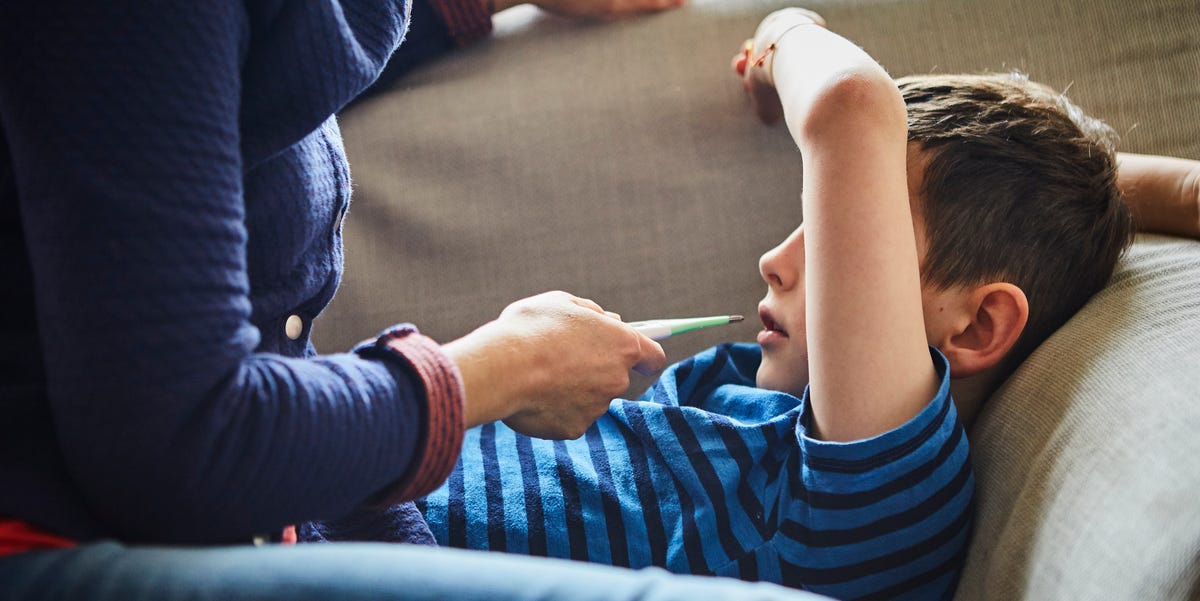
A mild fever is one of the common early fifth disease symptoms. It usually appears before the rash and may be accompanied by general tiredness or achiness. The fever is often low-grade rather than severe, which is why fifth disease can easily be mistaken for a routine virus.
In many cases, children are still eating, drinking, and playing, though perhaps at a slightly lower energy settingless “rocket launch,” more “couch potato with snack requests.” Adults may feel more run down, especially if joint symptoms develop.
Parents should contact a healthcare provider if a fever is high, persistent, or paired with concerning symptoms such as difficulty breathing, dehydration, extreme sleepiness, stiff neck, or a rash that looks unusual. Babies, people with immune problems, and those with blood disorders may need more careful evaluation.
4. Runny Nose, Sore Throat, or Cold-Like Symptoms
Before fifth disease becomes recognizable, it often behaves like a regular upper respiratory infection. A child may have a runny nose, sore throat, mild cough, headache, or general “I do not feel great” energy. This early stage is also when the virus is most likely to spread to others.
Because these symptoms are so ordinary, fifth disease can move through classrooms, daycares, and households before anyone realizes it. A child may seem to have a simple cold, then several days later develop the cheek rash that finally reveals the culprit.
Good hand hygiene, covering coughs and sneezes, avoiding shared cups or utensils, and staying home when actively sick can reduce spread. There is no routine vaccine for fifth disease, so prevention depends mostly on everyday respiratory hygienethe boring stuff that actually works.
5. Headache, Fatigue, and Muscle Aches
Fifth disease can also cause headache, fatigue, and muscle aches. These symptoms may be mild in children but more noticeable in adults. A child may seem clingy, cranky, or less interested in food. An adult may feel like they are coming down with the flu, only to discover later that the virus brought a rash-shaped plot twist.
Fatigue can be frustrating because it is not as visible as a rash. A child may look fine but tire quickly. Adults may feel wiped out even when the illness is considered mild. Rest, fluids, and comfort measures are often enough for otherwise healthy people, but symptoms that are severe, prolonged, or unusual should be discussed with a healthcare professional.
People with certain blood conditions should be especially cautious. Parvovirus B19 can temporarily affect red blood cell production. For most healthy people, this is not a major issue. For someone with sickle cell disease, chronic anemia, or a weakened immune system, it can become more serious.
6. Joint Pain or Swelling, Especially in Adults
Joint pain is one of the most important fifth disease symptoms in adults. While children are more likely to show the classic cheek rash, adults may develop aching, stiffness, or swelling in the hands, wrists, knees, ankles, or feet. Sometimes the joint symptoms appear without much of a rash at all.
This can make fifth disease confusing in adults. A parent may only realize they caught it after their child had a rash at school and they suddenly develop sore wrists or knees. In many adults, joint pain improves within a few weeks, but it can last longer in some cases.
Because joint pain has many possible causes, adults should not automatically assume fifth disease is responsible. A healthcare provider can help determine whether symptoms fit parvovirus B19 infection, another viral illness, arthritis, or something else.
How Fifth Disease Symptoms Differ in Children and Adults
Children and adults can both get fifth disease, but the symptom pattern is often different. Children are more likely to develop the well-known cheek rash and lacy body rash. Adults are more likely to experience joint pain or swelling, sometimes with fewer skin symptoms.
This difference matters because adults may overlook fifth disease. A parent might not connect their sore hands or knees with a child’s rash from the previous week. Teachers, daycare workers, healthcare workers, and parents of school-age children may have a higher chance of exposure simply because they spend time around children.
When Is Fifth Disease Contagious?
Fifth disease is usually most contagious during the early stage, before the rash appears. This is when symptoms look like a cold: runny nose, mild fever, sore throat, headache, or tiredness. Once the cheek rash appears, many children are no longer considered contagious and may return to school or daycare if they feel well enough and school policies allow it.
This timing can feel unfair. The child looks most alarming when they may be least contagious. Meanwhile, during the quiet “just a cold” phase, the virus may already be spreading like gossip in a middle school hallway.
Who Should Call a Healthcare Provider?
Most healthy children and adults recover from fifth disease without special treatment. Still, certain people should contact a healthcare professional after exposure or symptoms. This includes pregnant people, people with weakened immune systems, and anyone with blood disorders such as sickle cell disease or significant anemia.
A healthcare provider may recommend blood testing in higher-risk situations. Testing can show whether a person has immunity from a past infection or has a recent infection. Pregnant people should be especially careful because parvovirus B19 can sometimes cause complications for the fetus, though many exposures do not lead to serious problems.
How Fifth Disease Is Usually Managed at Home
There is no specific cure for uncomplicated fifth disease, and antibiotics do not work because it is caused by a virus. Home care usually focuses on comfort: rest, fluids, and fever or pain relief recommended by a healthcare provider. Children should avoid aspirin unless specifically directed by a clinician.
For itchy rash, cool compresses and gentle skin care may help. Avoid overheating, since heat can make the rash look more intense. If the rash comes and goes for a few weeks, that can be part of the normal course, especially after exercise, sun exposure, or warm baths.
Common Myths About Fifth Disease Symptoms
Myth 1: The rash means the child is still very contagious.
In many cases, the opposite is true. The contagious period is usually earlier, before the rash appears.
Myth 2: Only children get fifth disease.
Children get it often, but adults can get it too. Adults may be more likely to notice joint pain than a dramatic rash.
Myth 3: Every case has a bright red cheek rash.
Not always. Some people have mild symptoms, no obvious rash, or a rash that is harder to see depending on skin tone.
Myth 4: Fifth disease is always harmless.
It is usually mild in healthy people, but it can be more serious for pregnant people, immunocompromised individuals, and people with certain blood disorders.
Real-Life Experience: What Fifth Disease Can Feel Like in a Household
Imagine a typical Monday morning. A child wakes up a little sniffly, maybe with a mild fever and a complaint that their throat feels “weird.” Nothing dramatic. No one is calling a medical mystery podcast. It looks like a regular cold, so the family does what families do: tissues, fluids, temperature checks, and a gentle reminder not to wipe a nose on a sleeve because civilization has rules.
By Wednesday, the child seems better. The fever is gone, energy is returning, and everyone assumes the worst is over. Then, suddenly, the cheeks turn bright and flushed. At first, a parent might think it is sun, heat, dry skin, or playground enthusiasm. But the redness looks unusually even, almost like two painted patches across the face. A day or two later, a faint lacy rash appears on the arms or legs.
This is the moment many parents finally hear the words “fifth disease.” The name can sound more alarming than the illness usually is. But once caregivers understand the pattern, it often makes sense: mild cold symptoms first, then the cheek rash, then the lacy body rash.
One common experience is confusion about school. A parent may worry that the rash means the child must stay home until every mark disappears. But in many cases, once the rash appears and the child feels well, they may no longer be contagious. Of course, families should still follow local school or daycare policies and check with a healthcare provider if there are concerns.
Another experience is the “rash comeback.” A child looks clear in the morning, runs around outside, takes a warm bath, or gets overheated, and the rash returns like an encore nobody requested. This can be unsettling, but fifth disease rashes may come and go for a while. The key is watching the child’s overall condition. If they are breathing normally, drinking fluids, acting reasonably well, and not developing severe symptoms, the rash alone may not be an emergency.
Adults in the house may have a different story. Instead of the classic cheek rash, a parent might develop sore wrists, stiff fingers, or achy knees. They may wonder if they slept strangely, typed too much, or aged twelve years overnight. If there was recent exposure to fifth disease, parvovirus B19 may be part of the explanation. Adult joint symptoms can be uncomfortable and sometimes linger, so medical advice is reasonable when pain is significant or persistent.
Families with higher-risk members often experience extra worry. If someone is pregnant, has sickle cell disease, has significant anemia, or has a weakened immune system, exposure should be discussed with a healthcare provider. This does not mean panic is necessary. It means the situation deserves professional guidance rather than guesswork.
The practical lesson from fifth disease is that symptoms do not always arrive in the order people expect. The contagious stage may look mild. The rash may appear after the child is already improving. The adult symptoms may show up as joint pain instead of red cheeks. Once families know these patterns, the illness becomes less mysterious and easier to manage calmly.
Conclusion
Fifth disease is usually a mild viral illness, but its symptoms can be surprisingly sneaky. The six top fifth disease symptoms include the classic slapped cheek rash, a lacy body rash, mild fever, cold-like symptoms, headache or fatigue, and joint pain or swelling. Children often show the rash more clearly, while adults may notice joint discomfort more than skin changes.
For most healthy people, fifth disease improves with rest, fluids, and simple comfort care. The most important exception is risk: pregnant people, immunocompromised individuals, and people with certain blood disorders should contact a healthcare provider after exposure or symptoms. When in doubt, especially with unusual rash, high fever, breathing problems, severe fatigue, or persistent joint pain, getting medical advice is the smart move.
Think of fifth disease as a small virus with a flair for dramatic timing. It often enters quietly like a cold, exits with a rash, and leaves families saying, “Well, that was weird.” Fortunately, with the right information, it is usually manageableand far less scary than its old-fashioned name makes it sound.