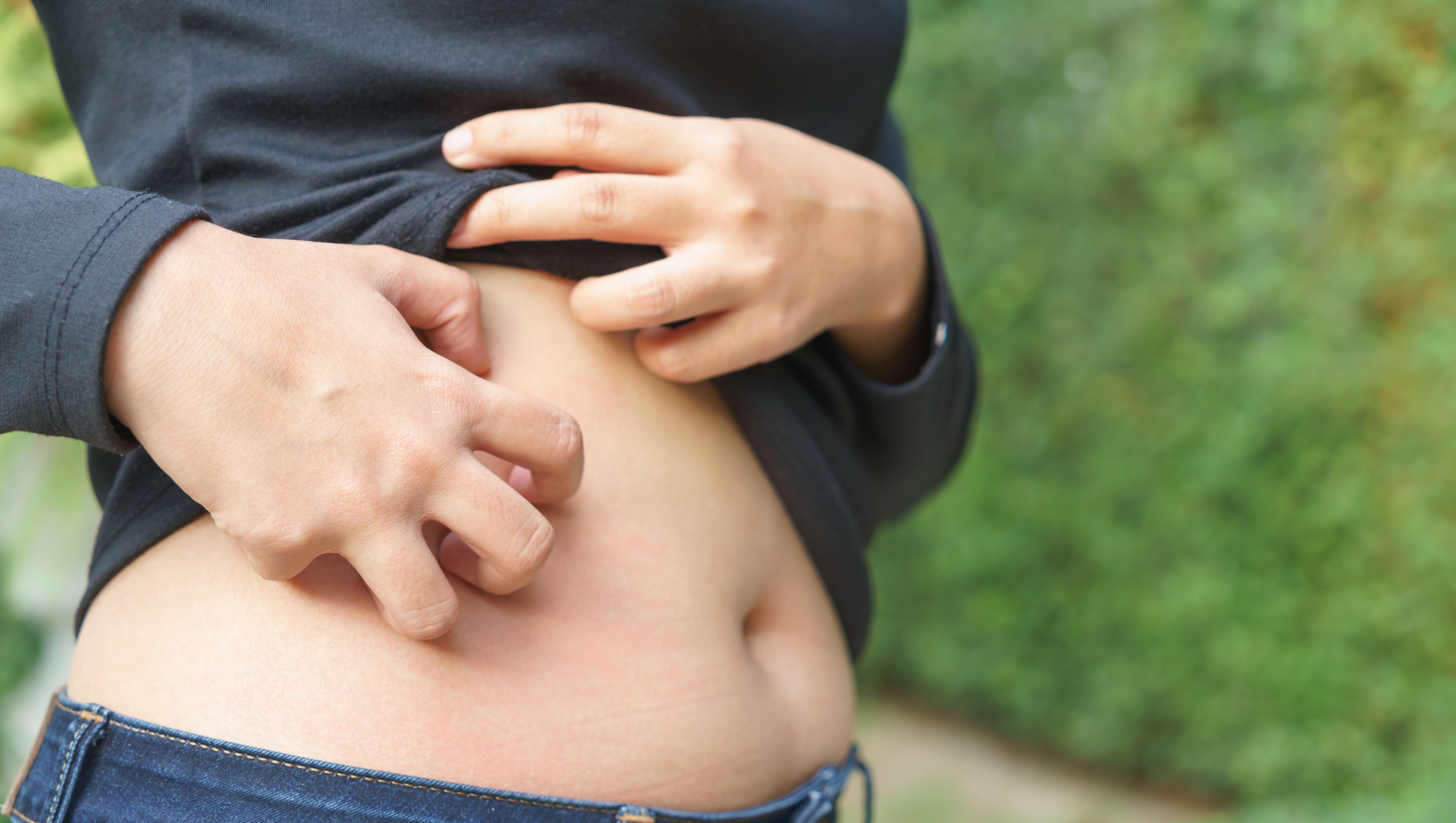
An itchy belly button is one of those tiny body problems that can feel weirdly personal. One minute you are living your life, and the next minute your navel is demanding attention like it has breaking news. The good news? In many cases, an itchy belly button is caused by something simple, such as sweat, lint, soap residue, dry skin, or irritation from clothing. The not-so-fun news? Sometimes belly button itching can point to a yeast infection, bacterial infection, eczema, psoriasis, an allergic reaction, or even a piercing problem.
Your belly button is basically a small skin fold with a flair for collecting moisture, dead skin cells, fabric fibers, body oils, and whatever else the day throws at it. If you have an “innie,” that little pocket can trap sweat after workouts, soap after showers, or bacteria if it is not cleaned and dried well. If you have an “outie,” the skin may rub against waistbands or become dry and irritated. Either way, the navel may be small, but it can create surprisingly dramatic symptoms.
Below are six common reasons your belly button is so itchy, how to tell them apart, what you can do at home, and when it is time to call a healthcare professional instead of conducting another late-night internet investigation.
1. Sweat, Moisture, and Everyday Buildup
One of the most common reasons for belly button itching is simple buildup. Sweat, dead skin cells, body oils, soap residue, and clothing lint can gather in and around the navel. Add a warm day, tight pants, or a sweaty workout, and your belly button can become a tiny humid cave. Unfortunately, skin does not love tiny humid caves.
What It May Look and Feel Like
You may notice mild itching, a musty smell, small flakes, or a feeling that the skin inside your navel is irritated. There may be no obvious rash at first. Sometimes the area simply feels “off,” especially after exercise or after wearing high-waisted clothing all day.
This type of itching often improves when the area is cleaned gently and dried completely. The key word is gently. Your belly button is not a cast-iron pan. Scrubbing it like you are removing burned cheese from a skillet can make irritation worse.
What Helps
Wash the area with mild soap and water during your shower. Rinse well so soap does not stay trapped in the navel. Afterward, pat the area dry with a clean towel. If you have a deep “innie,” you can carefully dry around the opening with a cotton swab, but do not dig aggressively. If sweat is a trigger, change out of damp workout clothes quickly and choose breathable fabrics when possible.
Avoid packing lotions, oils, or thick creams into a deep belly button unless a clinician tells you to. Moisturizer can help dry skin around the navel, but too much product inside a moist skin fold can trap humidity and make itching worse.
2. Contact Dermatitis From Clothing, Soap, or Nickel
Contact dermatitis happens when the skin becomes irritated by something it touches or has an allergic reaction to it. Around the belly button, common triggers include laundry detergent, body wash, fragrance, waistband elastic, belt buckles, metal snaps, and jean buttons. Nickel is a classic troublemaker. It is found in many metal fasteners, jewelry pieces, and clothing hardware. If a metal button rests right over your navel, your belly button area may become itchy, red, scaly, or bumpy.
Why the Belly Button Area Is a Target
The skin around the navel often sits directly under waistbands, buttons, zippers, and belts. Friction plus sweat plus metal exposure can create the perfect setup for irritation. A person may notice the rash lines up suspiciously well with the back of a jeans button or belt buckle. In other words, your pants may be the villain. Fashion can be cruel.
Signs of Contact Dermatitis
Contact dermatitis may cause itching, redness, swelling, dryness, cracking, peeling, burning, or small blisters. The rash often appears where the trigger touched the skin. In darker skin tones, irritation may look brown, purple, gray, or darker than surrounding skin rather than bright red.
What Helps
Try switching to fragrance-free soap and detergent. Avoid applying perfume, scented lotion, or harsh exfoliants near the navel. If you suspect nickel, create a barrier between your skin and metal fasteners. You can wear an undershirt tucked in, choose plastic-coated buttons, or avoid clothing hardware that touches your skin. For mild irritation, a short course of over-the-counter hydrocortisone may help, but avoid using steroid creams for long periods or on broken skin without medical guidance.
3. A Belly Button Yeast Infection
A yeast infection can happen in the belly button because yeast thrives in warm, dark, moist places. The navel, especially a deep “innie,” can provide exactly that environment. Candida, a type of yeast that normally lives on the skin, may overgrow when moisture gets trapped.
Belly button yeast infections are more likely after heavy sweating, frequent tight clothing, poor drying after bathing, antibiotic use, diabetes, a weakened immune system, or skin folds that stay damp. This does not mean anyone did anything “wrong.” Skin folds are simply high-maintenance real estate.
What It May Look and Feel Like
A yeast infection in the navel may cause intense itching, burning, tenderness, a red or discolored rash, shiny or moist skin, scaling, small surrounding bumps, or a mild odor. Some people notice a clear or whitish discharge. The area may feel irritated when clothing rubs against it.
What Helps
Keeping the area clean and dry is important. Over-the-counter antifungal creams used for common fungal skin infections may help, but it is best to check with a healthcare professional if symptoms are new, severe, recurrent, or not improving. Do not treat every itchy belly button as yeast. Using the wrong product can delay the right treatment and give the rash more time to throw a party.
Seek medical advice sooner if you have diabetes, are immunocompromised, have spreading redness, increasing pain, fever, or drainage that smells bad or looks like pus.
4. Bacterial Infection or an Irritated Piercing
Bacteria can enter the skin through tiny cuts, scratches, irritated hair follicles, or a belly button piercing. A piercing creates an opening in the skin, and even older piercings can become irritated if jewelry catches on clothing, if the area is not cleaned properly, or if the metal causes an allergic reaction.
Signs This May Be an Infection
A bacterial infection may cause itching, but it usually brings other warning signs too. Look for increasing redness or discoloration, warmth, swelling, pain, pus, crusting, bleeding, a bad smell, or skin that feels hot to the touch. A bump, boil-like spot, or tender lump may also appear.
With piercings, irritation and infection can look similar. Irritation may cause redness, itching, and tenderness around the jewelry, especially after friction. Infection may cause worsening pain, thick yellow or green drainage, spreading redness, warmth, or fever.
What Helps
Do not squeeze, pick, or aggressively clean the area. Wash gently with mild soap and water, dry carefully, and avoid tight clothing that rubs the navel. If you have a piercing, follow professional aftercare instructions. Avoid removing jewelry from an infected piercing without medical advice, because the opening may close and trap infection inside.
Contact a healthcare professional if you see pus, spreading redness, severe pain, fever, red streaking, or symptoms that are getting worse. Belly button infections are usually treatable, but they should not be ignored when they are clearly escalating.
5. Eczema, Psoriasis, or Other Chronic Skin Conditions
Sometimes an itchy belly button is not really a belly button problem. It is a skin condition that happens to show up there. Eczema and psoriasis can affect many areas of the body, including the abdomen and skin folds.
Eczema Around the Belly Button
Eczema, including atopic dermatitis, can cause dry, itchy, inflamed skin. Around the belly button, eczema may look flaky, rough, cracked, darker, red, or irritated. Scratching can make the skin raw or lead to oozing and crusting. Triggers may include fragrance, sweat, stress, dry weather, rough fabrics, or harsh soaps.
If the skin around your navel is dry and itchy but not moist, smelly, or draining, eczema may be one possibility. Gentle skin care can make a big difference. Use mild cleanser, avoid fragrance, moisturize the surrounding dry skin, and try not to scratch. Yes, “try not to scratch” is the skincare equivalent of “just relax,” but it truly helps prevent a small flare from becoming a bigger one.
Psoriasis in or Near the Navel
Psoriasis can cause itchy, thickened, scaly patches. In skin folds, inverse psoriasis may appear smoother, shinier, and less scaly because moisture changes the look of the rash. The belly button can be affected, especially if someone already has psoriasis elsewhere, such as the scalp, elbows, knees, nails, or lower back.
Psoriasis treatment depends on the type, location, and severity. Because the navel is a sensitive area, it is wise to get a proper diagnosis before applying strong medicated creams. Some products that are fine on thicker skin may be too irritating for skin folds.
6. Ringworm, Folliculitis, or a Nearby Hernia-Related Skin Issue
Less commonly, belly button itching may come from other conditions such as ringworm, folliculitis, or skin irritation related to a belly button bulge.
Ringworm Near the Belly Button
Ringworm is not caused by a worm, which is comforting, although the name really did not do it any favors. It is a fungal skin infection that can cause an itchy, ring-shaped rash. The rash may have a scaly border, a clearer center, or overlapping circular patches. Around the abdomen, it may spread from contact with infected skin, towels, clothing, gym equipment, or pets.
Mild ringworm is often treated with antifungal creams, but persistent, widespread, or uncertain rashes should be evaluated. Avoid using steroid cream alone on a suspected fungal rash unless a clinician recommends it, because steroids can sometimes make fungal infections harder to recognize.
Folliculitis Around the Navel
Folliculitis happens when hair follicles become inflamed, often from friction, sweat, bacteria, yeast, shaving, or tight clothing. Around the belly button, it may look like small itchy or tender bumps, sometimes with whiteheads. It can be confused with acne, bug bites, or an infected rash.
Mild cases may improve with gentle cleansing, warm compresses, and avoiding friction. If bumps are painful, spreading, filled with pus, or recurring, medical care may be needed.
Umbilical Hernia and Skin Irritation
An umbilical hernia happens when tissue pushes through a weak spot near the belly button, creating a bulge. A hernia itself is not usually described as “itchy,” but the stretched or protruding skin over a bulge may rub against clothing and become irritated. If you notice a new belly button bulge, pain, vomiting, sudden tenderness, or a bulge that cannot be pushed back in, seek medical care promptly.
How to Soothe an Itchy Belly Button at Home
For mild itching without severe pain, pus, fever, or spreading redness, start with simple care. Clean the area with mild soap and water. Rinse thoroughly. Dry completely. Wear loose, breathable clothing for a few days. Avoid scented products, harsh scrubs, alcohol, hydrogen peroxide, and heavy creams inside the navel. If sweat seems to trigger symptoms, shower after workouts and change out of damp clothes quickly.
If the skin around the navel is dry, apply a small amount of fragrance-free moisturizer around the area, not deep inside a moist “innie.” If a clothing button or belt buckle lines up with the rash, cover the metal or switch clothing. If symptoms suggest yeast or ringworm, an antifungal product may be appropriate, but it is better to get medical advice if you are unsure.
When to See a Doctor for an Itchy Belly Button
Call a healthcare professional if the itching lasts more than one to two weeks despite gentle care, keeps coming back, or comes with pain, swelling, warmth, pus, bleeding, foul odor, fever, or spreading redness. You should also get checked if you have diabetes, a weakened immune system, a new piercing with signs of infection, a rash that is rapidly worsening, or a belly button bulge with pain or vomiting.
A clinician may diagnose the problem by looking at the skin, asking about products and clothing, checking for infection, or taking a small sample if yeast, bacteria, or fungus is suspected. Treatment may include antifungal medicine, antibiotic medicine, topical anti-inflammatory medication, piercing care, allergy avoidance, or a referral to a dermatologist.
Real-Life Experiences: What an Itchy Belly Button Can Teach You
Many people first notice belly button itching after a routine change. Maybe they started exercising more, switched laundry detergent, bought new jeans, changed body wash, or began wearing a belt with a metal buckle. The tricky part is that the navel does not always complain immediately. Contact dermatitis, for example, may show up hours or days after exposure. That delay can make the trigger feel mysterious, like your belly button hired a detective but refused to share the case file.
One common experience is the “new jeans rash.” A person wears a favorite pair of jeans all weekend, then notices an itchy patch around the belly button by Monday. The rash may sit exactly where the metal button touches the skin. If this happens repeatedly, nickel allergy or metal irritation may be involved. The solution may be surprisingly simple: tuck in a soft shirt, cover the metal, or choose pants with a coated fastener. Sometimes the most advanced medical technology is a cotton undershirt.
Another familiar story is the “gym sweat itch.” After workouts, sweat collects in the navel, especially under tight leggings or compression shorts. If the area stays damp during errands, commuting, or lounging afterward, itching may follow. People often assume they need stronger soap, but the real fix may be better drying and faster clothing changes. Overwashing with harsh cleansers can strip the skin and make irritation worse, turning a small itch into a full navel rebellion.
Piercing irritation is another experience many people underestimate. A belly button piercing can look healed on the outside while still being sensitive to friction, jewelry material, or accidental tugging. High-waisted pants, seat belts, workouts, and sleeping positions can all irritate the area. When symptoms include itching alone, irritation or allergy may be possible. When itching comes with heat, swelling, worsening pain, or pus, infection becomes more concerning and deserves medical attention.
Some people also discover that their belly button itch is part of a larger skin pattern. If you have itchy patches on your hands, eyelids, elbows, scalp, or behind the knees, the navel may simply be joining the eczema or psoriasis group chat. In that case, treating only the belly button may not solve the bigger issue. Tracking flares, products, fabrics, stress, weather changes, and sweating can help reveal patterns.
The biggest lesson is this: do not panic, but do pay attention. An itchy belly button is usually manageable, especially when you keep it clean, dry, and protected from irritants. However, symptoms like pus, spreading redness, fever, severe pain, a bad smell, or a new bulge are not “wait and see forever” signs. Your navel may be small, but when it waves a red flag, it deserves a grown-up response.
Conclusion
An itchy belly button can happen for many reasons, from harmless sweat buildup to contact dermatitis, yeast infection, bacterial infection, eczema, psoriasis, ringworm, folliculitis, or irritation from a piercing. The best first step is simple: clean gently, rinse well, dry thoroughly, and remove obvious triggers like scented products, tight waistbands, or nickel-containing buttons. If symptoms improve, your belly button was probably just asking for better housekeeping.
If the itch sticks around, worsens, or comes with pain, pus, swelling, warmth, fever, odor, bleeding, or a new bulge, get medical advice. The right diagnosis matters because the best treatment for yeast is not the same as the best treatment for eczema, nickel allergy, or bacterial infection. In other words, your belly button may be tiny, but it deserves precision.