Quick reality check (the helpful kind): Lupus (most often systemic lupus erythematosus, or SLE) is a chronic autoimmune disease where the immune system misfires and inflames healthy tissue. There’s no “one weird trick” cure. But there are evidence-informed, natural (read: lifestyle and supportive) approaches that can make symptoms more manageable, reduce flare triggers, and protect long-term healthalongside the treatment plan you and your clinician choose.
Think of the six natural treatments below as the “supporting cast” that helps your medications do their job better: less inflammation, fewer triggers, better energy, stronger heart/bones, and improved day-to-day quality of life. We’ll keep it practical, a little witty, and very allergic to snake oil.
Before You Start: What “Natural Treatment” Means (and Doesn’t)
It means: habits and non-drug strategies you can do at homesun protection, food choices, movement, stress tools, sleep routines, and avoiding common triggers.
It does not mean: stopping prescribed treatment, replacing immunosuppressants with supplements, or trying “immune-boosting” herbs like it’s a video game power-up. With lupus, randomly boosting the immune system can be… the opposite of helpful.
1) Photoprotection: Make UV Exposure Boring (In the Best Way)
For many people with lupus, ultraviolet (UV) light can trigger rashesand for some, it can contribute to broader disease flares. That means “sun smart” isn’t just skincare advice; it’s symptom management.
Why it helps
- UV exposure is a well-known trigger for photosensitive rashes in lupus.
- Reducing UV exposure can help lower the odds of flares tied to light sensitivity.
How to try it (without becoming a vampire)
- Use broad-spectrum sunscreen and reapply as directedespecially if you’re outdoors for more than a quick dash.
- Dress like you’re starring in a “cool breezy linen” ad: long sleeves, pants/long skirt, wide-brim hat, sunglasses.
- Time outdoor errands for earlier or later in the day when UV is lower.
- Don’t forget indoor light. Some people are sensitive to certain artificial lighting tooif you notice a pattern, log it and bring it up at appointments.
Practical example
If you walk your dog at noon and always end up exhausted and rashy later, test a two-week swap: walk before school/work or after dinner, use sun-protective clothing, and track symptoms. The goal isn’t “never go outside.” The goal is “stop UV from being your body’s surprise pop quiz.”
2) Anti-Inflammatory, Heart-Smart Eating: The Mediterranean-ish Approach
Lupus isn’t just joint pain or skin symptomsit’s whole-body inflammation, and it can come with higher cardiovascular risk. A balanced, anti-inflammatory eating pattern won’t “cure” lupus, but it can support energy, weight stability, gut comfort, and heart healthespecially important if steroids are part of treatment.
Why it helps
- Emphasizes foods linked with lower inflammation markers in many chronic conditions.
- Supports blood pressure, cholesterol, and blood sugarkey because lupus and some lupus medications can raise heart-metabolic risk.
What to focus on
- Plants first: vegetables, fruit, beans, lentils, whole grains.
- Healthy fats: olive oil, nuts, seeds, avocado.
- Lean proteins: fish, poultry, tofu/tempeh, beans.
- Flavor helpers: herbs, spices, garlic/ginger/turmeric in normal food amounts (not mega-dose supplements unless your clinician approves).
Foods and supplements to treat cautiously
- Alfalfa sprouts (and sometimes alfalfa supplements) are commonly advised against in lupus because they may stimulate immune activity in a way that worsens symptoms.
- “Immune-boosting” supplements like echinacea are often discouraged for similar reasons.
A simple plate formula
Half plate: colorful veggies • Quarter plate: protein • Quarter plate: whole grain/starchy veg • Add: olive oil + herbs
Example day (realistic, not influencer fantasy)
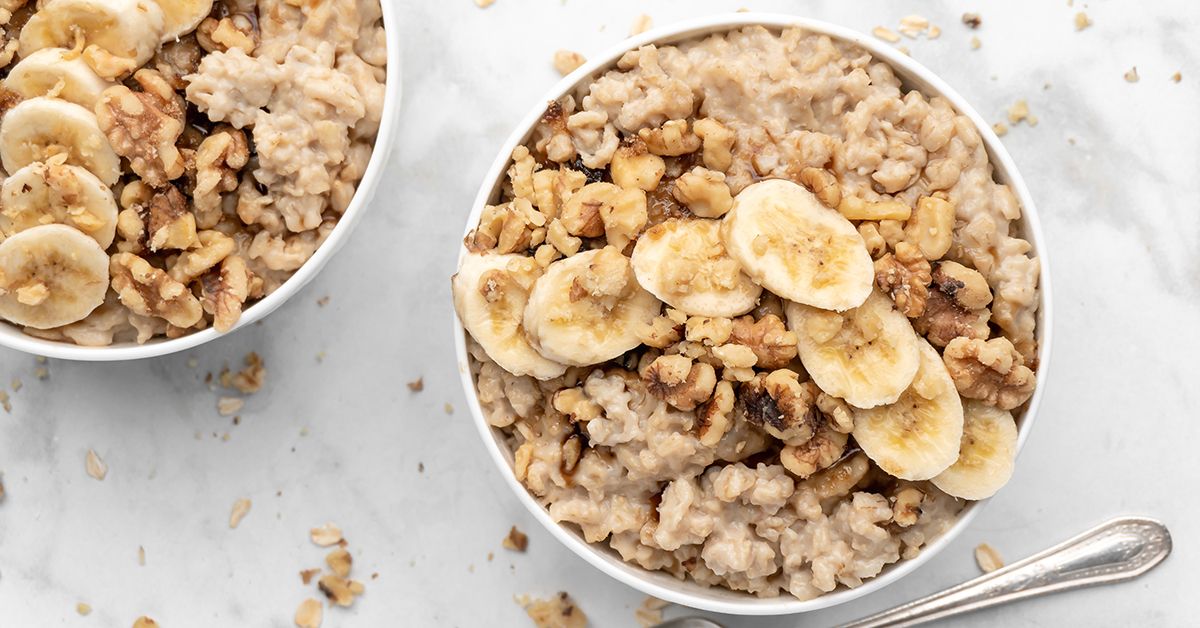
- Breakfast: oatmeal with berries + walnuts
- Lunch: quinoa bowl with chickpeas, spinach, cucumber, olive oil/lemon dressing
- Dinner: salmon (or tofu) + roasted veggies + brown rice
- Snack: yogurt (or fortified soy yogurt) + fruit
3) Omega-3s: Food First, Supplements Only With a Safety Check
Omega-3 fatty acids (like EPA and DHA) are known for anti-inflammatory effects. In lupus, they’re often discussed as a supportive strategyespecially because heart health is such a big deal.
Why it helps
- Omega-3s can support inflammation balance and cardiovascular health.
- Many lupus education resources highlight omega-3-rich fish and plant sources as helpful choices.
Best “natural” way to get them
- Fatty fish a couple times per week (if you eat fish): salmon, sardines, trout, mackerel.
- Plant sources: ground flaxseed, chia seeds, walnuts (these provide ALA, which the body partially converts).
If you’re considering supplements
Omega-3 supplements can interact with medications that affect bleeding risk, and they’re not a great DIY project if you’re on blood thinners or certain anti-inflammatories. Talk with your clinician or pharmacist first, and bring your exact supplement label to the conversation. “Natural” doesn’t automatically mean “safe for your medication list.”
4) Joint-Friendly Movement: Consistency Beats Intensity
Lupus fatigue can make exercise feel like an unfair assignment. But the right kind of movementlow-impact, paced, and consistentoften helps with stiffness, mood, sleep quality, and function over time.
Why it helps
- Strengthens muscles around joints, improves flexibility, and supports endurance.
- Can reduce stress and improve sleeptwo factors that often affect symptom perception and flare patterns.
What “good lupus exercise” looks like
- Low-impact cardio: walking, cycling, swimming, water aerobics
- Strength training: light resistance bands or bodyweight, 2–3x/week as tolerated
- Mobility/flexibility: gentle yoga, stretching, range-of-motion work
Pacing strategy (the secret sauce)
Start smaller than you think you need. If you push too hard on a “good day,” you can pay for it later. Try the “10% rule”: increase duration or effort slowly, and keep a recovery day baked in.
Example starter plan
- Mon/Wed/Fri: 10–15 minute walk (indoors if sun/heat triggers you)
- Tue/Thu: 8–10 minutes of gentle strength (bands + squats to a chair)
- Daily: 3–5 minutes of stretching before bed
5) Stress Management: A Flare-Prevention Skill, Not a “Vibe”
Stress doesn’t cause lupus, but it can make symptoms feel louderand many people report stress as a flare trigger. The point isn’t to “never be stressed.” The point is to build a toolkit so stress doesn’t run the whole show.
Why it helps
- Chronic stress can amplify inflammation pathways and worsen fatigue and mood.
- Mind-body strategies (like CBT skills, mindfulness, and counseling supports) may improve quality of life in lupus.
Pick two tools and actually use them
- Micro-mindfulness: 60 seconds of slow breathing (inhale 4, exhale 6)
- Journaling: quick “brain dump” before bed so your mind stops replaying the day
- CBT-style reframing: write the worry, write a more balanced thought
- Gentle yoga or stretching focused on downshifting, not sweating
- Social support: a friend, support group, or therapistbecause chronic illness is a lot
Specific example
If you notice symptoms spike during exams/work deadlines, set a “stress appointment” daily: 10 minutes after dinner for a walk + 3 minutes breathing + a quick plan for tomorrow. It’s not dramatic, but it’s repeatablewhich is the whole point.
6) Sleep and Fatigue Management: Treat Rest Like Treatment
Fatigue is one of the most common (and most misunderstood) lupus symptoms. It can feel like your body is stuck on low battery even after a full night of sleep. Better sleep won’t fix everything, but it can noticeably improve coping capacity, pain sensitivity, brain fog, and mood.
Why it helps
- Better sleep supports immune regulation, mood stability, and pain processing.
- Fatigue often has multiple contributorsdisease activity, anemia, thyroid issues, sleep disturbances, medication effectsso improving sleep hygiene is a high-upside place to start.
Sleep habits that actually help
- Keep a consistent sleep/wake time (yes, even weekendsyour body loves consistency).
- Build a wind-down routine: warm shower, reading, journaling, gentle stretch.
- Cut caffeine earlier if you notice it affects sleep.
- Stop big meals close to bedtime if reflux or discomfort wakes you up.
- Ask about sleep apnea if you snore loudly or wake unrefreshed.
Fatigue pacing (without guilt)
Try “energy budgeting”: plan your day with one priority task, one optional task, and one rest block. If you do all three priorities before lunch, your body may cash that check at 8 p.m. with interest.
Bonus Safety Notes: Natural Doesn’t Mean Risk-Free
- Tell your clinician about every supplement you takevitamins, teas, powders, “detox” drops, everything.
- Be skeptical of “immune boosters.” Lupus is already an immune system that’s too enthusiastic.
- Log triggers. Sun, stress, sleep loss, infections, smoking exposure, certain medspatterns are powerful.
Real-Life Experiences: What These Natural Treatments Feel Like (500+ Words)
Let’s be honest: “lifestyle changes” can sound like a poster on a clinic walltechnically true, emotionally unhelpful. So here’s what people commonly describe when they start using these six natural treatments in real life (and what tends to make it easier to stick with them).
Sun protection is often the first “wow, this matters” moment. Someone might notice that a short outdoor lunch, a day at the beach, or even a long drive with sun hitting one arm leads to a rash or a deep, flu-like exhaustion later. At first it can feel unfairlike your body is allergic to daylight. But once photoprotection becomes routine (hat by the door, sunscreen next to your keys, long-sleeve sun shirt in the car), it stops feeling like a punishment and starts feeling like control. The win isn’t “never go outside.” The win is realizing you can still do outdoor thingsjust smarter and with fewer consequences.
Food changes are rarely instant magic, and that’s important to say out loud. People often report that the biggest benefits are steadier energy and fewer stomach surprises, not an overnight disappearance of symptoms. The practical breakthrough is usually simplifying: rotating a few reliable meals that don’t require chef-level effort. A common “aha” is that inflammation-friendly eating is less about perfection and more about defaults: if your default lunch becomes a grain bowl, salad with protein, or leftovers with veggies, you’ve already done something meaningful. It’s also common to feel frustrated when someone says, “Just eat clean,” as if lupus is a smudge you can wipe off with kale. The more realistic goal is: eat in a way that supports your heart, bones, and energy while your medical treatment handles immune activity.
Exercise is the weird one: it can sound impossible when fatigue is intense, yet gentle movement often improves function over time. Many people describe starting with something almost comically smallfive minutes of walking, stretching during a TV episode, a pool session that feels more like floating than working out. The big learning curve is pacing. Doing too much on a good day can lead to a “payback day” after. People who do best often treat movement like brushing teeth: not dramatic, not optional, and not all-or-nothing. A short, consistent routine usually beats a heroic workout that triggers a crash.
Stress management can bring up mixed feelings, because nobody wants to hear “reduce stress” while living with a chronic illness. What helps is reframing it: stress tools are not a moral requirement; they’re symptom skills. People often find one or two strategies they can toleratemaybe a breathing app, journaling, therapy, or a short evening walkand they notice fewer “spiral nights” where the mind races and sleep falls apart. Many also say that support groups (online or local) are underrated; being around people who “get it” can lower stress in a way that no lavender candle ever could.
Sleep routines are often the most annoying to build and the most rewarding to keep. People describe realizing that scrolling late at night doesn’t just steal time; it steals recovery. Small changesconsistent bedtime, caffeine earlier, a wind-down ritualcan make mornings less brutal. And when fatigue still happens (because it often will), energy budgeting helps: planning rest on purpose feels better than collapsing by accident.
Avoiding triggers like smoking is sometimes a turning point. People who quit smoking often describe it as the single biggest lifestyle move they madenot just for lungs, but for flares, medication effectiveness, and long-term complications. The emotional side matters too: quitting is hard, and support (clinician, quitline, nicotine replacement if appropriate) can be a game changer.
Overall, the shared theme is this: natural treatments work best when they’re small, repeatable, and paired with medical care. You’re not trying to become a perfectly optimized wellness robot. You’re building a life that gives your body fewer reasons to flare.
Conclusion: The Goal Is Fewer Triggers, Better Days, and Safer Long-Term Health
The best natural treatments for lupus aren’t exoticthey’re consistent. Protect yourself from UV exposure, eat in a heart-smart anti-inflammatory way, use omega-3s thoughtfully, move gently and regularly, practice stress tools that fit your life, and treat sleep like a real therapy. Track what helps, share patterns with your clinician, and remember: lupus management is a marathon, not a motivational quote.