Some photos politely ask for your attention. Perfectly timed pics kick the door open, steal your coffee, and make your brain say, “Wait… what am I looking at?” One second, you see a dog with human legs. The next, it is just a dog standing in front of a sunbather. One moment, a bird appears to be wearing a tiny airplane as a hat. Then your eyes adjust, your dignity returns, and you realize the magic was all about timing, perspective, light, and one incredibly lucky shutter click.
That is the charm of perfectly timed photos. They are visual jokes, tiny accidents of reality, and accidental works of art rolled into one. A camera freezes a fraction of a second that our eyes would normally miss. Suddenly, an ordinary street, beach, stadium, zoo, kitchen, or family party becomes a scene that looks edited, staged, or possibly arranged by a mischievous wizard with Wi-Fi.
This collection-style guide explores why “50 perfectly timed pics” are so addictive, what makes them work, and why they often make us look twice before laughing. Whether the image is a funny optical illusion, a once-in-a-lifetime action shot, or a coincidence so precise it feels illegal, the best perfectly timed pictures remind us that the world is constantly performing little magic tricks. Most of us just blink at the wrong time.
What Are Perfectly Timed Pics?
Perfectly timed pics are photographs captured at the exact moment when movement, angle, light, expression, and background align in a surprising way. Sometimes the result is beautiful: a surfer inside a glowing wave, a dancer suspended midair, or lightning striking behind fireworks. Other times, the result is delightfully ridiculous: a cat appearing to breathe fire, a person seemingly growing wings, or a child “holding” the sun between two fingers like a snack-size orange.
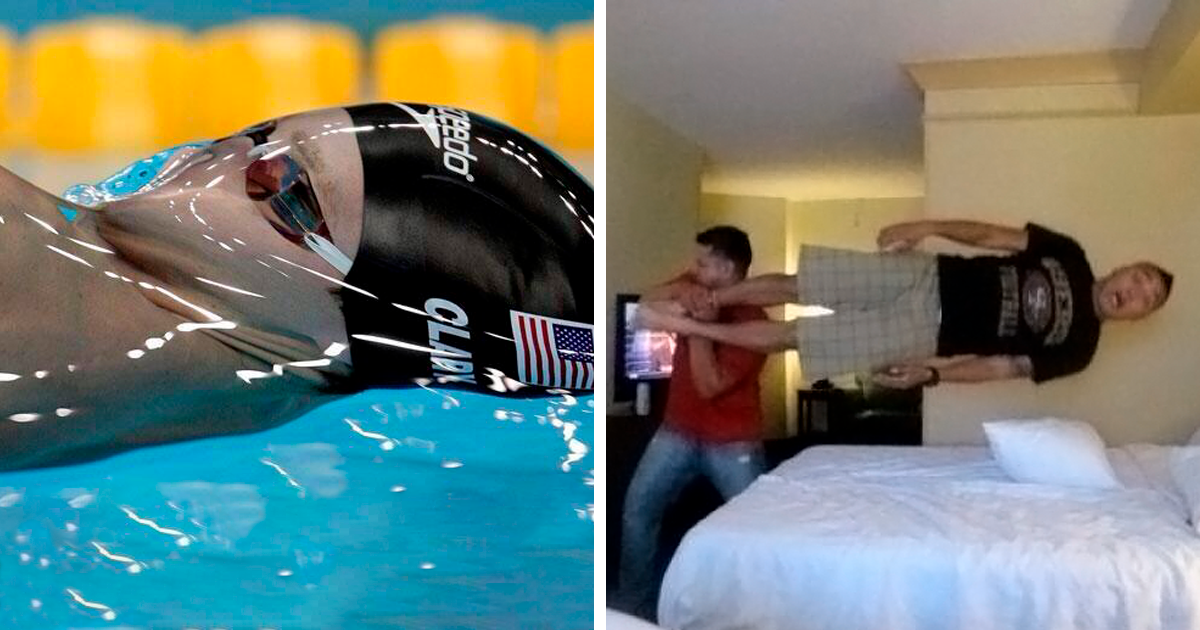
The phrase usually refers to images that look strange at first glance. They might create an optical illusion, merge two unrelated subjects, freeze a hilarious facial expression, or turn an everyday moment into something surreal. The best examples make viewers pause because the brain tries to explain the scene faster than it can process the details. That little delay is where the fun lives.
Why Perfectly Timed Photos Make Us Look Twice
Our brains are excellent at making quick guesses. Most of the time, that is useful. If something is moving toward your face, you do not want to hold a committee meeting about whether it is a baseball, a bird, or your friend’s terrible frisbee throw. But fast guessing also means the brain can be fooled by unusual visual information.
Perfectly timed pictures often work because they create a conflict between what we expect and what is actually in the frame. A person standing in front of a billboard may suddenly appear to have a cartoon body. A horse photographed at the exact second it shakes its mane may look like a shampoo commercial with hooves. A dog leaping over water can appear to fly, especially if the splash hides the ground below.
These images are not always optical illusions in the formal sense, but they use the same ingredients: perspective, contrast, shape, scale, depth, and context. The eye sees the shapes first. The brain builds a story. Then the second look arrives and says, “Nice try, brain. That man does not actually have a seagull head.”
The 50 Types of Perfectly Timed Pics People Love Most
A good list of 50 perfectly timed pics usually includes a mix of funny, weird, beautiful, and almost impossible-looking moments. Below are the most common categories that make these photos so shareable.
1. Animal Photos That Look Human
Animals are already internet royalty, but perfect timing gives them an upgrade. A dog sitting in front of someone’s legs can look like it is wearing jeans. A cat yawning near a candle may appear to be roaring fire. A bird landing behind a person can create instant angel wings. These pictures work because animals are unpredictable, expressive, and completely uninterested in your composition plan.
2. People With Accidental Wings
This classic never gets old. A person walks in front of a mural, airplane, sculpture, bird, or fountain at exactly the right second, and suddenly they look like a mythological creature on a lunch break. The best versions happen naturally, when the subject is unaware and the background completes the illusion.
3. Sports Moments Frozen in Midair
Sports photography is a paradise for perfectly timed images. Basketball players appear to float. Soccer players twist into shapes that seem medically suspicious. Gymnasts look weightless. Baseballs hover inches from a bat or face. The humor often comes from intensity: athletes are giving everything, while the camera politely preserves the one frame where everyone looks like a startled action figure.
4. Forced Perspective Vacation Shots
Tourists have been “holding up” the Leaning Tower of Pisa for so long that the tower probably expects emotional support now. Forced perspective uses distance and alignment to make objects appear larger, smaller, closer, or connected. The sun becomes a basketball. A mountain becomes a hat. A friend becomes tiny enough to stand on your palm. It is simple, silly, and still satisfying when done well.
5. Shadows That Tell a Different Story
Sometimes the shadow is funnier than the subject. A bicycle shadow may look like a strange animal. A person’s shadow may merge with a sign or tree branch. A boring sidewalk can suddenly become a theater stage for accidental drama. Shadows add mystery because they simplify shapes, and simple shapes give the brain more room to invent nonsense.
6. Reflections That Split Reality
Reflections in windows, puddles, mirrors, sunglasses, and polished floors can create images that feel like two worlds arguing inside one frame. A puddle can turn a city upside down. A glass door can place a stranger’s face on another person’s body. A reflection can hide, duplicate, or complete a scene in ways that look planned even when they are not.
7. Food Photos With Personality
A pepper with a tiny face. A pancake that looks shocked. A potato shaped like a celebrity if you squint and lower your standards. Perfectly timed food photos are often less about timing and more about noticing, but the same “look twice” effect applies. Add a bite mark, dripping sauce, steam, or a hand entering the frame at the right moment, and dinner becomes comedy.
8. Weather Doing Dramatic Things
Weather adds scale and drama. A cloud may look like a dragon. Lightning may strike behind a building at the perfect moment. Rain can freeze in midair under flash. Snow can transform a quiet scene into a surreal painting. Unlike staged perspective shots, weather photos often feel powerful because the photographer cannot control the main event. They can only prepare, wait, and hope nature hits its mark.
9. Street Photography Coincidences
Street photography is where perfectly timed pics become visual poetry with sneakers. A passerby matches an advertisement. A bus lines up with a face on a wall. Two strangers in matching outfits cross paths. A sign accidentally comments on the person beneath it. These photos reward patience and observation. The street is messy, but every so often, the mess arranges itself.
10. Family Photos Gone Accidentally Legendary
Family gatherings produce perfectly timed chaos because someone is always blinking, sneezing, jumping, spilling, pointing, or photobombing from the background like a raccoon with social ambitions. A wedding photo may capture a flower girl mid-tantrum. A birthday picture may freeze the exact second a cake begins its tragic descent. These images become family legends because they are honest, funny, and impossible to recreate without emotional damage.
The Secret Ingredients Behind a Great Perfectly Timed Picture
Luck is part of the recipe, but luck alone is not the whole meal. Many unforgettable perfectly timed photos happen because the photographer is paying attention before the moment appears. Great timing often comes from anticipating movement. If a dog is about to leap, a wave is about to crash, or a performer is about to jump, the best frame is usually waiting just a heartbeat ahead.
Composition also matters. A confusing picture becomes enjoyable when the viewer can eventually decode it. If the image is too cluttered, the joke disappears. If the subject and background line up clearly, the illusion lands quickly. That is why many successful perfectly timed photos have strong shapes, clean silhouettes, or obvious contrast between foreground and background.
Light is another hidden hero. Bright areas attract the eye first, while shadows create mystery and depth. A photo taken in harsh light may create a bold shadow illusion. A sunset may turn a simple silhouette into something cinematic. Even a phone camera can capture something incredible when the light cooperates and the photographer is awake enough to tap the button.
Are Perfectly Timed Pics Skill or Luck?
The honest answer is yes. They are skill and luck. Sometimes a person takes one random picture and accidentally captures a masterpiece. Other times, a photographer waits for hours, studies the scene, adjusts the angle, and shoots dozens or hundreds of frames to catch one moment that looks effortless.
Think of it like fishing. A beginner can catch a big fish. A skilled angler simply knows where to stand, what to watch, and when to react. Perfectly timed photography works the same way. The more you understand movement, light, and perspective, the more often “luck” decides to visit.
How to Capture Your Own Perfectly Timed Pics
Watch Before You Shoot
The biggest mistake is raising the camera too late. Before taking a photo, watch how people, animals, vehicles, waves, or shadows move through the scene. Patterns reveal opportunities. A skateboarder repeats a trick. A bird circles back. A child keeps jumping into the pool with the confidence of a tiny cannonball. The moment may happen again if you are ready.
Use Burst Mode
Burst mode is your best friend when action is unpredictable. It captures several frames in quick succession, increasing the chance that one image freezes the perfect instant. This is especially useful for sports, pets, wildlife, dancing, jumping, splashing, and any event involving toddlers, because toddlers operate on their own weather system.
Think About the Background
A background can make or ruin a perfectly timed picture. Before shooting, check what is behind your subject. A pole behind someone’s head can look awkward. A mural behind someone’s shoulders can look like wings. A sign behind a tired parent at a theme park may accidentally summarize the entire vacation.
Move Your Feet
Many photo illusions depend on where the photographer stands. Shift left, right, higher, or lower. Crouch. Step back. Get closer. The difference between “random snapshot” and “how is that dog driving a car?” may be six inches of camera position.
Freeze Motion With Faster Shutter Speeds
For fast action, a quick shutter speed helps freeze details instead of turning everything into blur soup. Bright outdoor scenes are easier because the camera has more light to work with. On a phone, tapping the subject, using action mode if available, or shooting in good light can improve the odds.
Be Patient With Coincidence
Some moments cannot be forced. Street coincidences, reflections, animal behavior, and weather drama require patience. The trick is to notice scenes that have potential and wait for the missing piece to enter the frame. In other words, become a polite stalker of geometry.
Why These Photos Go Viral
Perfectly timed pics are built for sharing because they create instant engagement. A viewer sees the image, feels confused, looks again, understands the trick, and wants someone else to experience the same tiny brain hiccup. That reaction is quick, emotional, and social. It fits perfectly into the way people browse online.
They also invite comments. Someone will say, “I thought the dog had human legs.” Someone else will say, “I still can’t see it.” A third person will confidently explain the illusion while being completely wrong, because the internet is a buffet and confidence is free. This comment-friendly quality helps visual posts travel across social platforms, humor sites, photography blogs, and community forums.
Perfectly Timed Pics as Accidental Art
The funniest thing about perfectly timed pictures is that many of them are not trying to be art. They are accidents. But accidental does not mean meaningless. A well-timed photo can reveal how strange reality looks when paused. It can show motion, humor, pattern, and emotion in a way that ordinary vision misses.
Photography has always been about selecting a slice of time. Perfectly timed photos simply choose the weirdest slice, butter it with coincidence, and serve it to the internet. That is why they can feel both silly and brilliant. They remind us that beauty does not always arrive wearing a serious hat. Sometimes it arrives as a cat that appears to have laser eyes.
Examples of Perfect Timing That Make People Pause
Imagine a photo of a runner passing directly in front of a poster showing a superhero cape. For one frozen moment, the runner looks ready to save the city, or at least jog heroically past a smoothie shop. Imagine a beach photo where a seagull flies so close to the camera that it appears larger than the people behind it, like a feathered dinosaur demanding fries. Imagine a child blowing bubbles just as one bubble surrounds the family dog’s head, creating the world’s most confused astronaut.
Other examples are more elegant. A dancer may leap as sunlight cuts across the stage, making the body look sculpted from gold. A cyclist may pass through a shaft of light between buildings. A baseball may be captured milliseconds before contact with the bat. In these images, the timing does not just create a joke. It creates tension, anticipation, and wonder.
Experience: What Perfectly Timed Pics Teach Us About Looking
After spending enough time studying perfectly timed pics, you start seeing the world differently. A normal walk down the street becomes a treasure hunt. You notice how signs line up with people’s heads, how reflections build double images in shop windows, how dogs make deeply unserious faces when they shake off water, and how shadows stretch into strange creatures at the end of the day. The camera becomes less like a device and more like a net for catching tiny miracles.
One of the best experiences related to this topic is discovering that perfect timing does not require a fancy camera. A smartphone is enough if you pay attention. The real skill is learning to recognize when a scene is almost funny, almost beautiful, or almost impossible. Maybe a friend is standing near a mural, and the painted crown is just above their head. Maybe a bird keeps landing on the same railing. Maybe a kid is about to jump into a pile of leaves with the seriousness of an Olympic athlete. You begin to sense the moment before it happens.
There is also a wonderful humility in this kind of photography. You can plan everything and still miss the shot. The dog turns away. The bird flies too high. The shadow shifts. Someone walks into the frame carrying a giant iced coffee and ruins your masterpiece, although, to be fair, sometimes that becomes the masterpiece. Perfectly timed photography teaches patience, but it also teaches flexibility. The best photo may not be the one you imagined. It may be the ridiculous accident happening three feet to the left.
Looking at 50 perfectly timed pics in a row can also sharpen your sense of visual storytelling. You begin to ask: Why did this one work? Is it the alignment? The expression? The contrast between the serious setting and silly result? The best images usually have a clear “before” and “after” implied inside the frame. You can almost feel the second before the splash, the second after the fall, or the moment when the person in the photo realizes something funny happened behind them.
For creators, bloggers, and social media editors, perfectly timed pics are a reminder that visual content succeeds when it rewards attention. People enjoy feeling clever when they decode an image. They like being surprised without needing a long explanation. A great perfectly timed photo says, “Look closer,” and then pays off the viewer with a laugh, a gasp, or a small moment of delight. That is rare online, where so much content shouts for attention but gives very little back.
For everyday photographers, the lesson is simple: keep your eyes open and your camera ready. Do not only photograph the obvious subject. Watch the edges of the frame. Notice the background. Pay attention to repeated motion. Wait one more second. Move one step to the side. The world is full of perfectly timed pictures, but they are shy. They appear briefly, vanish quickly, and rarely send calendar invites.
Most importantly, these photos make life feel a little less ordinary. They suggest that even boring places contain hidden comedy. A parking lot can become surreal. A family picnic can turn cinematic. A pigeon can become a dramatic co-star against its will. Perfectly timed pics are not just about photography; they are about noticing. And noticing, when practiced well, makes the world much more entertaining.
Conclusion
Perfectly timed pics are popular because they combine humor, surprise, visual confusion, and real-world coincidence in one irresistible package. They make us look twice because they interrupt our assumptions. They turn animals into comedians, shadows into storytellers, athletes into sculptures, and ordinary backgrounds into accidental punchlines.
Whether captured by a professional photographer with years of experience or by someone who simply pressed the button at exactly the right second, these images prove that timing can transform a normal photo into something unforgettable. The next time you see a picture that makes your brain briefly unplug itself, enjoy the confusion. That tiny pause is the magic working.
Note: This article is written as original, web-ready editorial content based on real photography principles, visual perception concepts, and common examples of perfectly timed photography. It contains no copied captions, no scraped image descriptions, and no source-code references.