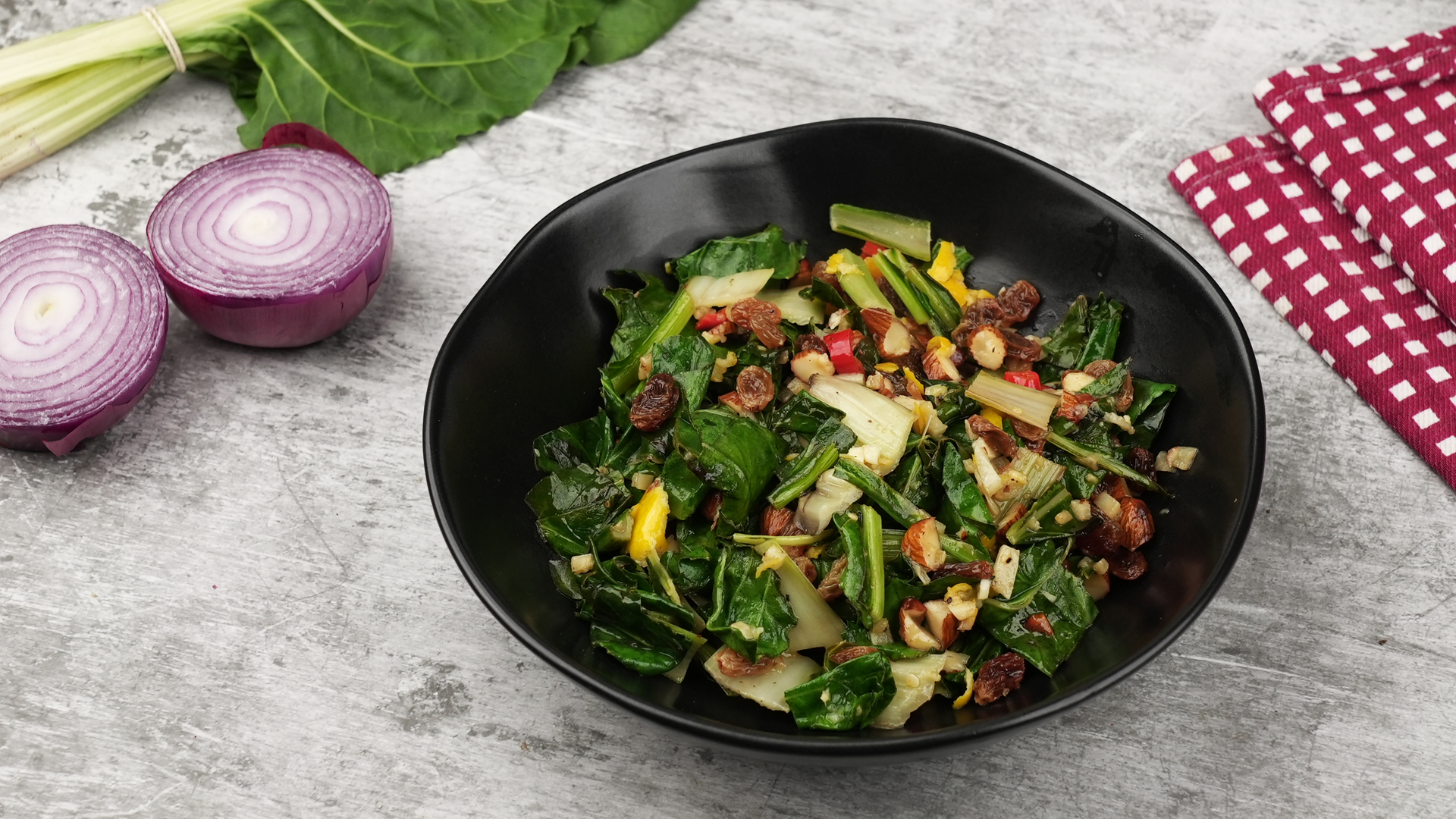
Swiss chard is the leafy green that looks as though it got dressed for a parade: glossy dark leaves, stemsreen. It is sturdy enough for a weeknight skillet, flexible enough for soups and pasta, and dramatic enough to make a sad refrigerator drawer feel like it has a future.
Best of all, Swiss chard is not a one-trick vegetable. The tender leaves cook quickly, while the crunchy stems bring a mild, celery-like bite that deserves better than being tossed into the compost. Once you learn how to wash, trim, and cook Swiss chard properly, you can turn one bunch into a fast side dish, a hearty braise, a colorful stir-fry, or a baked dinner that makes leftovers feel surprisingly glamorous.
This guide covers how to prepare Swiss chard and five easy ways to cook it, with practical timing, flavor ideas, and a few lessons that can save you from serving greens with the emotional texture of wet newspaper.
What Is Swiss Chard?
Swiss chard, often simply called chard, is a leafy green in the beet family. It has broad, wrinkled leaves and thick edible stems. Rainbow chard is not a different vegetable with a fancy publicist; it is simply a colorful mix of chard varieties with red, yellow, orange, pink, or white ribs.
The flavor is earthy and mildly bitter, somewhere between spinach and beet greens. The leaves soften quickly when cooked, but the stems need extra time. That difference is the key to cooking Swiss chard well. Treat the stems and leaves as separate ingredients that happen to be wearing the same outfit.
Choose bunches with crisp stems, deep green leaves, and no slimy patches or large brown spots. Store unwashed chard in the refrigerator crisper drawer, loosely wrapped in paper towels or a breathable bag. Use it within several days for the best texture and flavor.
Produce selection and storage guidance verified against culinary and university-extension sources. ow to Prepare Swiss Chard Before Cooking
1. Wash It Thoroughly
Chard can hold onto sand and grit in the folds near the stems, so give it more attention than a quick splash under the faucet. Separate the leaves, place them in a large bowl or clean sink filled with cool water, swish gently, and lift the leaves out. Do not pour the whole bowl through a colander, unless you enjoy redecorating your greens with the same dirt you just removed.
Repeat with fresh water when needed. For loose, unwashed chard, rinse under running water before cooking. Skip soap, detergent, bleach, and commercial produce washes; plain running water is the recommended approach for fresh produce.
2. Separate the Stems From the Leaves
Fold each leaf in half along the center rib and slice the stem away with a knife. Chop the stems into small pieces, then stack the leaves and slice them into ribbons. Stems usually need several minutes longer in the pan, while the leaves may wilt in only two to five minutes.
3. Keep the Leaves Slightly Damp
You do not need to dry Swiss chard with military precision. A little water clinging to the leaves can help them steam and wilt in a covered skillet. Dry the leaves more thoroughly only when you want browning, grilling, or a raw salad.
Food-safety and stem/leaf preparation guidance verified against FDA and recipe-test sources. Ways to Prepare and Cook Swiss Chard
1. Sauté Swiss Chard With Garlic and Lemon
Sautéing is the fastest and most reliable way to cook Swiss chard. It works as a simple side dish, but it can also become the base for eggs, beans, pasta, grilled chicken, or a bowl of rice that needs rescuing from boredom.
Heat olive oil in a large skillet over medium heat. Add the chopped stems with a pinch of salt and cook for three to five minutes until they begin to soften. Add sliced garlic, red pepper flakes, or chopped shallot, and stir for about 30 seconds. Add the leaves by the handful, tossing as they wilt. Cover the pan for one or two minutes, then uncover and cook until the leaves are tender but still bright.
Finish with lemon juice, black pepper, and a pinch of flaky salt. Parmesan, feta, toasted almonds, raisins, or white beans can turn this basic sauté into a complete side dish. For a richer version, cook a little bacon or pancetta first and use the rendered fat with olive oil.
Best for: Quick dinners, breakfast eggs, grain bowls, and people who own one skillet and refuse to apologize for it.
Sauté timing and sequence reflect established test-kitchen guidance. . Braise Swiss Chard in Broth, Tomatoes, or Beans
Braising gives Swiss chard a softer, silkier texture and mellows its earthy edge. This method is especially useful for large, mature bunches with thick stems that need more than a brief encounter with hot oil.
Start by cooking onion, shallot, or garlic in olive oil. Add the chard stems and cook for a few minutes. Pour in a splash of vegetable broth, chicken broth, white wine, crushed tomatoes, or canned diced tomatoes. Add the chard leaves, cover the pan, and simmer gently for five to 10 minutes.
For a hearty Mediterranean-style dish, add chickpeas or white beans, then finish with lemon zest and a spoonful of grated Parmesan. For a Southern-inspired version, use smoked turkey, a little bacon, apple cider vinegar, and a pinch of red pepper. The chard becomes tender enough to scoop over polenta, mashed potatoes, rice, or crusty bread.
Best for: Cold evenings, tougher bunches of chard, and meals that need a little broth to pull everyone together.
3. Steam or Blanch Swiss Chard
Steaming and blanching are gentle methods that preserve Swiss chard’s clean flavor and vivid color. They are ideal when you plan to use cooked chard in omelets, stuffed shells, grain salads, dips, or freezer-friendly meal prep.
To steam, place the stems in a steamer basket over simmering water for about three minutes. Add the leaves and steam for another two to four minutes, until tender. Season afterward with olive oil, lemon juice, salt, and pepper.
To blanch, bring a large pot of salted water to a boil. Add the stems first for about one minute, then add the leaves for another one to two minutes. Drain well and transfer the chard to an ice bath if you want to preserve the bright green color for later use. Squeeze out excess moisture before adding it to frittatas, lasagna, ricotta fillings, or savory pies.
Best for: Make-ahead cooking, recipes that need chopped greens, and anyone who wants Swiss chard to behave itself in a casserole.
4. Stir-Fry Swiss Chard With Bold Flavors
Swiss chard is sturdy enough for a fast stir-fry, where high heat gives the stems a pleasant bite and the leaves collapse into glossy ribbons. This method is perfect when you want dinner to taste like you planned it all along.
Heat a wok or wide skillet until hot. Add a neutral oil, then stir-fry the chopped stems for two to three minutes. Add ginger, garlic, scallions, mushrooms, or sliced bell peppers. Toss in the chard leaves and cook until wilted, usually another two minutes.
For a simple sauce, combine soy sauce, sesame oil, rice vinegar, and a pinch of sugar or honey. Add chili crisp, crushed peanuts, or toasted sesame seeds for extra personality. Swiss chard also works beautifully with tofu, shrimp, ground pork, chicken, or crispy chickpeas.
Serve the stir-fry over rice or noodles, or tuck it into lettuce wraps. The colorful stems make the dish look more impressive than the amount of effort involved, which is one of cooking’s finest legal loopholes.
Best for: Weeknight stir-fries, leftovers, and refrigerator clean-outs with a happy ending.
5. Bake Swiss Chard Into Eggs, Pasta, and Casseroles
Baked Swiss chard dishes are the answer when you have a big bunch of greens and want them to feel like dinner rather than a responsible side dish. Because chard shrinks dramatically when cooked, it fits easily into dishes that need color, texture, and a little nutritional backup.
First sauté or steam the chard, then squeeze out excess moisture. Fold it into scrambled eggs, a frittata, quiche, baked ziti, macaroni and cheese, stuffed shells, or a creamy potato gratin. Swiss chard pairs especially well with ricotta, goat cheese, feta, mozzarella, Parmesan, mushrooms, onions, sausage, and roasted squash.
For a simple chard frittata, sauté the stems and leaves with onion and garlic. Add beaten eggs, crumbled feta, and black pepper. Cook briefly on the stovetop, then finish under the broiler or in a hot oven until puffed and set. It is equally good warm, at room temperature, or straight from the refrigerator while pretending you are only checking the leftovers.
Best for: Brunch, meal prep, potlucks, and using chard in recipes where spinach usually gets all the attention.
Flavor Pairings That Make Swiss Chard Taste Even Better
Swiss chard loves contrast. Its earthy flavor becomes brighter with acid, richer with cheese, and more interesting with spicy or smoky ingredients. A squeeze of lemon, splash of vinegar, or spoonful of tomato sauce can keep cooked greens from tasting flat.
- Bright flavors: lemon, orange zest, balsamic vinegar, red wine vinegar, capers
- Rich flavors: Parmesan, feta, goat cheese, ricotta, olive oil, butter
- Crunchy toppings: walnuts, pine nuts, almonds, breadcrumbs, pumpkin seeds
- Bold seasonings: garlic, shallots, red pepper flakes, ginger, cumin, smoked paprika
- Meal partners: eggs, beans, lentils, pasta, sausage, chicken, shrimp, tofu, mushrooms
Common Swiss Chard Cooking Mistakes to Avoid
Cooking the stems and leaves at the same time: The leaves will overcook before the stems become tender. Give the stems a head start.
Using a pan that is too small: Chard starts out enormous and then collapses quickly. Use a large skillet or add leaves in batches so they wilt instead of steaming into a tangled heap.
Skipping acid: Swiss chard can taste dull without lemon, vinegar, tomatoes, or another bright ingredient. A small finishing touch often makes the whole dish taste more balanced.
Overcooking the leaves: Cook until tender, not olive-drab and exhausted. The leaves should still have some life left in them.
Kitchen Experience: What Cooking Swiss Chard Teaches You
The most useful Swiss chard cooking experiences tend to be small, repeatable lessons rather than grand culinary revelations. The first is quantity. A huge, magnificent bunch of chard can look like it requires a soup pot the size of a bathtub. Then it hits a warm skillet and shrinks with the speed of a wool sweater in a bad laundry accident. This is normal. A large bunch that appears wildly excessive can become a modest side dish for two or three people.
The second lesson is that the stems are not an inconvenience. Many cooks remove them automatically because they have been trained by kale, whose stems can sometimes feel like chewing on garden furniture. Swiss chard stems are different. When sliced thinly and cooked first, they become tender, lightly sweet, and pleasantly crisp. Red and yellow stems also make an ordinary dish look far more intentional, even when dinner was assembled at 8:40 p.m. from odds and ends in the refrigerator.
Another common experience is discovering that chard prefers confident seasoning. A bare pan of wilted leaves can taste respectable but forgettable. Garlic wakes it up. Lemon makes it fresher. Red pepper flakes give it a little swagger. Cheese, nuts, beans, or a fried egg turn it from “a vegetable side” into something people actively reach for. Chard does not need a complicated sauce, but it appreciates being introduced to flavor rather than left alone with salt and good intentions.
Swiss chard also rewards flexible cooking. One night it can be sautéed with garlic and served beside roasted chicken. The next day, leftover chard can disappear into scrambled eggs, pasta, soup, or a grilled cheese sandwich with mozzarella. It is one of the rare vegetables that can play a supporting role without becoming invisible. It has enough structure to hold up in a stew and enough tenderness to blend into creamy fillings.
There is also a timing lesson that becomes obvious after making chard a few times. The stems need patience; the leaves need restraint. When cooks rush the stems, they stay too crunchy. When cooks forget the leaves, they become over-soft and lose their lively green color. The sweet spot is easy once you recognize it: softened stems, wilted leaves, and a final hit of acid right before serving.
Finally, cooking Swiss chard makes meal planning feel less rigid. It can replace spinach in many cooked recipes, stand in for kale when you want something gentler, or share the pan with other greens when the refrigerator is looking crowded. Instead of asking, “What recipe requires Swiss chard?” it is more useful to ask, “What am I already cooking that could use a handful of garlicky greens?” That question opens the door to better eggs, better pasta, better beans, and fewer forgotten vegetables quietly dissolving in the crisper drawer.
Final Thoughts
Swiss chard is proof that a vegetable can be practical without being boring. Separate the stems from the leaves, cook the stems first, and choose a method that fits the meal in front of you. Sauté it for speed, braise it for comfort, steam it for meal prep, stir-fry it for bold flavor, or bake it into a dinner that earns repeat requests.
Once you know how to prepare and cook Swiss chard, you will stop seeing it as the mysterious colorful bunch at the market and start seeing it as one of the most useful greens in your kitchen.
Research note: Core preparation, cooking, and storage practices were synthesized from federal food-safety guidance, university extension resources, and established U.S. culinary publications. class=”seo-tags”>