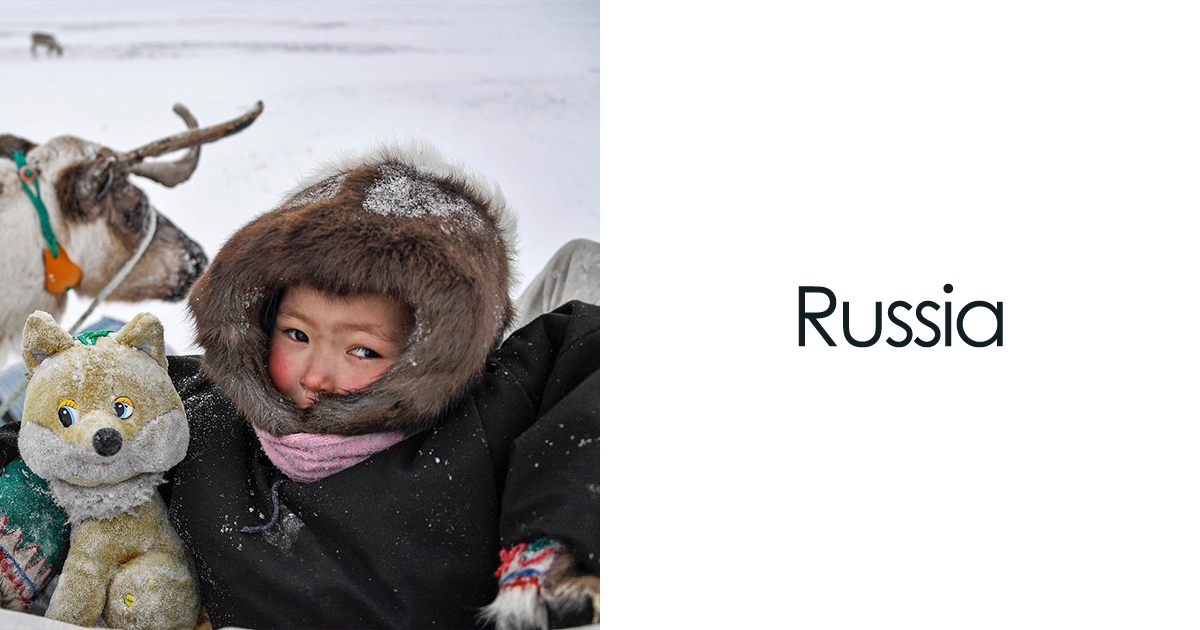
Childhood is supposed to be universal: scraped knees, suspiciously sticky fingers, wild laughter, and the dramatic belief that a cardboard box is clearly a spaceship. But look closer, and childhood also changes dramatically from one place to another. A child’s daily world may include a schoolyard in a crowded city, a dusty road in a rural village, a bright market, a mountain path, a fishing shore, or a home where toys are handmade, shared, repaired, and loved until they practically deserve retirement benefits.
That is what makes the work of Italian photographer Massimo Bietti so powerful. His collection of portraits showing children from different corners of the world does not simply say, “Look, kids are cute.” We already knew that. Babies have been running an adorable global monopoly for centuries. Instead, his images invite us to notice the details: a child’s gaze, posture, clothing, surroundings, expression, and quiet confidence. These portraits become small windows into culture, family, geography, opportunity, inequality, resilience, and the everyday poetry of growing up.
The title “45 Images Depicting What Childhood Looks Like In Different Corners Of The World By This Photographer” may sound like a simple photo gallery, but it points to something deeper. It is a visual conversation about what children share and what separates their experiences. Across countries such as Ethiopia, Papua New Guinea, India, Malaysia, Vanuatu, South Sudan, Peru, Russia, and beyond, childhood appears both familiar and startlingly different. A smile can feel universal; the circumstances around that smile may not be.
Why Global Childhood Photography Feels So Powerful
Photography has a special talent for skipping the front door and walking straight into the emotional living room. A well-made portrait can communicate what long paragraphs sometimes struggle to explain. In Bietti’s work, children are not treated like decorations for travel brochures. They appear as individuals: curious, guarded, proud, shy, amused, serious, playful, and sometimes wonderfully unimpressed with the adult holding the camera.
That honesty is one reason global childhood photography attracts so much attention online. Viewers do not need to speak the same language as the child in the image. A raised eyebrow, a muddy foot, a protective older sibling, or a burst of laughter can cross borders faster than a passport stamp. The camera becomes a translator, and childhood becomes the shared vocabulary.
Still, these photographs are not just about sameness. They also remind us that “normal childhood” is not one single thing. In some places, childhood may include abundant toys, formal schooling, digital devices, and organized activities. In others, it may involve helping with family work, walking long distances, living close to nature, or growing up amid economic hardship, limited infrastructure, conflict, or environmental stress. The images ask us to admire the children without romanticizing the difficulties around them.
Who Is Massimo Bietti?
Massimo Bietti is an Italian travel and portrait photographer known for capturing expressive human moments across the world. His work often focuses on people in remote or culturally distinct places, and his portraits of children have become especially recognized because they feel intimate without feeling artificial. The children in his images rarely look like they have been instructed to “smile for the internet.” Instead, many appear as they are: watchful, bright, bold, reserved, mischievous, or lost in thought.
That natural quality matters. Childhood is easy to oversimplify. Many images of children around the world fall into two tired categories: perfect postcard happiness or heartbreaking tragedy. Bietti’s photographs tend to live in the more honest middle. They show beauty, but not fantasy. They show hardship, but not helplessness. They allow the viewer to see children as complete human beings rather than symbols wearing tiny sandals.
What These 45 Images Reveal About Childhood Around the World
The most striking thing about these images is how much they can say without a caption. A child standing in a rural landscape may reveal a relationship with land and community. A child dressed in traditional clothing may hint at heritage, ceremony, family identity, or regional pride. A group of children gathered together may show friendship, sibling bonds, or the way childhood often happens in packsbecause one child alone can be cute, but five children together can organize a small revolution before lunch.
In portraits from places such as Ethiopia or South Sudan, viewers may notice direct gazes, earth-toned surroundings, and the presence of community life. In images from Papua New Guinea or Vanuatu, the environment may feel lush, open, and deeply connected to local traditions. In countries such as India or Malaysia, clothing, color, and public space may tell stories about culture, religion, family, and social life. These details are not background noise; they are part of the childhood being documented.
1. The Universal Language of Play
Play is one of the clearest threads connecting children across cultures. Children invent games with almost anything: sticks, stones, fabric, water, bottle caps, animals, siblings, shadows, and occasionally a household object that an adult was definitely still using. Play is not just a cute break from “real life.” Child development experts consistently describe play as essential for learning, emotional regulation, physical growth, social skills, and imagination.
In Bietti’s portraits, play may not always appear as a toy-filled bedroom or a bright playground. Sometimes play is implied in movement, expression, or companionship. A child’s body language can suggest a game paused for the camera. A grin can reveal a joke we will never hear. A dusty foot or loose garment may say, “I was busy being a child before you interrupted.” That is part of the charm.
2. The Role of Place
Where a child grows up shapes what childhood looks like. The Harvard Center on the Developing Child describes early development as being influenced by the full environment around a child: relationships, surroundings, stressors, resources, and opportunities. In simple terms, childhood is not only what happens inside a child. It is also what happens around them.
A child in a dense urban neighborhood may learn to navigate crowds, traffic, school systems, and digital life early. A child in a rural village may develop practical knowledge of animals, crops, water, weather, and family labor. A child on an island may grow up with the ocean as a daily presence rather than a vacation postcard. None of these childhoods is automatically better or worse. They are different ecosystems of experience.
3. Clothing, Culture, and Identity
Clothing in childhood portraits often says more than fashion. It can reflect climate, tradition, religion, family income, celebration, work, school, or local identity. A bright dress, a woven garment, a school uniform, a head covering, or bare feet all communicate context. But good photography avoids turning those details into costume. The child remains the subject, not the outfit.
That distinction is important. Viewers should resist the lazy habit of treating cultural difference as “exotic.” A child’s clothing may look unfamiliar to someone in the United States, but to that child, it may simply be Tuesday. The best way to view these images is with curiosity, not consumption. In other words: less “Wow, how strange,” and more “What can I learn?”
Childhood Is Beautiful, But It Is Not Equal
One of the most important lessons behind global childhood photography is that children everywhere deserve dignity, safety, health care, education, and time to playbut access to those things is uneven. Around the world, millions of children still face poverty, interrupted schooling, child labor, malnutrition, displacement, climate disasters, and conflict. These issues are not abstract policy problems. They shape what childhood feels like day by day.
That reality gives Bietti’s portraits an added emotional weight. When we see a child’s face, we are not only seeing innocence. We are seeing potential. We are seeing someone whose future may depend heavily on systems they did not create: schools, health services, clean water, safe housing, peace, economic opportunity, and adults who make decisions with children in mind.
At the same time, it would be unfair to reduce children in difficult circumstances to sadness. Many children living with fewer material resources still show joy, humor, intelligence, confidence, and strong community bonds. The goal is not to pity them from a comfortable chair while holding an iced coffee the size of a small aquarium. The goal is to recognize both their humanity and their rights.
The Ethics of Photographing Children
Any discussion of children’s portraits should include ethics. Photographing children, especially across cultures and economic differences, requires care. Ethical imagery should respect consent, dignity, context, and safety. Children should not be staged into false stories, presented in humiliating ways, or used as emotional props. A powerful image should never come at the cost of a child’s privacy or well-being.
That is why responsible viewers also have a role. When we look at images of children from around the world, we should ask better questions. Does the photograph preserve dignity? Does it provide context? Does it encourage understanding rather than stereotypes? Does it allow the child to appear strong, complex, and real? Good photography does not turn people into objects. It invites us to pay attention.
Why These Portraits Stay With Us
Bietti’s images stay memorable because they are not overloaded. Many portraits use simple compositions, natural light, and direct human presence. The result is a feeling of closeness. You are not staring at a spectacle; you are meeting a person.
That may be why childhood portraits often hit viewers harder than landscape photography. A mountain can be majestic, sure. But a child looking straight into the camera can make you reconsider the entire planet before breakfast. Children carry possibility in their faces. They are living reminders that culture is inherited, but the future is still being written.
The images also challenge adults to remember their own childhoods. Maybe you grew up with backyard games, school buses, cartoons, cousins, chores, or summer afternoons that seemed to last approximately 900 years. Maybe your childhood was complicated. Maybe it was joyful, lonely, loud, strict, free, messy, or all of the above. Looking at children around the world can awaken those memories while expanding them. It says: your childhood was one version, not the universal blueprint.
How to Read the 45 Images Like a Story
Instead of scrolling quickly through a gallery, try reading the images slowly. Notice the child first: expression, posture, eyes, hands, and distance from the camera. Then notice the environment: ground, walls, landscape, people nearby, objects, animals, light, and clothing. Finally, notice your own reaction. Are you assuming something? Are you projecting a story that may not be true? Are you confusing simplicity with sadness or material wealth with happiness?
This slower way of viewing turns a photo gallery into a lesson in visual literacy. It helps prevent shallow reactions and opens space for empathy. Not the soft, vague kind of empathy that says “aww” and moves on, but the sharper kind that asks what children need to thrive and what adults can do better.
Lessons From Childhood Around the World
The first lesson is that children are endlessly adaptable. Give them a safe enough space and a tiny spark of freedom, and they will build a game, a friendship, a joke, or a tiny kingdom with suspiciously strict rules. The second lesson is that childhood needs protection. Resilience is admirable, but children should not have to be resilient because adults failed to provide safety, food, education, or peace.
The third lesson is that culture matters. Childhood is not improved by making every place look the same. A healthy global future should protect children’s rights while respecting local identity, language, family structure, and tradition. The dream is not for every child to own the same plastic toy or use the same tablet. The dream is for every child to have dignity, care, learning, safety, and room to become themselves.
Experiences Related to Seeing Childhood Through Global Photography
Looking at a collection like “45 Images Depicting What Childhood Looks Like In Different Corners Of The World By This Photographer” can feel personal even if you have never visited the places shown. Many readers will recognize small emotional clues: the proud stance of a child who knows they are being photographed, the awkward seriousness of a kid trying not to smile, or the way younger children hover near older ones like tiny satellites with snack-based motives.
One experience that often comes from viewing global childhood photography is surprise. People may expect difference, but they are often struck by familiarity. A child in a remote village may make the same mischievous face as a kid in a suburban American kitchen. A group of children playing outdoors may remind viewers of their own neighborhood games before phones became tiny glowing bosses in everyone’s pockets. The setting changes, but the emotional rhythm feels familiar.
Another experience is discomfort, and that can be useful. Some images may make viewers aware of how uneven childhood can be. It is easy to assume that childhood everywhere includes classrooms, birthday parties, pediatric appointments, safe playgrounds, and shelves full of toys. These photographs push back gently but firmly. They show that many children grow up with different resources, different responsibilities, and different risks. The point is not to feel guilty for having comfort. The point is to understand that comfort should not be rare.
For parents, teachers, and caregivers, these portraits can also shift perspective. Modern parenting in wealthier societies often gets tangled in comparison: the right preschool, the right enrichment activity, the right lunchbox, the right wooden toy that costs more than a small appliance. Global childhood photography reminds us that children need more than products. They need attention, relationships, safety, play, language, belonging, and adults who see them clearly. A child does not require a designer playroom to develop imagination. Sometimes imagination arrives with a stick, a puddle, and absolutely no concern for laundry schedules.
Travelers may have another reaction: humility. Photographing or observing children in another culture should never feel like collecting souvenirs. The best travel experiences with families and communities happen when visitors slow down, ask permission, respect boundaries, and remember that local people are not background characters in someone else’s adventure. A child’s face is not public property just because it is beautiful.
For photographers, Bietti’s work offers a practical lesson in patience. Strong portraits do not always require dramatic editing or complicated setups. They require trust, timing, respect, and the ability to notice when a real moment appears. Children are famously difficult to direct anyway. Ask a child to look natural, and you may get either a statue, a sneeze, or a facial expression last seen in a pirate painting. The better approach is often to create space, observe carefully, and let personality rise to the surface.
Most of all, these images encourage viewers to keep two thoughts in mind at the same time. Childhood is beautifully universal, and childhood is deeply unequal. Children everywhere laugh, play, wonder, test limits, seek comfort, and make adults question the structural integrity of silence. But not every child receives the same protection or opportunity. That is why portraits like these matter. They are not only beautiful images; they are invitations to care more intelligently.
Conclusion
Massimo Bietti’s portraits of children around the world remind us that childhood cannot be defined by one country, one culture, one income level, or one picture-perfect idea of what growing up should look like. Childhood is a thousand different scenes: a child standing in bright sunlight, a sibling leaning close, a face half curious and half cautious, a game unfolding on rough ground, a traditional garment worn with quiet confidence, a smile that needs no translation.
The 45 images are powerful because they balance difference and connection. They show that children are shaped by place, culture, family, opportunity, and circumstance. They also show that the core of childhoodcuriosity, play, emotion, imagination, and the need to be lovedis shared across borders. In a noisy online world, these portraits ask us to pause. Not just to admire the photograph, but to see the child.
Note: This original article is based on synthesized research about Massimo Bietti’s global childhood portraits, child development, children’s rights, education, play, poverty, and ethical visual storytelling. It is written in fresh wording for web publication and contains no copied source text or citation placeholders.