Few backyard moments feel more cinematic than spotting a wild squirrel in need. One minute you are carrying groceries, and the next you are staring at a tiny, twitchy bundle of fur as if you have been personally selected for a woodland rescue mission. The squirrel may be a baby on the ground, an adult acting strangely, or a frantic little acrobat that seems stuck somewhere it should not be. Your heart says, “Help immediately.” Your brain says, “Wait, do I even know what squirrels eat?”
The most important thing to know is this: taking care of a wild squirrel usually means doing less than you think and doing the right small things quickly. Wild squirrels are not pets, and they are not built for cuddles, kitchen adventures, or amateur wildlife medicine. In many places, keeping native wildlife without a permit is illegal, and even well-meant help can accidentally make things worse.
This guide explains four safe, responsible ways to take care of a wild squirrel: observe before acting, contact a licensed wildlife rehabilitator, create a safe temporary holding setup when needed, and support squirrels by making your yard safer without turning it into a squirrel buffet with questionable management.
Why Wild Squirrels Need a Different Kind of Care
Wild squirrels are clever, fast, and surprisingly dramatic. They can leap across branches, raid bird feeders with the confidence of tiny masked burglars, and vanish up a tree before you finish saying, “Was that my tomato?” But when one is injured, orphaned, chilled, or trapped, the rules change.
Unlike a domestic pet, a wild squirrel needs specialized care that protects both the animal and the people nearby. Baby squirrels require precise warmth, hydration assessment, species-appropriate nutrition, and feeding techniques that are easy to get wrong. Injured adults may bite when frightened. Sick animals may need professional evaluation. Even a friendly-looking squirrel is still a wild animal with sharp teeth, sharp claws, and absolutely no interest in your good intentions once panic kicks in.
The goal is not to “raise” the squirrel. The goal is to give it the best chance of returning to the wild, where it belongs. Think of yourself as the temporary traffic controller, not the squirrel’s new roommate.
Way 1: Observe First and Decide Whether the Squirrel Really Needs Help
The first rule of helping a wild squirrel is beautifully simple: pause. Not every squirrel on the ground is in trouble. Young squirrels often explore before they are fully graceful, and healthy adults may sit still for reasons that are not emergencies. Sometimes a squirrel is merely judging your landscaping choices.
Signs a Squirrel May Need Help
A squirrel likely needs intervention if it is visibly injured, bleeding, unable to move normally, caught by a cat or dog, covered in fly eggs, very cold, weak, lying on its side, or surrounded by obvious danger such as traffic. A baby squirrel may need help if it is hairless or very young, crying continuously, cold to the touch, injured, or found near a dead adult squirrel.
Another red flag is a squirrel that seems unusually approachable. Healthy adult squirrels do not usually stroll up for a handshake. If an adult squirrel is disoriented, circling, falling over, or acting extremely tame, keep your distance and contact local wildlife help. Do not try to diagnose the animal yourself.
When to Leave the Squirrel Alone
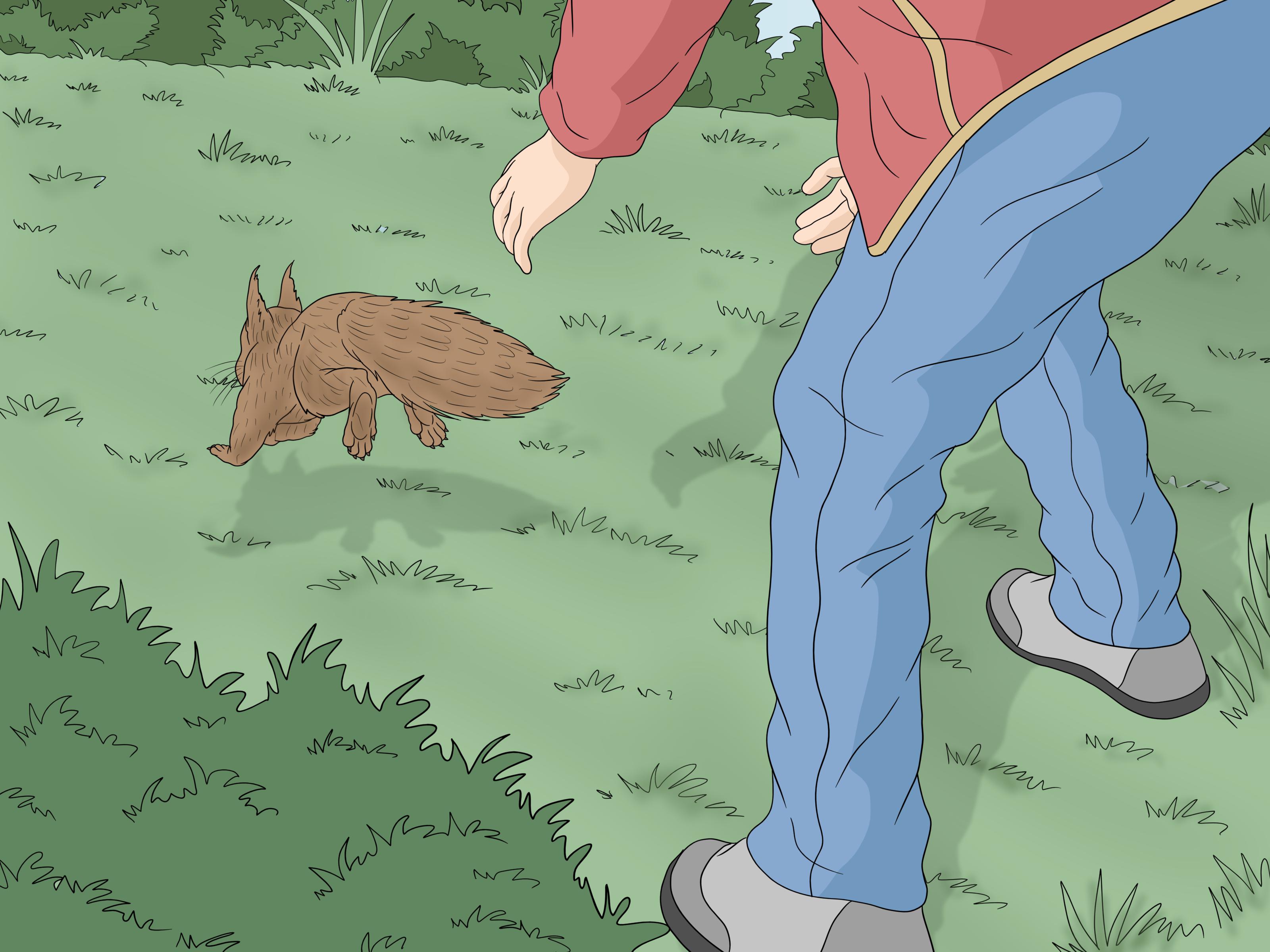
If the squirrel is alert, mobile, fully furred, and able to climb, it may not need rescue. In spring and late summer, young squirrels sometimes spend time on the ground while learning how to squirrel properly, which is apparently a high-speed sport with no helmet requirement. Watch from a distance. Keep pets and children away. Give the animal space to recover, climb, or reconnect with its mother.
For baby squirrels, reunification with the mother is often the best outcome when it can be done safely. A mother squirrel will not reject her baby simply because a human briefly touched it, but unnecessary handling should still be avoided. If the baby is warm, uninjured, and safe from predators, it may be possible to place it near the tree where it was found and watch from far away to see whether the mother retrieves it.
Way 2: Contact a Licensed Wildlife Rehabilitator
The smartest way to take care of a wild squirrel is to get expert help early. A licensed wildlife rehabilitator is trained and permitted to care for injured, sick, orphaned, or displaced wildlife. They know how to stabilize the animal, reduce stress, provide proper nutrition, and prepare it for release when possible.
This matters because squirrel care is not a “try your best with pantry items” situation. Baby squirrels should not be fed cow’s milk, random nuts, bread, peanut butter, or whatever looks adorable in a cartoon. Feeding the wrong thing, feeding too soon, or feeding incorrectly can cause serious problems. Water can also be dangerous if given improperly to a weak or chilled baby squirrel.
What to Say When You Call
Before calling, gather clear details. You do not need a full wildlife documentary script, but you should know where the squirrel was found, whether it is a baby or adult, whether it appears injured, whether a pet touched it, and what you have done so far. If possible, take a photo from a safe distance. This can help the rehabilitator identify the squirrel’s age and condition.
A useful call might sound like this: “I found a young squirrel at the base of an oak tree about 20 minutes ago. It is fully furred but not climbing. It is alert and making noise. No pets touched it. I have kept my dog inside and I am watching from a distance. What should I do next?”
That kind of information helps the rehabilitator give specific instructions. They may recommend a reunification attempt, temporary warmth, transport, or continued observation.
Why You Should Not Keep the Squirrel
A wild squirrel can look charming enough to inspire instant naming. Resist. Once you name it Sir Nuttingham, your judgment may become dangerously fluffy. Keeping a wild squirrel can be stressful for the animal, risky for people, and illegal without proper permits. It can also reduce the squirrel’s chance of surviving in the wild if it becomes too comfortable around humans.
Wildlife rehabilitation is designed to keep wild animals wild. That includes limiting human contact, providing proper housing, preventing nutritional deficiencies, and releasing animals in appropriate habitats. Your role is to get the squirrel to qualified care, not to start a surprise woodland daycare in the laundry room.
Way 3: Provide Safe Temporary Care Only When Necessary
Sometimes you may need to protect a squirrel briefly while waiting for instructions or transport. Temporary care should be quiet, warm, dark, and boring. Boring is good. Boring says, “Please stay calm until a professional takes over.”
How to Handle a Wild Squirrel Safely
If you must move the squirrel, wear thick gloves. Use a towel or soft cloth to gently scoop the animal into a secure container. A small cardboard box with air holes can work for short-term holding. Keep the box closed so the squirrel cannot escape into your house, because trying to catch a frightened squirrel behind a bookshelf is the kind of chaos nobody needs.
Do not handle the squirrel more than necessary. Keep faces, fingers, and pets away from the container. Place it in a quiet, warm room away from household noise. Do not allow children to hold or pet it. Even a baby squirrel can scratch, and an adult squirrel can bite hard if frightened.
Warmth Comes Before Food
If a baby squirrel is cold, warmth is usually the first priority. A chilled baby cannot digest food properly. You can place a towel in the box and provide gentle warmth by putting a wrapped warm water bottle or a heating pad set on low under half of the container, not directly against the animal. The squirrel must be able to move away from the heat if it gets too warm.
Never place a squirrel in direct sunlight inside a box, because it can overheat quickly. Never use hot water, uncovered heating pads, or anything that could burn the animal. Warm and safe is the goal, not toasted marshmallow.
Do Not Feed or Give Water Unless Instructed
This is where many well-meaning rescuers go wrong. Do not give food, milk, formula, water, nuts, fruit, or electrolyte liquids unless a licensed rehabilitator specifically tells you to. Weak animals can aspirate liquid, meaning it can enter the airway. The wrong food can cause digestive problems. Feeding before warming or evaluation can make the situation worse.
Yes, it feels strange to do nothing with a hungry-looking baby squirrel. But wildlife care is full of counterintuitive truths, and one of the biggest is this: safe waiting can be better than rushed feeding.
Way 4: Make Your Yard Safer for Wild Squirrels
Taking care of wild squirrels is not only about emergencies. It is also about reducing the everyday hazards that bring squirrels into trouble in the first place. A squirrel-friendly yard does not need to be fancy. You do not need to install tiny hammocks or a nut-themed welcome sign. You simply need to make the space safer and more natural.
Keep Pets Away From Wildlife
Dogs and cats are common sources of wildlife injuries. If you find a baby squirrel or an injured adult, bring pets indoors immediately. Even if your cat “only played with it,” the squirrel should be assessed by a rehabilitator because pet contact can cause injuries that are not obvious at first.
For prevention, supervise dogs outside and consider keeping cats indoors or in a secure outdoor enclosure. This protects birds, squirrels, chipmunks, and your cat from cars, predators, and disease exposure. Indoor cats may complain at first, but most adjust beautifully when given toys, climbing spaces, windows, and the chance to judge the neighborhood from behind glass.
Reduce Trapping and Nesting Hazards
Squirrels can get trapped in chimneys, vents, sheds, attics, and open containers. Cover chimneys with proper caps, repair holes in siding, screen vents securely, and check outdoor storage areas before closing them for long periods. If squirrels are nesting in your attic, avoid sealing entry points until you are sure no babies are inside. Trapping and relocating squirrels can separate mothers from young and often harms the animal.
Humane exclusion is usually the better approach. That means removing attractants, sealing access points at the right time, and using one-way doors or professional humane wildlife services when needed. The goal is to encourage squirrels to live outside your home, not inside your insulation like unpaid tenants.
Offer Natural Habitat, Not Junk Food
A healthy yard can support wildlife with native trees, shrubs, clean water sources, and reduced pesticide use. Oaks, hickories, walnuts, and other native trees provide natural foods and nesting habitat. Leaf litter, brush piles placed away from buildings, and natural cover can benefit many small animals.
What you should avoid is heavy feeding. Tossing out piles of peanuts or processed snacks can attract too many animals, spread disease, create dependency, and invite conflicts with neighbors. Squirrels are already professional snack strategists. They do not need a daily buffet line on your porch.
What Not to Do When Helping a Wild Squirrel
Good intentions are wonderful. Bad methods are not. Here are the major mistakes to avoid when you find a wild squirrel.
Do Not Try to Raise a Baby Squirrel Yourself
Baby squirrels require specialized formula, feeding schedules, stimulation, warmth, housing, and gradual preparation for release. Mistakes can lead to malnutrition, pneumonia, injury, or dependency on humans. Watching a few videos does not replace training and permits.
Do Not Bathe the Squirrel
Unless a rehabilitator gives specific instructions, do not bathe a wild squirrel. Bathing can chill the animal, increase stress, and worsen its condition. If the squirrel is dirty, sticky, or covered in debris, keep it warm and contact a professional.
Do Not Relocate an Adult Squirrel
Moving a squirrel to a random park or wooded area may sound kind, but relocation can be dangerous. The animal may not know food sources, shelter, predators, or territory boundaries. It may also leave dependent young behind. Humane prevention and professional guidance are better than “surprise, you live somewhere else now.”
Do Not Ignore Bites or Scratches
If a squirrel bites or scratches someone, wash the wound thoroughly with soap and water and seek medical advice. Squirrels rarely carry rabies, but any bite from wildlife can cause infection and should be taken seriously. Contact local health authorities or a healthcare provider for guidance, especially if the animal was acting strangely.
How to Tell If a Baby Squirrel Is Old Enough to Be on Its Own
Baby squirrel age can be tricky to judge, but there are general clues. Very young squirrels may be hairless or have thin fur, closed eyes, and limited movement. These babies need warmth and professional care if they are truly orphaned. Older juveniles are fully furred, bright-eyed, and mobile. They may have fluffy tails and can sit upright, climb, and nibble solid foods.
A young squirrel that is about the size of a tennis ball, fully furred, and able to run and climb may be exploring. A tiny, cold, weak, or injured squirrel on the ground is more concerning. When in doubt, contact a rehabilitator and describe what you see. Guessing is less useful than asking someone who has handled more squirrels than most people have handled coffee mugs.
Example Scenario: A Baby Squirrel Falls From a Tree
Imagine you find a small squirrel under a maple tree after a windy afternoon. It is fully furred but not moving much. First, you bring your dog inside. Next, you observe from a distance. The squirrel is breathing, not bleeding, and there are no obvious injuries. You call a wildlife rehabilitator and explain the situation.
The rehabilitator may tell you to gently place the baby in a shallow box with a soft cloth and a safe heat source, then set the box near the base of the tree while watching from far away. If the mother returns, she may carry the baby back to the nest. If she does not return after the recommended waiting period, or if the baby becomes weak or cold, the rehabilitator may ask you to bring it in.
That is good squirrel care: calm, careful, and guided by someone trained.
Example Scenario: An Adult Squirrel Is Injured Near the Road
Now imagine you see an adult squirrel near the curb. It is alive but unable to move normally. Do not chase it with bare hands. Keep traffic and pets away if it is safe to do so. Call a rehabilitator, animal control, or a wildlife rescue resource. If instructed to contain it, wear thick gloves, use a towel, and place it in a ventilated box. Keep the box quiet and dark until help is available.
Do not offer food or water. Do not try to splint limbs. Do not keep opening the box to “check.” A dark, quiet space reduces stress. The squirrel does not need a motivational speech; it needs professional care.
of Real-Life Experience and Practical Lessons
Anyone who has helped wildlife more than once learns the same lesson quickly: the rescue rarely looks like a movie. It is usually less dramatic, more awkward, and filled with small decisions that matter. With squirrels, the biggest experience-based lesson is that panic is the enemy. The moment people see a baby squirrel on the ground, they often want to scoop it up, feed it, and keep it warm in their hands. The kinder move is usually to slow down, protect the area, and ask for expert guidance.
One common backyard experience involves finding a baby squirrel after a storm. Branches fall, nests break apart, and suddenly there is a small animal on the lawn looking impossibly helpless. The first instinct is to assume it has been abandoned. But mother squirrels are often nearby, waiting for the area to become quiet. If people, dogs, and curious neighbors crowd around, she may not come down. Giving her space can be the difference between a successful reunion and an unnecessary removal from the wild.
Another lesson comes from people who have tried feeding before calling a rehabilitator. They usually mean well. They see a tiny animal and think, “It must be hungry.” The problem is that hunger is not always the first medical issue. Cold, dehydration, shock, injury, and stress all matter. A chilled baby squirrel cannot handle food properly. A weak animal may inhale liquid. What feels nurturing to a human can be dangerous to the squirrel. Experienced rescuers learn to repeat one sentence like a mantra: warm, quiet, call first.
There is also the practical reality of containment. A cardboard box sounds too simple, but it is often exactly what is needed for short-term safety. The box should be secure, ventilated, and lined with a soft cloth. It should not be a glass tank in direct sunlight, a laundry basket with giant escape holes, or a shoebox placed where the family cat can conduct “research.” The best temporary setup is not cute. It is calm, dark, and escape-resistant.
People also learn that adult squirrels are not grateful in the way humans imagine. An injured adult may bite, scratch, or launch itself with shocking energy. That does not make it mean. It makes it wild. Fear is survival. Thick gloves, towels, and minimal handling protect both sides. The less you handle the animal, the better.
Finally, experience teaches humility. Helping wildlife is not about becoming the hero of the forest. It is about being a good neighbor to the wild animals already sharing the space. Sometimes that means making a phone call. Sometimes it means keeping the dog inside. Sometimes it means leaving the squirrel exactly where it is and watching from a window like a respectful, slightly nosy landlord.
The best squirrel rescue stories often end quietly: the mother returns, the baby disappears back into the tree, the rehabilitator takes over, or the adult gets professional treatment. No fanfare. No dramatic music. Just a small life given a better chance because someone cared enough to act carefully.
Conclusion: The Best Care Keeps Wild Squirrels Wild
Taking care of a wild squirrel does not mean turning it into a pet, feeding it snacks, or building an emotional support acorn station in your kitchen. It means understanding when to step back, when to call a licensed wildlife rehabilitator, and how to keep the animal safe for a short time if intervention is truly needed.
The four best ways to care for a wild squirrel are simple but powerful: observe before acting, contact a trained rehabilitator, provide safe temporary warmth and containment only when necessary, and make your yard less hazardous for wildlife. Done correctly, your help gives the squirrel what it needs most: a chance to recover, reunite, or return to the wild.
In other words, be kind, be calm, and do not let the squirrel move into your hoodie pocket. Nature has a place for squirrels, and it is not your breakfast table.