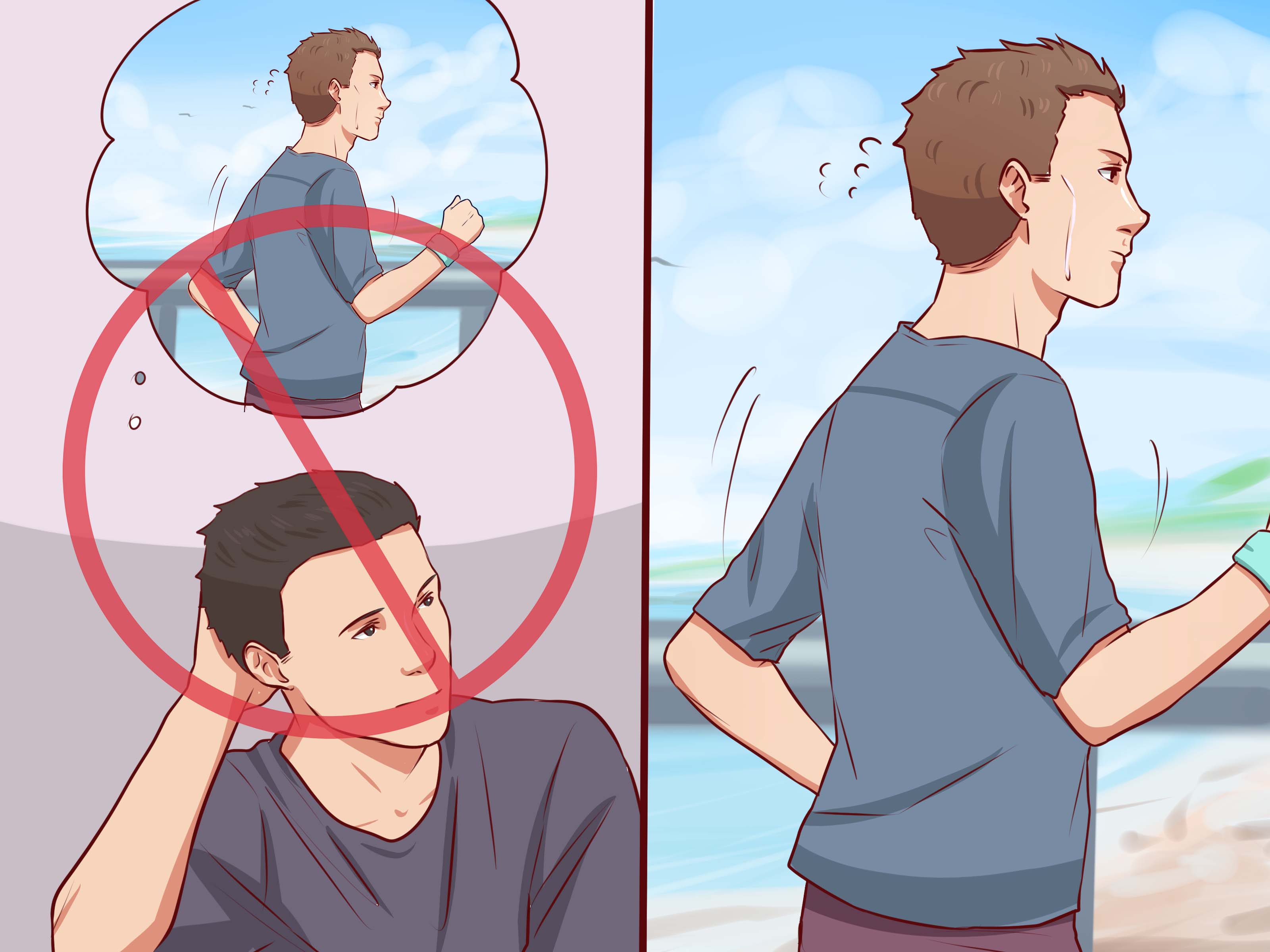
Daydreaming is not the villain. In fact, a wandering mind can be wonderfully useful. It helps us imagine future goals, rehearse conversations, solve problems in the shower, and mentally redesign our kitchen even though we absolutely cannot afford marble countertops. But when daydreaming becomes so frequent, intense, or irresistible that it steals hours from work, school, relationships, sleep, or basic responsibilities, it may be time to gently take the steering wheel back.
Excessive daydreaming is often discussed under the term maladaptive daydreaming, a pattern of vivid, immersive fantasy that may feel comforting in the moment but disruptive over time. It is not currently an official mental health diagnosis in the DSM, and not every person who daydreams a lot has a disorder. Still, many people describe the same frustrating loop: “I only meant to zone out for five minutes,” followed by the shocking discovery that an entire afternoon has vanished like a sock in the dryer.
The goal is not to crush your imagination. Your inner world is not the problem; losing choice over it is. Healthy daydreaming can be creative, relaxing, and meaningful. Excessive daydreaming becomes a concern when it starts functioning like an escape hatch you cannot close. The good news: with awareness, structure, grounding, and support, you can reduce compulsive daydreaming while keeping the creative part of your mind alive and well.
Below are four practical, research-informed ways to keep from excessively daydreaming, with examples you can actually use in daily life.
What Counts as Excessive Daydreaming?
Everyone zones out. Your brain is allowed to wander during a boring meeting, a long bus ride, or while waiting for the microwave to finish its dramatic countdown. Excessive daydreaming is different because it tends to be repetitive, immersive, and hard to interrupt. It may involve detailed characters, storylines, music, pacing, emotional scenes, or private fantasy worlds that feel more rewarding than the real-life task in front of you.
Some people daydream excessively when they are stressed, lonely, bored, anxious, overstimulated, or avoiding a painful emotion. Others slip into it automatically when they hear certain music, watch certain shows, lie in bed, walk alone, or scroll online. Over time, the brain learns, “When life feels uncomfortable, go here.” That makes sense emotionally, but it can create practical problems.
Common signs that daydreaming may be getting excessive
- You lose large blocks of time to fantasy or imagined conversations.
- You use music, pacing, rocking, or repetitive movement to intensify daydreams.
- You feel annoyed or distressed when interrupted.
- You postpone work, studying, sleep, hygiene, or social plans because of daydreaming.
- You promise yourself you will stop, but the habit keeps returning.
- You feel shame, secrecy, or emotional dependence on the daydreaming.
If this sounds familiar, you are not “lazy,” “weird,” or “broken.” You may simply have a coping strategy that grew too powerful for its original job. Let’s give it a smaller job description.
1. Track Your Triggers Before You Try to Fight Them
The first way to keep from excessively daydreaming is to stop treating it like a mysterious personal failure. Start treating it like a pattern. Patterns can be studied. Patterns can be interrupted. Patterns, unlike your phone charger, can usually be found when you need them.
Trigger tracking helps you identify what usually happens right before a daydreaming episode. This matters because excessive daydreaming often runs on cues. A cue might be emotional, environmental, physical, or digital. For example, you may notice that you drift off after conflict, before hard assignments, while listening to cinematic music, when you are tired, or when you feel socially rejected.
Use a simple daydreaming log
For one week, write down a few quick notes when you catch yourself excessively daydreaming. Do not write a dramatic courtroom confession. Keep it short and practical.
- Time: When did it happen?
- Place: Where were you?
- Trigger: What were you feeling or doing right before?
- Length: How long did it last?
- Need: What did the daydream give youcomfort, excitement, control, escape, connection?
Here is an example: “10:30 p.m., bedroom, listened to music after feeling lonely, lasted 45 minutes, gave me comfort and romance.” That one sentence is useful. It tells you that bedtime, music, loneliness, and emotional comfort are part of the loop.
Look for the real need underneath the fantasy
Excessive daydreaming often serves a purpose. It may soothe anxiety, add excitement to a dull routine, provide imagined companionship, or help you feel powerful when real life feels limited. Instead of asking, “Why am I like this?” ask, “What is this habit trying to do for me?” That question is kinder and more productive.
Once you know the need, you can build a replacement. If the daydream provides connection, text a friend or join a group activity. If it provides excitement, schedule a challenging hobby. If it provides control, break your real task into tiny steps. The replacement does not have to be magical. It just has to be real enough to compete.
2. Interrupt the Loop With Grounding and Time Limits
When a daydream has already started, logic may not be enough. Telling yourself, “Stop daydreaming,” can be about as effective as telling a cat, “Please respect the houseplants.” Instead, use grounding techniques that bring your attention back to your body and surroundings.
Grounding works because excessive daydreaming pulls attention inward. Sensory grounding pulls attention outward. It gives your brain a clear, immediate task in the present moment.
Try the 5-4-3-2-1 grounding method
When you notice yourself drifting, pause and name:
- 5 things you can see
- 4 things you can feel
- 3 things you can hear
- 2 things you can smell
- 1 thing you can taste
Say the items out loud if possible. Your brain may complain, “But we were just getting to the dramatic airport reunion scene.” Thank it for its service and continue naming the room. A desk. A mug. A pen. The floor under your feet. The sound of traffic. Reality may be less cinematic, but it is where your life is happening.
Use a “return phrase”
Create a short phrase that signals the transition back to the present. Examples include:
- “I am here, and I am safe.”
- “Back to the next small step.”
- “This can wait; my life cannot.”
- “Feet on floor, eyes on task.”
A return phrase should be firm but not cruel. Shame often makes avoidance worse. You are not trying to bully your brain into obedience; you are guiding it like a distracted golden retriever with a calendar.
Set scheduled daydreaming windows
Some people do better when they do not ban daydreaming entirely. Total restriction can make the urge stronger. Instead, experiment with scheduled daydreaming. Choose a specific window, such as 15 minutes after lunch or 20 minutes after work. Set a timer. When the timer ends, stand up, stretch, drink water, and move into a planned task.
This teaches your brain that imagination has a place, but it does not get the whole apartment. Over time, scheduled windows can reduce the sense of urgency because the mind knows it will have a safe time to wander later.
3. Redesign Your Environment So Reality Is Easier to Enter
Willpower is helpful, but environment is stronger. If your bedroom, playlist, phone, or evening routine constantly invites immersive fantasy, you are fighting uphill in roller skates. A better strategy is to change the cues around you.
Start with the biggest triggers from your daydreaming log. If music launches long fantasy sessions, do not assume you must give up music forever. Try changing the type of music, listening only during chores, or using instrumental tracks that are less emotionally activating. If pacing triggers daydreaming, switch to a seated task, walk outside with a podcast, or keep your hands busy with something physical.
Make tasks more “enterable”
People often daydream excessively when real tasks feel too large, dull, or emotionally loaded. Make the task easier to begin. Instead of “write the report,” set the first step as “open the document and write three messy bullet points.” Instead of “clean the apartment,” start with “put five items back where they belong.” Tiny starts reduce avoidance.
Use visual cues. Put your notebook on your desk. Leave workout clothes near the door. Keep your phone in another room during focus blocks. Open the exact tab you need before starting work. Your environment should whisper, “Begin here,” not shout, “Wouldn’t it be fun to disappear into a fantasy trilogy for two hours?”
Try focus blocks with built-in breaks
A structured routine can reduce excessive daydreaming because it limits vague, open-ended time. Try a simple rhythm:
- 25 minutes of focused work
- 5 minutes of movement, stretching, or water
- Repeat two to four times
During the focus block, keep a “later list” nearby. If a daydream idea pops up, write a two-word note and return to the task. This helps your brain feel heard without letting the fantasy take over. For example: “space scene,” “argument replay,” or “future house.” Congratulations, your imagination has been parked legally.
Protect sleep and physical energy
Fatigue makes attention harder to manage. When you are sleep-deprived, stressed, hungry, or physically inactive, your brain has fewer resources for self-control. Basic habits are not glamorous, but they matter: consistent sleep, movement, meals with protein and fiber, hydration, and breaks from screens.
This does not mean a glass of water will cure excessive daydreaming. If only. But a better-rested brain is easier to redirect. Treat your body like part of your attention system, because it is.
4. Work With the Emotions You Are Escaping
For many people, excessive daydreaming is less about imagination and more about emotion regulation. The fantasy world may offer comfort, achievement, romance, revenge, safety, admiration, or a sense of control. Those needs are human. The issue is that fantasy can become the only place those needs are met.
To reduce excessive daydreaming, practice meeting emotional needs in real life, even in small, imperfect ways. If your daydreams are full of admiration, ask where you want to build genuine competence. If they are full of romance, ask where you need more connection or self-worth. If they are full of rescue, ask what kind of support you need and who might help.
Use CBT-style questions
Cognitive behavioral therapy, often called CBT, focuses on the connection between thoughts, feelings, and behaviors. You can borrow a few CBT-style questions for self-reflection:
- What feeling am I trying not to feel right now?
- What thought made reality feel hard to face?
- Is this daydream helping me solve the problem or avoid it?
- What is one real-world action that would reduce the pressure by 5%?
The goal is not instant transformation. A 5% improvement counts. Sending one email, washing one plate, stepping outside for five minutes, or writing one honest journal sentence can weaken the avoidance loop.
Build a real-life reward menu
Excessive daydreaming can be rewarding because it is vivid and emotionally satisfying. Real life needs rewards too. Create a menu of quick, healthy options that give your brain something pleasant without pulling you into hours of fantasy.
- Take a brisk 10-minute walk.
- Make tea and sit near a window.
- Call someone who feels safe.
- Do a short workout or stretch routine.
- Read five pages of a book.
- Work on a creative hobby with a clear stopping point.
Notice the phrase “clear stopping point.” Some activities, like scrolling, gaming, or binge-watching, may become portals into more daydreaming for certain people. Choose rewards that refresh you without swallowing the evening whole.
Know when to seek professional support
If excessive daydreaming is causing distress, damaging your relationships, interfering with school or work, or connecting with trauma, depression, anxiety, OCD symptoms, dissociation, or ADHD-like attention problems, consider speaking with a licensed mental health professional. Therapy can help you understand the function of the daydreaming, treat underlying issues, and build healthier coping tools.
You do not need to wait until your life is falling apart to ask for help. Early support is often easier than emergency support. Think of therapy as maintenance for the mind, not a dramatic final season plot twist.
How to Tell the Difference Between Healthy and Excessive Daydreaming
Healthy daydreaming usually feels flexible. You can enter it, enjoy it, and leave it without major distress. It may help you plan, create, relax, or reflect. Excessive daydreaming feels more rigid. It may become the default response to stress, boredom, loneliness, or responsibility. You may feel pulled into it even when part of you wants to stop.
A helpful question is: “Do I choose the daydream, or does the daydream choose for me?” If you still have choice, daydreaming may simply be part of your creative mental life. If choice feels limited, the four strategies in this article can help you rebuild control.
A Practical 7-Day Plan to Reduce Excessive Daydreaming
If you want a simple starting point, try this one-week reset:
Day 1: Observe without judging
Track when daydreaming happens. Do not try to fix everything yet. Become a friendly detective.
Day 2: Identify your top three triggers
Look for patterns: music, bedtime, boredom, stress, loneliness, social media, pacing, certain stories, or unfinished tasks.
Day 3: Add one grounding technique
Practice the 5-4-3-2-1 method or a return phrase at least twice, even if you are not deeply stuck in a daydream.
Day 4: Redesign one environment cue
Move your phone, change your playlist, work in a public area, sit instead of pace, or prepare a task before your usual trigger time.
Day 5: Use a focus block
Try one 25-minute focus session with a five-minute break. Keep a “later list” for fantasy ideas.
Day 6: Replace the emotional reward
Choose one real-life action that meets the same need your daydream usually meets: connection, rest, excitement, comfort, or achievement.
Day 7: Review and adjust
Ask what helped, what failed, and what needs professional support. Progress is data. So is slipping up.
Personal Experiences and Real-Life Examples: What Excessive Daydreaming Can Feel Like
Many people who struggle with excessive daydreaming describe it as both comforting and exhausting. At first, the daydreams may feel like a private movie theater where admission is free and the popcorn is emotional validation. A student might imagine giving a perfect speech, winning admiration, or living a more exciting life. An office worker might replay conversations with better comebacks, better outfits, and a suspiciously perfect soundtrack. Someone who feels lonely may build detailed imaginary relationships that feel safer than real ones.
The tricky part is that these daydreams often work in the short term. They soothe. They entertain. They give the mind a place to go when reality feels too sharp, too dull, or too demanding. That is why simply saying “stop it” rarely works. The daydream is doing a job. It may be protecting the person from boredom, grief, rejection, stress, or a sense of failure. But when the same coping tool is used too often, it can quietly become a cage with very nice wallpaper.
Consider someone who uses music to daydream. They put on headphones after dinner, intending to enjoy one song. One song becomes five. Five songs become an hour of pacing while imagining a completely different life. By the time they return to the room, dishes are still in the sink, messages are unanswered, and bedtime has been pushed later again. The person may feel embarrassed, but the pattern makes sense: music became the doorway, pacing became the engine, and emotional escape became the reward.
Another common experience is “achievement daydreaming.” A person imagines being successful, admired, fit, organized, confident, or finally understood. There is nothing wrong with visualizing a better future. The problem begins when imagining success replaces the uncomfortable steps that create it. The fantasy gives the emotional reward of accomplishment without the real-world friction of practice. Unfortunately, life charges interest on avoided tasks.
A helpful shift is to turn the daydream into information. If you keep imagining yourself as confident, maybe confidence is a real need. What is one tiny act of confidence you could practice today? If you keep imagining close friendships, maybe connection needs attention. Could you send one honest message? If you keep imagining escape, maybe your schedule is overloaded or your emotions need care. Could you reduce one demand, ask for help, or take a genuine rest instead of disappearing mentally?
People who improve often do not eliminate daydreaming completely. Instead, they build exits. They learn their triggers, set timers, remove the most powerful cues, and create real-life rewards. They practice saying, “I can visit that world later, but right now I am brushing my teeth, writing the paragraph, answering the message, or going to sleep.” It sounds ordinary because it is. Recovery often looks less like a lightning bolt and more like returning to the next small thing, again and again.
There may still be days when the fantasy wins. That does not erase progress. A slip is not a personality flaw; it is feedback. Maybe you were tired. Maybe the task was too vague. Maybe you needed comfort and did not know where to find it. Use that information. Adjust the plan. Ask for support if needed. Your imagination can remain a gift, but it should not have to run your entire schedule.
Conclusion: Keep the Imagination, Reclaim the Time
Excessive daydreaming can feel confusing because it is not entirely bad. It may bring comfort, creativity, and emotional relief. But when daydreaming starts interfering with real life, it deserves attention. The answer is not to punish your imagination. The answer is to build awareness, interrupt the loop, redesign your environment, and work with the emotions that make fantasy feel necessary.
Start small. Track one trigger. Practice one grounding method. Change one cue. Take one real-world action. These steps may look modest, but they teach your brain an important lesson: reality can become safer, richer, and more manageable. Your inner world does not need to disappear. It just needs boundaries, a timer, and maybe fewer dramatic airport reunion scenes during work hours.
Note: This article is for informational and educational purposes only. If excessive daydreaming causes significant distress, disrupts daily functioning, or is connected to anxiety, depression, trauma, dissociation, or attention difficulties, consider reaching out to a licensed mental health professional.