Repurposing is the art of looking at a “useless” object and saying, “Not so fast, buddy. You still have a job.” It turns empty jars into organizers, worn-out shirts into cleaning cloths, old doors into headboards, and leftover food scraps into garden gold. In a world where homes fill up quickly and trash bins seem to have a mysterious appetite, repurposing offers a practical, creative, and often surprisingly fun way to reduce waste.
The best part? You do not need to be a professional designer, carpenter, or Pinterest wizard with a garage full of power tools. Most repurposing projects begin with one simple question: “What else could this become?” That question can save money, reduce clutter, support a more sustainable lifestyle, and give your home a personality that no big-box store can mass-produce.
Below are 30 repurposing ideas to spark your imagination and reduce waste, organized with real-life usefulness in mind. Some are quick five-minute fixes. Others are weekend projects. A few may make you stare at your recycling bin like it is a treasure chest wearing a disguise.
Why Repurposing Matters More Than Ever
Repurposing sits near the heart of the reduce, reuse, recycle mindset. Recycling is useful, but reuse usually keeps items in service longer before they require processing, transport, or disposal. When you repurpose household items, you extend their life, reduce demand for new products, and often avoid the environmental costs of manufacturing and shipping replacements.
It also changes your relationship with stuff. Instead of seeing every chipped mug, empty box, old sweater, or leftover board as junk, you begin seeing raw material. That shift may sound small, but it is powerful. A home that repurposes well often becomes more organized, less wasteful, and more personal. It is sustainability with fingerprints, scuffs, stories, and maybe one slightly crooked shelf that you proudly refuse to apologize for.
30 Repurposing Ideas To Try at Home
1. Turn Glass Jars Into Pantry Storage
Empty pasta sauce, jam, and pickle jars can become clean, clear storage for rice, lentils, coffee, tea, spices, buttons, nails, or craft supplies. Remove labels, wash thoroughly, and add simple handwritten labels. Matching jars can make a pantry look organized without buying expensive containers.
2. Use Candle Jars as Desk Organizers
When a candle burns down, the container often still has plenty of life left. After safely removing wax residue, use the jar for pens, paper clips, makeup brushes, cotton swabs, or charging cables. A pretty candle jar on a desk says, “I am organized,” even if your inbox strongly disagrees.
3. Make Cleaning Rags From Old T-Shirts
Soft cotton shirts that are too stained or stretched to donate can become reusable cleaning cloths. Cut them into squares and store them under the sink. They are great for dusting, wiping counters, cleaning mirrors, and handling messy projects. This reduces reliance on disposable paper towels.
4. Convert Worn Towels Into Pet Towels
Old bath towels may look tired in the linen closet, but they are perfect for drying wet dogs, lining pet crates, cleaning muddy paws, or cushioning a carrier. Keep a stack near the door for rainy-day emergencies. Your pet will not judge the frayed edges. Your guests might, so maybe do not use them as dinner napkins.
5. Repurpose Coffee Cans Into Tool Holders
Large coffee cans can organize paintbrushes, screwdrivers, garden stakes, zip ties, or small hardware. Add a coat of paint or wrap them in leftover wallpaper for a cleaner look. In a garage or craft room, sturdy containers are worth their weight in “Where did I put that tiny screw?” prevention.
6. Turn Tin Cans Into Herb Planters
Washed tin cans make excellent small planters for herbs like basil, parsley, mint, or chives. Add drainage holes, place small stones at the bottom, and decorate the outside if desired. Set them on a sunny windowsill and enjoy fresh herbs without buying plastic nursery pots.
7. Use Egg Cartons as Seed Starters
Paper egg cartons are helpful for starting seeds because each cup holds a small amount of soil. Once seedlings grow strong enough, you can transplant them carefully into larger pots or garden beds. This is an easy project for beginner gardeners and a great way to reuse packaging before composting it.
8. Transform Wine Corks Into Plant Markers
Write herb or vegetable names on wine corks and push them onto wooden skewers. Place them in garden beds or pots to label your plants. It is simple, charming, and much easier than guessing whether that tiny green sprout is cilantro or a weed with excellent confidence.
9. Make a Bird Feeder From a Plastic Bottle
A clean plastic bottle can become a basic bird feeder with a few small openings and wooden spoons or dowels as perches. Fill it with appropriate birdseed and hang it outdoors. Make sure the feeder is easy to clean, because outdoor feeders should be maintained to avoid mold or pests.
10. Turn Wooden Crates Into Shelving
Wooden crates can become wall shelves, bedside tables, entryway cubbies, or stacked storage units. Sand rough edges, secure them properly, and paint or stain them to match your space. Crates are especially useful in kids’ rooms, mudrooms, and small apartments where flexible storage matters.
11. Repurpose an Old Ladder as a Blanket Rack
A sturdy wooden ladder that is no longer safe for climbing may still work beautifully as a decorative blanket rack. Lean it against a wall and drape quilts, throws, or towels over the rungs. Before using it indoors, clean it well and check for splinters, loose parts, or peeling paint.
12. Use Drawer Pulls as Wall Hooks
Old drawer knobs and pulls can become hooks for jewelry, keys, hats, lightweight bags, or dog leashes. Mount them on a scrap board for a custom organizer. Mixed knobs create a vintage look, while matching knobs feel polished and intentional.
13. Turn a Dresser Drawer Into Under-Bed Storage
If a dresser breaks but the drawers are still solid, add small caster wheels underneath and slide them under a bed. Use them for shoes, seasonal clothes, toys, or extra linens. This is a smart way to save both the drawer and your closet from total rebellion.
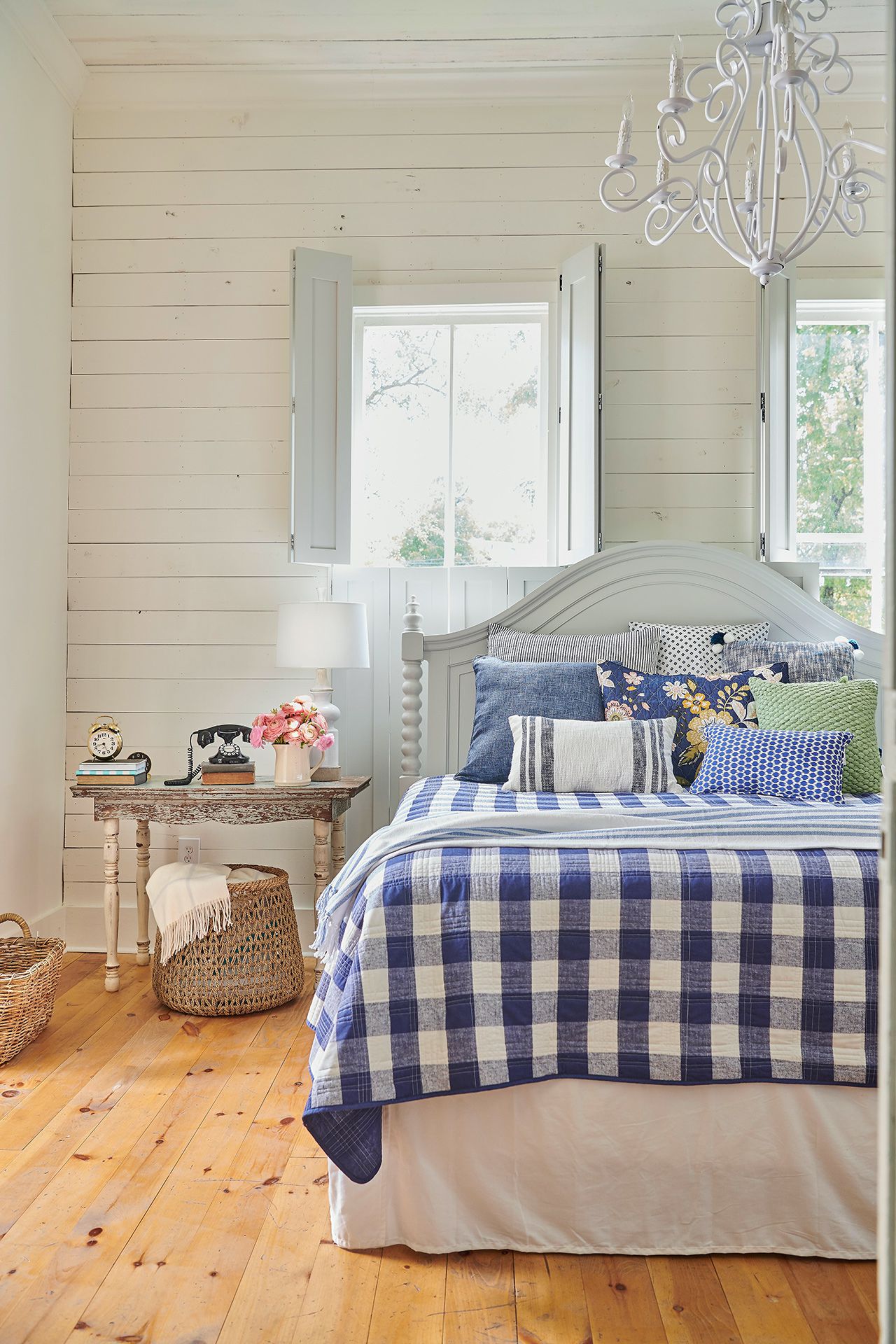
14. Convert an Old Door Into a Headboard
Solid wood doors can become dramatic headboards. Sand, paint, seal, and mount securely behind the bed. A paneled door adds architectural character, while a flat door can be upholstered or painted. Avoid using old painted doors without checking whether the finish may contain lead, especially in older homes.
15. Use Leftover Tiles as Coasters
Small ceramic tiles left over from a renovation can become coasters. Add felt pads underneath to protect tables and decorate the top with paint, decoupage, or waterproof sealant. This project is affordable, practical, and good for using small materials that would otherwise sit in a box forever.
16. Turn Fabric Scraps Into Reusable Gift Wrap
Fabric scraps, scarves, or old pillowcases can become reusable gift wrap. Tie them around presents using simple knots or ribbon. This reduces single-use wrapping paper and adds a thoughtful handmade touch. Bonus: the wrap becomes part of the gift.
17. Make Produce Bags From Old Curtains
Lightweight curtains or sheer fabric can be sewn into reusable produce bags. Add a drawstring and keep them with your grocery totes. They are washable, lightweight, and helpful for reducing disposable plastic bag use during shopping trips.
18. Repurpose Shoe Boxes Into Drawer Dividers
Shoe boxes can divide drawers for socks, underwear, cables, office supplies, or cosmetics. Cut them to fit shallow drawers and cover them with paper or fabric if you want a cleaner look. Organization does not always require buying new bins; sometimes it just requires scissors and a box you nearly threw away.
19. Use Muffin Tins for Small Hardware
Old muffin tins are excellent sorting trays for screws, washers, beads, buttons, jewelry parts, or craft supplies. They are especially useful during repair projects because each cup can hold a different size part. This prevents the classic DIY tragedy known as “one important screw vanished into another dimension.”
20. Turn Broken Crayons Into New Crayons
Peel paper from broken crayons, place pieces into silicone molds, and melt them carefully in a low-temperature oven with adult supervision. Once cooled, they become chunky multicolor crayons. This is a fun way to teach children about reuse and creativity without buying another box of crayons immediately.
21. Convert Old Sweaters Into Pillow Covers
Soft sweaters with holes in the sleeves can still become cozy pillow covers. Cut usable fabric, sew it around an existing pillow insert, and keep the button or cable-knit texture as a design feature. This works especially well for fall and winter decor.
22. Use Broken Mugs as Mini Planters
A mug with a chipped rim may not be safe for drinking, but it can hold succulents, small herbs, or desk plants. Add pebbles for drainage and avoid overwatering. Mismatched mugs can create a cheerful windowsill garden with personality.
23. Turn Old Picture Frames Into Trays
Remove the backing from a picture frame, insert decorative paper or fabric under the glass, and attach handles to the sides. The result is a serving tray for coffee tables, dressers, or bathroom counters. Use it for candles, perfume bottles, or keys.
24. Use Pallet Wood for Rustic Projects
Clean, safe pallet wood can be used for shelves, garden signs, small tables, or wall art. Choose pallets carefully and avoid any that are stained, chemically contaminated, or questionable. Sand thoroughly to prevent splinters. Pallet projects can look high-end when finished well, not like you kidnapped a loading dock.
25. Repurpose Old Books Into Decor
Damaged books that cannot be donated can become decorative stacks, hidden storage boxes, wall art, or craft materials. Use this idea respectfully: keep valuable, rare, or readable books in circulation when possible. Repurpose only books that are truly beyond normal use.
26. Make Compost From Food Scraps and Yard Waste
Fruit peels, vegetable scraps, coffee grounds, eggshells, dry leaves, and small yard trimmings can become compost. Composting returns nutrients to soil and can reduce the amount of organic material sent to landfills. Keep meat, dairy, oils, and greasy foods out of most backyard compost systems to avoid odor and pests.
27. Turn Leftover Food Into Planned “Second Meals”
Repurposing is not only for objects. Leftover roasted vegetables can become soup, rice bowls, omelets, or pasta filling. Stale bread can become croutons or breadcrumbs. Cooked chicken can become tacos, salads, or fried rice. Store leftovers safely and refrigerate promptly so creativity does not turn into a food safety adventure.
28. Use Old Smartphones as Household Tools
An old smartphone may still work as a music player, recipe screen, alarm clock, digital photo frame, or backup camera monitor. Before donating, selling, or recycling electronics, wipe personal data and remove accounts. If a device no longer works, use certified electronics recycling options rather than tossing it in the trash.
29. Donate Building Materials and Furniture Responsibly
Cabinets, doors, working appliances, furniture, lighting, hardware, and extra building supplies may be accepted by reuse organizations, local nonprofits, or architectural salvage stores. Always check donation guidelines first. Items should be clean, safe, usable, and not recalled. Donating responsibly helps reuse programs avoid disposal costs and keeps useful goods moving.
30. Create a “Future Project” Bin
Not everything needs to be repurposed immediately. Create one clearly labeled bin for clean jars, fabric scraps, hardware, ribbons, small wood pieces, and other reusable materials. The key is setting a limit. One bin is creative. Seven overflowing bins guarded by dust bunnies may be a storage problem wearing a craft hat.
How To Choose the Right Repurposing Project
The best repurposing projects solve a real problem. Before starting, ask yourself three questions: Do I need this item in its new form? Is it safe to reuse? Will I actually finish the project? These questions prevent “eco-friendly clutter,” which is what happens when good intentions take over your closet and start charging rent.
Focus first on easy wins. Glass jars, old clothing, cardboard boxes, and food scraps are beginner-friendly materials. Furniture, electronics, and building materials require more planning. For anything involving electricity, structural weight, children’s products, food contact, or old paint, safety comes first. A reused item should make life better, not introduce hazards.
Safety Tips Before You Repurpose
Repurposing should be creative, not careless. Avoid reusing containers that held chemicals for food, water, pet supplies, or children’s toys. Do not donate or resell recalled products. Be cautious with old cribs, car seats, helmets, electrical appliances, and vintage painted furniture. If an item is moldy, pest-infested, broken beyond repair, or unsafe, responsible recycling or disposal may be better than reuse.
Electronics deserve special attention. Many devices contain valuable materials, but they may also contain batteries or components that require proper handling. If you cannot safely reuse or donate an electronic item, look for certified electronics recycling programs. For refrigerators, freezers, air conditioners, and dehumidifiers, proper appliance recycling matters because older units may contain refrigerants or other materials that should be recovered correctly.
Repurposing by Room: Simple Inspiration
Kitchen
In the kitchen, jars become dry-goods storage, stale bread becomes breadcrumbs, vegetable scraps become broth, and coffee grounds can support compost systems. A kitchen is one of the easiest places to reduce waste because so many items pass through it every day.
Bedroom
In the bedroom, old drawers become under-bed storage, sweaters become pillow covers, and shoe boxes become drawer dividers. Repurposing here often improves organization, which means fewer frantic mornings searching for the other sock that clearly joined a witness protection program.
Bathroom
In the bathroom, candle jars can hold cotton rounds, toothbrushes, or hair ties. Old towels can become cleaning rags. Empty containers can organize small items, as long as they are clean and suitable for the new use.
Garden
Gardens welcome repurposing with open arms. Tin cans, mugs, colanders, crates, and buckets can become planters. Egg cartons can start seeds. Compost can improve soil. Outdoor repurposing is practical because plants are not snobs; they care more about drainage than brand names.
Experience-Based Notes: What Repurposing Teaches You Over Time
After trying enough repurposing projects, one lesson becomes obvious: the most successful ideas are usually the simplest. A glass jar used for pantry storage will probably serve you longer than an overcomplicated project that requires three weekends, twelve specialty tools, and emotional support snacks. Repurposing works best when it fits naturally into your routines.
For example, keeping a small basket of old T-shirt rags near the cleaning supplies makes reuse automatic. You do not have to “remember to be sustainable”; the better option is already waiting in the cabinet. The same is true for food waste. A clearly labeled freezer bag for vegetable scraps makes homemade broth easy. A countertop compost container makes scraps easier to collect. A donation box near the closet makes decluttering less dramatic.
Another real-world lesson: not every item deserves a second life inside your home. This may sound harsh, but it is freeing. Repurposing should reduce waste, not create guilt. If you keep every jar, box, ribbon, screw, chipped plate, and mystery cable “just in case,” your home can quietly turn into a museum of future intentions. Set boundaries. Choose materials you use often. Let the rest go through donation, recycling, or proper disposal.
It also helps to match projects to your actual personality. If you dislike sewing, do not begin with a complicated quilt made from old shirts. Start with no-sew cleaning cloths or fabric gift wrap. If you love gardening, repurpose containers as planters. If you enjoy organizing, turn boxes and jars into storage. If you like woodworking, old doors, crates, and drawers may become your playground. Sustainability becomes easier when it feels like your style, not homework assigned by a very stern recycling bin.
The most satisfying projects often carry a story. A drawer from a broken dresser becomes a rolling toy bin. A chipped mug from a favorite trip becomes a succulent planter. A ladder from a grandparent’s garage becomes a blanket rack. These items are not just “saved from the landfill.” They become part of the home in a more personal way. New products can be beautiful, but repurposed items often have character built in.
There is also a budgeting benefit. Repurposing can reduce small, repeated purchases: storage bins, planters, cleaning cloths, gift wrap, organizers, and decorative accessories. The savings may seem modest at first, but over time they add up. More importantly, repurposing trains you to pause before buying. That pause is powerful. Sometimes you still need a new item. Other times, you realize the solution is already sitting in the recycling bin, looking humble and unemployed.
Finally, repurposing encourages creative confidence. Your first project may be uneven. Your painted can planter may have brush marks. Your crate shelf may not look like a magazine spread. That is okay. Every project teaches you how materials behave, what your home needs, and how to solve problems with what you already have. Waste reduction is not about perfection. It is about progress, curiosity, and the occasional proud moment when someone asks, “Where did you buy that?” and you get to say, “Actually, I made it from something I almost threw away.”
Conclusion
Repurposing is one of the most practical ways to reduce waste because it begins with what you already own. It saves money, cuts clutter, supports creativity, and helps useful materials stay useful longer. Whether you turn jars into storage, shirts into cleaning rags, drawers into rolling bins, or food scraps into compost, every small project changes the way you see waste.
The goal is not to keep everything forever. The goal is to make smarter choices: reuse what is safe and useful, donate what others can use, recycle what belongs in a proper program, and dispose of unsafe items responsibly. Start with one drawer, one jar, one shirt, or one leftover meal. Imagination does not need a huge budget. Sometimes it just needs permission to look at an old object and say, “You are not done yet.”