Oil stains on concrete have a special talent for showing up exactly where guests, neighbors, or your most judgmental relative will notice them. One minute your driveway looks respectable; the next, it has a dark blotch that says, “Yes, a car lives here, and yes, it has feelings.” The good news is that most oil stains on a concrete driveway or garage floor can be cleaned, faded, or dramatically improved with the right method.
The trick is understanding what you are fighting. Concrete may look rock-solid and stubborn, but it is porous. Motor oil, grease, transmission fluid, and other automotive fluids can sink into those tiny pores, especially when a spill sits for days, weeks, or months. Fresh oil is usually easier to remove because it is still near the surface. Older stains are more annoying because the oil has had time to move in, unpack, and hang curtains.
This guide covers three practical ways to remove oil stains from concrete driveway and garage surfaces: absorb fresh oil, scrub with a cleaning paste or degreaser, and deep-clean older stains with a poultice or pressure washer. You will also find tools, safety tips, mistakes to avoid, and real-world experience notes at the end so you can clean smarter, not just scrub harder.
Before You Start: Identify the Oil Stain
Before grabbing every cleaner under the sink like a garage-floor superhero, take a minute to inspect the stain. A shiny or wet-looking stain is usually fresh. A dull, dark, flat stain is often older and has soaked into the concrete. A wide stain near the front of the garage may come from engine oil, while spots near the middle of a parking area could be transmission fluid, brake fluid, or power steering fluid.
Fresh stains need absorption first. Old stains usually need a cleaner that can break down petroleum residue. Very old stains may require several rounds, and even then, the goal may be “much better” rather than “brand-new showroom floor.” Concrete is practical, not magical.
Tools and Supplies You May Need
Depending on the method, gather a few basics: clay cat litter, sawdust, baking soda, powdered laundry detergent, dish soap, a concrete degreaser, a stiff nylon brush, a push broom, gloves, eye protection, a bucket, clean water, rags, a plastic scraper, and a hose. For serious stains, you may also use a pressure washer, wet/dry vacuum, or commercial oil-stain remover.
Avoid wire brushes on decorative or delicate concrete because they can leave scratches or metal particles behind. A stiff nylon brush or deck brush is usually strong enough without turning your driveway into a crime scene.
Method 1: Absorb Fresh Oil with Cat Litter, Baking Soda, or Sawdust
If the spill is fresh, speed matters. The sooner you absorb the oil, the less time it has to soak into the concrete. This method is best for new oil spills on a concrete driveway, garage floor, carport, or workshop slab.
Step 1: Blot or Scrape Up Excess Oil
Start by removing any standing oil. Use rags, paper towels, or a plastic scraper to lift away the thickest part of the spill. Do not spray the stain with water right away. Water can spread the oil across the surface, turning one neat stain into a modern art installation titled Regret in Two-Car Garage.
If the spill is large, work from the outside toward the center so it does not spread. Wear gloves, especially when dealing with used motor oil or unknown automotive fluids.
Step 2: Cover the Stain with an Absorbent Material
Pour a generous layer of clay cat litter, baking soda, cornstarch, sawdust, or an oil absorbent over the stain. Clay-based cat litter is popular because it is cheap, easy to find, and effective for soaking up surface oil. For best results, cover the entire stained area and extend slightly beyond the edges.
Let the absorbent sit for at least several hours. For a bigger spill, leave it overnight. If you are using cat litter, press it gently into the stain with your shoe or a block of wood. Do not grind aggressively if the concrete is decorative or coated, but a little pressure helps the absorbent contact the oil.
Step 3: Sweep It Up and Repeat if Needed
Sweep up the saturated absorbent and dispose of it according to local rules. If it still looks oily, apply a fresh layer and repeat the process. Fresh stains often improve dramatically after one or two rounds.
Once the surface oil is gone, you may still see a shadow. That is normal. Follow up with Method 2 to break down the remaining residue. Think of Method 1 as stopping the stain from getting worse; Method 2 is where the cleanup starts looking impressive.
Method 2: Scrub with Dish Soap, Laundry Detergent, or Concrete Degreaser
For many homeowners, this is the most useful way to remove oil stains from concrete driveway and garage surfaces. Detergents and degreasers help loosen oil so it can be scrubbed and rinsed away. This method works well on fresh stains after absorption and on moderate stains that have been sitting for a while.
Step 1: Sweep and Pre-Clean the Area
Remove loose dirt, leaves, grit, and absorbent material before applying cleaner. If the concrete is dusty, sweep thoroughly. Cleaning products work better when they are touching the stain instead of trying to fight through a layer of garage confetti.
If the stain is inside a garage, open the door for ventilation. Move cardboard boxes, tools, extension cords, and anything else that does not enjoy splashing water.
Step 2: Apply a Cleaning Paste or Degreaser
For a simple household paste, mix baking soda or powdered laundry detergent with enough water to form a spreadable paste. Apply it over the oil stain and let it sit for 10 to 30 minutes. Dish soap mixed with warm water can also work well on lighter oil stains because dish soap is designed to cut grease.
For tougher stains, use a concrete cleaner or alkaline degreaser. Alkaline cleaners are commonly used for petroleum-based stains because they help emulsify oil and grease. Always follow the product label for dilution, dwell time, ventilation, and rinsing. Stronger is not always smarter. Dumping half a bottle on one stain may waste product, irritate your skin, or leave residue behind.
Step 3: Scrub with a Stiff Nylon Brush
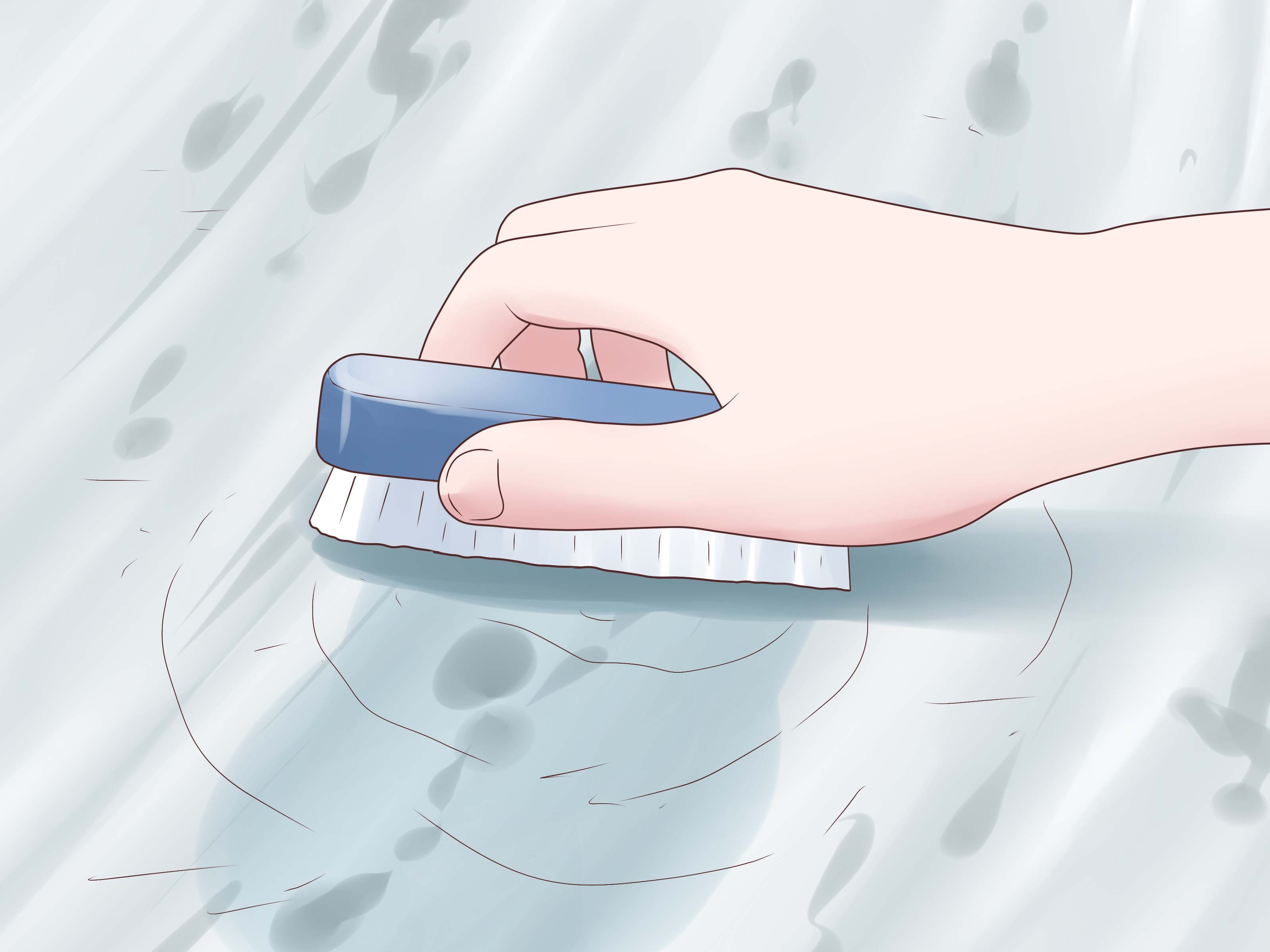
Use a stiff nylon brush, deck brush, or push broom to work the cleaner into the concrete. Scrub in overlapping circles and short back-and-forth strokes. The goal is to push the cleaner into the pores and lift oil residue to the surface.
Let the cleaner dwell as directed, but do not let it dry completely on the concrete. If it starts drying too fast, mist it lightly with water. Dwell time matters because cleaners need time to break down the oil. Scrubbing immediately and rinsing instantly is like sending a rescue team home before they get out of the truck.
Step 4: Rinse Thoroughly
Rinse the area with clean water. On a driveway, a garden hose may be enough. In a garage, use a mop, squeegee, wet/dry vacuum, or towels to control runoff. Do not rinse oily water into storm drains. Many areas have rules about automotive fluids and contaminated cleanup water, so use common sense and check local guidance if the spill is significant.
After rinsing, let the concrete dry completely. Wet concrete often looks darker, so do not judge the final result too soon. Wait until the surface is fully dry before deciding whether to repeat the cleaning.
Method 3: Use a Poultice, Commercial Oil-Stain Remover, or Pressure Washer for Old Stains
Old oil stains are stubborn because the oil has penetrated below the surface. A basic soap scrub may lighten them, but it may not pull out deeper residue. For older stains on a concrete garage floor or driveway, use a poultice-style treatment, a commercial oil-stain remover, or a pressure washer combined with degreaser.
Option A: Make a Poultice for Deep Oil Stains
A poultice is a paste that sits on the stain and helps draw oil out of the concrete as it dries. You can make a simple version with an absorbent powder and a cleaner. Baking soda, powdered detergent, or an oil-absorbing product can serve as the base. Mix it with water and a small amount of degreaser until it forms a thick paste.
Spread the paste about a quarter inch thick over the stain. Cover it loosely with plastic wrap if the product instructions recommend slower drying, or leave it uncovered if you want it to dry and pull residue upward. Let it sit for several hours or overnight. Then scrape it up, sweep the area, scrub lightly, and rinse.
This method is not glamorous, but it is useful. It gives the cleaner more contact time and gives the absorbent material a chance to pull oil from the pores. Some stains need two or three rounds before they stop looking like a map of an imaginary country.
Option B: Use a Commercial Concrete Oil-Stain Remover
Commercial oil-stain removers are designed for petroleum stains on concrete, masonry, and garage floors. Some are liquid degreasers; others work like a drying paste. Choose a product labeled for concrete and for oil or grease stains. Read the label carefully, especially if your concrete is sealed, painted, stained, or coated.
Apply the product directly to the stain, allow the recommended dwell time, scrub if instructed, and rinse or sweep away residue. Do not mix products unless the label says it is safe. Mixing cleaners can create fumes, damage surfaces, or turn a simple driveway chore into an accidental chemistry lesson.
Option C: Pressure Wash with Degreaser
Pressure washing can help remove loosened oil from concrete, especially on driveways and outdoor slabs. It is most effective when paired with a degreaser. Apply the degreaser first, scrub it into the stain, allow it to dwell, and then rinse with the pressure washer using a suitable nozzle and safe distance.
Do not use extreme pressure too close to the concrete. High pressure can etch lines into the slab, damage older concrete, or create a clean stripe that makes the rest of the driveway look dirtier by comparison. Test an inconspicuous area first. Move the wand evenly, keep a consistent distance, and overlap passes slightly.
For garage floors, pressure washing may be impractical unless you can manage the water. A wet/dry vacuum, squeegee, and open garage door can help, but be careful around electrical outlets, stored items, drywall, and anything that reacts badly to becoming a pond.
Common Mistakes to Avoid
Mistake 1: Rinsing Fresh Oil Immediately
Water does not dissolve oil. If you blast a fresh oil spill with a hose, you may spread it over a wider area. Absorb first, clean second, rinse last.
Mistake 2: Using Acid on Oil Stains
Acid cleaners are often used for certain mineral stains or surface preparation, but oil and grease are petroleum-based problems. A degreaser is usually the better match. Using the wrong cleaner wastes time and may damage the concrete or surrounding surfaces.
Mistake 3: Scrubbing Once and Giving Up
Oil stains often need more than one treatment. If the stain is lighter after the first cleaning, the method is working. Repeat it. Concrete cleaning is sometimes less like flipping a switch and more like negotiating with a tiny underground oil kingdom.
Mistake 4: Ignoring Runoff
Used oil and oily rinse water should not be washed into storm drains, lawns, or waterways. Use absorbents, collect residue when practical, and follow local disposal rules for used oil cleanup materials.
How to Prevent Future Oil Stains
Once your concrete is clean, prevention becomes much easier than rescue. Put a drip pan, oil mat, or flattened cardboard under vehicles that leak. Fix active leaks as soon as possible. Clean small drips quickly instead of letting them become permanent garage décor.
For garage floors and driveways that see regular vehicle work, consider sealing the concrete after it is fully cleaned and dried. A concrete sealer can reduce absorption and make future stains easier to remove. However, oil stains and residue must be removed before sealing. Sealing over oil is like putting a picture frame around the problem.
Which Method Should You Choose?
Choose Method 1 for fresh spills that are still wet or shiny. Choose Method 2 for most normal oil stains, especially after the fresh oil has been absorbed. Choose Method 3 for old, dark, stubborn stains that have survived basic cleaning.
In many cases, the best approach is a sequence: absorb, scrub, rinse, dry, inspect, and repeat. If the stain is old, add a poultice or commercial remover. If the stain is outdoors and widespread, use a pressure washer carefully after applying degreaser.
Experience Notes: What Actually Works in a Real Driveway or Garage
After dealing with oil spots on concrete, one lesson becomes clear fast: timing is everything. A fresh spill cleaned the same day is dramatically easier to handle than a stain discovered two months later under a parked car. When oil is still sitting on top of the slab, an absorbent material can do a surprising amount of work. Cheap clay cat litter is not fancy, but it earns its place in the garage. Pour it on thick, let it sit, and give it time. The mistake many people make is sweeping it up after five minutes and expecting a miracle. Oil needs time to transfer into the absorbent.
Another practical lesson is that scrubbing technique matters. A quick swipe with a soft brush usually does very little. A stiff nylon brush, warm water, and a grease-cutting cleaner make a much bigger difference. Work the cleaner into the stain from several directions. Concrete has texture, pits, and tiny channels, so scrubbing only one way can miss residue hiding in the surface. You do not need to attack the slab like you are training for a lumberjack competition, but steady pressure helps.
For garage floors, water control is often the real challenge. A driveway can be rinsed more easily, but a garage turns into a slippery skating rink if you overdo it. The best setup is to clear the area first, open the garage door, use a modest amount of water, and keep a squeegee or wet/dry vacuum nearby. If the garage floor slopes outward, congratulations: your concrete is being helpful for once. If it slopes inward, use less water and collect the rinse water as you go.
Old stains require patience. A single cleaning may fade the mark but not remove it completely. That does not mean the cleaner failed. It means the oil is deeper than the first treatment reached. A poultice can be especially useful because it stays on the surface longer and continues working while you go do something more enjoyable, such as literally anything else. When the paste dries, it can pull residue toward the surface. Scrape, sweep, rinse, dry, and repeat if the stain is still visible.
Pressure washing can be satisfying, but it is not always the first move. If you pressure wash without degreaser, you may clean the surface dirt while leaving the oil shadow behind. If you hold the nozzle too close, you can etch the concrete and create wand marks. The better approach is to pretreat the stain, scrub the degreaser, wait the recommended time, and then rinse with controlled, even passes.
The final experience-based tip is to manage expectations. Some old oil stains on unsealed concrete may never disappear completely without professional treatment or resurfacing. However, most can be improved enough that they stop dominating the driveway. And once the area is clean, sealing the concrete or using drip mats can save you from repeating the whole routine. Future you will appreciate it, probably while standing in a much less embarrassing garage.
Conclusion
Removing oil stains from a concrete driveway or garage floor is not about one magic cleaner. It is about matching the method to the stain. Fresh oil needs fast absorption. Moderate stains need detergent, scrubbing, and rinsing. Old stains need longer contact time, poultice treatments, commercial oil-stain removers, or careful pressure washing.
Start gently, repeat when needed, and avoid shortcuts that spread oil or damage concrete. With the right approach, your driveway can look cleaner, your garage can feel less chaotic, and that mysterious dark spot can finally stop acting like it owns the place.