Carrots have somehow become the celebrity vegetable of the small-pet world. Mention a hamster snack, and somebody will picture a tiny fluff ball dramatically nibbling an orange stick like it is starring in its own cooking show. The good news? Carrots can be a safe and enjoyable treat for hamsters. The less magical but much more important news? They should be prepared properly, served plainly, and offered in small amounts.
If you are wondering how to prepare carrots for your hamster without turning snack time into a sugar overload or a sticky mess, you are in the right place. This guide breaks down three simple ways to prepare carrots for your hamster, plus the safety basics every owner should know. We will cover portion size, preparation tips, what to avoid, and how to tell whether your hamster thinks your culinary skills deserve applause or polite side-eye.
Because yes, hamsters can eat carrots. But no, they should not be eating them like they are running a carrot-themed buffet.
Why Carrots Can Work as a Hamster Treat
Carrots are appealing because they are crunchy, easy to find, inexpensive, and packed with nutrients people already associate with healthy eating. For hamsters, though, the main word is treat. A hamster’s regular diet should still center on a quality pelleted food or lab block, with fresh foods acting as a small bonus rather than the main event.
That matters because carrots contain natural sugar. They are not junk food, but they are sweeter than many people realize. So while your hamster may act like a carrot cube is the greatest gift since bedding deep enough to tunnel in, moderation is still the rule. Small servings a few times a week are a much smarter choice than daily orange feasts.
Carrots also have a texture advantage. A tiny piece of raw carrot gives some satisfying crunch, and many hamsters enjoy foods they can hold, nibble, stash, or dramatically relocate three inches away for mysterious hamster reasons. Still, crunch alone does not make carrots a complete dental plan. Your hamster also needs appropriate chew items and a balanced diet.
Before You Serve Carrots: Basic Safety Rules
Before getting into the three preparation methods, let’s handle the hamster kitchen rules. These are the unglamorous details that keep snack time safe.
1. Wash the carrot well
Always rinse carrots thoroughly before serving them. Even if they look clean, fresh produce can carry dirt or residues you do not want in your hamster’s dinner. A quick but thorough wash is one of the easiest safety steps you can take.
2. Keep it plain
Your hamster does not want glazed carrots, roasted carrots with olive oil, buttered carrots, carrot casserole, or anything that sounds like it belongs at a holiday dinner. Serve carrots plain, with no salt, sugar, seasoning, sauce, oil, or other add-ons.
3. Cut pieces very small
Hamsters are tiny, their mouths are tiny, and their snacks should respect that reality. Cut carrot pieces into very small, bite-size bits to reduce choking risk and make them easier to handle.
4. Introduce new foods slowly
If your hamster has never had carrot before, start with a tiny amount. New foods should be introduced gradually so you can watch for digestive upset. If your hamster develops loose stool, seems uncomfortable, or stops eating, skip the carrot and contact an exotic-pet veterinarian if symptoms continue.
5. Remove uneaten fresh food
Fresh food should not sit around long enough to get soggy, spoiled, or hidden in a stash corner until it resembles a science project. Hamsters love to hoard food, so after offering carrot, check the enclosure later and remove leftovers.
6. Remember that smaller is smarter
This is especially important for dwarf hamsters, which generally do better with very modest amounts of sugary treats. When in doubt, go smaller than you think you need. Your hamster will survive the injustice.
Way #1: Serve Raw Carrot in Tiny Chopped Pieces
The easiest and most popular method is also the simplest: raw carrot, washed and chopped into tiny pieces. This keeps the carrot firm, crunchy, and easy to prepare. It also gives your hamster something satisfying to nibble without much effort from you beyond wielding a knife responsibly.
How to do it
Start with a fresh carrot or a plain baby carrot. Wash it thoroughly. Then cut off a very small piece and chop that into tiny cubes or slivers. The pieces should be small enough that your hamster can nibble them comfortably without wrestling the food like it owes money.
Why this method works
Raw carrot keeps its crunch, which many hamsters enjoy. It is convenient, fast, and easy to portion. Because the texture is firm, it is also less messy than softer preparations. If you want a no-fuss way to offer a carrot treat, this is usually the best place to start.
Best for
This method is great for healthy adult hamsters who already handle fresh foods well. It also works nicely if you want to hand-feed a small piece during bonding time. Offering a tiny raw carrot bit can turn you into the snack wizard your hamster never knew it needed.
Watch out for
The biggest issue here is portion size. It is very easy to think, “Aw, one more little piece won’t hurt,” and suddenly your hamster is hosting a root vegetable convention. Keep the serving tiny. One or two very small pieces are plenty for a first try.
Way #2: Lightly Steam the Carrot and Let It Cool
If your hamster seems picky about hard textures, or if you simply want a softer option, lightly steaming carrot is another safe way to prepare it. The goal is not to turn it into mush. You want it softened, plain, and cool enough to handle.
How to do it
Wash the carrot, peel it if you want, and cut off a small amount. Steam it briefly until it softens slightly. Do not add butter, salt, or seasoning. Let it cool completely, then cut it into tiny pieces before serving.
Why this method works
A lightly steamed carrot can be easier for some hamsters to nibble, especially if they seem less interested in very crunchy foods. It may also be helpful if you are introducing carrots and want a gentler texture. Softened carrot can feel less intimidating to a cautious hamster who approaches new foods like a suspicious food critic.
Best for
This option is useful for hamsters that prefer softer foods or for owners who want a slightly different texture from the usual raw treat. It can also help if you are shaving a carrot into tiny bits and want them easier to chew.
Watch out for
Do not overcook it. Mushy carrot is messy, easier to spoil, and less practical for tiny paws. Also, steamed carrot is still carrot, which means it is still a treat and still not something to pile into the food dish like a side entrée.
Way #3: Shred a Small Amount of Carrot Into Foraging Enrichment
The third method is ideal if you want snack time to double as enrichment. Instead of handing over one obvious chunk, you can shred a tiny amount of carrot and use it in a foraging activity. This lets your hamster sniff, search, and nibble, which is much more exciting than simply walking up to a bowl and finding lunch already waiting there. Frankly, your hamster has standards.
How to do it
Wash the carrot and grate or finely shred a very small amount. Offer a pinch of the shreds in a clean dish, or hide a few strands in a safe foraging toy, paper tube, or supervised enrichment setup. You can also mix a tiny bit with other hamster-safe fresh veggies to create a miniature “salad” without overdoing the sweet stuff.
Why this method works
Shredded carrot spreads the treat out and slows the eating experience. It also adds mental stimulation. Hamsters are natural foragers, so giving them a chance to search for food can make feeding more interesting.
Best for
This method is especially good for active hamsters who enjoy exploring, digging, and hunting down every last edible speck in their habitat. It is also handy for owners who want to avoid giving one larger piece.
Watch out for
Because shreds are small, they can get tucked into bedding or hoarded more easily. Be sure to check for leftovers later. You also want to keep the total amount tiny. A pinch is enough. We are creating enrichment, not opening a produce department.
How Much Carrot Should a Hamster Eat?
This is the question that matters most. Even a safe food can become a bad idea when the portion is too large. For hamsters, carrot should be a small, occasional treat. Think in terms of tiny pieces, not chunks. Think garnish, not meal prep.
A good rule of thumb is to offer just a little bit at a time and only a few times a week. If your hamster is new to fresh produce, start even smaller. Monitor stool, appetite, and behavior afterward. If everything looks normal, you can continue using carrot as a treat in rotation with other hamster-safe vegetables.
If you have a dwarf hamster, be especially conservative with sweet foods. They are small animals with small dietary margins, and rich or sugary treats are best kept rare and modest.
Mistakes to Avoid When Preparing Carrots for Hamsters
Giving too much
The most common mistake is generosity. Your hamster is adorable, but that is not a nutritional argument.
Serving seasoned or cooked human food
If the carrot was prepared for people, it probably is not prepared for your hamster. Skip roasted, buttery, sugary, canned, or heavily cooked carrot dishes.
Offering large pieces
Large pieces are harder to manage and less safe. Tiny pieces are the better choice every time.
Switching foods too fast
Hamsters have sensitive digestive systems. Introduce fresh foods gradually rather than tossing several new items into the cage at once like a tiny buffet launch event.
Ignoring hidden leftovers
Hamsters stash food. Fresh food that gets hidden can spoil. Always do a quick enclosure check later.
What If Your Hamster Does Not Like Carrots?
Then congratulations, you have discovered that hamsters, like people, have opinions. Some hamsters love carrots right away. Others sniff them once, appear deeply offended, and wander off to rearrange bedding instead.
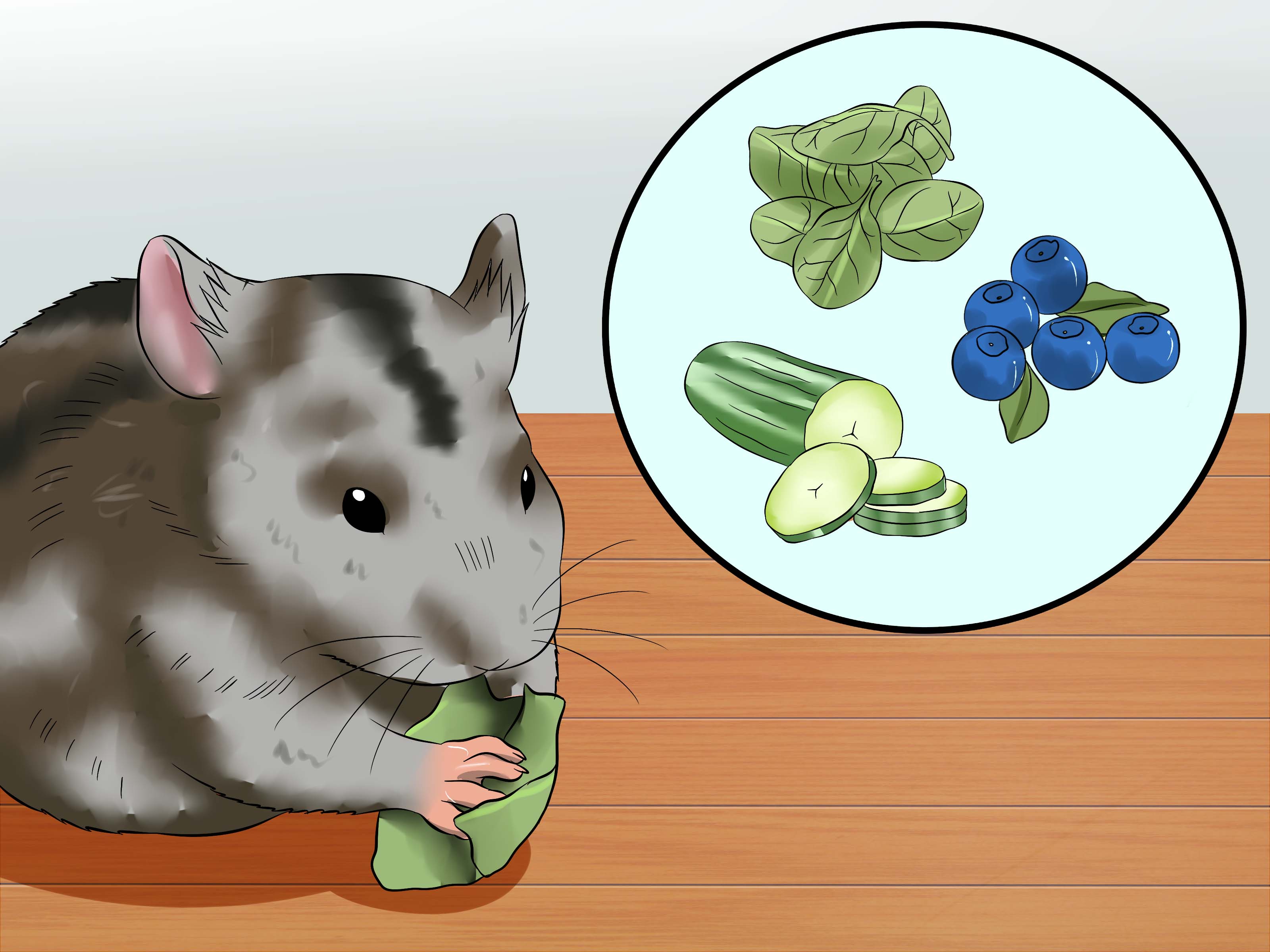
If your hamster is not interested, do not force the issue. There are other hamster-safe vegetables to try, such as cucumber, broccoli, or leafy greens in very small amounts. The goal is a varied, balanced diet built around proper staple food, with treats offered sparingly and sensibly.
Final Thoughts
Preparing carrots for your hamster does not need to be complicated. In fact, the safest approach is usually the least fancy one. Serve carrots plain, washed, tiny, and occasional. That is the whole secret. You can chop them raw, lightly steam them, or shred a little into enrichment activities. Any of those three methods can work well when portions stay small and your hamster tolerates fresh foods normally.
The real win is not just giving your hamster a snack. It is giving a snack thoughtfully. A tiny piece of properly prepared carrot can add variety, stimulation, and a little joy to your hamster’s routine without knocking the rest of the diet off balance. That is exactly where treats belong: fun, safe, and slightly dramatic in a very tiny way.
Note: This article is for general educational purposes. If your hamster has diarrhea, stops eating, seems painful, or reacts poorly after trying a new food, contact an exotic-pet veterinarian.
Real-World Experiences: What Owners Often Learn About Feeding Carrots
In real life, feeding carrots to a hamster rarely looks like a picture-perfect pet commercial. It usually starts with an owner holding a comically tiny carrot piece and wondering whether the portion is too big, too small, or somehow personally insulting to the hamster. Then comes the sniff test. That first reaction tells you a lot. Some hamsters rush over like they have been waiting all week for orange treasure. Others stare at the carrot as if you have presented them with a baffling tax document.
One common experience is discovering that texture matters more than people expect. A hamster may ignore a raw chunk but happily nibble a few soft, cooled steamed bits. Another may do the exact opposite and prefer the crunch of raw carrot over anything softer. Owners often learn pretty quickly that there is no universal “best” version for every hamster. There is only the best version for your hamster, and that usually becomes clear after a few tiny, careful trials.
Another thing people notice is how easy it is to overestimate portion size. What seems tiny to a human can still be a generous serving for a hamster. New owners often start out thinking in slices or sticks, then realize that diced slivers make far more sense. After all, these are tiny animals with tiny stomachs, not furry salad bar enthusiasts. Once owners scale down the portion properly, treat time gets much easier and safer.
Many hamster owners also discover that the real challenge is not feeding the carrot. It is finding the carrot later. Hamsters love to stash food, and fresh food hidden in bedding can turn into a mess fast. That means owners get into the habit of checking corners, tunnels, hideouts, and favorite hoarding spots after offering fresh produce. It is one of those behind-the-scenes pet care jobs nobody brags about, but it makes a huge difference.
There is also the experience of learning your hamster’s rhythm. Some hamsters are more interested in carrot during active evening hours. Some take the treat from your fingers, hold it with both paws, and instantly become the cutest thing in the room. Others prefer to drag the piece away and eat in private like tiny introverts at a dinner party. Owners often say those little habits become part of the fun, because you start to see food not just as nutrition, but as a window into your hamster’s personality.
Perhaps the biggest lesson is that success with fresh foods usually comes from patience, not variety overload. Owners who do best tend to keep things simple: one tiny piece, one new texture, one careful observation at a time. That approach builds confidence. Over time, you learn what your hamster likes, what it tolerates well, and how to make treats feel special without making them excessive. In other words, the most useful experience is realizing that good hamster care is less about doing something impressive and more about doing small things consistently well. Your hamster may never thank you with words, but a happy little nibble is a pretty great review.