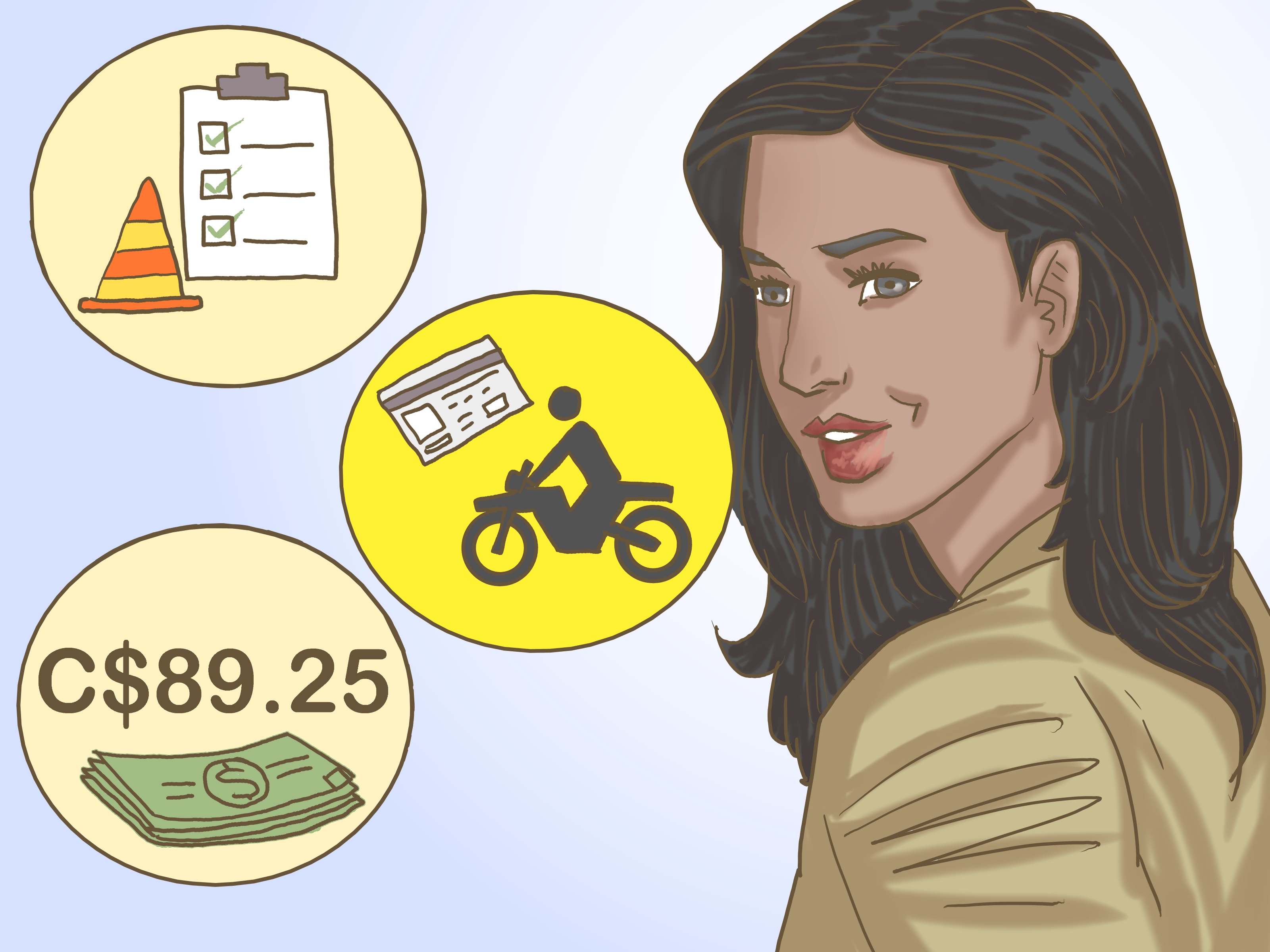
Note: Motorcycle license requirements vary by state. This guide explains the most common U.S. routes, but always confirm the latest rules with your state DMV, Department of Public Safety, or driver licensing agency before applying.
Introduction: Your Motorcycle License Is the Real Starting Line
Getting a motorcycle license is not just a bureaucratic speed bump between you and the open road. It is the part where you prove you can handle a machine that rewards confidence, punishes laziness, and has absolutely no interest in your excuses. The good news? In most U.S. states, there are several practical ways to become legally licensed, and not all of them require you to sweat through a DMV skills test while an examiner watches your every wobble like a hawk with a clipboard.
The three most common ways to get a motorcycle license are: completing an approved motorcycle safety course, applying directly through your state licensing agency with a permit and skills test, or using a waiver, transfer, or special endorsement path if you already have riding experience or a motorcycle license from somewhere else. Each route has its own advantages, costs, timelines, and paperwork. Some are ideal for brand-new riders. Others make more sense for experienced riders who simply need to make things official.
Across the United States, the basic idea is similar: you usually need to meet an age requirement, pass a vision screening, complete a motorcycle knowledge test or approved rider course, and show that you can safely control a motorcycle. However, the details change from state to state. For example, Florida requires new motorcyclists to complete an approved Basic RiderCourse before adding a motorcycle endorsement, while New York allows some riders to waive the road test after completing an approved Motorcycle Safety Foundation course. California has different requirements for riders under and over 21, and Texas requires an approved motorcycle safety course for Class M applicants.
In other words, the path is clear, but the map has fifty slightly different versions. Let’s make it simple.
Way 1: Complete an Approved Motorcycle Safety Course
For most beginners, the easiest and smartest way to get a motorcycle license is to complete a state-approved motorcycle safety course. This is often called the Basic RiderCourse, or BRC, and it is commonly based on Motorcycle Safety Foundation training. Think of it as motorcycle school, except the final exam is less about algebra and more about not accidentally launching yourself into a shrub.
How the Motorcycle Safety Course Route Works
A beginner motorcycle course usually combines classroom or online learning with hands-on riding practice. You learn basic controls, clutch use, throttle control, braking, shifting, turning, swerving, lane positioning, hazard awareness, and emergency stopping. Many courses provide small training motorcycles, which is a huge benefit if you do not own a bike yet or are not emotionally prepared to drop your future dream machine during a low-speed drill.
At the end of the course, students typically complete a written or knowledge evaluation and an on-cycle skills evaluation. If you pass, you receive a completion certificate or waiver card. Depending on your state, this certificate may allow you to skip the DMV road skills test, the knowledge test, or both. In some states, you still need to visit the licensing office, show identification, pay the required fee, and have the motorcycle endorsement added to your driver license.
This path is popular because it bundles training and testing into one structured experience. Instead of trying to teach yourself in an empty parking lot while your friend yells “just ease out the clutch!” from a lawn chair, you get professional instruction from coaches who have seen every beginner mistake in the catalog.
Why This Is Often the Best Choice for Beginners
The approved motorcycle safety course route is especially useful for new riders because it builds habits before bad habits build themselves. Motorcycles are not difficult to operate once the basics click, but they are unforgiving when riders skip fundamentals. A good course teaches you to look through turns, use both brakes correctly, manage traction, scan intersections, and avoid target fixation. These skills matter far more than being able to look cool at a gas station.
Many states actively encourage or require rider education. Florida, for instance, requires new motorcyclists to pass an approved Basic RiderCourse or updated Basic RiderCourse before getting a motorcycle endorsement. Pennsylvania offers approved motorcycle safety courses that may waive the skills test and, for Pennsylvania residents with a motorcycle permit or license, classes may be free. Georgia allows successful graduates of certain Motorcycle Safety Program courses to receive a 90-day test waiver. Tennessee also recognizes Motorcycle Rider Education Program completion certificates, which may waive knowledge and skills tests for license applicants.
The Motorcycle Safety Foundation notes that many states waive the riding portion of the motorcycle endorsement test for students who successfully complete the Basic RiderCourse. Some insurance companies may also offer discounts for course completion, although you need to ask your insurer directly. That discount may not buy your next bike, but it might pay for a few tanks of gas and a celebratory cheeseburger.
Best For
- New riders with little or no motorcycle experience
- People who do not own a motorcycle yet
- Applicants in states where training is required
- Riders who want to reduce or avoid DMV skills testing
- Anyone who prefers learning from certified instructors instead of YouTube comments
Possible Downsides
The course route is convenient, but it is not perfect. Classes may fill quickly during spring and summer. Some courses cost money, and prices vary widely by state and provider. You may also need to complete an online eCourse before attending the riding portion. In addition, a course completion card is usually valid for a limited time. Texas, for example, recognizes motorcycle safety course certificates for a specific validity window, so waiting too long after class can turn your shiny certificate into a very official bookmark.
Still, for most beginners, this is the most complete path. You get training, feedback, practice, and often a testing waiver. That is hard to beat.
Way 2: Apply Directly Through the DMV With a Permit and Skills Test
The second way to get a motorcycle license is the traditional licensing route: apply through your state DMV or driver licensing agency, pass the required knowledge test, obtain a motorcycle learner permit if needed, practice legally, and then pass an on-cycle skills test. This is the classic “study, permit, practice, test” method.
How the Direct DMV Route Works
Although state rules differ, the direct route usually follows a familiar sequence. First, you study your state motorcycle operator manual. Then you visit the licensing office or use an approved online testing system, depending on your state, to take a motorcycle knowledge exam. You may also need to pass a vision screening and show proof of identity, residency, lawful presence, and Social Security number.
After passing the knowledge test, you may receive a motorcycle learner permit. A permit lets you practice under restrictions. Those restrictions often include no passengers, no nighttime riding, no freeway riding, or supervision by a licensed motorcycle rider. Pennsylvania, for example, says its motorcycle learner permit allows practice but limits when and how the permit holder may ride. Texas has a motorcycle learner license restriction that requires supervised practice under certain conditions. Georgia motorcycle permits also have rules and expiration limits, and applicants may need to retake the knowledge exam if they do not complete the skills test within the allowed period.
Once you have enough practice, you schedule a motorcycle skills test. This may take place at a DMV testing site or an approved third-party location. You usually need to bring a street-legal, insured, properly registered motorcycle. Some states also require a licensed driver to accompany you or follow during the road test. The skills test may include basic control exercises such as starting, stopping, turning, weaving, shifting, quick stopping, and swerving. In some states, the test is held on a closed course. In others, it may include public-road riding.
Why Riders Choose the Direct Testing Route
The direct DMV route can work well for people who already know how to ride safely, have access to a motorcycle, and feel comfortable practicing under permit restrictions. It may also be necessary in states or situations where a course waiver is not available, where classes are full, or where the applicant prefers to test directly.
This path can also be less expensive upfront if you already own a motorcycle and do not need formal training. However, cheaper does not always mean easier. The DMV skills test can be nerve-racking, especially for riders who have practiced only in casual settings. Low-speed maneuvers are where many riders discover that motorcycles have a sense of humor. Unfortunately, it is the dry, sarcastic kind.
What to Study Before the Knowledge Test
Before taking the motorcycle written test, review your state motorcycle manual carefully. Focus on topics such as helmet laws, lane positioning, braking distance, cornering, road hazards, group riding, carrying passengers, alcohol impairment, and visibility. Many states provide sample tests or practice questions. Do not rely only on common sense. Common sense may tell you that a painted road line looks harmless; a motorcycle manual will remind you that wet paint can be as slippery as a banana peel in a cartoon lawsuit.
Also review your state’s rules for scooters, mopeds, three-wheel motorcycles, and engine-size restrictions. Some states separate motorcycle endorsements from moped permits or limited motorcycle licenses. Tennessee, for example, distinguishes motorcycles over 125 cc from motor-driven cycles in the 51–125 cc range. Florida generally requires a motorcycle endorsement for two- or three-wheel motorcycles over 50 cc. These details matter because riding the wrong vehicle with the wrong license can lead to fines, impoundment, or insurance problems.
Best For
- Experienced riders who can already control a motorcycle safely
- Applicants who own or can borrow a legal motorcycle for testing
- Riders who cannot find a nearby safety course
- People who prefer taking the official DMV test directly
- Applicants in states where the direct route is clearly available
Possible Downsides
The biggest disadvantage is that you may miss out on professional coaching. Passing a test proves you met the minimum standard on test day. It does not necessarily mean you are ready for rush-hour traffic, gravel in corners, distracted drivers, surprise rain, or the mysterious driver who turns left only after making direct eye contact with your soul.
You also need to manage logistics. You may have to provide your own motorcycle, registration, insurance, safety gear, and transportation to the test site. If you fail the skills test, you may need to reschedule and pay additional fees. For beginners, the safety course route is usually more forgiving and more educational.
Way 3: Use a Waiver, Transfer, Military, or Special Endorsement Path
The third way to get a motorcycle license applies to riders who already have experience, already completed approved training, are transferring a motorcycle endorsement from another state, are active-duty military or dependents, or want a three-wheel motorcycle endorsement. This route is not one single process. It is a collection of shortcut paths that can save time when you qualify.
License Transfer From Another State
If you already hold a valid motorcycle license or endorsement from another U.S. state, your new state may allow you to transfer it without repeating every test. You will still need to apply for a new license, provide documents, meet residency requirements, and pay the fee. Some states may waive motorcycle testing when you transfer a valid motorcycle endorsement. Texas, for example, may waive the skills test for adults transferring a valid, unrestricted motorcycle license from another U.S. state or Canadian province.
This path is common for people who move for work, school, military service, or family reasons. The key is not to let your old license expire before handling the transfer. An expired license can turn a simple endorsement transfer into a full licensing quest, complete with forms, tests, and the kind of fluorescent lighting that makes everyone look guilty.
Military Motorcycle Waivers
Some states offer special motorcycle licensing options for active-duty military members, veterans, or dependents who completed approved motorcycle safety training through the military or another recognized program. Georgia, for example, provides motorcycle safety waiver options for certain military members or dependents. These programs often require proof of completion, valid identification, and application within a specific time window.
If you are military-affiliated, check your state licensing agency before paying for a duplicate civilian course. Your existing training may already count. However, do not assume it automatically applies. Licensing offices love documentation, and “trust me, I can ride” is rarely considered an official form.
Experienced Rider Course or BRC2 License Waiver
Some riders already have basic street-riding experience but never got properly licensed. For them, an experienced rider course or Basic RiderCourse 2 License Waiver may be a better fit than a beginner class. The MSF describes the BRC2 License Waiver as a one-day on-motorcycle course for current riders who need to earn a motorcycle license. It includes skills evaluation and may qualify graduates for a licensing waiver in many states.
This route is not meant for someone who has never used a clutch or does not know where the brakes are. It is for riders who can already operate a motorcycle and want professional evaluation, licensing credit, and a skills refresh. In some states, riders bring their own motorcycle. In others, providers may offer range motorcycles. Always check the provider’s requirements before registering.
Three-Wheel Motorcycle Endorsement
Three-wheel motorcycles, trikes, and sidecar rigs may require a motorcycle license or a separate three-wheel restriction, depending on the state. Some safety programs offer three-wheel Basic RiderCourses. Completing a three-wheel course may lead to a three-wheel-only endorsement or restriction rather than permission to ride two-wheel motorcycles. Pennsylvania, for example, notes that completing a three-wheel basic course can result in a motorcycle license with a restriction prohibiting operation of a two-wheel motorcycle.
This distinction matters. A three-wheel motorcycle handles differently from a two-wheel bike. It does not lean the same way, corner the same way, or require the same balance skills. If your dream is a touring trike, a three-wheel course may be perfect. If your dream is a two-wheel sport bike, do not accidentally license yourself into the wrong lane.
Best For
- Riders moving from another state with an existing motorcycle endorsement
- Military members or dependents with approved training
- Experienced riders who need a legal endorsement
- Riders pursuing a three-wheel motorcycle license
- People who qualify for state-specific testing waivers
Possible Downsides
Waiver and transfer routes depend heavily on state rules. Certificates expire. Training providers must be approved. Some waivers cover only the skills test, while others may cover both knowledge and skills tests. Some states still require a permit first. New York, for instance, requires a valid driver license and motorcycle learner permit to qualify for certain road test waivers through approved training. California may waive the DMV skills test for riders who present a valid motorcycle training certificate, but applicants still need to meet age and permit requirements.
In short, waiver paths are excellent when they apply. When they do not, they are just paperwork-shaped disappointment.
Documents You May Need Before Applying
Before you start any motorcycle license application, gather your documents. Requirements vary, but most states ask for some combination of identity, date of birth, Social Security number, lawful presence, residency, current driver license, permit application, parental consent for minors, and course completion certificate if applicable.
If you are under 18, expect extra rules. Many states require parent or guardian consent, driver education, school enrollment verification, a minimum permit holding period, supervised riding hours, or mandatory rider training. California riders under 21 must complete an approved motorcycle rider training course and hold a permit for a required period before licensing. Pennsylvania riders under 18 must meet permit holding and supervised practice requirements and complete approved training. Texas requires minors to complete specific driver education requirements and pass a skills test.
Adults usually have a simpler path, but “simpler” does not mean “show up with vibes.” Bring the right paperwork the first time. DMV employees cannot endorse your motorcycle dreams if your proof of residency is sitting on your kitchen counter.
How to Choose the Right Motorcycle License Path
The best way to get a motorcycle license depends on your experience, state rules, schedule, budget, and confidence level.
Choose a Safety Course If You Are New
If you are new to riding, choose the approved safety course. It is the most beginner-friendly option, and it often saves you from separate DMV skills testing. You will learn with coaches, ride in a controlled environment, and get immediate feedback. Even if your state does not require it, the course is worth it.
Choose the DMV Route If You Already Have Solid Skills
If you already ride responsibly, understand motorcycle controls, and can legally practice with a permit, the direct DMV route may work. Study the manual, schedule your tests, and practice low-speed control until tight turns and quick stops feel normal instead of theatrical.
Choose a Waiver or Transfer If You Qualify
If you already completed approved training, hold an out-of-state motorcycle endorsement, have military training, or want a three-wheel restriction, look for waiver or transfer options. This can reduce duplicate testing and speed up the process.
Common Mistakes to Avoid
One common mistake is buying too much motorcycle before getting licensed. A large, heavy, powerful bike can make beginner practice harder. A smaller training bike or modest first motorcycle is usually easier to manage. Your first bike should build confidence, not file a noise complaint against your nervous system.
Another mistake is assuming a regular driver license covers motorcycles. In most states, it does not. You usually need a motorcycle endorsement, Class M license, or motorcycle-only license to operate a motorcycle legally. Scooters and mopeds may have different rules depending on engine size and speed capability.
Riders also forget about gear. A helmet, gloves, eye protection, long sleeves, sturdy pants, and over-the-ankle footwear are not fashion accessories; they are your backup plan when physics gets spicy. Some courses require specific gear before you can ride.
Finally, do not wait until your permit or waiver certificate is about to expire. Licensing paperwork has deadlines. The road will still be there next month, but your course completion certificate may not be useful forever.
Real-World Experiences: What Getting a Motorcycle License Actually Feels Like
The experience of getting a motorcycle license is often less glamorous than people imagine, but much more rewarding. Most riders picture the final moment: license in wallet, helmet on seat, sunset doing its best movie-poster impression. The actual process usually starts with squinting at a DMV checklist, wondering whether your utility bill counts as proof of address, and realizing that “motorcycle endorsement” sounds like something a tiny lawyer would stamp on your license.
For many beginners, the safety course is the moment everything becomes real. You arrive early, wearing new gloves that still feel like oven mitts, surrounded by other students who are trying to look calm. Nobody is calm. The instructors introduce the bikes, explain the controls, and suddenly the motorcycle is not a fantasy anymore. It is right there, idling, vibrating, and quietly asking whether you paid attention.
The first clutch exercise can feel ridiculous. The bike moves six feet, stops, moves six feet again, and everyone celebrates like they just crossed the continent. But those small drills matter. You learn the friction zone, how to keep your head up, how to turn without staring at the ground, and how to use smooth inputs instead of panic-flavored wrestling moves. By the end of the first day, most students are tired, sunburned, humbled, and weirdly proud.
The skills evaluation brings its own drama. Even confident students can get nervous when cones appear. Cones have no legal authority, yet they somehow intimidate grown adults. You may overthink the quick stop, enter a curve too slowly, or put a foot down during a tight turn. But the test is not about perfection. It is about showing control, awareness, and the ability to correct small mistakes before they become big ones.
Riders who take the direct DMV route often describe a different experience. Practicing alone can be convenient, but it requires discipline. Empty parking lots become classrooms. Painted lines become imaginary intersections. Slow-speed U-turns become personal enemies. The DMV test itself can feel formal and unforgiving, especially if you had to borrow a motorcycle or trailer your bike to the test site. Still, passing that way gives riders a strong sense of accomplishment because they handled the process from start to finish.
Experienced riders using a waiver or transfer path often feel relief more than excitement. Maybe they rode years ago, moved states, completed military training, or finally decided to make their riding legal. For them, the licensing process can feel like cleaning up unfinished business. The best part is not skipping a test; it is knowing that if they get stopped, insured, or involved in a claim, their paperwork matches their riding life.
No matter which path you choose, the biggest lesson is humility. A motorcycle license does not make you an expert. It makes you legal. Real skill comes from practice, advanced training, good judgment, and respecting conditions. The first ride after getting licensed feels amazing, but it should also feel serious. You are now responsible for reading traffic, managing space, wearing gear, and making decisions before drivers around you even realize you exist.
That is the quiet magic of the process. You start by chasing permission to ride. You finish by understanding that the license is only the beginning.
Conclusion: The Best Route Is the One That Makes You Legal and Safer
There are three main ways to get a motorcycle license in the United States: complete an approved motorcycle safety course, apply directly through your state DMV with a permit and skills test, or use a waiver, transfer, military, experienced-rider, or three-wheel endorsement path. The best option depends on your state and your riding background.
For most new riders, the approved motorcycle safety course is the strongest choice because it combines instruction, practice, evaluation, and possible test waivers. For experienced riders, the direct DMV route or a waiver program may be faster. For riders moving between states or coming from military training, transfer and waiver options can prevent unnecessary repeat testing.
Whatever route you choose, do not treat licensing as a box to check and forget. Study the manual, wear proper gear, practice low-speed control, and keep learning after you pass. A motorcycle license gives you permission to ride, but skill gives you the confidence to enjoy it. And confidence, unlike a loud exhaust, actually helps.