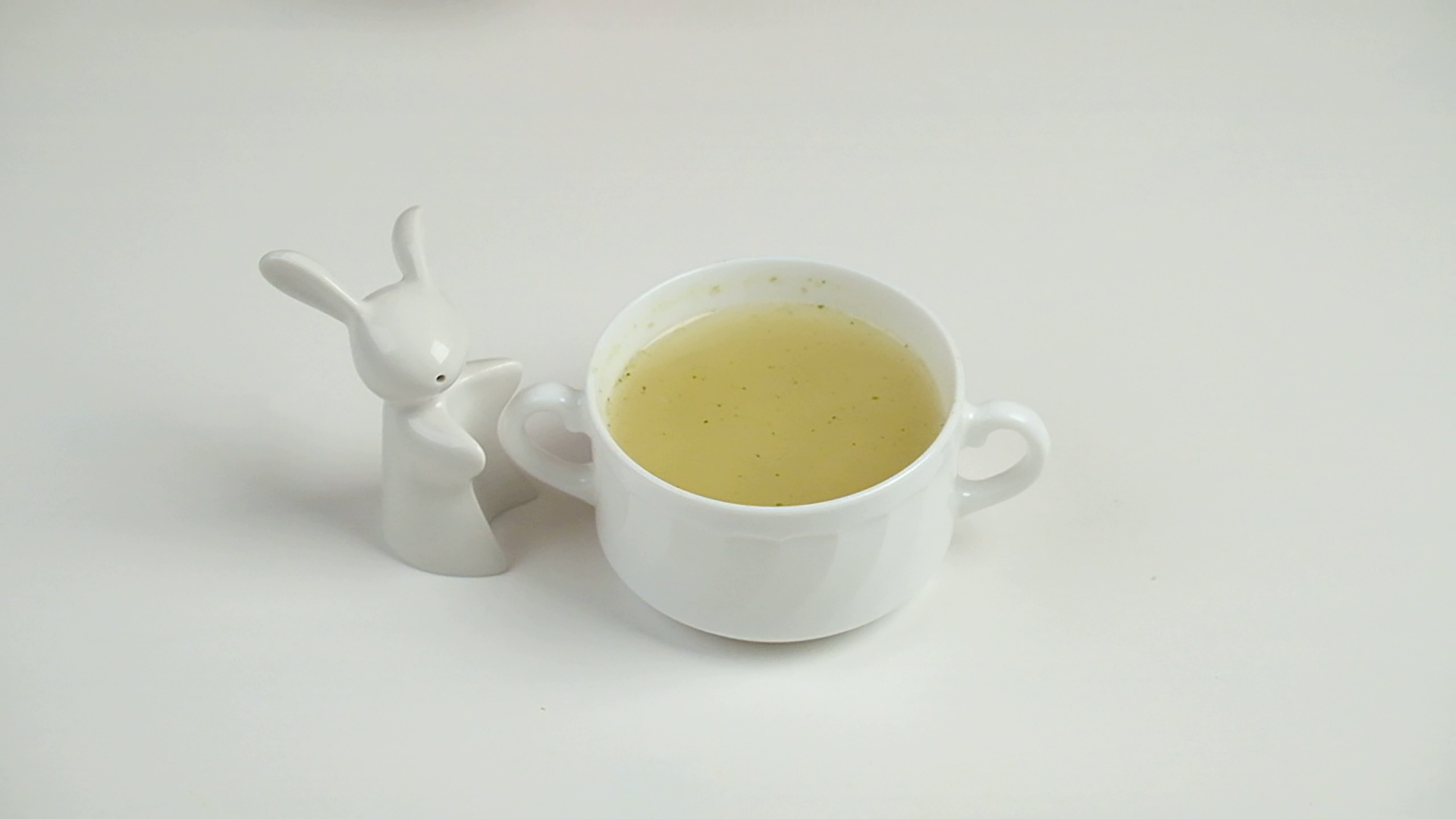
There are few kitchen tragedies as dramatic as tasting a beautiful pot of homemade soup and realizing it has the personality of the Atlantic Ocean. One minute you are a calm, capable home cook. The next, you are staring into a stockpot wondering whether your spoon accidentally fell into a salt mine.
The good news? Salty soup is usually fixable. Not always perfect, not always exactly what you planned, but often very edibleand sometimes even better than before. The trick is understanding what salt does, what it does not do, and why certain old-school “fixes” are more kitchen folklore than culinary science.
This guide breaks down 3 ways to fix salty soup: dilute it, rebalance it, and rebuild it with unsalted ingredients. Along the way, we will talk about potatoes, cream, lemon juice, broth, rice, pasta, beans, and the one habit that prevents most soup disasters: tasting before your soup becomes a sodium-themed escape room.
Why Soup Becomes Too Salty in the First Place
Before rescuing your soup, it helps to know how the soup got into trouble. Soup becomes too salty when the amount of salt is too concentrated for the amount of liquid, vegetables, protein, and starch in the pot. This can happen even if you did not dump in a heroic amount of table salt.
Common culprits include salted broth, bouillon cubes, canned tomatoes, cured meats, bacon, sausage, ham, soy sauce, miso, Parmesan rinds, spice blends, seasoning packets, and even salted butter. Many of these ingredients are delicious. They are also sneaky little sodium ninjas.
Another reason soup gets salty is reduction. When soup simmers, water evaporates. Salt does not. That means a soup that tasted fine after 20 minutes can taste aggressively salty after an hour. The flavor got smaller, but the salt stayed behind like an overcommitted houseguest.
The most important rule is this: salt lightly early, taste often, and make your final adjustment at the end. But if that advice arrives too late and your soup already tastes like regret, keep reading.
Way 1: Dilute the Soup Without Making It Boring
The most reliable way to fix salty soup is dilution. It sounds almost too simple, but it works because it directly lowers the concentration of salt in each spoonful. If the soup is too salty, add more unsalted volume.
Add Unsalted Liquid
Start with the obvious fix: add water, unsalted stock, low-sodium broth, or a homemade unsalted base. Add a little at a time, stir, simmer briefly, and taste again. Do not pour in half a gallon of water unless you are also trying to create a new neighborhood pond.
For brothy soups like chicken noodle, vegetable soup, beef barley, or minestrone, unsalted broth is ideal because it dilutes the salt while keeping the flavor savory. Water works too, but it may flatten the soup. If you use water, be ready to bring flavor back later with herbs, garlic, onion, pepper, acid, or unsalted aromatics.
For example, if your chicken soup is too salty, add one cup of unsalted chicken stock, simmer for five minutes, and taste. If it is still too salty, add another half cup. Small moves are your friend. Soup repair is not a cannonball contest.
Add More Unsalted Soup Ingredients
Dilution does not have to mean liquid only. You can add more unsalted vegetables, beans, grains, pasta, meat, or potatoes. This is often better than adding water because it stretches the soup while preserving body and texture.
If the soup is vegetable-based, toss in more carrots, celery, onions, zucchini, greens, corn, peas, or tomatoes with no added salt. If it is a bean soup, add rinsed low-sodium or no-salt-added beans. If it is a chicken soup, add shredded plain chicken and extra noodles or rice cooked separately without salt.
Here is a practical example: your lentil soup is too salty. Add one can of no-salt-added diced tomatoes, one cup of water, and another cup of cooked lentils. Simmer until everything tastes like it belongs together. Congratulations, you now have more soup and fewer tears.
Make a Mini Unsalted Batch
If the soup is extremely salty, the best rescue may be making a second, smaller unsalted batch and combining the two. This works especially well for chili, stew-like soups, tomato soup, bean soup, and creamy vegetable soups.
You do not need to recreate every step perfectly. If your original soup contains onions, carrots, broth, beans, and herbs, quickly cook a simplified version without salt. Then combine it with the salty batch. This method protects the recipe’s character better than simply dumping water into the pot.
Yes, this creates extra soup. But extra soup is not a punishment. It is tomorrow’s lunch wearing a cape.
Way 2: Balance Salty Flavor With Acid, Fat, or Creaminess
Sometimes the soup is not wildly oversalted. It is just a little too salty on the tongue. In that case, you may not need to dilute the entire pot. You may need to rebalance the flavor.
Balancing does not remove salt. That is important. Lemon juice does not erase sodium. Cream does not chase salt out of the kitchen with a tiny broom. But acid, fat, sweetness, and creaminess can change how your palate experiences saltiness.
Add Acid for Brightness
A splash of acid can make a salty soup taste more balanced. Try lemon juice, lime juice, apple cider vinegar, white wine vinegar, red wine vinegar, or a small amount of tomato product. Acid wakes up dull flavors and can distract the palate from sharp saltiness.
Use acid carefully. Start with one teaspoon per quart of soup, stir well, and taste. Add more only if needed. Too much vinegar can turn your soup into a salad dressing with a heating bill.
Acid works especially well in tomato soup, lentil soup, chicken soup, black bean soup, tortilla soup, vegetable soup, and onion-based soups. Lemon juice is lovely in chicken rice soup. Lime juice is excellent in tortilla soup or black bean soup. A small splash of vinegar can sharpen bean soups and hearty vegetable soups.
Add Dairy or Fat for Softness
Cream, milk, sour cream, yogurt, coconut milk, butter, olive oil, or a swirl of crème fraîche can soften the perception of salt. This is most useful in creamy soups, pureed soups, chowders, curry soups, and tomato-based soups.
If your creamy potato soup is too salty, add more unsalted milk or cream. If your tomato soup tastes too sharp and salty, add a splash of cream or a spoonful of plain yogurt. If your curry soup is too salty, coconut milk can calm things down while adding richness.
Be careful with cheese. Parmesan, cheddar, feta, and other cheeses can make soup taste richer, but they often add more salt. When your soup is already too salty, cheese should not be the first firefighter you call.
Use a Tiny Touch of Sweetness
A small amount of sweetness can round out salty flavor in certain soups, especially tomato-based, spicy, or smoky soups. Think a pinch of sugar, a drizzle of honey, a bit of maple syrup, or naturally sweet vegetables like carrots, squash, corn, or sweet potato.
The keyword is small. You are not baking a cake in a stockpot. Start with a pinch or a quarter teaspoon. Sweetness should support the soup, not announce itself with jazz hands.
This trick is useful for tomato soup that tastes salty and acidic, chili that tastes too salty and smoky, or squash soup that needs a rounder finish. But if your chicken noodle soup is painfully salty, sugar alone will not save it. You need dilution first.
Way 3: Add Starches and Unsalted Bulk the Smart Way
Now we must discuss the legendary potato trick. Many cooks have heard that dropping a raw potato into salty soup will absorb the extra salt. It sounds charming. It sounds rustic. It sounds like something a wise grandmother would say while winning at cards.
The truth is more complicated. Potatoes do absorb liquid, and that liquid contains salt. But potatoes do not selectively remove salt while leaving behind perfect soup. If a potato absorbs salty broth, it absorbs salty broth. The total salt in the pot may not drop much unless you remove a meaningful amount of salty liquid with the potato.
Still, starches can help salty soup when used correctly. They add unsalted bulk, change texture, and make each spoonful taste less concentrated. In other words, starch is not a magic sponge. It is a practical teammate.
Add Potatoes for Body
If the soup style allows it, diced potatoes can help by adding bland, hearty volume. This works well in vegetable soup, chowder, sausage soup, beef stew-style soup, cabbage soup, and creamy purees.
Peel and dice a potato, add it to the soup, and simmer until tender. If the soup is already thick, add a little unsalted liquid as well. Once the potato is cooked, taste again. If you want a smoother soup, mash some of the potato into the broth to thicken it.
If you only have a potato and a dream, you can simmer large peeled potato chunks in the soup and remove them once tender. Just do not expect miracles. Expect mild improvement, especially if the soup was only slightly oversalted.
Add Rice, Pasta, Beans, or Grains
Rice, pasta, farro, barley, beans, lentils, and other starches can rescue soup by expanding the recipe. For best results, cook them separately in unsalted water and add them to the soup at the end. This prevents them from absorbing too much salty broth while cooking.
For chicken soup, add unsalted cooked rice or noodles. For vegetable soup, add cooked barley or farro. For tomato soup, add white beans and puree part of the batch for creaminess. For chili-like soup, add no-salt-added beans or cooked sweet potato.
One warning: pasta and rice continue to absorb liquid as soup sits. If you plan to store leftovers, keep extra starch separate and add it to individual bowls. Otherwise, tomorrow’s soup may become a salty casserole with identity issues.
Serve It With a Plain Side
When the soup is edible but still saltier than you prefer, serve it with something plain: unsalted rice, crusty bread, baked potato, plain noodles, polenta, or a simple green salad. This does not fix the pot itself, but it fixes the eating experience.
A salty bean soup over plain rice can become a satisfying meal. A salty tomato soup with unsalted grilled bread can taste intentional. A slightly salty chicken soup poured over plain noodles may be perfectly acceptable. Sometimes the best repair happens in the bowl, not the pot.
What Not to Do When Soup Is Too Salty
Do Not Keep Adding Random Ingredients
Panic cooking is how soup turns into a biography of your pantry. A little lemon, then sugar, then cream, then potatoes, then rice, then peanut butter because “maybe?”suddenly the soup is not salty, but it is also not food.
Choose one primary strategy. If the soup is very salty, dilute it. If it is mildly salty, balance it. If it needs body, add unsalted bulk. Taste between each adjustment.
Do Not Add Salted Broth
This sounds obvious, but it happens all the time. A cook tries to dilute salty soup with regular boxed broth, not realizing the broth is also salty. Use unsalted stock, low-sodium broth, water, or a quick homemade vegetable broth made without salt.
Do Not Boil Aggressively After Fixing
Once the soup tastes balanced, do not simmer it forever. More evaporation means more concentration. Keep it warm gently or cool it for storage. Your soup has been through enough.
How to Prevent Salty Soup Next Time
The easiest salty soup fix is prevention. Start with unsalted or low-sodium broth whenever possible. Rinse canned beans. Taste cured meats before adding extra salt. Remember that bouillon, soy sauce, miso, fish sauce, Worcestershire sauce, and cheese all bring salt to the party.
Season in stages. Add a small amount of salt when cooking aromatics, taste after adding broth, taste after simmering, and adjust at the end. If the soup will reduce for a long time, keep the early seasoning light.
Also, know your salt. Table salt, kosher salt, and sea salt do not measure the same by volume. One tablespoon of fine table salt can be much saltier than one tablespoon of coarse kosher salt. If a recipe specifies a type of salt, pay attention. Salt is not just salt when measuring spoons get involved.
Food Safety Note for Soup Leftovers
If your rescue mission creates a larger pot of soup, store it safely. Divide leftovers into shallow containers so they cool quickly. Refrigerate perishable soup within two hours. Keep the refrigerator at 40°F or below, and use refrigerated leftovers within three to four days. When reheating soup, heat it thoroughly to 165°F or bring it to a rolling boil on the stovetop.
Freeze extra portions if you cannot eat them in time. Brothy soups, bean soups, lentil soups, and many vegetable soups freeze well. Cream-based soups can sometimes separate after freezing, but they are often still usable if reheated gently and whisked back together.
Extra Kitchen Experience: Real-Life Lessons From Salty Soup Rescues
Every home cook eventually meets the salty soup monster. Mine usually appears when I am multitasking: answering a message, cleaning a cutting board, pretending I can “just eyeball” bouillon, and then wondering why dinner tastes like it was seasoned by a pirate.
The biggest lesson is that not all salty soups need the same fix. A clear chicken noodle soup and a creamy tomato bisque behave differently. With chicken noodle, dilution is usually best. Add unsalted broth, cooked noodles, shredded chicken, and maybe a squeeze of lemon. With tomato bisque, a splash of cream and a tiny pinch of sugar may solve the problem faster than adding cups of water.
Bean soups are among the easiest to rescue because beans welcome expansion. If black bean soup is salty, add no-salt-added beans, a little water, cumin, garlic, and lime juice. Blend a portion to restore thickness. Lentil soup is also forgiving. Add cooked lentils, diced tomatoes, carrots, or spinach, and the pot often comes back to life.
Potato soups require a gentler approach. If the soup is already creamy and thick, adding more potatoes may make it heavy. In that case, add unsalted milk or cream slowly. If the flavor becomes flat, brighten it with chives, black pepper, parsley, or a tiny splash of vinegar. Do not reach for bacon as the fix. Bacon is delicious, but in salty soup it is basically wearing a villain cape.
One surprisingly useful habit is tasting the soup with the food you plan to serve beside it. A soup that tastes too salty alone may taste balanced with plain rice, unsalted bread, or a baked potato. This is especially true for bold soups like chili, gumbo-style soups, sausage soups, and spicy tomato soups. The bowl matters.
Another experience-based tip: let the soup rest for a few minutes before making the final judgment. Very hot food can dull your perception of flavor, and salt may hit differently once the soup cools slightly. Take a spoonful, blow on it, taste carefully, and decide. Do not judge a boiling-hot soup while your tongue is filing a formal complaint.
When fixing soup for guests, avoid dramatic announcements. Do not say, “Everyone, I nearly destroyed dinner, but please enjoy this chemically rebalanced soup.” Just serve it with confidence. Add fresh herbs, a drizzle of olive oil, a swirl of cream, or a squeeze of citrus. Presentation has saved many meals that were emotionally unstable five minutes earlier.
Finally, keep a few rescue ingredients on hand: unsalted broth, no-salt-added canned beans, plain rice, potatoes, lemons, vinegar, cream, and fresh herbs. These ingredients are the kitchen equivalent of a spare tire. You hope you do not need them, but when soup trouble arrives, you will be glad they are there.
Conclusion: Salty Soup Is Annoying, Not Hopeless
Learning how to fix salty soup is really learning how flavor works. Salt concentration can be lowered by dilution. Salty taste can be softened with acid, fat, creaminess, or a tiny touch of sweetness. Starches and plain sides can stretch the soup and make each bite more balanced.
The best fix depends on how salty the soup is and what kind of soup you are making. For a mild problem, try acid or cream. For a serious salt emergency, add unsalted liquid and ingredients. For a thick, hearty soup, expand it with potatoes, beans, rice, pasta, or vegetables.
And next time? Taste as you go. Use unsalted broth when possible. Add salty ingredients carefully. Remember that simmering concentrates flavor. Your soup does not need to be timid, but it also should not taste like it challenged the ocean to a duel and won.