Tulle is the fabric equivalent of a daydream: floaty, sheer, dramatic, and always one accidental snag away from making you question your life choices. It shows up in wedding veils, tutus, costumes, gift décor, party backdrops, bows, table skirts, photo props, and enough Pinterest projects to keep a craft room mildly chaotic for years.
But what happens when your tulle is the wrong color? Maybe the white is too bright, the pink is too bubblegum, the ivory looks suspiciously yellow, or you need ten yards of dusty blue and the store only has “mermaid lagoon.” Good news: you can dye tulle at home. Slightly trickier news: tulle is usually made from synthetic fibers like polyester or nylon, which means it does not always behave like cotton. In other words, you cannot toss it into a bowl of random dye and expect fairy-godmother results.
This guide explains 3 ways to dye tulle: using synthetic fabric dye, using acid dye for nylon or silk tulle, and tinting tulle with fabric paint or spray color. You will also learn how to identify your fiber, prevent blotchy color, protect the delicate netting, and avoid turning your kitchen into a tiny textile crime scene.
Before You Dye Tulle: Know What You Are Working With
The most important step in dyeing tulle happens before you open the dye bottle: figure out what the tulle is made of. Tulle can be polyester, nylon, silk, rayon, or a blend. Most inexpensive craft tulle is polyester or nylon. Bridal-quality tulle may be nylon, silk, or specialty synthetic netting. Each fiber accepts dye differently.
Why Fiber Content Matters
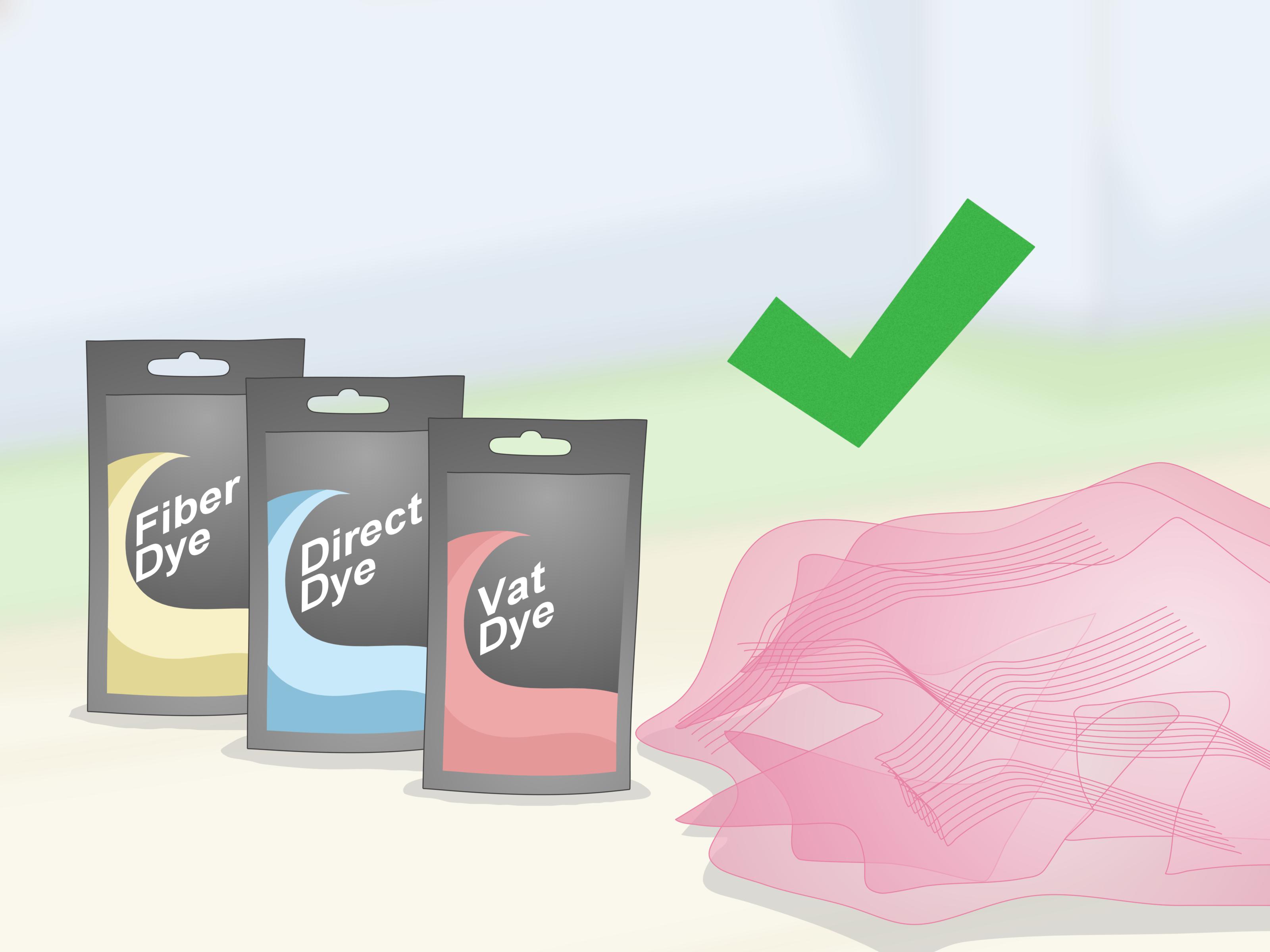
Polyester is durable, affordable, and common, but it is stubborn when it comes to dye. It typically needs a dye formulated for synthetic fibers and high heat to bond properly. Nylon dyes more easily than polyester and often accepts acid dye or all-purpose dye more strongly. Silk tulle is more delicate and can take acid dye beautifully, but it needs gentle handling. Cotton tulle exists, but it is less common and behaves more like other natural plant fibers.
Check the bolt label, packaging, receipt, or product description. If the label says “100% polyester,” choose a synthetic dye method. If it says “100% nylon,” you have more options. If it says “silk,” treat it like royalty: carefully, gently, and with no aggressive stirring.
Do a Swatch Test First
Always test a small piece before dyeing the whole project. Tulle is sheer, so color looks lighter on one layer and darker when gathered, folded, or layered. A pale lavender swatch may turn into “purple thundercloud” once you stack eight layers for a tutu. A swatch helps you check color, heat tolerance, shrinkage, stiffness, and whether the dye actually bonds.
Cut a small sample, dye it using the same method and timing you plan to use, rinse it, let it dry completely, and view it in natural light. Wet fabric almost always appears darker than dry fabric. Do not judge the final shade while it is dripping over the sink like a dramatic soap opera character.
Supplies You May Need
Your exact supply list depends on the method, but most tulle dyeing projects use the following basics:
- White or light-colored tulle
- Fabric dye, acid dye, synthetic dye, or fabric paint
- Stainless steel pot or heat-safe container
- Long spoon or tongs used only for crafts
- Rubber gloves
- Mild detergent or textile detergent
- White vinegar for nylon or acid-dye methods
- Plastic table covering or old towels
- Mesh laundry bag or loose fabric ties
- Drying rack or clothesline
Use tools that will not return to food duty. Dye can stain, and even when a product is labeled household-safe, your spaghetti sauce does not need a side quest.
Way 1: Dye Tulle With Synthetic Fabric Dye
This is the best method for polyester tulle and many polyester-blend tulles. Synthetic fabric dye is designed for fibers that regular all-purpose dye struggles to color. If you want the most durable result on polyester, start here.
Best For
Use synthetic dye for polyester tulle, polyester-blend tulle, costume tulle, craft netting, and projects where you want more permanent color than a surface tint. It is especially useful for deeper colors like navy, burgundy, emerald, charcoal, or black, though polyester may still produce a softer shade than expected.
Step-by-Step Instructions
- Prewash the tulle. Wash it gently with mild detergent to remove sizing, dust, body oils, or finishes that can block dye. Rinse well.
- Prepare the dyebath. Fill a stainless steel pot with enough water for the tulle to move freely. Crowding the fabric is one of the fastest routes to blotches.
- Heat the water. Synthetic dyes generally need very hot water, often near simmering. Follow the dye manufacturer’s instructions carefully.
- Add dye and a little dish detergent. The detergent helps the dye move through the water more evenly.
- Wet the tulle first. Pre-wetted fabric enters the dye more evenly than dry fabric.
- Add the tulle slowly. Lower it into the pot and gently stir. Do not attack it like soup. Tulle snags easily.
- Keep it moving. Stir gently and frequently so the dye reaches all layers.
- Leave it in long enough. Polyester often needs at least 30 minutes in a hot dyebath. For darker shades, it may need longer.
- Rinse gradually. Rinse in warm water first, then cooler water, until the water runs mostly clear.
- Dry carefully. Hang or lay flat. Avoid high dryer heat unless the fabric label says it is safe.
Tips for Better Color
Use enough water. Tulle may be lightweight, but it traps air and folds into itself. If it cannot move, the color may land unevenly. For large pieces, dye in sections or use a very large pot. Keep the fabric submerged with gentle pressure from a spoon, but do not crush it into the bottom of the pot.
For ombré tulle, dip only the lower section into the dyebath first. After a few minutes, lower more fabric into the pot. The bottom will have the longest dye time and become darkest, while the upper area stays lighter. This technique looks gorgeous on veils, table skirts, costume layers, and fairy-style dresses.
Common Mistakes With Synthetic Dye
The biggest mistake is using regular dye on polyester and expecting a rich color. All-purpose dye may barely tint polyester, especially if the water is not hot enough. Another mistake is removing the tulle too soon. Polyester is not a “quick dip and done” fiber. Give it time, heat, and movement.
Also, avoid boiling delicate tulle aggressively. Some synthetic netting can warp, soften, or become limp under excessive heat. Keep the water hot, but monitor the fabric. If the netting begins to distort, remove it and rinse.
Way 2: Dye Nylon or Silk Tulle With Acid Dye
If your tulle is nylon or silk, acid dye can give beautiful, vibrant results. Despite the dramatic name, acid dye does not mean you are creating a villain’s laboratory. The “acid” is usually white vinegar or citric acid, which helps the dye bond to protein fibers like silk and to nylon.
Best For
This method is best for nylon tulle, silk tulle, and some specialty tulles labeled dyeable. Nylon usually accepts acid dye quickly and intensely, so begin with less dye than you think you need. Silk can produce elegant, luminous color, but it is delicate and should be handled with patience.
Step-by-Step Instructions
- Prewash the tulle. Use mild detergent and rinse thoroughly.
- Soak the fabric. Wet tulle takes dye more evenly.
- Mix the dye separately. Dissolve powdered acid dye in hot water according to the product directions. Wear a mask when handling dye powder so you do not inhale it.
- Fill the dye pot. Use enough water for the tulle to move freely.
- Add dye to the pot. Stir until evenly distributed.
- Add the wet tulle. Move it gently so all areas are exposed.
- Heat gradually. Bring the bath up to the recommended temperature, usually hot but not violently boiling.
- Add vinegar gradually. Do not pour vinegar directly onto the fabric. Add it to the water and stir so it disperses.
- Maintain heat and stir gently. Allow 20 to 60 minutes depending on depth of color.
- Cool, rinse, and wash lightly. Let the bath cool before handling delicate tulle. Rinse until clear and dry away from harsh heat.
How to Control Shade
Acid dye can be bold, especially on nylon. For a blush, champagne, pale blue, or barely-there gray, use a tiny amount of dye and a short dye time. For saturated costume colors, increase dye concentration and time. Keep notes: dye amount, water amount, vinegar amount, time, temperature, and fabric weight. Future you will appreciate this more than you know.
If the color looks uneven, the tulle may have been folded too tightly or added dry. Stir gently from the beginning and make sure the fabric has space. If you want intentional variation, scrunch or tie the tulle loosely before dyeing for a cloudy, watercolor effect.
Can You Use Food Coloring?
Food coloring can tint nylon in some craft projects because it behaves similarly to an acid dye when used with vinegar and heat. However, it is less predictable and may not be as washfast or lightfast as proper textile dye. It is better for temporary decorations, photo props, party crafts, or experimentsnot for heirloom veils or clothing that must survive washing.
Way 3: Tint Tulle With Fabric Paint, Spray Color, or Dye-Like Textile Paint
Sometimes you do not need a full dye bath. Maybe you want gold edges, smoky ombré layers, pastel speckles, galaxy tulle, fairy wings, or a quick color shift for event décor. In those cases, fabric paint, fabric spray, or dye-like textile paint can be the easiest way to color tulle.
Best For
This method is best for decorative tulle, costumes, backdrops, wings, wreaths, bows, and projects where surface color is acceptable. It is also useful when you cannot expose the fabric to high heat or when the tulle is attached to something that cannot be submerged.
Step-by-Step Instructions
- Protect your workspace. Lay down plastic, cardboard, or an old sheet.
- Stretch or spread the tulle. Tape it lightly or pin it to cardboard so it does not bunch.
- Choose a light application. Tulle is full of holes, so heavy paint can clog the mesh and make it stiff.
- Spray or brush in layers. Several light passes look better than one heavy blast.
- Let each layer dry. This helps you control the shade and avoid sticky buildup.
- Heat-set if required. Some fabric paints need ironing or curing. Use the lowest safe heat for the fabric and place a pressing cloth between the iron and tulle.
- Test flexibility. Once dry, crumple and shake the tulle gently. If it feels too stiff, use less paint next time.
How to Create an Ombré Effect
Hang the tulle vertically and spray the bottom edge first. Keep the color strongest at the hem, then move upward with lighter passes. Stand back slightly so the spray disperses softly. For a smoother fade, use a damp sponge to blur the transition while the paint is still wet.
How to Add Speckles or Fairy-Dust Color
Place the tulle flat on a covered surface. Dip a stiff brush into diluted fabric paint, then flick it gently over the fabric. Practice on paper first unless you enjoy surprise polka dots on your wall. Metallic paints can look lovely on costume tulle, but use them sparingly because they can stiffen the netting.
Which Method Should You Choose?
Choose synthetic dye if your tulle is polyester and you want the color to bond as well as possible. Choose acid dye if your tulle is nylon or silk and you want rich, even color. Choose fabric paint or spray if you want surface effects, ombré finishes, quick decorative color, or artistic control.
For wedding veils, bridal overlays, or any sentimental project, swatch test twice. Tulle is inexpensive until it is attached to a gown, a deadline, or someone’s emotional support mood board. For costumes, party décor, and crafts, you can be more playful. The lower the stakes, the more room you have to experiment.
How to Wash and Care for Dyed Tulle
After dyeing, rinse the tulle thoroughly and let it dry completely before storing or sewing. If the item will be worn, hand wash it separately the first time. Use cool water and mild detergent. Avoid bleach, harsh stain removers, and high heat. Store dyed tulle away from direct sunlight because some colors may fade over time.
If the tulle is part of a garment, test for color transfer before it touches lighter fabrics. Rub a damp white cloth over the dyed tulle. If color transfers, rinse again or treat the project as decorative only. Nobody wants a navy tutu leaving evidence on a white sofa.
Safety Notes for Dyeing Tulle at Home
Work in a ventilated area, wear gloves, and follow the dye package instructions. Do not use dye pots or utensils for food afterward. Keep dye powder away from your face, and avoid inhaling it. If you are dyeing with heat, move slowly and protect your hands from steam. Hot dye water has no respect for optimism.
When dyeing synthetic fabric, remember that some tulle can melt or distort at high temperatures. Keep an eye on the texture. If the mesh begins to shrink, curl, or lose shape, remove it from the bath immediately. A slightly lighter color is better than a melted craft pancake.
Experience Notes: What Actually Helps When Dyeing Tulle
After working with tulle in real craft situations, one lesson becomes obvious: the fabric looks delicate, but the project planning needs to be sturdy. Tulle is transparent, layered, slippery, and full of tiny openings, so dyeing it is less like dyeing a T-shirt and more like coloring a cloud that refuses to sit still.
The first practical experience tip is to buy more tulle than you think you need. Even if your dye job goes well, trimming, testing, and correcting color can eat up yardage quickly. If you need five yards for a skirt, buy extra for swatches and mistakes. Dyeing one tiny test square can save the entire project from turning the wrong shade of “oops.”
The second tip is to untangle and open the tulle before dyeing. Tulle loves to fold into ropes and trap pale streaks inside the folds. Before placing it in the dyebath, shake it out, wet it thoroughly, and lower it slowly. During dyeing, lift and stir gently so the color reaches hidden layers. Do not stir aggressively. Tulle can snag on rings, rough spoons, pot edges, or even dry fingernails. Smooth gloves and rounded utensils are your friends.
The third tip is to think in layers. One layer of dyed tulle may look barely colored, while ten layers can look rich and moody. This matters for tutus, veils, chair sashes, and backdrops. When testing color, fold the swatch into the same number of layers the final project will use. A whisper-pink single layer may become a perfect ballet blush when gathered. A medium purple may become a theatrical grape explosion after layering. Neither is wrong, but only one may match your plan.
The fourth tip is to dry the tulle before making decisions. Wet tulle lies. It often looks darker, heavier, and sadder than it will when dry. Hang it, let air move through it, and wait until it is fully dry before deciding whether to dye it again. If the color is too pale, you can usually repeat the dye bath. If it is too dark, correcting it is harder, especially with synthetics. Start lighter when possible.
The fifth tip is to avoid rushing ombré effects. A beautiful fade comes from patience, not panic dipping. Start with the deepest section, then gradually lower more fabric into the dye or apply spray color in thin layers. Keep the transition soft by moving the fabric or spray slowly. Hard lines can look stylish if intentional, but accidental stripes may make the tulle look like it lost a fight with a highlighter.
The sixth tip is to match the method to the project’s purpose. For a washable costume or garment, dye is usually better than paint. For a photo backdrop, party arch, wreath, or fairy wings, spray color or textile paint may be faster and more controllable. For a bridal veil, use extreme caution and test on the exact same fabric first. Better yet, dye the fabric before cutting and sewing the final piece.
Finally, keep notes. Write down the brand of dye, fiber content, water temperature, dye time, vinegar amount, and final result. Craft memory is unreliable, especially when you are surrounded by wet fabric and three shades of pink that all look the same until they dry. Notes help you repeat a successful color later, or at least avoid repeating the same disaster with confidence.
Conclusion
Dyeing tulle is completely possible, but it rewards patience, testing, and choosing the right method for the fiber. Polyester tulle usually needs synthetic dye and high heat. Nylon and silk tulle can respond beautifully to acid dye. Decorative tulle can be transformed with fabric paint, spray color, or dye-like textile paint when you want artistic effects instead of full fiber penetration.
The secret is simple: identify the fiber, test a swatch, use gentle movement, and remember that tulle changes color visually when layered. With the right approach, you can turn plain netting into dreamy veils, dramatic tutus, custom party décor, ombré backdrops, and costume pieces that look far more expensive than they were. And if the first test comes out weird? Congratulationsyou are not failing. You are gathering data, but with gloves on.
Note: This publish-ready article is based on real fabric-dye practices and current manufacturer-style guidance for dyeing synthetic, nylon, and silk fabrics. Always follow the specific instructions on the dye or fabric paint product you use.