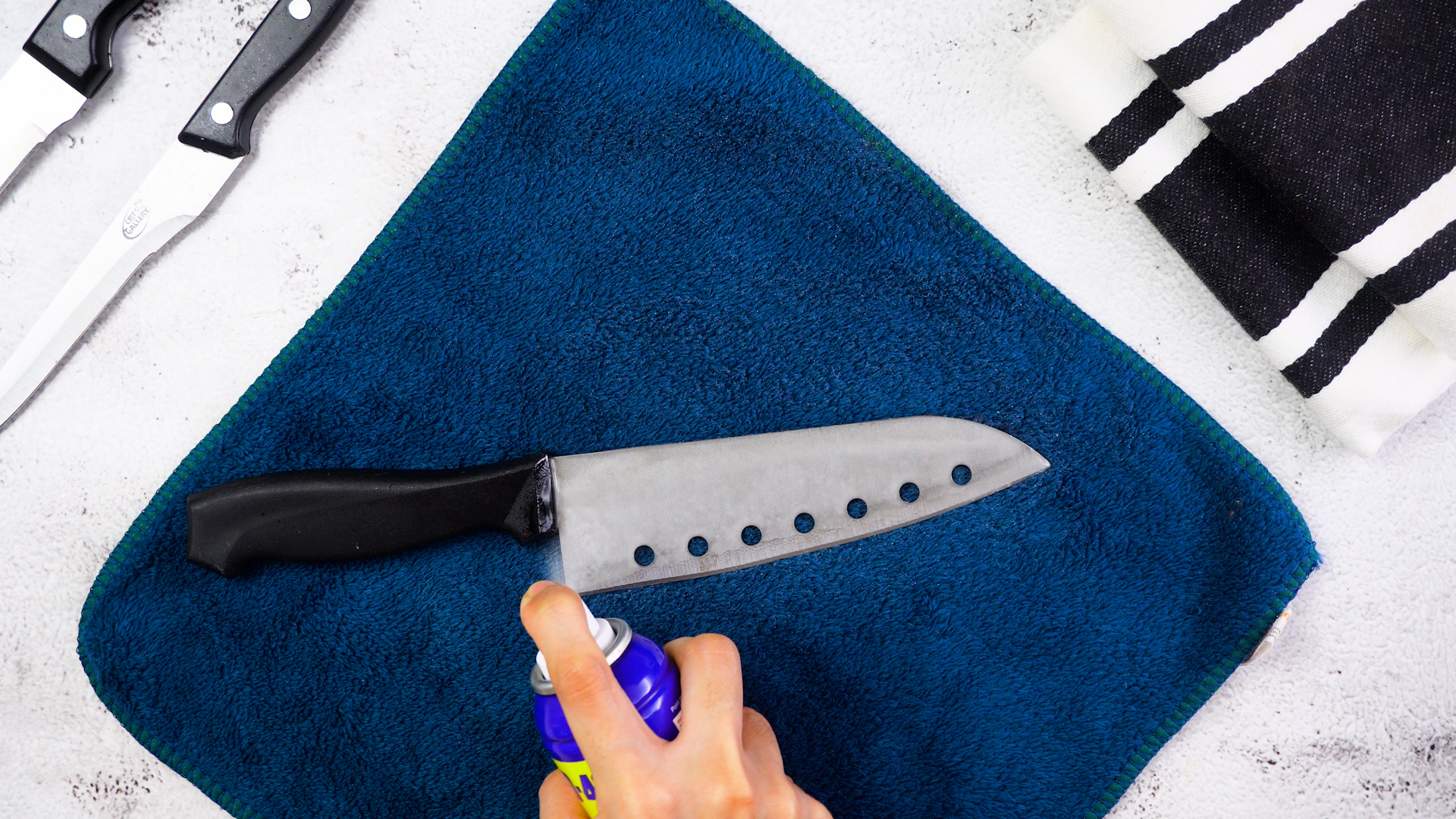
Rust on a blade is one of those tiny household dramas that feels more serious than it usually is. One day your favorite kitchen knife, pocket knife, garden blade, or camping tool looks sharp and dependable. The next day, it has little orange freckles like it spent the night at a very humid beach party. The good news? Most light surface rust can be removed at home with simple ingredients, a gentle hand, and a little patience.
This guide covers 3 easy ways to remove rust from a blade: baking soda paste, white vinegar or lemon juice, and careful polishing followed by protective oiling. These methods work best for surface rust, small spots, and early discoloration. If a blade has deep pits, cracks, a loose handle, or heavy corrosion near the cutting edge, it may need professional repair or replacement. A rusty blade can often be rescued, but a dangerous blade should be retired with dignity.
Before you start, remember the golden rule: go slowly. Rust removal is not a wrestling match. Scrubbing like you are trying to erase a parking ticket can scratch the blade, damage coatings, dull the edge, or make a collectible knife lose value. The goal is to lift the rust, clean the metal, dry it completely, and prevent the rust from coming back for an encore performance.
Why Blades Rust in the First Place
Rust is the result of iron in steel reacting with oxygen and moisture. Even stainless steel can rust under the wrong conditions because “stainless” means rust-resistant, not magical. Carbon steel blades are especially vulnerable because they usually lack the same chromium-rich protective layer that helps stainless steel fight corrosion.
The usual suspects are easy to identify: leaving a knife wet in the sink, storing a blade in a damp sheath, washing knives in the dishwasher, cutting acidic foods and not cleaning the blade afterward, or letting salty residue sit on metal. Outdoor blades also face sap, soil, sweat, rain, and humidity. In other words, blades rust because life is messy and water is sneaky.
Before You Remove Rust: Safety and Setup
Start by cleaning the blade with mild dish soap and warm water. Remove grease, food residue, dirt, or sap so your rust-removal method can work directly on the corrosion. Dry the blade with a clean towel before applying any treatment unless the method specifically uses water.
For kitchen knives, keep food safety in mind. After rust removal, wash the knife thoroughly before using it on food. If you use a commercial polish or rust remover, confirm whether it is safe for food-contact surfaces. When in doubt, use a food-safe method and finish with food-grade mineral oil or another appropriate blade-safe oil.
Basic Supplies You May Need
- Baking soda
- Water
- White vinegar or lemon juice
- Table salt
- Soft sponge, cloth, toothbrush, or non-metallic scouring pad
- Microfiber towel or clean cotton towel
- Food-grade mineral oil for kitchen blades
- Knife lubricant or light oil for folding knives and outdoor blades
Avoid steel wool unless you understand the risk. It can scratch the blade, leave tiny steel particles behind, and create more rust later. Also avoid bleach, harsh abrasives, and long soaking sessions, especially on thin knife edges, coated blades, wooden handles, or folding knives with pivots.
Method 1: Remove Rust from a Blade with Baking Soda Paste
Baking soda is the friendly neighborhood option for light rust. It is mildly abrasive, inexpensive, easy to control, and usually gentle enough for many kitchen knives and tools. It works especially well when the rust appears as small orange dots or thin surface stains.
Best For
Use baking soda paste for light rust on stainless steel knives, carbon steel kitchen knives, pocket knife blades, small garden tools, scissors, and utility blades. It is also a good first method because it gives you more control than soaking the blade in acid.
Step-by-Step Instructions
- Clean the blade first. Wash with mild dish soap and warm water, then dry it.
- Make a thick paste. Mix baking soda with a small amount of water until it looks like toothpaste.
- Apply the paste. Cover the rusty spots and let the paste sit for 10 to 20 minutes.
- Scrub gently. Use a soft sponge, toothbrush, cloth, or non-metallic pad. Move with the grain of the blade when possible.
- Rinse and inspect. Wash away the paste and check the blade. Repeat once if needed.
- Dry completely. Wipe the blade immediately with a towel. Moisture is how this whole little orange disaster started.
- Oil lightly. Apply a thin coat of food-grade mineral oil for kitchen knives or suitable knife oil for pocket and outdoor blades.
Pro Tip
If the blade has decorative finishes, engraving, a dark coating, or a forced patina, test the paste on a small area first. Baking soda is mild, but friction is still friction. A gentle touch wins here.
Method 2: Remove Rust with White Vinegar, Lemon Juice, or Salt
Acidic ingredients can help dissolve light rust. White vinegar contains acetic acid, while lemon juice contains citric acid. Both can loosen rust so it wipes or scrubs away more easily. This method is effective, but it requires timing. Leaving a blade in acid too long can discolor, etch, or pit metal, especially on thin edges and carbon steel.
Best For
This method is useful for small patches of stubborn rust, neglected kitchen knives, carbon steel blades, and utility blades that did not fully respond to baking soda. It is not ideal for knives with delicate finishes, glued handles, wood handles that may absorb liquid, or folding knives where liquid can creep into the pivot.
Option A: White Vinegar Spot Treatment
- Soak a cloth or paper towel in white vinegar.
- Wrap or press it only against the rusty part of the blade.
- Let it sit for 5 to 15 minutes for light rust.
- Scrub gently with a soft pad or toothbrush.
- Rinse well, wash with dish soap, and dry immediately.
- Finish with a light coat of appropriate oil.
For a heavily rusted tool blade, a short soak may help, but be careful with kitchen knives and folding knives. Do not soak wooden handles, pivots, or sheaths. A blade is not pasta; it does not need a long bath.
Option B: Lemon Juice and Salt
- Sprinkle a small amount of salt over the rusty area.
- Add enough lemon juice to dampen the salt.
- Let the mixture sit for 5 to 10 minutes.
- Scrub lightly with a soft cloth or sponge.
- Wash, rinse, dry, and oil the blade.
The salt adds gentle abrasion, while the lemon juice helps loosen oxidation. Use this method carefully and briefly. Salt can encourage corrosion if left behind, so rinse and dry thoroughly.
Important Warning
Do not mix vinegar or lemon juice with bleach or harsh chemical cleaners. Also, do not assume “more time equals better cleaning.” With blades, more time in acid can mean more damage. Short contact, gentle scrubbing, and immediate drying are the smart moves.
Method 3: Polish the Rust Away and Protect the Blade with Oil
When rust spots are stubborn but still shallow, careful polishing can remove what baking soda or vinegar leaves behind. This does not mean attacking the blade with the roughest thing under your sink. It means using the least aggressive polishing tool that works.
Best For
Use polishing for outdoor knives, pocket knives, machetes, garden blades, and work blades with persistent surface rust. For valuable collector knives, antique blades, or expensive chef’s knives, consider professional service before polishing. Removing rust can also remove history, finish, and value.
Step-by-Step Instructions
- Clean the blade. Remove dirt and residue with mild soap and water, then dry.
- Choose a gentle polishing tool. Start with a non-metallic scouring pad, polishing cloth, or fine metal polish suitable for blades.
- Work slowly. Rub only the rusty area, following the blade grain when visible.
- Stay away from the edge. Avoid rounding or dulling the cutting edge unless you plan to sharpen afterward.
- Wipe residue away. Clean the blade thoroughly after polishing.
- Dry completely. Pay attention to the pivot, handle seams, and spine.
- Oil the blade. Use a thin layer, then wipe off excess so the blade is protected but not greasy.
What Oil Should You Use?
For kitchen knives, food-grade mineral oil is a popular choice because it is safe for food-contact tools and does not turn sticky like some cooking oils can. For folding knives and outdoor blades, use a knife lubricant, light machine oil, or manufacturer-recommended product. If the blade touches food, choose food-safe oil.
How to Prevent Rust from Coming Back
Rust prevention is easier than rust removal. After every use, clean the blade, dry it completely, and store it in a dry place. If the blade is carbon steel, add a very light coat of oil before storage. If it is a folding knife, make sure the pivot area is dry before closing it.
Do Not Leave Blades Wet
Water is the villain in this story. Do not leave knives soaking in the sink, sitting in a wet dish rack overnight, or sealed in a damp sheath. Dishwashers are especially rough on knives because they combine moisture, heat, detergent, movement, and prolonged exposure. That is basically a tiny rust spa with a rinse cycle.
Store Blades Correctly
Use a knife block, magnetic strip, blade guard, dry drawer insert, toolbox, or sheath that allows the blade to stay clean and dry. For outdoor knives, do not store the blade long-term in a leather sheath if the environment is humid. Leather can hold moisture against metal.
Respect Carbon Steel
Carbon steel blades are loved because they can take a sharp edge and are often easy to maintain, but they need attention. Dry them right after use. Oil them occasionally. Understand the difference between patina and rust: patina is usually gray, blue, or dark and can help protect the metal; rust is orange-red and destructive.
Common Mistakes When Removing Rust from a Blade
Scrubbing Too Hard
Aggressive scrubbing can leave permanent scratches or damage a blade coating. If rust does not come off after a gentle method or two, it may be deeper than surface rust.
Soaking Too Long
Long vinegar soaks can damage thin edges, affect finishes, and create discoloration. Use acids carefully and rinse thoroughly.
Forgetting the Handle
Wood handles can swell, crack, or loosen if soaked. Folding knives can trap liquid inside. Always control where your cleaner goes.
Skipping the Final Oil
Freshly cleaned metal needs protection. A thin film of oil helps block moisture and slows oxidation. This step takes seconds and can save you from repeating the whole rust-removal routine next week.
Real-World Experience: What Actually Works Best?
In everyday use, baking soda paste is usually the best first move. It is simple, cheap, and forgiving. For a kitchen knife with a few rust freckles near the heel or spine, a 15-minute baking soda treatment and gentle scrub often solves the problem. It is also less likely to create new issues compared with aggressive acid soaking.
Vinegar and lemon juice are better when rust has settled in a little more firmly. For example, if a carbon steel blade sat damp after slicing tomatoes or citrus, light orange marks may cling to the surface. A short vinegar spot treatment can loosen them quickly. The trick is not to wander away and forget the blade. This is not the time to start a movie, make coffee, and rediscover the knife at lunchtime.
Polishing is the “last gentle step” before professional help. It is useful for pocket knives, garden blades, or camping tools that have seen real-world abuse. A soft polishing cloth or non-metallic pad can remove stubborn specks and restore a smoother surface. However, polishing changes the blade surface slightly, so it should be done with control. On collectible knives, less cleaning is often better than over-cleaning.
One practical example: imagine a chef’s knife left on a damp cutting board overnight. The rust appears as small dots, not deep craters. The best approach is to wash and dry it, apply baking soda paste, wait 15 minutes, scrub gently, rinse, dry, and oil. That knife probably comes back looking nearly normal. Now imagine a garden knife stored in a wet shed all winter. It may need vinegar treatment, polishing, sharpening, and oiling. Same rust family, different level of drama.
Another experience-based lesson: prevention beats rescue every time. A blade wiped dry immediately after washing rarely develops serious rust. A blade left “just for a minute” in a sink often becomes tomorrow’s cleaning project. The tiny habit of drying and oiling is less exciting than rust removal, but it is far more effective. Think of it as sunscreen for steel.
For kitchen knives, avoid using cooking oils as long-term blade protectants. Some can become sticky or rancid. Food-grade mineral oil is cleaner and more reliable. For folding knives, a small drop of proper knife lubricant in the pivot keeps the action smooth and helps protect hidden metal parts. Wipe away extra oil because dust loves oil the way cats love cardboard boxes.
The biggest lesson is patience. Rust removal should feel like careful restoration, not battle. Start mild, inspect often, and stop as soon as the rust is gone. The blade does not need to look brand-new to be healthy. A few honest marks are fine. Active orange rust is what you want to remove.
Conclusion
Learning how to remove rust from a blade is easier than it looks. For light rust, start with baking soda paste. For stubborn spots, use a short vinegar or lemon treatment. For persistent surface corrosion, polish carefully and protect the blade with a thin coat of oil. The real secret is not just removing rust; it is preventing the sequel.
Clean your blade after use, dry it immediately, store it somewhere dry, and oil it when needed. Whether you are caring for a chef’s knife, pocket knife, hunting knife, garden blade, or camping tool, these small habits keep the steel ready for work. Rust may be annoying, but with the right method, it does not get the final word.
Note: This guide is intended for light surface rust and general blade maintenance. Deep pitting, cracked blades, loose handles, damaged folding mechanisms, or corrosion on food-contact tools may require professional repair or safe replacement.