Spotting a turtle is one of those small outdoor moments that can make an ordinary walk feel like a nature documentaryminus the dramatic music and British narrator. Maybe you found one crossing a road after rain, saw a row of turtles sunbathing on a log, or noticed a mysterious shelled visitor in your yard. The big question arrives quickly: what kind of turtle is it?
Learning how to identify turtles does not require a biology degree, a magnifying glass, or the ability to whisper “herpetology” with confidence. Most people can make a solid turtle identification by focusing on three simple clues: the shell, the head and body markings, and the habitat where the turtle was found. These clues work because turtles are built like living field guides. Their shells, colors, ridges, stripes, feet, and behavior often reveal whether you are looking at a painted turtle, box turtle, snapping turtle, softshell turtle, map turtle, slider, cooter, mud turtle, musk turtle, or even a sea turtle.
This guide breaks down the easiest ways to identify turtles in standard, practical language. You will learn what to look for, what not to touch, and how to observe turtles respectfully without stressing them out. Think of it as a friendly field guide for curious walkers, backyard naturalists, parents, students, photographers, and anyone who has ever pointed at a pond and said, “Waitwas that a rock with legs?”
Why Turtle Identification Matters
Identifying turtles is not just a fun nature hobby. It can help protect wildlife. Many turtle species are sensitive to habitat loss, road traffic, illegal collection, pollution, and invasive species competition. Some turtles are common and adaptable, while others are rare, protected, or declining in specific regions. Knowing what you saw can help you report unusual sightings to local wildlife agencies, avoid accidentally disturbing protected species, and better understand the ecosystem around you.
Turtles also have very different lifestyles. A box turtle found in a shady woodland is not looking for the same environment as a softshell turtle in a sandy river. A snapping turtle crossing a road should not be handled like a small painted turtle. A sea turtle on a nesting beach requires an entirely different level of caution and distance. Identification gives you context, and context keeps both you and the turtle safer.
Way 1: Study the Shell Shape, Texture, and Pattern
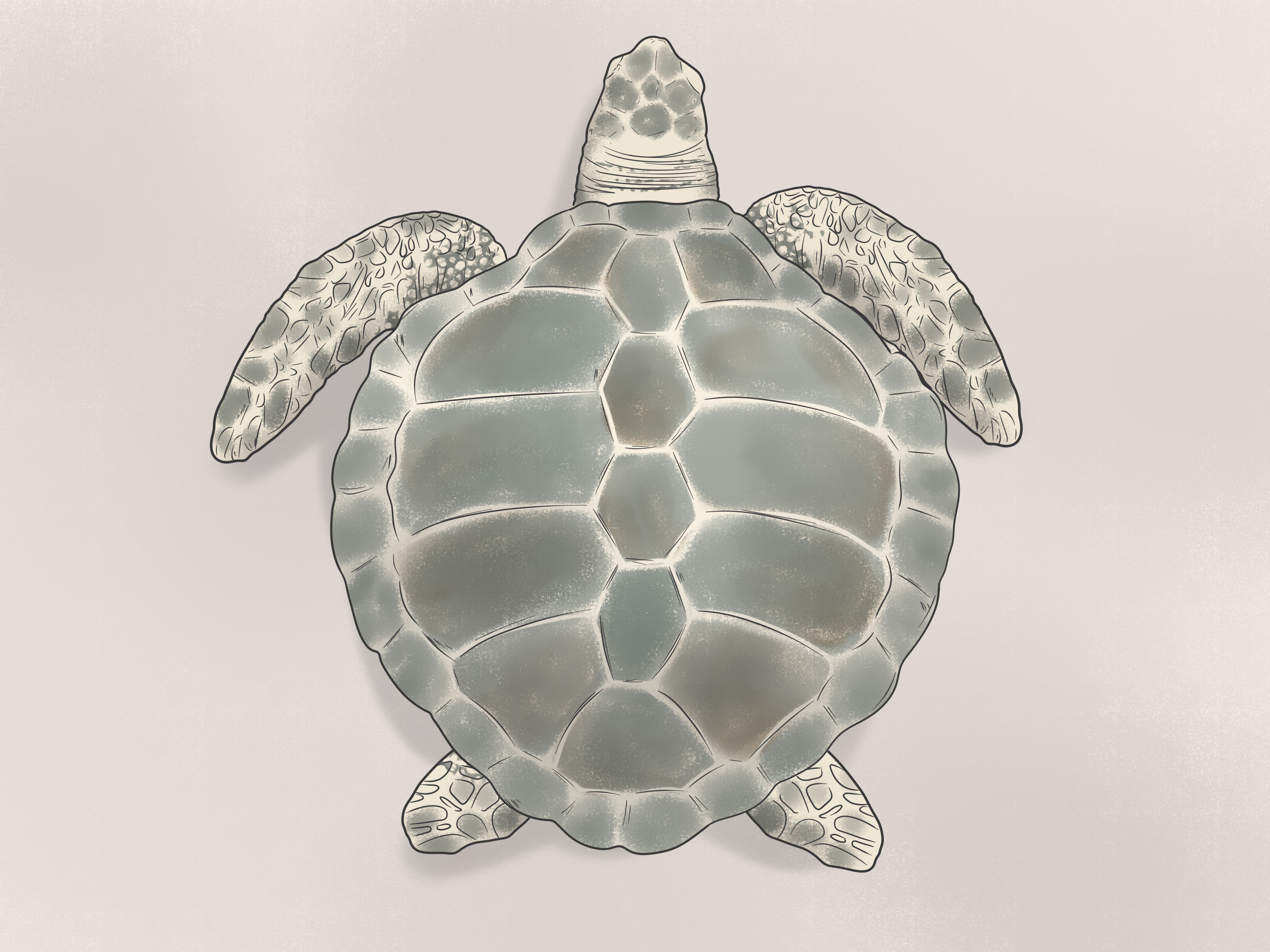
The shell is the best place to start when identifying turtles. It is basically the turtle’s calling card, backpack, armor, and fashion statement all in one. A turtle shell has two major parts: the carapace, which is the upper shell, and the plastron, which is the lower shell. In many species, the shell is covered by hard plates called scutes. These scutes can form patterns, ridges, borders, or color patches that help separate one species from another.
Look at the Overall Shell Shape
A high, domed shell often points toward land-loving or semi-terrestrial turtles such as box turtles. Box turtles usually have rounded, sturdy shells and may also have a hinged plastron that helps them close up tightly for protection. If the turtle looks like a tiny armored loaf of bread slowly judging your life choices, it may be a box turtle.
A flatter, smoother, more oval shell often belongs to aquatic turtles such as sliders, cooters, painted turtles, and map turtles. These turtles are built for swimming and basking. They often have webbed feet and are commonly seen on logs, rocks, pond edges, and riverbanks.
A very flat, leathery-looking shell is a major clue for softshell turtles. Unlike most turtles with hard scutes, softshell turtles have a flexible, skin-covered shell. They often look like someone designed a turtle for speed and then gave it a pancake shell and a snorkel-like nose. Softshell turtles are usually found in rivers, streams, ponds, or lakes with sandy or muddy bottoms.
Check for Ridges, Keels, and Serrated Edges
Some turtles have a ridge down the center of the shell, called a keel. Map turtles, musk turtles, mud turtles, and young snapping turtles may show noticeable keels. Northern map turtles, for example, often have a low ridge along the center of the upper shell and a saw-toothed rear shell edge. Map turtles may also show fine, light-colored lines that look like road maps, which is how they earned their wonderfully literal name.
Alligator snapping turtles are famous for their dramatic shell ridges. They have a large head and three raised rows of spiked scutes on the upper shell. This gives them a prehistoric look, as if a regular turtle attended dinosaur cosplay and fully committed. Common snapping turtles can also look rugged, especially when young, but alligator snapping turtles tend to appear more heavily ridged and massive.
Notice Color and Shell Markings
Shell color can help, but it should not be your only clue. Turtles may darken with age, collect algae, or appear different depending on lighting and water conditions. Still, patterns are useful. Painted turtles often have smooth dark shells with red, orange, or yellow markings along the edges. Map turtles may have yellow, squiggly lines across a brown or olive shell. Spotted turtles have dark shells dotted with bright yellow spots. Sliders may have oval shells with yellow striping and, in red-eared sliders, a distinct red or orange patch behind each eye.
Sea turtles are also identified partly by shell shape and scute patterns. Green turtles have hard shells with specific rows of scutes and relatively small heads compared with their body size. Hawksbill turtles have beautifully mottled shells with overlapping scutes and serrated edges. Leatherback turtles are the big exception: they lack hard shell scutes and instead have a dark, leathery carapace with lengthwise ridges.
Way 2: Examine the Head, Face, Feet, and Tail
Once you have observed the shell, move your attention to the turtle’s head and bodywithout getting too close. Turtles are not props, and some can bite with surprising speed. This is especially true of snapping turtles, which deserve respectful distance and absolutely no “let me pick it up for a selfie” energy.
Look for Stripes, Spots, and Facial Patches
Many freshwater turtles have identifying head and neck markings. Painted turtles often show yellow stripes on the head and neck, with colorful red or orange markings along the shell margins. Red-eared sliders are known for the red or orange patch behind the eye, though older individuals may become darker and less vivid. Yellow-bellied sliders typically show a yellow blotch behind the eye instead.
Map turtles may have thin yellow lines on the head and neck. Some species have distinctive spots behind the eye, on the jaw, or near the top of the head. These markings can be extremely helpful, but they can also be subtle. If you are trying to identify a turtle from a safe distance, take a clear photo from the side and above if possible. A photo lets you compare markings later without crowding the animal.
Notice the Head Size and Jaw Shape
A turtle with an oversized head and powerful jaws may be a snapping turtle or a species with a specialized diet. Common snapping turtles have large heads, long tails, and relatively small lower shells that do not cover the body as fully as in many pond turtles. Alligator snapping turtles have even more massive heads and a strongly hooked beak.
Sea turtles also show head differences. Loggerhead turtles are named for their large heads and strong jaws, which help them eat hard-shelled prey. Hawksbill turtles have narrow heads and a hawk-like beak. Green turtles have comparatively small heads for their body size. These features are especially useful when combined with shell shape and scute patterns.
Check the Feet: Webbed, Clawed, Flippered, or Elephant-Like?
A turtle’s feet say a lot about where it lives. Aquatic turtles usually have webbed feet for swimming. Sliders, cooters, painted turtles, map turtles, mud turtles, and musk turtles all use webbed feet to move through freshwater habitats. Softshell turtles also have webbed feet and are strong swimmers.
Sea turtles have flippers instead of typical feet. They are built for life in the ocean and should never be confused with pond turtles. If you see a sea turtle on a beach, especially at night or during nesting season, keep your distance, avoid lights, and follow local wildlife rules.
Land-oriented turtles, such as box turtles, have sturdier feet suited for walking. Their legs may look more rugged and less paddle-like. Tortoises, which are not the same as most freshwater turtles, often have thick, column-like legs and high domed shells. In North America, many people casually call box turtles “tortoises,” but box turtles are actually turtles, not true tortoises.
Use the Tail Carefully as a Clue
Tail length can help with identification. Snapping turtles often have long tails with a saw-toothed or ridged appearance. Many pond turtles have shorter tails. In some species, males have longer, thicker tails than females, but sexing turtles can be tricky and is not always necessary for basic identification. For beginners, tail clues are best used together with shell, head, and habitat.
Way 3: Use Habitat and Behavior as Identification Clues
Where you find a turtle can narrow the possibilities fast. Habitat is one of the easiest turtle identification tools because most species have preferences. A turtle basking on a log in a sunny pond is likely from a different group than a turtle walking through a forest after rain or buried in sand at the edge of a river.
Ponds, Lakes, and Marshes
In ponds and lakes, common basking turtles include painted turtles, sliders, cooters, and map turtles. These turtles often climb onto logs or rocks to warm themselves in the sun. If several turtles are stacked together like shelled pancakes on a log, you are probably looking at aquatic basking turtles. Painted turtles and sliders are especially common in many urban and suburban waters.
Mud turtles and musk turtles may also live in slow-moving or shallow water, though they are not always as obvious. Musk turtles are often smaller and may spend more time crawling along the bottom. Some are called “stinkpots” because they can release a musky odor when threatened. Charming? Not exactly. Effective? Apparently.
Rivers and Sandy Bottoms
Rivers, streams, and sandy-bottomed waterways are good places to look for softshell turtles and map turtles. Softshell turtles often bury themselves in sand or mud, leaving only the head or snorkel-like nose exposed. Their flat bodies and flexible shells help them hide and move quickly in water.
Map turtles often prefer rivers and larger streams, especially where there are basking logs, rocks, and abundant aquatic prey. Their “map-like” shell markings, serrated rear shell edges, and head stripes can help distinguish them from sliders and cooters.
Forests, Fields, and Backyards
If you find a turtle walking through a wooded area, meadow, garden, or backyard, consider box turtles. Eastern box turtles and related species often travel on land, especially after rain or during warm months. They may have domed shells with yellow, orange, or brown patterns. Box turtles can live a long time and may have small home ranges, so moving them far away can be harmful.
If a turtle is crossing a road, the safest general rule is to help only when you can do so without putting yourself in danger. Move the turtle in the direction it was already heading, not back where it came from. Do not relocate it to a “better” pond unless directed by a wildlife professional. That turtle may know exactly where it is going, even if it looks like it is navigating with outdated GPS.
Coasts and Beaches
Sea turtles belong in coastal and ocean environments. In the United States, sea turtle species may include loggerhead, green, leatherback, Kemp’s ridley, hawksbill, and olive ridley turtles, depending on the region. Sea turtles are protected, and nesting females, hatchlings, stranded turtles, or injured turtles should be reported to local wildlife authorities or stranding networks. Do not touch, feed, chase, ride, shine lights on, or crowd sea turtles. The turtle is not being dramatic; it is trying to survive.
Common Turtle Types and Quick Identification Tips
Painted Turtles
Painted turtles are often small to medium-sized aquatic turtles with smooth dark shells and colorful red, orange, or yellow markings along the shell edges, head, and limbs. They are frequent baskers and are commonly seen in ponds, marshes, and slow-moving waters.
Sliders
Sliders are popular, widespread aquatic turtles. Red-eared sliders usually have a red or orange patch behind each eye, though older turtles may appear darker. They bask often and adapt well to ponds, lakes, and urban waterways.
Box Turtles
Box turtles usually have domed shells and sturdy walking legs. Many have bright yellow, orange, or brown markings. They are often found on land in forests, fields, gardens, and damp areas after rain.
Snapping Turtles
Snapping turtles have large heads, long tails, strong jaws, and rugged shells. Common snapping turtles are widespread in freshwater habitats. Alligator snapping turtles are larger, heavier-looking, and known for prominent shell ridges and a massive head.
Softshell Turtles
Softshell turtles have flat, leathery shells and long, tube-like noses. They are fast swimmers and often live in rivers, lakes, or streams with sandy or muddy bottoms.
Map Turtles
Map turtles often have thin yellow lines on the shell that resemble road maps. Many have a central keel and serrated rear shell edges. They are usually associated with rivers, large creeks, and basking structures.
Sea Turtles
Sea turtles have flippers and marine lifestyles. Loggerheads have large heads, green turtles have relatively small heads and hard shells, hawksbills have overlapping scutes and hawk-like beaks, and leatherbacks have leathery ridged shells instead of hard scutes.
Safety and Ethics: How to Observe Turtles the Right Way
The best turtle identification happens with patience, distance, and respect. Use your eyes first, your camera second, and your hands almost never. Many turtles become stressed when handled, and some can defend themselves with claws, musk, or a strong bite. Wild turtles can also carry bacteria, so washing hands after any accidental contact is important.
Never take a wild turtle home as a pet. Wild turtle populations can decline when adults are removed, and many species have slow reproduction rates. A turtle that looks like a cute “free pet” is actually a wild animal with a job, a territory, and probably a long list of personal errands.
If you find an injured turtle, contact a licensed wildlife rehabilitator, local animal control, or your state wildlife agency. If you find a turtle in the road and can safely help, move it across in the direction it was traveling. For snapping turtles, avoid the head and do not pick them up by the tail, which can injure the spine. When in doubt, call a professional.
Beginner Turtle Identification Checklist
Use this simple checklist when you see a turtle:
- Shell shape: domed, flat, oval, round, leathery, ridged, or serrated?
- Shell pattern: plain, spotted, striped, map-like, mottled, colorful, or dark?
- Head markings: yellow lines, red ear patch, spots, large head, beak shape?
- Feet: webbed feet, walking legs, claws, or flippers?
- Tail: short, long, ridged, thick, or thin?
- Habitat: pond, river, marsh, woods, backyard, road, beach, or ocean?
- Behavior: basking, swimming, walking on land, nesting, hiding in sand, or crossing a road?
One clue is helpful. Three clues are better. A shell pattern plus habitat plus head markings can often get you close to the correct turtle group, even if you cannot identify the exact species right away.
Personal Field Experience: What Turtle Watching Teaches You Over Time
The more time you spend observing turtles, the easier identification becomes. At first, every turtle may look like “greenish shell, suspicious face, probably ancient.” But after a few walks around ponds, wetlands, creeks, and wooded trails, patterns start to jump out. You begin to notice that painted turtles often line up on sunny logs like commuters waiting for a bus. You notice that sliders are bold baskers, slipping into the water with a splash when you get too close. You learn that box turtles move with slow determination, as if late for an appointment they scheduled in 1987.
One of the most useful experiences is watching turtles without rushing. A quick glance may tell you only that a turtle is present, but a few quiet minutes can reveal the key details. From a distance, you may notice whether the shell is smooth or ridged. When the turtle stretches its neck, stripes or facial patches become visible. When it moves, you can see whether the feet are webbed for swimming or built for walking. If it dives quickly and disappears into mud, that behavior itself becomes a clue.
Photographs are also incredibly helpful. A simple phone photo taken from a respectful distance can capture markings you missed in the moment. Later, you can compare the shell shape, head stripes, and habitat with a regional field guide or state wildlife website. The most useful photos usually show the top of the shell, the side of the head, and the overall habitat. You do not need a perfect magazine-quality image. Even a slightly blurry photo can help if it shows the right features. Wildlife identification is often less about glamour and more about “Can I see the shell edge?”
Road-crossing turtles teach another important lesson: turtles usually have a destination. During nesting season or wet weather, turtles may cross roads to reach nesting areas, wetlands, or familiar habitat. People sometimes think they are helping by moving a turtle to a random pond, but that can separate it from its home range or place it in unsuitable habitat. The better approach, when safe, is to move the turtle across the road in the direction it was already going. This respects the turtle’s internal map, which may be better than ours, considering it never needs to update an app.
Another lesson from field experience is that identification should stay humble. Some turtles are easy: a red-eared slider with a bright red patch is practically wearing a name tag. Others are harder. Young turtles may look different from adults. Algae can hide shell markings. Regional species can overlap. Lighting can make colors misleading. Even experienced observers sometimes say, “I’m not completely sure.” That is not failure; it is good naturalist behavior. Careful observation beats confident guessing every time.
Finally, turtle watching builds patience. Turtles do not perform on command. They bask when they want, dive when they want, and stare into the middle distance like tiny philosophers. The reward is that you start seeing habitats differently. A fallen log becomes a basking platform. A muddy bank becomes a possible nesting route. A quiet pond becomes a busy neighborhood. Learning to identify turtles is really learning to read the landscape: water, sun, mud, plants, logs, sand, and seasonal movement all begin to tell a story.
That is the best part of turtle identification. It starts with a simple question“What kind of turtle is that?”and turns into a deeper awareness of the natural world. Once you know what to look for, every pond edge and woodland trail becomes more interesting. And yes, every suspicious rock deserves a second look.
Conclusion
Identifying turtles is easier when you use a simple three-step approach: study the shell, examine the head and body markings, and consider the habitat. The shell can reveal whether a turtle is domed, flat, leathery, ridged, smooth, or patterned. The head, feet, and tail can point toward sliders, painted turtles, snapping turtles, softshells, map turtles, box turtles, or sea turtles. Habitat adds the final clue, helping you separate pond baskers from river specialists, woodland walkers, and ocean travelers.
You do not need to identify every turtle perfectly on the first try. Start with broad categories, take respectful photos, compare features, and keep learning. Most importantly, leave wild turtles wild. Observe them, appreciate them, help them cross roads safely when appropriate, and let them continue doing what turtles do best: surviving with quiet determination, excellent armor, and a face that suggests they know secrets from the Jurassic period.