Some photographs politely ask for your attention. Others kick the door open, pull up a chair, and make you feel like you have known the person in the frame for years. That is the rare power of portrait photography, and it is exactly what makes the selection of 25 of the most powerful portraits taken by photographers from all over the world as selected by AAP Magazine so compelling.
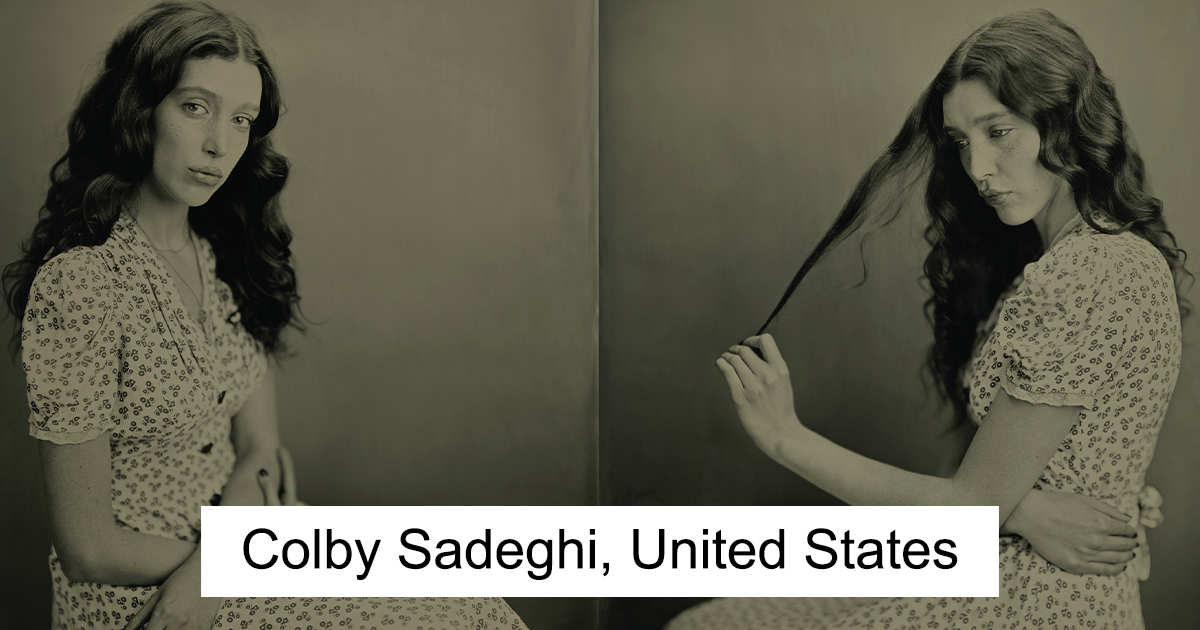
AAP Magazine, published by All About Photo, has built its reputation around themed photography issues that spotlight strong contemporary portfolios. Its portrait-focused editions invite photographers to explore people not as decoration, but as living stories. In the 2022 AAP Magazine #24 Portrait selection, more than 1,600 images from over 200 photographers around the world were submitted. The top recognition went to Ryotaro Horiuchi of Japan for Descendants of Samurai, followed by Colby Sadeghi of the United States for Reflection, and Bharat Patel of the United Kingdom for Portraits from Remote Angola.
That list alone tells us something important: a powerful portrait does not need one location, one culture, one lighting style, or one definition of beauty. It needs presence. It needs a human being who feels real, and a photographer willing to do more than press a button and hope for applause.
Why These AAP Magazine Portraits Matter
Portrait photography is often misunderstood as simply “a picture of a person.” Technically, yes. Emotionally, absolutely not. A passport photo is a picture of a person. A great portrait is a meeting. It captures mood, history, dignity, contradiction, humor, pain, confidence, uncertainty, and sometimes the exact expression someone makes when they know the camera has stopped being a machine and started becoming a witness.
The AAP Magazine portrait selections stand out because they treat people as complex subjects, not visual props. The images move across countries and communities, from ceremonial traditions in Japan to intimate reflective studies in the United States and documentary-style portraits in Angola. They show that portraiture can be formal, raw, quiet, theatrical, political, personal, or all of those things before breakfast.
In an age where everyone has a camera in their pocket and half the internet appears to be one giant selfie convention with better snacks, these portraits remind us that seeing is different from scrolling. A powerful portrait slows the viewer down. It says, “Look again. There is more here.”
The Global Language of Portrait Photography
The best international portrait photography speaks across borders because the face is both universal and deeply specific. A raised eyebrow, a direct gaze, a hand resting on a shoulder, a child looking slightly away from the lenssmall details carry enormous emotional weight. Yet every portrait also belongs to a context: a family, a place, a tradition, a crisis, a memory, or a private world the viewer can only partly enter.
Ryotaro Horiuchi’s award-winning Descendants of Samurai series is a strong example of portrait photography as cultural preservation. The work focuses on people connected to the Soma region of Fukushima Prefecture, where the traditional Soma Nomaoi festival carries the legacy of samurai culture into the present. What makes such images powerful is not costume alone. Anyone can photograph armor and horses. The emotional charge comes from the tension between past and present: modern individuals carrying inherited identity with visible pride and responsibility.
Colby Sadeghi’s Reflection, by contrast, suggests a more internal kind of portraiture. Reflection as a theme naturally points toward identity, self-perception, and the layered way people experience themselves. A reflective portrait often asks less, “Who is this person?” and more, “What is this person carrying inside?” That question is where portrait photography becomes psychologically rich.
Bharat Patel’s Portraits from Remote Angola points to another tradition: documentary portraiture. In this approach, the photographer is not simply arranging a subject in flattering light. The image becomes evidence of place, resilience, daily life, and human dignity. Documentary portraits can be especially powerful because they create a bridge between viewers and communities they may never personally visit.
What Makes a Portrait Powerful?
1. The Eyes Do More Than Look
Yes, it sounds like the kind of advice your photography teacher would write on a whiteboard while holding a suspiciously expensive coffee, but it is true: eyes matter. A direct gaze can feel confrontational, intimate, proud, or vulnerable. A gaze away from the camera can suggest memory, distance, grief, or imagination. In powerful portrait photography, the eyes are rarely empty. They are active participants.
2. The Background Tells the Truth
A plain studio background can strip a portrait down to pure expression. An environmental background can reveal work, class, culture, geography, or daily routine. Neither approach is automatically better. The key is intention. If the background supports the person’s story, it belongs. If it distracts like a badly timed ringtone during a wedding vow, it does not.
3. Light Becomes Emotion
Soft window light can make a portrait feel intimate and tender. Harsh sunlight can create drama, tension, or documentary realism. Shadows can protect mystery. High contrast can sharpen character. The photographers selected by AAP Magazine understand that lighting is not just technical polish. It is emotional grammar.
4. The Subject Keeps Their Dignity
This is crucial. The strongest portraits do not exploit their subjects. Even when they show hardship, age, poverty, conflict, or vulnerability, they preserve humanity. A powerful image should not make the viewer feel like a tourist in someone else’s pain. It should create respect, curiosity, and connection.
Portraiture as Storytelling, Not Decoration
A beautiful portrait can be impressive, but a meaningful portrait stays with you. That difference matters. Many of the most powerful portraits selected by AAP Magazine do not rely on glamour. They rely on story. A lined face, a ceremonial garment, a tired posture, a proud stance, or a quiet room can carry more force than a perfect studio setup.
This is why portrait photography continues to thrive in museums, magazines, competitions, and documentary projects. Institutions such as the Smithsonian National Portrait Gallery, the Getty, MoMA, the International Center of Photography, and LensCulture all frame portraiture as more than likeness. They treat it as identity, biography, memory, cultural record, and visual conversation.
In other words, a portrait is not only about what someone looks like. It is about how they are seen, who gets to see them, and what kind of story the image asks the world to remember.
The AAP Magazine Approach: Diversity Without Gimmicks
AAP Magazine’s portrait selections feel strong because they do not chase one narrow style. The winning and featured photographers come from different countries, visual traditions, and artistic goals. Some images lean toward fine art. Others feel documentary. Some are carefully staged. Others feel discovered in a moment of trust.
This range is important for SEO readers and photography lovers alike because it reflects where contemporary portrait photography is heading. The genre is no longer trapped inside the old formula of “person sits, camera clicks, everyone pretends the result is natural.” Today’s best portrait photographers are collaborators, historians, stylists, observers, editors, and sometimes quiet therapists with lenses.
The AAP selections show portraiture as a global conversation. They ask what identity looks like in Japan, the United States, Angola, and beyond. They also ask what identity feels like when tradition meets modern life, when private emotion becomes public image, and when a single human face carries the weight of a whole community’s story.
Why Viewers Respond So Strongly to These Images
Powerful portraits work because humans are wired to read faces. Before we read captions, we read expression. Before we understand the cultural background, we sense posture, tension, confidence, softness, or distance. A strong portrait reaches us before our analytical brain has finished putting on its shoes.
That first emotional hit is only the beginning. The longer we look, the more questions appear. Who is this person? What happened before the frame? What did the photographer ask? Was the subject comfortable, guarded, amused, proud, exhausted, or all of the above? The best portraits do not answer every question. They keep a little mystery alive.
This is one reason AAP Magazine’s selections are so memorable. They reward slow looking. They invite viewers to spend time with a face, a setting, and a mood. In a digital culture trained to swipe away anything that does not immediately dance, blink, or sell us a water bottle, that kind of stillness feels almost rebellious.
Lessons Photographers Can Learn from the AAP Magazine Portraits
Build Trust Before You Build the Frame
Great portrait photography often begins before the camera comes out. Conversation matters. Respect matters. Clear intention matters. When a subject trusts the photographer, the portrait can move beyond performance into presence. That does not mean every image must be serious. Joy, humor, awkwardness, and play can be truthful too. But trust gives those emotions room to appear naturally.
Let Culture Speak Without Turning It Into a Costume
When photographing cultural traditions, the challenge is to avoid reducing people to visual symbols. Horiuchi’s samurai-related work is powerful because it connects tradition to living descendants and contemporary identity. The lesson is simple but demanding: photograph people as people first, and symbols second.
Do Not Fear Quiet Images
Not every powerful portrait shouts. Some whisper and somehow win the argument. A quiet portrait can be unforgettable when composition, expression, and emotional restraint work together. Photographers should remember that subtlety is not weakness. Sometimes the softest image has the sharpest hook.
Think in Series, Not Just Singles
Many AAP Magazine winners are recognized for series or portfolios, not isolated lucky shots. That matters. A series allows photographers to explore a theme from multiple angles. It creates rhythm, contrast, and depth. One portrait may introduce a subject; a series can build a world.
Portrait Photography in the Age of Selfies
The selfie changed portrait culture forever. Suddenly, millions of people became their own photographer, editor, lighting assistant, and public relations department. That is not necessarily bad. Self-portraiture can be creative, empowering, and hilarious. The world would be poorer without at least some mirror selfies, although perhaps richer without the ones taken in gym bathrooms under lighting designed by a villain.
But the AAP Magazine portraits remind us that portraiture can go deeper than self-display. A thoughtful portrait is not only about control over appearance. It can be about surrender, encounter, collaboration, and interpretation. The photographer sees the subject. The subject responds. The viewer completes the triangle.
This is why professional and artistic portrait photography still matters. It gives us images that are less about instant approval and more about lasting resonance. A good portrait may earn likes. A great portrait earns silence first.
The Emotional Range of the 25 Powerful Portraits
Across the AAP Magazine selection, viewers can sense a wide emotional range: pride, memory, endurance, tenderness, isolation, curiosity, humor, and solemnity. The portraits are not powerful because they all share the same mood. They are powerful because each image seems emotionally specific.
That specificity is what separates strong portrait photography from generic “nice pictures.” A generic portrait says, “Here is a person.” A powerful portrait says, “Here is a person at this moment, in this context, with this story pressing against the frame.” That difference is everything.
The selected works also show how photographers from different backgrounds can approach the same broad themeportraitureand arrive at wildly different results. That diversity keeps the genre alive. It proves that the human face is not an exhausted subject. We have been photographing people for nearly two centuries, and somehow the face still has new things to say.
Experiences Related to Powerful Portraits and AAP Magazine’s Global Selection
Spending time with a collection like 25 of the most powerful portraits taken by photographers from all over the world as selected by AAP Magazine can change the way you look at photography, and maybe even the way you look at strangers. At first, you may approach the images like any online gallery: scroll, pause, admire, move on. But powerful portraits have a sneaky habit of refusing to behave like ordinary content. They stay behind in your mind, tapping politely on the glass.
One experience many viewers share is the feeling of being pulled into a life they do not know. A portrait from a distant region may show clothing, architecture, or customs unfamiliar to the viewer, yet the emotion feels immediate. A serious gaze can feel recognizable. A protective posture can feel familiar. A moment of pride needs no translation. That is one of the gifts of global portrait photography: it lets us notice difference without losing connection.
For photographers, studying AAP Magazine’s portrait selections can be both inspiring and slightly humbling. Inspiring, because the work proves that strong images can come from many places and many visual approaches. Humbling, because it reminds us that gear is only part of the equation. A sharp lens cannot replace patience. A high-resolution sensor cannot create empathy. A fancy camera strap, no matter how confidently worn, will not magically produce emotional depth.
The real experience begins when photographers try to apply these lessons in their own work. You start paying attention to pauses in conversation. You notice how people arrange their hands when they feel nervous. You learn that the best frame may come after the official pose relaxes. You discover that asking one thoughtful question can reveal more than adjusting three lights. Portraiture becomes less about controlling everything and more about being alert enough to recognize truth when it briefly appears.
Viewers can also learn from these portraits in daily life. After looking closely at powerful portrait photography, faces in ordinary settings begin to feel more layered. The vendor at the market, the grandparent sitting near a window, the teenager waiting at a bus stop, the worker taking a short breakeach person seems to carry a private documentary. You may never photograph them, and that is fine. The point is not to turn every human encounter into a photo project. The point is to see more generously.
That is the lasting value of AAP Magazine’s global portrait selections. They celebrate photographers, yes, but they also train viewers. They remind us that every face has context. Every expression has weather behind it. Every person is more than a first impression. In a noisy world addicted to speed, powerful portraits offer something rare: a reason to stop, look, and let another human being become visible.
Conclusion
The 25 powerful portraits selected by AAP Magazine are more than award-winning images. They are proof that portrait photography remains one of the most emotionally direct art forms in the world. From cultural heritage and personal reflection to documentary storytelling and quiet human dignity, these portraits show how much can be held in a single frame.
For readers, the collection is a chance to experience faces from around the world with curiosity and respect. For photographers, it is a reminder that strong portraiture depends on trust, timing, context, and emotional intelligence. And for anyone who has ever wondered whether photography still has the power to move people in an age of endless images, AAP Magazine’s portrait selections provide a clear answer: absolutely. You just have to slow down long enough to really look.
Note: This article is written as an original editorial synthesis for web publication, based on verified information about AAP Magazine, All About Photo portrait selections, and established portrait-photography concepts from reputable photography and museum sources.