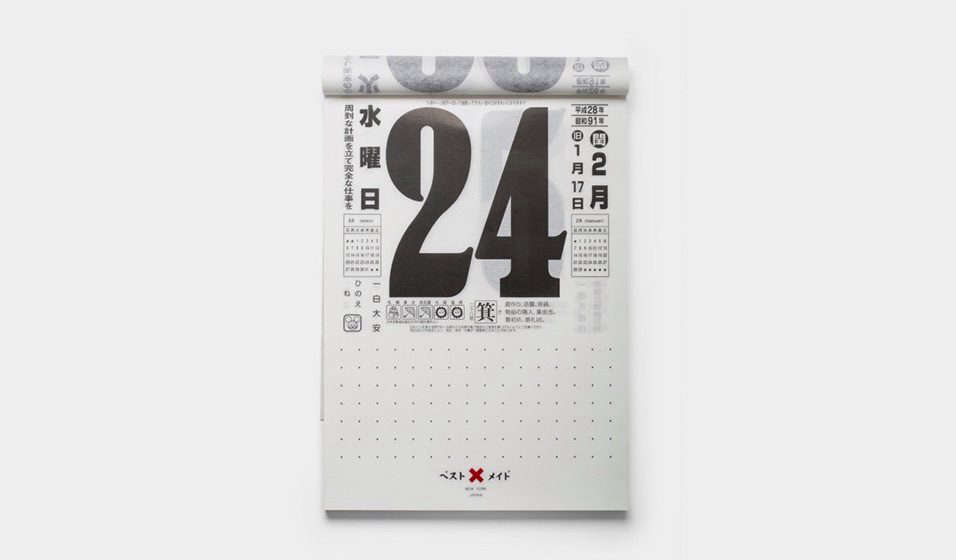
A 2018 Japanese Daily Calendar sounds simple at first: 365 pages, one year, maybe a neat little stand on a desk, and the daily joy of tearing off yesterday like a tiny paper victory. But look closer and it becomes something much richer. A Japanese daily calendar can teach language, mark cultural seasons, explain holidays, introduce kanji, and turn ordinary dates into bite-size lessons about Japan’s traditions, work rhythms, design sense, and everyday life.
For language learners, travelers, culture lovers, stationery collectors, and anyone who believes a calendar should do more than silently judge your unfinished to-do list, a Japanese daily calendar offers a friendly daily ritual. The 2018 edition is especially interesting because it sits at the end of Japan’s Heisei era, just before the historic transition to Reiwa in 2019. That gives it a small but meaningful place in modern Japanese calendar history.
What Is a 2018 Japanese Daily Calendar?
A Japanese daily calendar is usually a page-a-day or tear-off calendar that presents one date per page. Depending on the design, it may include Japanese numbers, kanji, hiragana, katakana, romanized pronunciation, English translations, cultural notes, public holidays, lucky-day indicators, seasonal references, or short phrases. Some versions focus on language learning. Others are decorative, minimalist, humorous, traditional, or designed for office and home use.
The phrase 2018 Japanese Daily Calendar can refer to several types of products: a Japanese-language page-a-day calendar printed for use in Japan, a Japanese word-of-the-day calendar for English speakers, a kanji practice calendar, or a culture-themed desk calendar created for people interested in Japan. What they share is the same promise: every day gives you one small reason to look up, learn something, and feel mildly more organized than you did yesterday.
Why 2018 Matters in the Japanese Calendar
In Japan, the Gregorian calendar is widely used, but dates may also be written using the Japanese era system. The year 2018 was Heisei 30, the 30th year of Emperor Akihito’s reign. This detail matters because many official documents, calendars, forms, and cultural references in Japan use era names alongside Western years.
That makes a 2018 Japanese calendar more than a dated office supply. It captures a specific moment: the final full calendar year of the Heisei era. In 2019, Emperor Akihito abdicated and Japan entered the Reiwa era. So, a 2018 Japanese daily calendar belongs to the closing chapter of Heisei, a period associated with economic change, technological transformation, natural disasters, pop culture globalization, and Japan’s increasing visibility in global tourism.
Key Features of a Japanese Daily Calendar
1. Japanese Dates and Day Names
A good Japanese daily calendar often helps users learn how dates are written and spoken. Japanese months are straightforward: January is ichigatsu, February is nigatsu, March is sangatsu, and so on. The days of the week use elements associated with celestial bodies and classical East Asian naming traditions: Monday is getsuyōbi, Tuesday is kayōbi, Wednesday is suiyōbi, Thursday is mokuyōbi, Friday is kinyōbi, Saturday is doyōbi, and Sunday is nichiyōbi.
Dates are more challenging because some days have special readings. The first day of the month is tsuitachi, the second is futsuka, the third is mikka, the fourth is yokka, and the twentieth is hatsuka. A daily calendar is perfect for learning these because it repeats them naturally. You do not memorize the calendar; the calendar gently ambushes you with repetition until your brain gives up and remembers.
2. Kanji, Hiragana, Katakana, and Romaji
Japanese uses three writing systems in everyday life: kanji, hiragana, and katakana. A learner-friendly calendar may include all three, plus romaji for beginners. For example, a page might show the word yuki for snow, written as 雪 in kanji and ゆき in hiragana. A more advanced calendar might present one kanji per day, with stroke order, meanings, sample vocabulary, and space for practice.
This format is powerful because it avoids the “giant textbook mountain” problem. Instead of opening a 400-page grammar guide and quietly questioning your life choices, you learn one small unit each day. That is the quiet genius of daily calendars: tiny progress, repeated often, becomes real progress.
3. Japanese Public Holidays in 2018
A 2018 Japanese daily calendar would likely mark Japan’s national holidays. Important dates included New Year’s Day on January 1, Coming of Age Day on January 8, National Foundation Day observed on February 12, Vernal Equinox Day on March 21, Shōwa Day observed on April 30, Constitution Memorial Day on May 3, Greenery Day on May 4, Children’s Day on May 5, Marine Day on July 16, Mountain Day on August 11, Respect for the Aged Day on September 17, Autumnal Equinox Day observed on September 24, Health and Sports Day on October 8, Culture Day on November 3, Labor Thanksgiving Day on November 23, and the Emperor’s Birthday on December 23.
These holidays are not random decorations on the calendar. They reveal Japan’s cultural priorities: respect for age, appreciation of nature, constitutional history, seasonal change, children, work, health, and national identity. A daily calendar that explains even a sentence about each holiday becomes a mini cultural guide.
4. Seasonal Markers and Japanese Culture
Japan’s calendar culture is deeply seasonal. Spring brings cherry blossoms, school entrances, and new fiscal-year beginnings. Summer includes festivals, fireworks, humid weather, and the Obon season, when many families honor ancestors. Autumn is associated with moon viewing, colorful leaves, harvest foods, and cooler weather. Winter brings New Year traditions, hot drinks, snow imagery, and the sacred art of not leaving a warm blanket unless absolutely necessary.
A Japanese daily calendar may include references to seasonal words, called kigo, which are often used in haiku and traditional writing. These small seasonal cues make the calendar feel alive. It is not simply counting days; it is noticing the world as it changes.
Rokuyō: Lucky and Unlucky Days
Some Japanese calendars include rokuyō, a traditional six-day cycle used to suggest lucky or unlucky timing. The six labels are senshō, tomobiki, senbu, butsumetsu, taian, and shakkō. While not scientific, rokuyō still appears on many calendars and can influence choices for weddings, funerals, business openings, and ceremonial events.
The most famous label is taian, often considered an especially lucky day. Butsumetsu, on the other hand, is commonly viewed as unlucky. Modern Japanese people vary widely in how seriously they take these labels, but they remain part of calendar culture. Think of rokuyō as a traditional mood ring for the date: charming, culturally meaningful, and not something you should use as your only financial adviser.
Japanese Calendar Design: Why It Feels Different
Japanese stationery has a global reputation for precision, beauty, and thoughtful details. Calendars are no exception. A Japanese daily calendar may use clean typography, compact layouts, quality paper, subtle illustrations, or playful characters. Some are extremely minimalist, while others are packed with information. Many Japanese calendars are designed to fit small spaces, which makes sense in homes and offices where desk real estate is valuable.
Another key design feature is hierarchy. Japanese calendars often organize information carefully: the large date, day of week, holiday name, lunar reference, lucky-day label, memo space, and sometimes a seasonal note. Even when there is a lot on the page, the layout tends to feel intentional. It is the opposite of a cluttered refrigerator calendar covered in expired coupons and one mysterious magnet from 2009.
Who Would Use a 2018 Japanese Daily Calendar?
Japanese Language Learners
For beginners, a daily calendar can make Japanese less intimidating. Learning one word, phrase, number, or kanji per day creates a habit. It also gives learners repeated exposure to dates, counters, common expressions, and cultural vocabulary. Instead of studying once a week in a heroic burst of caffeine, learners get a small daily nudge.
Travelers and Japan Fans
People planning a trip to Japan often want more than hotel names and train maps. A Japanese daily calendar can introduce holidays, festivals, etiquette tips, food vocabulary, and seasonal ideas. It can help travelers understand why Golden Week is busy, why New Year is special, or why cherry blossom season turns weather forecasts into national suspense drama.
Stationery Collectors
Some people love calendars because they love paper, typography, illustration, and design. Japanese daily calendars can be highly collectible, especially when they feature traditional motifs, anime-style art, calligraphy, regional themes, or unique tear-off formats. A 2018 calendar may now appeal as a vintage stationery item, especially if unused or tied to the Heisei era.
Teachers and Parents
A Japanese daily calendar can be useful in classrooms or homeschooling. Teachers can start each lesson with the date in Japanese, a daily word, or a cultural fact. Parents can use it as a low-pressure way to introduce children to another language. The key is consistency. One minute per day is easy. One minute per day for a year is surprisingly powerful.
How to Use a Japanese Daily Calendar for Learning
The best way to use a calendar is not to admire it for two weeks and then forget it behind a plant. Place it somewhere impossible to ignore: near your computer, coffee maker, study desk, or notebook. Each morning, read the date aloud. If there is a word or phrase, write it once. If there is a kanji, trace it slowly. If there is a cultural note, connect it to something you already know.
For example, if the calendar shows 月曜日 for Monday, say getsuyōbi aloud. Notice that the first kanji, 月, means moon or month. If the page shows 春, meaning spring, write down related words like sakura for cherry blossom or hanami for flower viewing. This turns the calendar into a tiny language-learning engine.
Why Daily Learning Works
Daily calendars work because they lower the barrier to starting. The human brain loves small tasks with clear endings. Tear off one page. Learn one word. Read one note. Done. This is much easier than promising to “become fluent” while staring heroically into the distance.
Microlearning is especially helpful for language study. Japanese requires long-term exposure to sounds, scripts, grammar, and cultural context. A daily calendar cannot replace conversation practice, listening, reading, or structured lessons. But it can create momentum, and momentum matters. The calendar becomes a daily reminder that learning Japanese is not a single dramatic event. It is a relationship built page by page.
2018 in Japan: Cultural Context Around the Calendar
The year 2018 was part of a busy period for Japan. Tourism was growing rapidly, international interest in Japanese culture remained strong, and the country was preparing for major global attention ahead of the Tokyo Olympics. Japanese food, anime, manga, design, minimalism, and language learning were already deeply popular among American audiences.
At the same time, 2018 carried historical weight because it was Heisei 30. For anyone using a Japanese calendar that year, the era notation was not just a technical label. It was part of a national timeline that would soon change. Looking back, a 2018 Japanese daily calendar feels like a snapshot of the final full year before Reiwa began.
What Makes a Good Japanese Daily Calendar?
A strong Japanese daily calendar should be accurate, readable, and genuinely useful. For language learners, it should include clear pronunciation guides, natural translations, and examples that people might actually say. Nobody needs to learn “The purple raccoon has borrowed my accounting folder” unless they are preparing for a very specific anime.
For cultural calendars, explanations should be brief but meaningful. A holiday name alone is useful, but a one-sentence explanation is better. For design calendars, paper quality and layout matter. A daily calendar is touched every day, so the physical experience counts. The tear should be clean, the type should be readable, and the stand or hanging method should not collapse after three days like a tragic office tent.
Examples of Daily Calendar Content
A language-focused page might include a word such as asa, meaning morning, with the Japanese writing 朝. A cultural page might explain that May 5 is Children’s Day, traditionally associated with carp streamers called koinobori. A seasonal page might introduce tsuyu, the rainy season that usually affects much of Japan in early summer. A kanji page might teach 山, meaning mountain, with readings such as yama and san.
These examples show why the page-a-day format works so well. Each page is small, but the year becomes a mosaic. By December, the user has encountered hundreds of words, symbols, dates, traditions, and seasonal impressions. That is a lot of learning for something that also tells you when Friday has finally arrived.
Buying or Collecting a 2018 Japanese Daily Calendar Today
Because 2018 has passed, a 2018 Japanese daily calendar is no longer useful for current scheduling. However, it may still be valuable as a collectible, a design reference, a language-learning curiosity, or a nostalgic item from the Heisei era. Unused copies may appear through secondhand marketplaces, rare book sellers, stationery collectors, auction sites, or Japanese import shops.
When evaluating an old calendar, check whether it is complete, unused, damaged, or missing pages. If it is a language-learning calendar, confirm whether audio access or companion materials still work, since digital links from older products may expire. If it is a Japanese domestic calendar, expect limited English. That can be a feature, not a flaw, if your goal is immersion.
Experiences Related to the 2018 Japanese Daily Calendar
Using a 2018 Japanese Daily Calendar feels different from using a phone calendar. A phone calendar is efficient, but it is also where reminders go to glare at you. A paper daily calendar has texture. It asks for one small physical action each day: tear, flip, read, notice. That simple ritual can make the beginning of the day feel more intentional.
Imagine starting January 1, 2018, by seeing ganjitsu, New Year’s Day, printed on the page. In Japan, New Year is one of the most important holidays of the year, associated with family visits, shrine trips, special foods, greeting cards, and a feeling of fresh beginnings. A daily calendar can make that cultural difference visible right away. While many Americans treat January 1 as a recovery day for snacks, sleep, and ambitious resolutions, Japanese New Year carries a deeper ceremonial rhythm.
By spring, the calendar might point toward cherry blossom season. Even a small note about hanami can spark curiosity. Suddenly, the date is not just March or April; it is part of a cultural season shaped by weather, parks, picnics, photography, and the short life of blossoms. A learner might write down sakura, then notice it in songs, travel guides, anime scenes, and restaurant promotions. One calendar page becomes a doorway.
During Golden Week, a 2018 Japanese daily calendar becomes especially useful. The stretch from late April into early May includes several national holidays, including Shōwa Day, Constitution Memorial Day, Greenery Day, and Children’s Day. For someone studying Japan, this week explains a lot about travel patterns, business closures, and family activities. It also teaches an important planning lesson: if you visit Japan during Golden Week without reservations, your itinerary may become a thrilling documentary called “One Tourist Versus Every Train Seat in the Country.”
In summer, the calendar might introduce Mountain Day, Marine Day, festival vocabulary, or the atmosphere of Obon. These entries help learners understand that Japanese culture is not frozen in temples and history books. It is lived through school breaks, seasonal foods, family gatherings, convenience-store displays, and local festivals. The calendar’s daily rhythm mirrors the way culture appears in real life: not all at once, but in small repeated signals.
By autumn, a calendar user may have built a habit. The Japanese date no longer looks mysterious. Words like getsuyōbi and kinyōbi become familiar. Kanji that once looked like tiny architectural blueprints begin to show patterns. A page about Respect for the Aged Day may lead to a conversation about demographics and family values. A note about Culture Day may encourage someone to watch a Japanese film, visit a museum, or read about postwar Japan.
Then December arrives. In 2018, the Emperor’s Birthday was still December 23 because Emperor Akihito was on the throne. Looking back from today, that date carries historical significance because the Emperor’s Birthday later moved under Emperor Naruhito. A 2018 Japanese daily calendar therefore preserves a detail that changed with the era transition. It is a small reminder that calendars are not neutral. They record politics, culture, seasons, beliefs, and social memory.
The most rewarding experience is not finishing the calendar perfectly. Real life happens. Pages get skipped. Coffee may attack. A busy week may pass without study. But even an imperfect daily calendar can build connection. It gives learners a recurring touchpoint with Japanese language and culture. It turns time into a teacher, one page at a time.
Conclusion
A 2018 Japanese Daily Calendar is more than a dated planner. It is a compact cultural object, a language-learning companion, a stationery collectible, and a snapshot of Heisei 30. Whether it teaches kanji, explains holidays, marks rokuyō, or simply brings Japanese design to a desk, it offers a daily invitation to notice something new.
For learners, the greatest value is consistency. One Japanese word a day will not make anyone fluent overnight, but it can build curiosity, rhythm, and confidence. For collectors, the 2018 edition has added interest because it belongs to the final full year of the Heisei era. For culture lovers, it shows how Japan organizes time through seasons, ceremonies, language, and design.
In a world where digital calendars beep, buzz, sync, and occasionally make us feel like unpaid assistants to our own lives, a Japanese daily calendar offers something refreshingly human. It gives you one page, one day, and one small discovery. That is a pretty good deal for a little stack of paper.
Note: This article is written for web publication and synthesized from reputable calendar, Japanese language, holiday, cultural, and stationery references. Source links and citation markers have been intentionally omitted from the HTML body for clean publishing.