Some home upgrades announce themselves with fireworks. Others quietly make a room look like an adult lives there. 2-inch basic wood custom blinds fall into the second category. They are simple, handsome, practical, and surprisingly good at making a window feel finished without turning the room into a design museum where nobody is allowed to sit down.
These blinds combine the classic look of real wood with the everyday usefulness homeowners want: adjustable light control, privacy, custom sizing, and a clean horizontal profile. The 2-inch slat size is especially popular because it gives windows a wider, more architectural look than narrow mini blinds while still feeling relaxed enough for bedrooms, offices, dining rooms, and living rooms.
In other words, they are the window-treatment equivalent of a well-fitted white shirt: basic, yes, but basic in the best possible way.
What Are 2-Inch Basic Wood Custom Blinds?
2-inch wood custom blinds are horizontal window blinds made with real wood slats that measure approximately two inches wide. The “custom” part means they are manufactured to fit your window measurements rather than pulled from a one-size-almost-fits shelf. That matters because windows are like people: even when they look similar, they often have tiny differences that become very obvious when something is installed crooked.
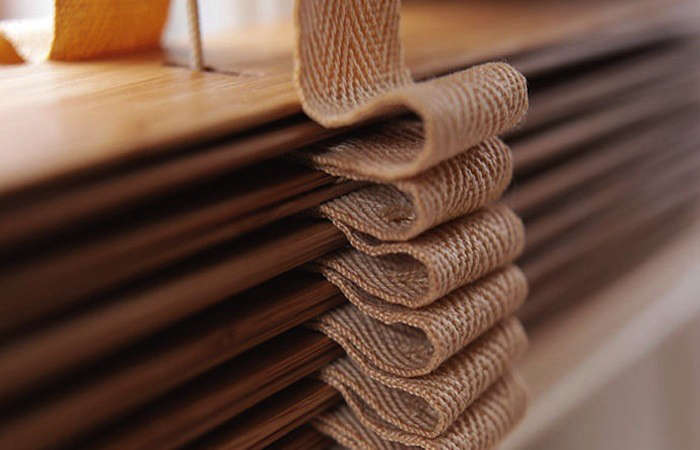
Basic wood blinds usually include essential features such as a headrail, bottom rail, tilt control, lift system, mounting hardware, and a decorative valance. Depending on the brand or retailer, buyers may choose from painted finishes, stained wood tones, cordless operation, decorative tapes, routeless slats, motorized tilt, or upgraded valances.
The goal is straightforward: give the window a warm, tailored look while allowing you to adjust sunlight and privacy throughout the day.
Why the 2-Inch Slat Size Is So Popular
The 2-inch slat is the Goldilocks of wood blinds. It is not too skinny, not too bulky, and not trying too hard. Smaller 1-inch blinds can look busy on larger windows, while oversized slats may feel too bold for modest rooms. The 2-inch size hits a practical middle ground.
Better View-Through
When 2-inch slats are tilted open, they create wider gaps than mini blinds. This allows more outdoor view and more natural light without raising the blind completely. For street-facing windows, that is a lovely compromise: you can enjoy daylight without giving the neighborhood a front-row seat to your breakfast cereal decisions.
Classic, Furniture-Like Style
Real wood has natural warmth that vinyl and aluminum often struggle to imitate. A painted white wood blind feels crisp and traditional. A walnut, oak, chestnut, or espresso stain can coordinate with hardwood floors, cabinetry, desks, bookshelves, or trim. The result is more polished than a bare window but less formal than heavy drapery.
Flexible Light Control
Wood blinds are excellent for controlling glare. Rotate the slats upward to soften bright sun, downward for privacy, or fully open when you want the room to wake up. This makes them especially useful in home offices, media rooms, nurseries, and bedrooms where light can be both friend and villain.
Real Wood Blinds vs. Faux Wood Blinds
Before buying, many homeowners compare real wood blinds with faux wood blinds. Both can look attractive, but they behave differently.
Real wood blinds are lighter in weight, which can make larger blinds easier to lift and operate. They also offer authentic grain variation and a warmer high-end appearance. If your goal is a refined, natural finish in a living room, dining room, bedroom, or office, wood is hard to beat.
Faux wood blinds, on the other hand, are typically made from composite, PVC, vinyl, or engineered materials. They are often more budget-friendly and better suited for humid rooms such as bathrooms, laundry areas, and kitchens. Faux wood can resist moisture better than natural wood, which may warp or crack if exposed to repeated humidity.
The simple rule: choose real wood for dry spaces where warmth and elegance matter most; choose faux wood for moisture-prone spaces where durability is the star of the show.
Best Rooms for 2-Inch Basic Wood Custom Blinds
Living Rooms
In living rooms, 2-inch wood blinds add structure without making the space feel stiff. White or off-white blinds can brighten the room, while medium wood tones bring warmth. Pair them with linen curtains if you want softness, or let them stand alone for a cleaner look.
Bedrooms
Wood blinds provide privacy and moderate room darkening, especially when closed tightly. For deeper darkness, look for privacy slats, routeless options, or layer the blinds with blackout curtains. This is useful if you are a light sleeper, a shift worker, or simply a person who believes morning should not begin before coffee.
Home Offices
A 2-inch wood blind is a smart choice for a home office because it helps reduce screen glare while maintaining a professional background for video calls. Tilt the slats slightly upward to block direct sun without turning the office into a cave.
Dining Rooms
Wood blinds complement dining tables, sideboards, chairs, and trim. A stained finish can make the room feel more collected and intentional, while painted white creates a fresh, classic look.
Kitchens and Bathrooms
Real wood blinds can work in kitchens if the windows are not directly exposed to steam or splashes. However, for bathrooms, laundry rooms, and very humid kitchens, faux wood is usually the safer choice. Wood deserves admiration, not a daily sauna treatment.
Inside Mount vs. Outside Mount
One of the most important decisions when ordering custom blinds is choosing between an inside mount and an outside mount.
Inside Mount
An inside mount places the blind within the window frame. This creates a clean, built-in appearance and allows trim or molding to remain visible. It is ideal when your window frame has enough depth and is reasonably square.
Inside mounts require careful measuring. Measure the width at the top, middle, and bottom of the window opening, then measure the height at the left, center, and right. Use the retailer’s instructions because many custom blind manufacturers make their own deductions for fit.
Outside Mount
An outside mount installs the blind above and beyond the window frame. This option can make windows appear larger, hide imperfect trim, improve privacy, and reduce light gaps along the sides.
Outside mounts are especially helpful for shallow window frames or older homes where the window opening has the geometry of a funhouse mirror.
Key Features to Consider Before Buying
Cordless Lift
Cordless blinds are now widely recommended because they create a cleaner look and reduce dangling cord hazards. A cordless lift lets you raise or lower the blind by gently moving the bottom rail. For homes with children or pets, cordless window coverings are a smart safety-focused choice.
Wand Tilt or Cord Tilt
Tilt controls rotate the slats. A wand tilt is simple and avoids loose cords. A cord tilt may feel traditional, but many homeowners prefer the neat appearance of a wand or motorized tilt.
Motorized Tilt
Motorized tilt is useful for tall windows, hard-to-reach windows, or anyone who enjoys pressing a button and feeling like the captain of a very small spaceship. It usually costs more, but it adds convenience and can improve daily use.
Decorative Tapes
Decorative cloth tapes run vertically down the blind and cover route holes. They add a tailored detail and can improve privacy. Choose a matching tape for a subtle look or a contrasting tape for a more designed effect.
Valance Style
Most wood blinds come with a valance that covers the headrail. A simple valance keeps the look clean, while a more decorative valance can make the blind feel closer to custom millwork.
How to Choose the Right Color
Color is where many homeowners pause, stare at samples, and briefly reconsider every decision they have ever made. Fortunately, the process can be simple.
If you want a bright, timeless look, choose white, ivory, or soft cream. These colors work with most trim and make rooms feel open. If you want warmth, choose a stain that relates to your flooring or furniture. It does not need to match perfectly; in fact, a little variation often looks more natural.
For modern interiors, gray-washed or matte neutral finishes can look elegant. For traditional spaces, medium brown stains are dependable. For dramatic rooms, deep espresso or black wood blinds can look sharp, especially against light walls.
The best advice is to order samples before committing. Wood stains can shift depending on lighting, wall color, flooring, and nearby furniture. A sample that looks rich online may look completely different next to your actual window at 3 p.m.
Measuring Tips for Custom Wood Blinds
Custom blinds reward careful measurement. They also punish impatience, but quietly, by arriving one-quarter inch too wide.
Use a steel tape measure rather than a soft sewing tape. Measure to the nearest one-eighth inch. For inside mounts, measure width in three places and height in three places. For outside mounts, decide how much overlap you want beyond the window opening; many homeowners add extra width and height to improve coverage.
Write measurements down immediately. Do not trust your memory. Your brain may remember birthdays from 1998, but it will absolutely betray you on whether that window was 34 3/8 inches or 34 5/8 inches.
Installation: Easier Than It Looks
Installing 2-inch wood custom blinds is usually manageable for a careful DIY homeowner. Most installations involve marking bracket positions, drilling pilot holes, attaching brackets, snapping the headrail into place, and adding the valance.
For wider blinds, having a second person helps. One person can hold the blind while the other handles the brackets. This prevents the classic DIY maneuver known as “balancing expensive window treatments with one elbow while muttering at a screw.”
Professional installation may be worth it if you have many windows, unusually shaped frames, tall windows, masonry walls, or limited time. For a single standard window, DIY is often realistic.
Cleaning and Maintenance
Wood blinds are not difficult to maintain, but they do appreciate a gentle approach. Dust them regularly with a microfiber cloth, blind duster, or vacuum brush attachment. Close the slats one way, clean across them, then tilt them the opposite direction and repeat.
For smudges, use a lightly damp cloth and dry the area immediately. Avoid soaking real wood blinds or using harsh cleaners. Too much moisture can damage the finish or cause warping. In greasy kitchen areas, a mild soap solution may help, but always use minimal water and dry thoroughly.
A quick monthly dusting keeps blinds from becoming a horizontal museum of pollen, pet hair, and mystery fuzz.
Pros and Cons of 2-Inch Basic Wood Custom Blinds
Pros
They offer a classic look, strong light control, good privacy, custom sizing, and a warm natural finish. They are lighter than many faux wood alternatives and can elevate a room without requiring a full renovation.
Cons
They are usually more expensive than faux wood or vinyl blinds. They are not ideal for humid rooms, and larger blinds can create a stack at the top of the window when raised. They also require more careful cleaning than synthetic materials.
Are 2-Inch Basic Wood Custom Blinds Worth It?
For many homeowners, yes. They are worth it when you want a clean, classic window treatment that looks more refined than stock blinds and more relaxed than formal drapes. Their biggest advantage is balance: they offer beauty, privacy, light control, and long-term style without demanding too much attention.
They are especially worthwhile in visible rooms where window treatments become part of the design. Living rooms, bedrooms, offices, dining areas, and front-facing windows are all good candidates.
If your priority is the lowest price or maximum moisture resistance, faux wood may be the better choice. But if you want the real thingthe natural grain, the lighter feel, the timeless warmth2-inch wood custom blinds remain a strong investment.
Real-Life Experience With 2-Inch Basic Wood Custom Blinds
Here is the thing about 2-inch basic wood custom blinds: they do not seem exciting until they are installed. Before installation, they are just measurements, sample chips, and a suspiciously long box leaning against the wall. After installation, the room suddenly looks calmer, cleaner, and more intentional. It is like the window put on a blazer.
One of the biggest practical differences is the way the room feels during the day. With cheap mini blinds, light can look stripey and harsh. With 2-inch wood slats, sunlight feels softer and easier to manage. In a home office, this can be the difference between a comfortable afternoon and squinting at your laptop like you are decoding ancient tablets.
The wider slats also make daily adjustments less fussy. You can tilt them slightly and instantly change the mood of the room. Open them in the morning, angle them during bright afternoon sun, and close them at night for privacy. It is a small routine, but it makes the home feel responsive.
Another noticeable benefit is how well they work with different decorating styles. In a traditional room, white wood blinds look crisp with crown molding and painted trim. In a modern farmhouse space, stained wood blinds pair naturally with woven baskets, oak floors, and matte black hardware. In a simple apartment, they add structure without making the space feel crowded.
The custom fit is also worth mentioning. Stock blinds often leave awkward gaps, especially in older homes where window openings are not perfectly square. Custom blinds look more deliberate. They sit better, operate more smoothly, and avoid that “close enough” feeling that can quietly bother you every time you walk past the window.
Cleaning is manageable, though not magical. Anyone who claims blinds never collect dust is either selling something or has never met sunlight. The dust shows up eventually, especially on darker stains. A microfiber cloth or vacuum brush keeps things under control. The trick is not letting months pass before cleaning them. Once dust gets comfortable, it invites friends.
There are a few lessons learned the hard way. First, order samples. A wood stain that looks perfect online may look too red, too yellow, or too dark in your room. Second, double-check measurements. Custom blinds are wonderfully precise, which means your measuring mistakes are also wonderfully precise. Third, think carefully about humidity. Real wood blinds may look beautiful in a bathroom, but steam is not their best friend.
For bedrooms, adding curtains over wood blinds can create a cozy layered look and improve room darkening. For living rooms, the blinds alone may be enough. For offices, cordless operation or motorized tilt can feel like a small luxury you quickly get used to.
The best part is that 2-inch basic wood custom blinds do not chase trends. They are not flashy, seasonal, or likely to feel dated next year. They simply make the window look finished, help control light, and bring a bit of natural texture into the room. That may sound modest, but in home design, modest improvements often do the most work.
In the end, these blinds are for people who want their windows to look polished without turning window treatment shopping into a dramatic life event. They are practical, good-looking, and quietly dependable. Honestly, that is more than can be said for many things in a house, including at least one drawer that refuses to close properly.
Conclusion
2-inch basic wood custom blinds are a smart choice for homeowners who want timeless style, practical light control, and a made-to-measure finish. They work beautifully in dry rooms, pair well with many decor styles, and offer a warmer, more polished look than many off-the-shelf alternatives.
Choose real wood when you value authentic texture and a lighter, refined feel. Consider faux wood for humid spaces or tighter budgets. Measure carefully, order samples, choose cordless operation when possible, and clean gently to keep the blinds looking sharp.
They may be called “basic,” but do not let that fool you. Done well, basic wood blinds are one of those quiet upgrades that make a home feel finished, comfortable, and just a little more grown-up.