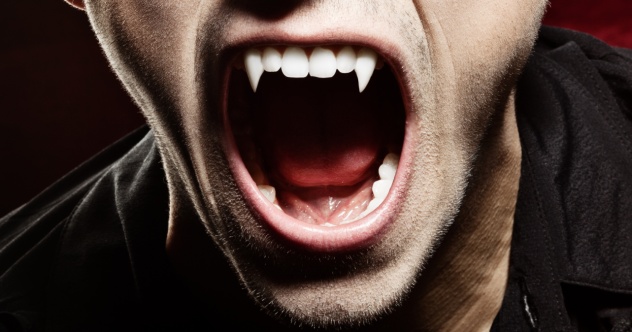
Vampires did not arrive fully dressed in capes, armed with fangs, and emotionally available enough to headline a prestige TV drama. They evolved. Slowly. Weirdly. Sometimes they were corpse-like village terrors. Sometimes they were aristocratic predators with suspiciously good cheekbones. Sometimes they were metaphors for disease, sexuality, foreignness, class panic, moral decay, or the fear that your ex might text you from beyond the grave.
The history of vampire lore is really the history of what different societies feared most. Every era built the vampire it deserved. In one century, the undead explained unexplained illness. In another, they represented forbidden desire. Later, they became polished antiheroes with better hair than the living. If you want to understand why vampire stories refuse to stay buried, you have to follow the creature through folklore, literature, film, television, and modern fandom. This is that journey, told in ten blood-spattered stages.
Why Vampire Lore Keeps Changing
Unlike a werewolf, whose deal is fairly straightforward, the vampire is endlessly adaptable. The creature can be monstrous or seductive, feral or refined, dead-eyed or heartbreakingly soulful. That flexibility is exactly why vampire mythology has survived for centuries. The undead can absorb new anxieties without losing their core appeal: danger wrapped in intimacy.
At heart, vampire lore is about boundaries being violated. Life and death blur. Love and predation overlap. The body becomes unstable. Home stops feeling safe. And because the vampire enters through the window, the bedroom, the bloodstream, or the imagination, it always feels uncomfortably close. Not bad for a monster that has spent a large portion of its career lying very still in a coffin.
1. Ancient Precursors: Before Vampires Had a Brand
The earliest roots of vampire lore appear long before the word vampire entered Europe. Ancient cultures across the Near East and Mediterranean imagined blood-drinking or life-draining supernatural beings. In Mesopotamian traditions, night demons and female spirits preyed on infants, pregnant women, and vulnerable men. Figures associated with Lilith and similar entities carried traits that would later echo through vampire storytelling: nocturnal attack, erotic danger, and the draining of life itself.
These early monsters were not yet the elegant undead nobles of later fiction. They were messier, broader, and more symbolic. They represented fear of childbirth, sexuality, disease, and death in a world that had few satisfying medical explanations. That matters because vampire lore did not begin as a stylish entertainment product. It began as a way to make terror feel legible.
Even at this early stage, several classic ingredients were already bubbling in the cauldron: darkness, blood, seduction, contamination, and the sense that evil could wear a familiar face. The vampire did not start as one monster. It started as a whole haunted family tree.
2. Medieval Revenants: The Dead Refuse to Stay Put
By the medieval period, Europe had developed a powerful belief in revenants, the restless dead who returned from the grave to trouble the living. These beings were not always identical to the later literary vampire, but they laid down the structural bones of the myth. A corpse might rise because of improper burial, unresolved sin, social exclusion, or suspicious death. Once back, it could spread illness, suffocate sleepers, attack relatives, or drain vitality from the household.
This version of the undead was intensely local. The revenant was not some glamorous foreign count drifting in from a moonlit castle. It was your neighbor. Your uncle. The person buried not far from the church. That proximity made the lore especially unnerving. Medieval people did not imagine vampires as distant fantasy villains. They imagined them as community problems.
Burial customs reflected those fears. Suspected revenants were pinned down, buried face down, mutilated, weighed down with stones, or otherwise discouraged from taking a second shift among the living. There is something darkly practical about all this. Medieval communities were, in effect, saying: “We are not saying Aunt Gertrude will come back. We are just saying it would be irresponsible not to plan ahead.”
3. Disease, Decay, and the Great Vampire Panic
In the seventeenth and eighteenth centuries, vampire fears intensified in Eastern and Central Europe, especially in regions shaped by Slavic traditions. This period helped turn scattered beliefs into something closer to recognizable vampire lore. Reports of exhumed bodies that seemed unnaturally fresh, bloated, or bloodied convinced frightened communities that the dead were actively feeding on the living.
Now we know that decomposition can create exactly those alarming effects. Back then, however, the science of decay was poorly understood. A corpse with fluid at the mouth looked like proof, not chemistry. Add epidemics, sudden deaths, and public fear, and you had the perfect recipe for panic.
This is one of the most important stages in vampire history because it tied the creature directly to disease. The vampire became an explanation for outbreaks, wasting sicknesses, and chains of family deaths. If several people in one household fell ill, communities sometimes concluded that one dead relative was feeding on the rest. Authorities, physicians, and clergy were pulled into these cases, and the vampire moved from campfire rumor into official reports and public argument.
In other words, the undead got paperwork. That is when a myth starts getting serious.
4. The Aristocratic Upgrade: Polidori’s The Vampyre
The vampire’s image changed dramatically in 1819 with John Polidori’s The Vampyre. This was the turning point that dragged the creature out of peasant superstition and into literary sophistication. Polidori’s Lord Ruthven was not a shambling village corpse. He was charming, fashionable, wealthy, predatory, and socially mobile. He could enter drawing rooms as easily as graveyards.
That shift was revolutionary. The vampire became seductive. He became modern. He became dangerous not because he looked monstrous, but because he looked desirable. Instead of simply killing from outside society, he fed within it. He used status, beauty, and intimacy as weapons. The threat was no longer just physical attack. It was corruption from inside elite culture.
Polidori also helped establish a pattern that would repeat for the next two centuries: the vampire as a mirror for whatever society finds irresistible and shameful at the same time. Lord Ruthven is one of the ancestors of every dangerously attractive vampire who followed, from Dracula to Lestat to the brooding immortal currently staring into the middle distance on somebody’s streaming platform.
5. Penny Dreadful Expansion: Varney the Vampire Goes Big
Once the vampire entered popular fiction, it multiplied fast. Few nineteenth-century works were more important in expanding vampire lore than Varney the Vampire. Published in the 1840s and later associated with penny dreadful culture, it helped turn the vampire into serialized entertainment. Suddenly the undead were not only literary figures for the educated few. They were mass-market thrills.
Varney added and popularized several traits that would become central to the vampire toolkit: fangs, hypnotic influence, superhuman strength, and a melodramatic flair for appearing exactly when everyone’s nerves were already wrecked. The story also made room for something new and surprisingly durable: a degree of sympathy for the vampire himself.
Sir Francis Varney is not always presented as pure evil. At times he seems cursed, haunted, even tragic. That emotional complication matters. It opened the door for future vampires who were not just predators, but sufferers. Once readers began asking whether the monster felt pain, the genre changed forever. The vampire was no longer only a nightmare. He was becoming a character.
6. Carmilla: Desire Walks Into the Castle
If Polidori made the vampire aristocratic, Sheridan Le Fanu’s Carmilla made the vampire intimate in a new and unsettling way. First published in the early 1870s, Carmilla centered on a female vampire whose relationships with women introduced an atmosphere of erotic tension, emotional dependency, and psychological invasion.
This was a major development in vampire lore. The monster was no longer just an attacker from outside the home. She could become a confidante, guest, companion, and object of fascination. The bite became wrapped in longing. The threat became inseparable from attraction. Gothic fear and desire fused so tightly they could barely be pried apart with a crowbar.
Carmilla also showed how vampire fiction could explore taboo subjects that polite society preferred not to discuss directly. Through the supernatural, writers could stage anxieties about sexuality, gender roles, repression, and social performance. The vampire had become a perfect cultural smuggler. It carried forbidden material under a velvet cloak and called it horror.
7. Dracula: The Great Rulebook of Modern Vampires
Then came Bram Stoker’s Dracula in 1897, the book that pulled together earlier folklore and literary innovations into the definitive modern vampire package. Stoker did not invent vampires from scratch. What he did was organize the chaos brilliantly. He combined Eastern European superstition, Victorian fears, invasion anxiety, sexuality, disease, religion, and modern technology into one enduring monster.
Count Dracula is old and aristocratic like Ruthven, but far more mythic. He can shapeshift, command animals, crawl down walls, spread corruption, and invade both body and nation. The novel also helped cement many now-familiar elements: garlic, crucifixes, blood exchange, coffin travel, uneasy seduction, and the vampire hunter as a vital counterpart to the undead.
Just as importantly, Dracula made the vampire globally portable. After Stoker, the creature was no longer just folklore or Gothic experiment. It was a franchise before franchises existed. Dracula became the blueprint against which later vampires would either conform or rebel. Even stories trying very hard not to be Dracula are usually still arguing with him.
8. Silent Film and the Visual Shock of Nosferatu
The 1922 film Nosferatu changed vampire lore by changing how the creature looked and moved on screen. Count Orlok was not seductive in the polished, aristocratic mode. He was rodent-like, corpse-thin, bald, clawed, and plague-coded. He looked less like a lover and more like an illness that had learned how to open doors.
That visual choice was huge. Cinema gave the vampire a body the audience could not easily romanticize. Nosferatu linked vampirism with infestation, contamination, and urban dread. It also popularized one of the most famous vampire rules in modern culture: sunlight as a lethal force. That trait is so common now that people assume it came from ancient legend. It did not. Film helped hardwire it into the myth.
With Nosferatu, the vampire became unmistakably cinematic. The creature was not just described anymore. It was lit, framed, shadowed, and physically embodied. After that, vampire lore would always belong partly to the camera.
9. Hollywood, Television, and the Humanization of the Undead
Twentieth-century screen culture kept reinventing the vampire. Bela Lugosi’s 1931 Dracula made the count suave, theatrical, and unforgettable. The cape, accent, stare, and aristocratic poise all became part of the popular image. Later decades broadened the mythology even further.
Dark Shadows introduced a brooding vampire who could carry emotional depth over a long-running television story. Blacula reworked vampire imagery through Black cultural and historical perspectives. Buffy the Vampire Slayer fused teen drama, feminism, action, and supernatural myth, proving the vampire could thrive in witty, contemporary storytelling without losing its bite.
During this stage, the vampire stopped being fixed and became modular. It could be campy, tragic, political, romantic, frightening, or funny. Different audiences got different undead. The monster that once stalked village graveyards was now attending high school, crashing soap operas, and starring in genre mashups. Frankly, the vampire had range.
10. The Romantic and Self-Aware Vampire
Modern vampire lore reached another major turning point with Anne Rice and the wave of character-driven stories that followed. Rice’s vampires, especially in Interview with the Vampire, were not simply villains. They were reflective, sensuous, guilty, beautiful, and emotionally articulate. They wrestled with morality, loneliness, immortality, and desire. They made monstrosity feel personal.
That evolution paved the way for later works such as True Blood, The Vampire Diaries, and Twilight, all of which reimagined vampires as beings who could be feared, loved, pitied, or dated very unwisely. The vampire became a fantasy of outsider identity, eternal youth, forbidden romance, and self-curated style. Somewhere along the way, the undead picked up excellent skincare and a fan base.
But beneath the glamour, the old themes remain. Modern vampires still carry questions about appetite, ethics, contagion, power, and difference. They are simply more likely to discuss those issues in expensive coats.
Conclusion: Why the Vampire Never Dies
The evolution of vampire lore reveals a monster that thrives by adapting. Ancient demons became medieval revenants. Rural superstition became Enlightenment panic. Folklore became literature. Literature became film. Film became fandom. At every stage, the vampire absorbed the fears and fantasies of the moment. That is why it remains one of the most durable creatures in storytelling.
What makes vampire mythology so enduring is not just horror. It is tension. Vampires embody hunger and restraint, beauty and decay, intimacy and violence, death and immortality. They are shape-shifters in more ways than one. Even when their costumes change, their symbolic job stays the same: to ask what happens when desire goes too far and death refuses to behave.
So yes, the vampire has evolved from a village nightmare into a global pop-culture icon. But do not let the polished boots fool you. Underneath the reinvention, the creature is still doing what it has always done: turning human fear into a story too irresistible to leave alone.
Experiences Related to “10 Stages In The Evolution Of Vampire Lore”
One of the most fascinating experiences tied to vampire lore is how differently the myth feels depending on where you meet it. Read about a medieval revenant in daylight and it seems like historical folklore. Read Dracula alone on a rainy night, and suddenly every creak in the house starts filing a complaint. Watch Nosferatu on a big screen, and the vampire feels like plague with fingernails. Watch a modern series, and the same creature becomes a complicated outsider, a tragic lover, or the most dramatic person at the bar by a truly unfair margin.
There is also a strong place-based experience around vampire lore. Cemeteries, ruined churches, foggy streets, Gothic castles, and even old New England graveyards take on a different emotional texture once you know the stories attached to them. The setting matters because vampire mythology has always depended on atmosphere. The creature needs thresholds: windows, doorways, coffin lids, churchyards, moonlit roads. Visiting places associated with those images makes the legend feel less like fiction and more like a shared cultural mood.
Another common experience is discovering that vampire lore changes as you age. As a child, the vampire often looks like a Halloween monster with plastic fangs and a cape that refuses to sit correctly. As a teenager, the vampire becomes romance, rebellion, danger, and drama. As an adult, the lore starts to reveal deeper layers: fear of illness, fear of aging, fear of social outsiders, fear of desire, fear of losing control over the body. The same stories stay in place, but your reading of them evolves, which is honestly a very vampire thing to do.
Group experiences matter too. Vampire stories have always been social. They moved through rumor, oral tradition, serialized fiction, theater, film, television, and now online fandom. People debate their favorite Dracula, argue over whether vampires should sparkle, and build communities around fictional bloodsuckers who would almost certainly not text back in a healthy way. That shared enthusiasm is part of the lore’s staying power. Vampires survive because they are endlessly discussable. Everyone has a preferred version: monstrous, romantic, tragic, sexy, grotesque, philosophical, campy, or all of the above before lunch.
Perhaps the most interesting experience, though, is realizing that vampire lore often tells you more about humans than about monsters. The stories expose what a culture is anxious about and what it secretly craves. They reveal how people think about class, sex, faith, death, beauty, disease, and power. That is why exploring vampire lore can feel unexpectedly personal. You begin with a monster, and end up staring at a mirror. Not literally, hopefully. If there is no reflection, that is somebody else’s problem.