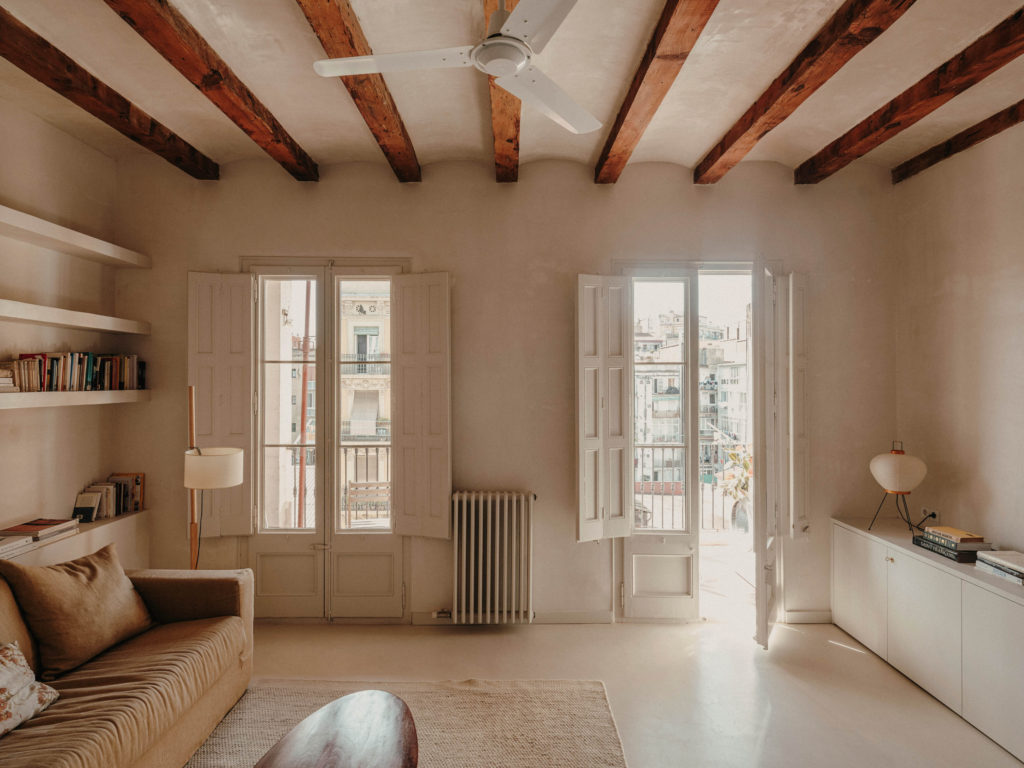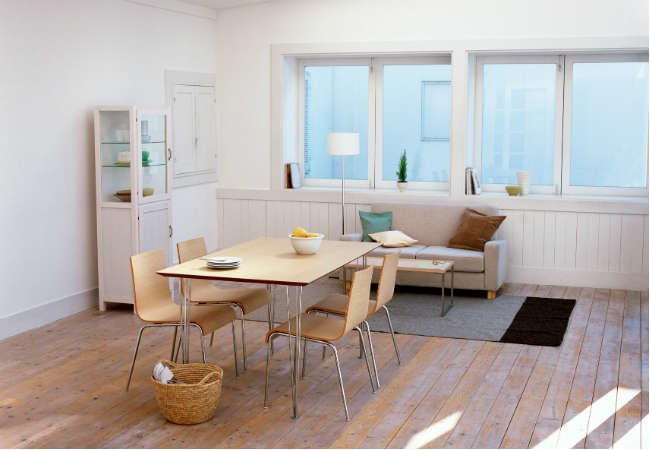
A dark room can make even the best-decorated home feel like it missed its morning coffee. Maybe it is a north-facing bedroom, a basement family room, a narrow hallway, or a living room shaded by mature trees and a neighboring building that seems oddly proud of itself. Whatever the cause, a dim space often feels smaller, flatter, and less inviting than it really is.
The good news is that you do not always need a major renovation to fix it. In many cases, the smartest changes are the most classic ones: better paint, better window treatments, better lighting, and a few visual tricks that help every available ray of light work harder. And when simple updates are not enough, a handful of bigger upgrades can make a dramatic difference.
Below are 10 timeless, designer-approved ways to brighten a dark room without turning it into a sterile white box. The goal is not to make your home look like a hospital hallway. The goal is to make it feel open, warm, cheerful, and alive.
Why Dark Rooms Feel So Stubborn
Before jumping into solutions, it helps to know why some rooms stay gloomy no matter how many lamps you toss at them. Dark paint absorbs light. Heavy curtains block daylight. Bulky furniture interrupts visual openness. Dark floors anchor the room in a way that can feel heavy. And a single overhead fixture usually creates shadows instead of solving them.
Brightening a room works best when you approach it from several angles at once: reflect more light, let in more daylight, remove visual heaviness, and layer artificial light so the room glows instead of glares.
1. Start With Light-Reflecting Paint
If you only make one change, make it paint. Light colors reflect far more light than dark ones, so walls, ceilings, and even trim can dramatically affect how bright a room feels. Soft whites, warm ivory, pale greige, light taupe, muted sage, and airy blue-grays are classic choices because they feel bright without becoming icy.
The trick is choosing the right undertone. In a cool, north-facing room, a stark white can look flat or bluish. A warm white or creamy neutral usually feels friendlier and more balanced. In a room that already gets some daylight, a soft neutral with a little depth can still reflect light while keeping the space from feeling bland.
Do not forget the ceiling. A lighter ceiling helps visually lift the room and bounce brightness downward. If the walls are already painted and you are not in the mood for a full-room makeover, repainting just the ceiling can still make a noticeable difference. It is not the most glamorous weekend project, but it works.
2. Swap Heavy Window Treatments for Airier Ones
Dark rooms need every scrap of daylight they can get, which means thick drapes, bulky valances, and heavy shutters are often doing more harm than good. If privacy is important, use layered treatments: a sheer inner panel for daytime light and a heavier drape that can close at night.
Floor-length sheers are a classic bright-room move because they soften the windows without shutting the room off from daylight. Linen-look fabrics, white panels, and light neutral shades all help keep the look relaxed and airy. Hanging curtains a little higher and wider than the window frame also makes the window appear larger, which makes the room feel brighter and taller at the same time.
In other words, your windows should be dressed, not smothered.
3. Use Mirrors Like a Professional Light-Thief
Mirrors are the oldest brightening trick in the book because they work. A well-placed mirror reflects daylight, spreads lamplight, and creates the illusion of more depth. Put one across from a window, near a doorway, or where it can catch a pendant light or sconce. Suddenly, the room feels less like a cave and more like it has a social life.
Larger mirrors usually create a stronger effect than small ones sprinkled around like decorative confetti. A substantial mirror over a console, a full-length mirror leaned against a wall, or even a mirrored wall panel in a small room can double the feeling of brightness.
If a giant mirror is not your style, reflective surfaces can still help. Glass tabletops, metallic accents, glossy ceramics, lacquered finishes, and polished hardware all contribute to a brighter feel without shouting, “I bought a ballroom mirror and now I have opinions.”
4. Layer the Lighting Instead of Relying on One Overhead Fixture
One lonely ceiling light is not a lighting plan. It is a cry for help. Dark rooms feel best when lighting comes from several sources at different heights. That means combining ambient lighting, task lighting, and accent lighting.
What that looks like in real life:
An overhead fixture provides general illumination. A floor lamp brightens a shadowy corner. A table lamp adds warmth near seating. Sconces frame artwork or a mirror. Under-cabinet or shelf lighting adds a subtle glow in kitchens, offices, or built-ins.
This layered approach spreads light more evenly around the room, reduces harsh shadows, and makes the whole space feel intentional. A dark room usually does not need one blinding fixture in the center. It needs multiple softer sources working together.
5. Brighten the Forgotten Corners
Corners are where darkness likes to gather and settle in. If those areas stay dim, the whole room can feel smaller. A floor lamp tucked into a dark corner, a petite table lamp on a side chest, or a wall sconce near an awkward nook helps distribute light more evenly.
This tip matters especially in basements, hallways, and windowless rooms, where dark corners quickly make the space feel unfinished. Lighting those edges visually stretches the room and helps it feel more complete. It is a little like good posture for interiors: subtle, but it changes everything.
6. Choose Lighter Furniture, Rugs, and Textiles
If your walls are light but your furniture is large, dark, and visually heavy, the room may still feel dim. You do not need to replace every piece, but it helps to balance darker elements with lighter upholstery, natural wood tones, glass, cane, or slim silhouettes.
A beige sofa, ivory armchair, pale oak side table, or lighter bedding can shift the entire mood of a room. The same goes for rugs. If you have dark wood floors and do not plan to refinish them, a lighter area rug can break up the heaviness and instantly lift the palette.
Textiles matter too. Light throws, soft-toned pillows, and airy bedding introduce brightness while keeping the room cozy. Dark rooms need visual softness just as much as they need actual light.
7. Add Reflective and Light-Friendly Finishes
Not every brightening fix has to be white paint and mirrors. Materials also change how light behaves in a room. Satin or eggshell paint can reflect a bit more light than a flat finish. Glossy tile backsplashes, metallic decor, crystal lighting, glass-front cabinets, and polished stone surfaces all help light travel more effectively.
This is especially useful in kitchens, dining rooms, and bathrooms, where reflective surfaces can brighten the space without sacrificing personality. A crystal or glass light fixture in a dim dining room, for example, does double duty: it adds actual light and visually sparkles, which makes the whole room feel more energized.
Even small details matter here. Brass trays, chrome hardware, mirrored picture frames, and glossy lampshades can quietly add brightness without a full redesign.
8. Declutter the Room and Clear the Window Zone
Sometimes a dark room is not just underlit. It is overstuffed. Too much furniture, too many accessories, or a crowded window area can block both daylight and the sense of openness that makes a room feel bright.
Pull bulky furniture away from windows. Remove anything tall or visually heavy that interrupts the light path. Simplify shelves. Edit accessories. Keep tabletops from looking like a yard sale that got ambitious. The less visual traffic a room has, the more open and luminous it tends to feel.
Also, look outside. Overgrown shrubs, tree branches, and exterior awnings can reduce the amount of daylight entering the room. Trimming back outdoor greenery and cleaning the windows may sound boring, but boring can be surprisingly effective.
9. Bring in Color and Pattern the Smart Way
Brightening a dark room does not mean every surface must be plain white and morally opposed to fun. In fact, thoughtful color and pattern can make a dim room feel more lively and layered. The key is using them strategically.
Wallpaper with a subtle sheen, a soft mural, pale patterned drapes, or artwork with warm tones can animate the room and keep it from feeling washed out. Lighter colors are the obvious choice, but sometimes a richer accent used wisely can add depth and contrast that makes the brighter elements feel even brighter.
That is why some designers use a moodier accent wall, a saturated rug, or a darker ceiling paired with lighter walls and furnishings. Done well, it adds drama without swallowing the room. Done poorly, it looks like the room lost a bet. So test samples first and make sure your lighting supports the look.
10. Consider Bigger Upgrades for Truly Challenging Spaces
If you are working with a room that has little to no natural light, decorative fixes may not be enough. In that case, structural upgrades can be worth considering. Glass-paneled interior doors can borrow light from nearby rooms. Larger windows, if possible, can transform the entire feel of a space. Skylights and sun tunnels are especially effective for interior bathrooms, hallways, laundry rooms, and other spaces where traditional windows are not an option.
These changes cost more, of course, but they also deliver the most dramatic results. If the room is one you use every day, the investment can pay off in comfort, usability, and overall home appeal. There is a big difference between “I can live with this dark hallway” and “why does this hallway suddenly feel like a well-designed part of the house?”
What to Avoid When Brightening a Dark Room
Some common mistakes can cancel out all your hard work. Avoid overly cool white paint in a chilly room. Avoid one super-bright bulb that creates glare instead of glow. Avoid pushing all your furniture against the walls if it makes the room feel sparse but still gloomy. Avoid dark curtains paired with dark floors and dark furniture unless you are intentionally creating a moody space and have enough lighting to support it.
Most importantly, avoid treating brightness as a one-item shopping trip. A brighter room usually comes from a combination of smaller choices working together.
Extra Experience: What Really Works in Everyday Homes
In real homes, brightening a dark room is rarely about a single miracle fix. It is usually about stacking improvements until the room begins to feel different. I have seen this most clearly in three types of spaces: first-floor apartments, narrow older homes, and finished basements.
In a first-floor apartment, the biggest improvement often comes from changing what is nearest the windows. Many people focus on the far wall color first, but the real breakthrough happens when they remove heavy drapes, swap a dark chair for a lighter one, and stop using the window ledge as storage. Once the daylight has a clear path, the room immediately feels less boxed in. Add one large mirror across from the light source, and the improvement can feel almost suspiciously dramatic.
Older homes teach another lesson: dark wood is beautiful, but too much of it can make a room feel sleepy. In those spaces, painting the walls is helpful, but lighter rugs and better lamps are often just as important. A room with medium wood floors, cream walls, and one harsh ceiling fixture can still feel gloomy. Add two warm lamps, a pale rug, and lighter curtains, and suddenly the room feels balanced rather than burdened.
Basements are their own category because they challenge both lighting and psychology. People walk downstairs already expecting the space to feel dim, so every design choice matters. The best basement refreshes usually include light wall color, broad ambient lighting, a lamp in at least one corner, reflective accents, and furniture with some visual lift off the floor. When everything is dark and blocky, the basement feels low and heavy. When a few pieces are lighter, airier, or slightly leggy, the room feels easier to breathe in.
Another practical truth: bright rooms are not always white rooms. Some of the most successful spaces use warm neutrals, pale green, dusty blue, blush, or light greige rather than plain white. These colors make a room feel welcoming, not clinical. People often worry that anything except white will make a room darker, but that is not necessarily true. A warm, reflective color with the right undertone can feel softer and brighter than a stark white that fights the room’s natural light.
There is also a big emotional component. Bright rooms feel cleaner, calmer, and more energizing, even before you consciously notice why. That is why small changes tend to feel surprisingly powerful. Replacing one dark rug. Cleaning windows that have been collecting mystery film for years. Switching from one sad overhead bulb to layered lighting. These upgrades are not flashy, but they improve daily life in a way that expensive trends often do not.
And perhaps that is why the classic advice endures. Mirrors still work. Sheers still work. Good lamps still work. Light paint still works. It is not glamorous to hear that the answer might be “paint the room, move the chair, add a lamp, and trim the hedge.” But honestly, home design does not always need a plot twist. Sometimes it just needs more light.
Conclusion
Brightening a dark room is less about chasing perfection and more about guiding light more intelligently. Start with surfaces that reflect it. Let more daylight in. Layer lamps instead of relying on one fixture. Light the corners. Soften the heavy elements. Add mirrors and reflective finishes. And if the room truly lacks daylight, consider bigger upgrades that bring it in from above or from adjacent spaces.
The best bright rooms still have depth, texture, and personality. They feel cheerful, not washed out. Polished, not sterile. Lived in, not staged. Use these classic strategies, and even the gloomiest room in the house can start acting like it knows where the sun lives.