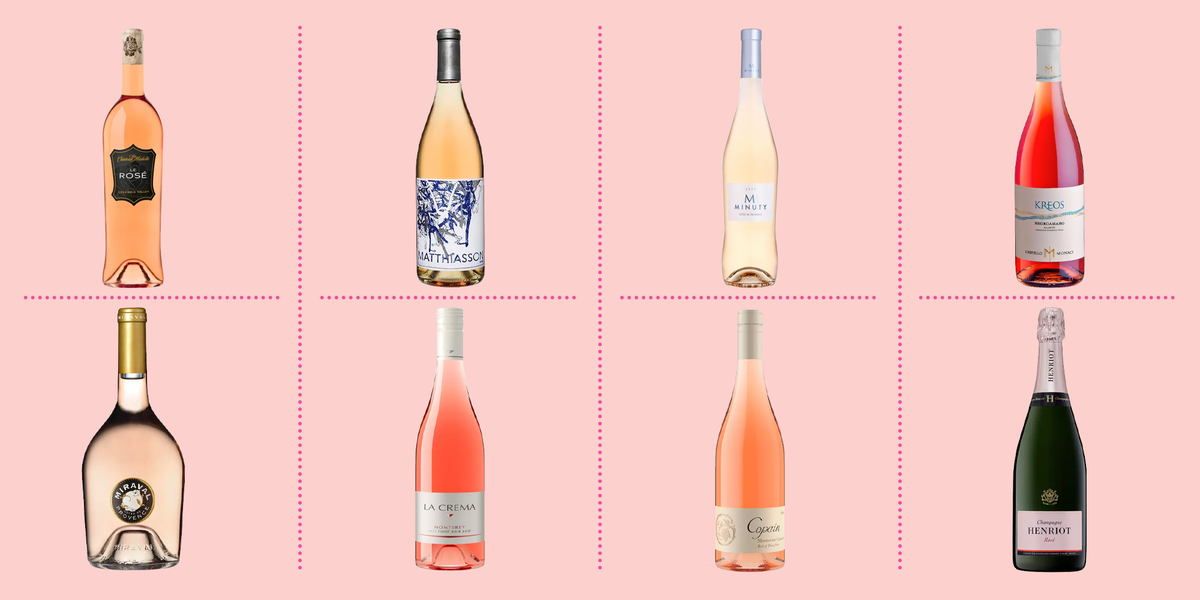
Rosé has always had a certain reputation. It is the pink drink that shows up at brunch, steals the picnic table, and somehow makes even a folding chair feel fancy. But in 2024, a growing number of people want that same crisp, fruity, elegant experience without the alcohol. That is where non-alcoholic rosé steps in, looking polished, tasting refreshing, and letting everyone enjoy the moment without the buzz, the headache, or the awkward “Was I really texting that person at 1:14 a.m.?” aftermath.
This guide explores the best non-alcoholic rosé alternatives of 2024, what makes a great alcohol-free pink drink, and how to choose the right bottle for everything from summer parties to quiet nights at home. If you are searching for the best alcohol-free rosé, top non-alcoholic sparkling rosé, or simply a delicious pink beverage that feels grown-up and celebratory, you are in the right place.
Why Non-Alcoholic Rosé Is Having a Big Year
The alcohol-free beverage space is no longer a tiny shelf hidden in the back corner of the store next to dusty soda mixers and mysterious tonic water. It has become one of the fastest-growing categories in modern drinks. Consumers are paying more attention to wellness, sleep quality, hydration, and social habits. Many want sophisticated beverages for dinners, parties, weddings, and weekend lounging, but they do not always want alcohol involved.
That shift has pushed beverage brands to create more refined options. The best non-alcoholic rosé drinks now offer balanced acidity, berry notes, floral aromas, and that light, bright color people love. Some are sparkling and festive. Others are still and subtle. A few lean juicy and fruit-forward, while others mimic the structure of wine more closely.
In other words, the category has grown up. Finally, pink drinks have been given the serious treatment they deserve.
What Makes a Great Non-Alcoholic Rosé?
Not every pink bottle deserves a spot on the table. Some taste like melted candy with commitment issues. Others are sharp, flat, or oddly syrupy. The best options usually get a few key things right.
1. Balanced Flavor
A strong alcohol-free rosé should have a mix of fruit, acidity, and freshness. Think strawberry, raspberry, watermelon, citrus, peach, or hibiscus, with enough crispness to keep the drink lively.
2. Clean Finish
The best non-alcoholic rosé alternatives feel refreshing instead of heavy. A clean finish makes a drink easier to pair with food and more enjoyable over a full glass.
3. Texture and Complexity
Some top products use tea, botanicals, grapes, herbs, or dealcoholized wine to build complexity. That matters because a good grown-up drink should taste layered, not like pink juice wearing a fancy label.
4. Versatility
Great alcohol-free rosé should work at brunch, barbecues, birthdays, baby showers, date nights, and solo evenings when you want something more exciting than plain sparkling water.
10 Best Non-Alcoholic Rosé Alternatives of 2024
1. Sparkling Rosé Grape Blends
One of the strongest categories in 2024 is the sparkling grape-based rosé alternative. These drinks often use premium grape juice, carbonation, and carefully calibrated acidity to create a festive, wine-adjacent experience. The best ones are light, dry-leaning, and full of red berry character. They work especially well for celebrations because the bubbles instantly make the moment feel special.
2. Dealcoholized Rosé Wine Alternatives
Some brands start with real rosé wine and remove the alcohol later. These products often come closest to traditional rosé in aroma and structure. The better versions keep notes of strawberry, citrus peel, melon, and herbs, with less sweetness than basic juice drinks. They are ideal for readers searching for a non-alcoholic rosé that feels more authentic and food-friendly.
3. Botanical Rosé-Style Drinks
Botanical blends are for people who want elegance without imitation. These drinks often combine grape must, tea, herbs, rose petals, hibiscus, and fruit extracts. The result can be floral, complex, and lightly tannic. They do not always taste like traditional rosé wine, but they offer a sophisticated pink drink that feels modern and interesting.
4. Sparkling Tea Rosé Alternatives
Sparkling tea has quietly become one of the smartest alternatives in the alcohol-free market. Rosé-style versions often blend white tea, hibiscus, berries, or stone fruit flavors. They tend to be crisp, slightly dry, and wonderfully food-friendly. If you want something elegant with sushi, salads, roasted vegetables, or fruit desserts, sparkling tea deserves serious attention.
5. Low-Sugar Pink Sparkling Drinks
Some consumers love the visual charm of rosé but want a beverage with less sugar and a lighter nutritional profile. That has opened the door for more low-sugar pink sparkling drinks made with fruit essence, botanical extracts, and subtle carbonation. These options are often refreshing in hot weather and appeal to people who prefer cleaner labels and lighter flavors.
6. Premium Canned Alcohol-Free Rosé
Cans have come a long way. Today’s premium canned rosé alternatives are portable, stylish, and surprisingly polished. They are perfect for picnics, beach days, concerts, and outdoor gatherings where glass bottles are inconvenient. The best canned options deliver crisp berry notes and gentle bubbles without feeling cheap or overly sweet.
7. Rosé Kombucha for a Tangy Twist
For adventurous drinkers, rosé-inspired kombucha brings tang, fizz, and complexity. It is not a direct rosé substitute, but it can scratch a similar itch when you want something bright, pink, and layered. Some versions offer berry, floral, and citrus notes that make them especially appealing at brunch or with lighter meals.
8. Non-Alcoholic Rosé for Food Pairing
The best alcohol-free rosé alternatives are not just sipping drinks. They also pair beautifully with food. Look for dry or semi-dry bottles with enough acidity to complement dishes like grilled vegetables, soft cheeses, pasta salad, flatbreads, seafood alternatives, and fruit-forward desserts. A versatile rosé-style drink should move comfortably from appetizer to dessert without getting lost.
9. Party-Friendly Sweet Rosé Alternatives
Some people simply enjoy a sweeter pink drink, and there is nothing wrong with that. Sweet rosé alternatives can be crowd-pleasers at showers, birthday parties, and holiday celebrations. The key is choosing one with enough acidity to keep the sweetness lively rather than cloying. Think fresh berries and peach instead of melted popsicle vibes.
10. Luxury Alcohol-Free Rosé Bottles
At the top end of the market, luxury alcohol-free rosé options focus on premium presentation, nuanced flavor, and occasion-worthy appeal. These are the bottles you bring to a dinner party when you want something refined, thoughtful, and visually stunning. They often feature more restrained sweetness, longer finishes, and a more serious approach to craftsmanship.
How to Choose the Best Non-Alcoholic Rosé for Your Taste
Know Your Style Preference
Start by asking what you usually enjoy in a pink drink. Do you like crisp and dry flavors? Choose dealcoholized rosé or sparkling tea. Prefer juicy and fruity options? Grape-based sparkling rosé may be the better fit. Love floral complexity? Botanical blends are worth exploring.
Check the Sweetness Level
Sweetness can make or break the experience. Some products are clearly dessert-like, while others lean bright and restrained. Reading tasting notes or product descriptions can help you avoid surprises.
Think About the Occasion
A canned rosé alternative is perfect for outdoor events. A premium bottle makes more sense for a dinner party. A lightly sparkling tea may be the ideal brunch companion. The best drink depends on where and how you plan to serve it.
Best Food Pairings for Alcohol-Free Rosé
Non-alcoholic rosé alternatives work beautifully with a range of foods. They shine with strawberry salads, goat cheese, grilled peach dishes, roasted vegetables, herb pasta, Mediterranean plates, and picnic snacks. Sparkling options are excellent with salty appetizers because the bubbles refresh the palate. Sweeter styles can pair nicely with pastries, tarts, and fruit-based desserts.
If you want a simple rule, aim for dishes that are fresh, bright, and not too heavy. Rosé-style drinks usually prefer sunshine on the plate.
Why These Drinks Appeal to So Many People
Part of the charm is flexibility. Alcohol-free rosé alternatives fit into more situations than many traditional beverages. They are suitable for daytime events, family celebrations, work lunches, wellness-focused routines, and any moment when someone wants a festive drink without alcohol. They also let everyone at the table enjoy something elegant, whether they skip alcohol all the time or just occasionally.
That inclusivity matters. Nobody wants to show up with a fancy glass while someone else is stuck with plain soda and a lemon wedge pretending everything is fine. A good non-alcoholic rosé helps make the table feel more welcoming for everyone.
Experience and Lifestyle Notes: Why This Trend Feels Personal
There is something oddly delightful about pouring a pink sparkling drink into a nice glass, even when the event is not particularly glamorous. Maybe it is a Tuesday. Maybe the “party platter” is really crackers and fruit arranged with suspicious optimism. Maybe the playlist is just one person repeatedly skipping songs. Still, a beautiful rosé-style drink has a way of turning ordinary moments into something lighter and more intentional.
That is one reason the non-alcoholic rosé trend connects with so many people. It is not just about removing alcohol. It is about keeping the ritual. The chilled bottle. The pop of the cork. The pretty color catching the light. The feeling that this meal, this afternoon, or this conversation matters enough to mark with something special.
For many people, the appeal is also social. At a summer gathering, a baby shower, a graduation brunch, or a holiday dinner, alcohol-free rosé gives everyone a polished option. Nobody feels left out. Nobody has to explain what they are drinking. The bottle looks festive, the drink tastes intentional, and the mood stays relaxed. That can make hosting easier and more inclusive.
Then there is the simple sensory side of it. Pink drinks tend to signal freshness. Berry notes feel cheerful. Citrus feels bright. Floral aromas feel elegant without trying too hard. Even before the first sip, the experience is already working on your brain a little bit, whispering, “See? This is nicer than plain water.” And honestly, sometimes that is enough.
People also enjoy exploring the category because it feels new. The best brands are experimenting with grapes, teas, herbs, botanicals, and premium sparkling blends. That gives consumers more room to discover what they like. Some find they love dry sparkling tea more than expected. Others prefer fruit-forward pink blends with brunch. Some want a bottle that feels formal; others just want a can that behaves itself at a picnic.
There is also a practical side that makes the experience more enjoyable. You can enjoy an alcohol-free rosé-style drink at lunch and still feel productive later. You can bring it to an event without worrying about who is driving. You can keep the social ritual while skipping the downsides. For many people, that balance feels like a win rather than a compromise.
And let us be honest: part of the fun is aesthetic. Rosé, even in alcohol-free form, knows how to work a camera. It looks great on a patio table, next to fruit, beside a cheese board, or in a clean glass over ice. That does not make it shallow. It just means this category understands presentation, and consumers clearly appreciate that.
In daily life, these drinks can fit into all sorts of small rituals. A Friday movie night. A backyard lunch. A birthday toast. A quiet reading hour on the balcony. A family gathering where different ages and preferences are all at the same table. The best non-alcoholic rosé alternatives add a little polish to those moments without making them feel complicated.
That is really the heart of the trend. People are not simply buying a pink beverage. They are buying an experience: something refreshing, celebratory, visually appealing, and easy to share. The strongest products in 2024 understand that. They are not trying to be afterthoughts. They are trying to earn a real place at the table.
Final Thoughts
The best non-alcoholic rosé alternatives of 2024 prove that alcohol-free drinks no longer need to be boring, overly sweet, or socially invisible. Today’s top options range from crisp sparkling grape blends to elegant dealcoholized rosé, floral botanical bottles, and food-friendly sparkling tea. Whether you want something for brunch, celebrations, or everyday sipping, there is likely a pink bottle that matches your taste and your moment.
The smartest choice depends on what you value most: dryness, bubbles, fruit, complexity, low sugar, portability, or presentation. But one thing is clear. The category has become more stylish, more flavorful, and a lot more fun. Which is nice, because if a drink is going to be pink, it should at least show up with confidence.