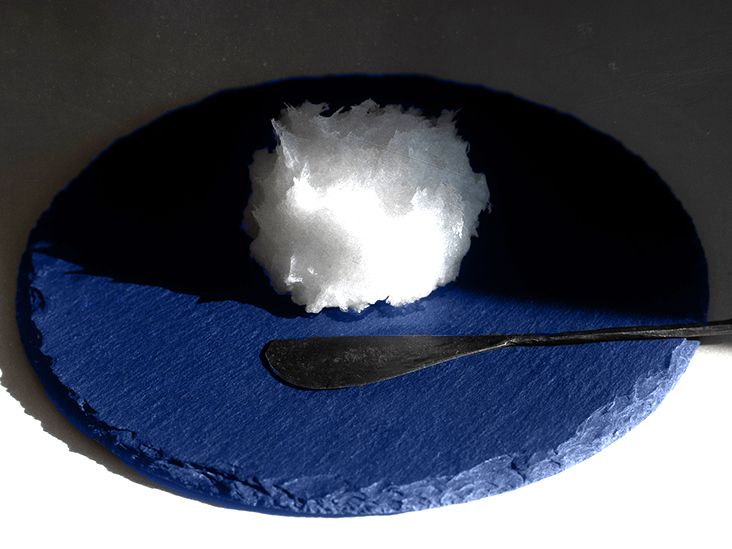
Sunburn has a special talent for turning a “quick ten minutes outside” into a full-body reminder that the sun is, in fact, a giant flaming ball. When your shoulders feel like toasted marshmallows and your skin is radiating enough heat to warm leftovers, it is natural to start searching the kitchen, bathroom cabinet, and possibly your grandmother’s entire home-remedy playbook for relief. One popular option that always seems to show up is coconut oil.
But does coconut oil for sunburn actually work? The honest answer is: sometimes, but not the way many people think. Coconut oil may help moisturize dry, peeling skin after the worst heat and inflammation have calmed down. It is not a true sunburn cure, it should not be used as sunscreen, and it is usually not the best first thing to apply when your skin is still hot, red, swollen, tender, or blistered.
In other words, coconut oil is not the superhero of sunburn relief. It is more like the friend who shows up later with snacks and a soft blanket. Helpful? Yes. First responder? Not exactly.
What Is Sunburn, Really?
Sunburn is an inflammatory reaction caused by too much ultraviolet radiation, especially UVB rays, although UVA rays also contribute to skin aging and deeper damage. The redness, pain, warmth, swelling, tightness, itching, and peeling are signs that your skin cells have been injured. Your body responds by increasing blood flow, triggering inflammation, and beginning the repair process.
That is why sunburn does not always show up immediately. You may leave the beach thinking, “I look lightly bronzed,” only to meet your lobster alter ego in the bathroom mirror four hours later. Symptoms often become more noticeable several hours after exposure and can peak within the first day.
So, Does Coconut Oil Help Sunburn?
Coconut oil can help with one part of sunburn care: moisture. It contains fatty acids that can soften the skin and reduce water loss from the surface. Virgin coconut oil has also been studied for skin-barrier support and anti-inflammatory properties in certain skin conditions. That sounds promising, and it is, but context matters.
A sunburn is not just “dry skin.” It is injured, inflamed skin. In the early stage, your skin is hot and irritated. Applying a heavy oil too soon may feel uncomfortable, greasy, and heat-trapping. It can also irritate sensitive skin, clog pores, or create problems if applied over blisters, broken skin, or areas at risk for infection.
The best use of coconut oil for sunburn is later in the healing process, after you have cooled the skin and the burn is no longer intensely hot or painful. At that point, a thin layer may help reduce tightness and dryness, especially when peeling begins.
When Coconut Oil May Be Useful
Coconut oil may be useful for mild sunburn when the skin is intact, no blisters are present, and the burning heat has settled. It may help skin feel softer during the dry, flaky stage. For example, if your shoulders are no longer fiery but feel tight and papery two days later, a small amount of coconut oil may help seal in moisture after a cool shower.
Think of it as a finishing step, not the main treatment. First cool the burn. Then hydrate your body. Then use a gentle moisturizer. Coconut oil can be considered only when your skin is ready for something richer.
When You Should Avoid Coconut Oil on Sunburn
Avoid coconut oil if the sunburn is fresh, hot, swollen, blistered, oozing, cracked, infected, or extremely painful. Also skip it if you have acne-prone skin, folliculitis, eczema that reacts badly to oils, or a known sensitivity to coconut-based products.
Never apply coconut oil to open blisters or raw peeling skin. Blisters act like natural bandages, and popping them or covering damaged skin with random products can increase irritation and infection risk. If your skin is blistering badly, your body is sending a clear message: this is not the time for a tropical spa moment.
What to Use First Instead of Coconut Oil
The first goal of sunburn treatment is to cool the skin and calm inflammation. Start with a cool bath or shower, or apply cool, damp compresses for 10 to 15 minutes at a time. Do not use ice directly on sunburned skin. Ice may sound heroic, but on damaged skin it can be too harsh.
After cooling, apply a lightweight, fragrance-free moisturizer while the skin is still slightly damp. Products containing aloe vera or soy are commonly recommended because they can soothe and moisturize. Aloe vera gel is popular for a reason: it feels cool, light, and less greasy than oil. Choose simple formulas without alcohol, dyes, strong fragrance, or numbing ingredients such as benzocaine, which may irritate some people.
For discomfort, an over-the-counter pain reliever such as ibuprofen or aspirin may help reduce pain and swelling for many adults, as long as you can take those medications safely. Drink extra water, too. Sunburn draws fluid toward the skin’s surface, and dehydration can make you feel worse.
How to Use Coconut Oil Safely for Sunburn
If you decide to use coconut oil, timing and technique matter. Wait until the burn has cooled and the strongest redness, heat, and tenderness have improved. Wash your hands first. Apply a tiny amount to a small test area and wait several hours to check for stinging, itching, rash, or clogged pores.
If your skin tolerates it, apply a very thin layer over intact, dry, peeling skin. More is not better. You are moisturizing skin, not buttering a Thanksgiving turkey. A heavy coat can feel sticky and uncomfortable, especially in hot weather.
Simple Coconut Oil Sunburn Routine
Here is a sensible routine for mild sunburn:
- Take a cool shower or apply cool compresses.
- Pat skin gently; do not rub.
- Apply aloe vera gel or a fragrance-free moisturizer.
- Drink extra water.
- Wear loose, soft clothing.
- After the heat fades, use a tiny amount of coconut oil only on intact, dry, peeling areas if your skin tolerates it.
Coconut Oil Is Not Sunscreen
This point deserves its own spotlight, preferably one wearing a wide-brimmed hat: coconut oil is not sunscreen. Some online claims suggest that coconut oil has a natural SPF. Even if it offers minimal UV filtering in a lab setting, it does not provide reliable, broad-spectrum protection against UVA and UVB rays. Using coconut oil as sunscreen is a fast way to become the main character in a cautionary beach story.
For sun protection, use a broad-spectrum, water-resistant sunscreen with SPF 30 or higher. Apply it generously before going outside and reapply at least every two hours, or sooner after swimming, sweating, or towel-drying. Sunscreen works best as part of a full sun-safety plan: seek shade, wear sunglasses, choose protective clothing, and avoid peak UV hours when possible.
Coconut Oil vs. Aloe Vera for Sunburn
If your sunburn is fresh and hot, aloe vera usually wins. Aloe feels cooling and lightweight, which is exactly what angry skin wants. Coconut oil is heavier and more occlusive, meaning it sits on the skin and helps reduce moisture loss. That can be helpful later, but it may feel unpleasant during the early burning stage.
A good way to compare them is this: aloe vera is like opening a window in a stuffy room; coconut oil is like closing the door to keep warmth in. Both can be useful, but timing changes everything.
Coconut Oil vs. Regular Moisturizer
A gentle, fragrance-free moisturizer is often a safer first choice than coconut oil because it is designed for skin, spreads easily, and may contain ingredients like glycerin, ceramides, hyaluronic acid, or dimethicone. These ingredients can hydrate and support the skin barrier without feeling as greasy.
Coconut oil is simple and affordable, but it is not ideal for everyone. Some people love it. Others break out, itch, or feel like they have been glazed like a donut. If you already know coconut oil disagrees with your face, chest, or back, do not test its personality on sunburned skin.
Can Coconut Oil Make Sunburn Worse?
It can, especially if used at the wrong time or on the wrong type of burn. Applying coconut oil to very hot skin may make the area feel warmer and more uncomfortable. Applying it over blisters or broken skin may increase irritation. Using too much can clog pores and trigger bumps, especially on the back, chest, shoulders, and face.
Also, coconut oil does not reverse UV damage. Even if your skin feels softer, the sunburn still happened. The goal is to support healing and prevent another burn, not pretend the sun did not just write an angry review on your epidermis.
What About Coconut Water?
Coconut water will not treat sunburn from the outside, but staying hydrated can help you feel better. If you like coconut water, it can be part of your fluid intake after too much sun. Plain water works, too. If you have been sweating heavily, an electrolyte drink may help. Just do not pour coconut water on your shoulders and call it medicine. Your skin will be sticky, confused, and possibly popular with ants.
How Long Does Sunburn Take to Heal?
Mild sunburn may improve within three to five days. Moderate sunburn with more redness, tenderness, and peeling may take about a week. Severe sunburn with blistering can take longer and may require medical care. Peeling is part of the body’s process of shedding damaged cells, but do not help it along by picking. Let the flakes leave on their own schedule, even if they are being dramatic.
When to See a Doctor
Get medical help if you have severe blistering, fever, chills, nausea, dizziness, confusion, dehydration, signs of infection, worsening pain, swelling, pus, red streaks, or sunburn covering a large area of the body. Babies, young children, older adults, and people with certain medical conditions should be treated with extra caution.
You should also seek care if the burn does not improve after a few days or if pain is intense. Sun poisoning, heat exhaustion, and heatstroke are not “walk it off” situations. Your skin may be the visible problem, but your whole body can be affected by excessive sun and heat.
Best Home Remedies for Sunburn Relief
Cool Compresses
Cool compresses are simple, cheap, and effective. Soak a clean cloth in cool water, wring it out, and place it on the burned area. Repeat as needed. This helps reduce heat and discomfort without adding irritating ingredients.
Aloe Vera Gel
Aloe vera is one of the most practical sunburn soothers. Choose a product with minimal ingredients and avoid alcohol-heavy formulas that can dry or sting. Refrigerating aloe gel before use can make it feel even better.
Fragrance-Free Moisturizer
A gentle moisturizer helps reduce dryness and tightness. Apply it after bathing while skin is slightly damp. Reapply when the skin feels uncomfortable.
Oatmeal Bath
Colloidal oatmeal baths may help itchy, irritated skin. Keep the water cool or lukewarm, not hot. Hot water may make sunburn feel worse.
Loose Clothing
Soft, breathable clothing prevents friction. This is not the moment for tight denim, scratchy fabrics, or anything that requires bravery to remove.
How to Prevent Sunburn Next Time
The best sunburn remedy is not getting burned in the first place, which is annoying advice but medically excellent. Use broad-spectrum SPF 30 or higher, apply enough sunscreen, and reapply frequently. Wear a hat, sunglasses, and UPF-rated clothing when possible. Seek shade, especially during late morning through mid-afternoon when UV rays are often strongest.
Remember that cloudy days can still burn you. Water, sand, snow, and concrete can reflect UV rays. You can also burn while driving, gardening, watching outdoor sports, or “just walking around for a little bit.” The sun has range.
Practical Experiences: What People Learn After Trying Coconut Oil for Sunburn
Experience teaches sunburn lessons faster than any label on a sunscreen bottle. Many people try coconut oil because it is already at home, smells comforting, and feels natural. The first mistake often happens right after coming indoors: skin is hot, tight, and red, and someone reaches for coconut oil immediately. At first it may feel smooth, but after a few minutes the skin may feel warmer, greasier, and more irritated. That is usually because the burn needed cooling first, not sealing.
A better experience usually looks different. Imagine someone spends the afternoon at a lake, misses the back of the neck with sunscreen, and comes home with a bright red souvenir. Instead of rubbing oil on it, they take a cool shower, pat dry carefully, apply chilled aloe vera gel, drink water, and wear a loose cotton shirt. The next day, the burn feels less hot but starts to feel dry. On day two or three, when peeling begins, they apply a tiny amount of coconut oil over a plain moisturizer to help soften flaky areas. That is a much more reasonable use.
People with acne-prone skin often learn another lesson: coconut oil on the shoulders, chest, or face can trigger clogged pores. A sunburn breakout is deeply unfair, like getting a parking ticket while helping someone move. If bumps or breakouts happen, switch to a noncomedogenic, fragrance-free moisturizer instead.
Another common experience is the “natural sunscreen” mistake. Someone reads that coconut oil has sun-protective properties, applies it before a pool day, and ends up burned. This is one of the most important myths to retire. Coconut oil may make skin shiny, but shiny is not the same as protected. For outdoor time, real sunscreen is non-negotiable.
Parents also tend to be cautious after one bad burn. For kids, simple care is best: cool water, gentle moisturizer, fluids, shade, and medical advice when needed. Essential oils, heavy oils, butter, toothpaste, and mystery internet potions should stay far away from children’s sunburned skin. Childhood blistering burns are especially concerning because sun damage accumulates over a lifetime.
The most useful takeaway from real-world experience is that sunburn care is about stages. Stage one is cooling. Stage two is calming. Stage three is moisturizing and protecting. Coconut oil belongs, if at all, in stage three. Used carefully, it may help dry, peeling skin feel more comfortable. Used too early, too heavily, or on damaged skin, it may create more drama than relief.
Final Verdict: Is Coconut Oil Good for Sunburn?
Coconut oil can be helpful for mild sunburn after the skin has cooled and entered the dry or peeling stage. It may moisturize, soften, and reduce tightness. However, it is not the best first treatment for fresh sunburn, does not cure UV damage, should not be applied to blisters or broken skin, and absolutely should not be used as sunscreen.
For immediate sunburn relief, choose cool compresses, cool showers, aloe vera gel, fragrance-free moisturizer, hydration, loose clothing, and appropriate over-the-counter pain relief when safe. Save coconut oil for later, use only a thin layer, and listen to your skin. If your skin says, “No thank you,” believe it.
Note: This article is for general educational purposes only and is not a substitute for medical advice. Severe sunburn, blistering, fever, dehydration, infection signs, or worsening symptoms should be evaluated by a healthcare professional.