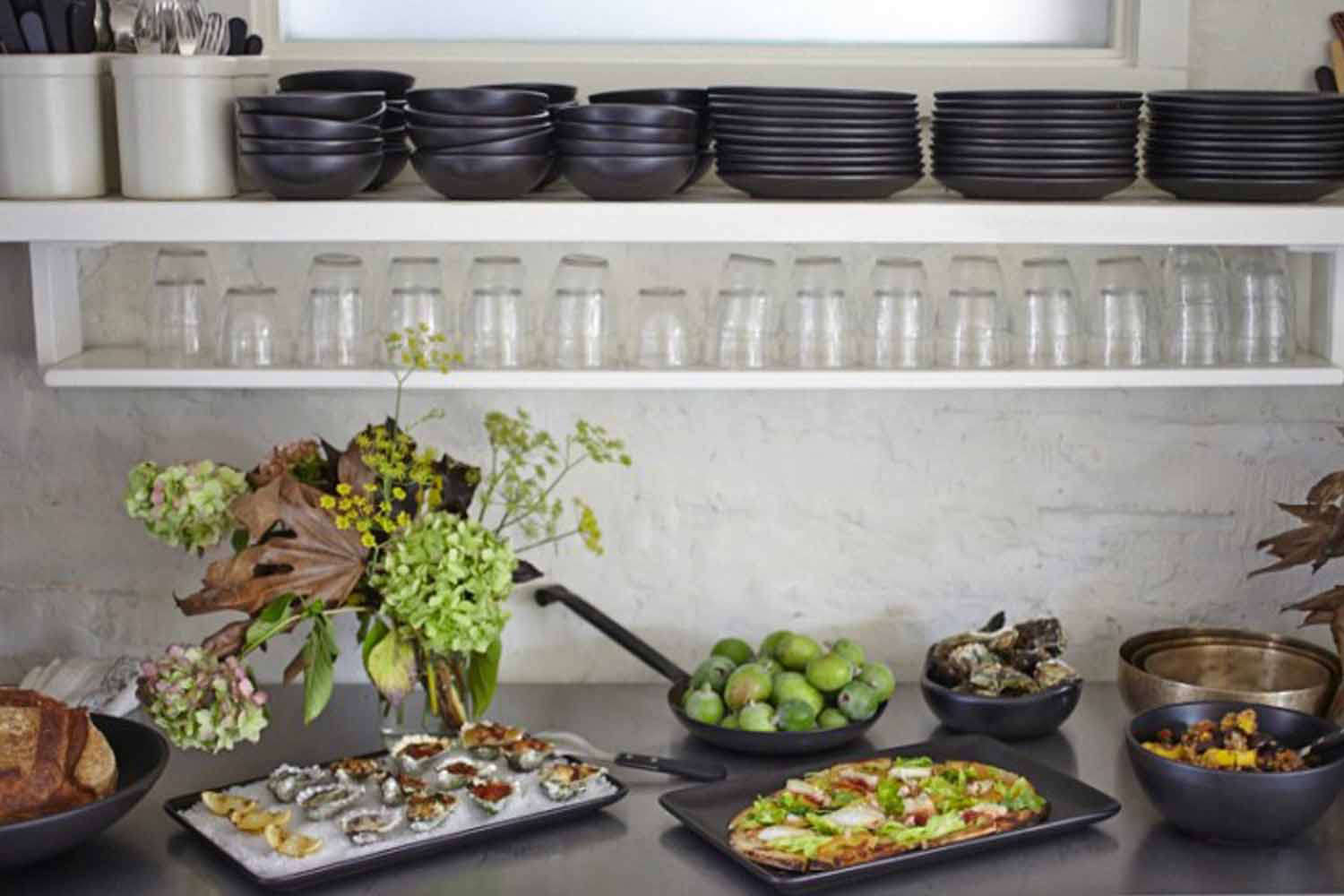
The best holiday houses are not decorated within an inch of their lives. They are prepared for real people: hungry guests, tired travelers, curious children, enthusiastic cooks, and at least one relative who will ask for the Wi-Fi password before removing a coat.
Inspired by Remodelista’s 2015 “The Holiday House” issue, this guide revisits its enduring ideas about Scandinavian kitchens, character-rich interiors, practical tableware, thoughtful lodging, and relaxed entertaining. It also translates that editorial inspiration into a complete plan for creating a welcoming, functional, and safe holiday home.
What “The Holiday House” Really Means
Remodelista introduced “The Holiday House” as a week of early preparation: stocking the pantry, counting napkins, planning gatherings, and considering where visiting guests might stay. The theme was broader than Christmas decorating. It explored how design supports hospitality.
That distinction matters. A room can photograph beautifully yet fail spectacularly when twelve people need chairs, three cooks need counter space, and somebody discovers that the only bathroom hand towel is decorative. A successful holiday house balances atmosphere with movement, storage, durability, comfort, and safety.
The original collection ranged from René Redzepi’s Scandinavian-influenced kitchen and Joshua Vogel’s handcrafted wooden spoons to a remodeled English barn, a Nordic-inspired New York hotel, crowd-ready tableware, and a formerly bland Long Island house given an appealing sense of history. Together, these features argued for a home that is useful, personal, and pleasantly imperfect.
The Design Themes Behind the Original Holiday House
Practicality Can Be Beautiful
The featured Scandinavian kitchen demonstrated the quiet appeal of hardworking objects: cast-iron cookware, a substantial mortar and pestle, natural materials, and equipment meant to be used rather than admired from a safe distance. The lesson is not that every kitchen needs restaurant-grade gear. It is that useful things deserve convenient storage and room to work.
Craft Gives Ordinary Objects Meaning
Joshua Vogel’s wooden spoons represented a slower, tactile side of domestic life. A carved utensil carries variations that factory-perfect objects do not. Displayed in a crock or used to stir a holiday sauce, it adds warmth without requiring another glitter-covered reindeer.
Old and New Belong Together
The rural Norfolk renovation connected a former tithe barn and piggery with a contemporary living pavilion. Brick floors, stained wood, preserved masonry, and restrained modern additions allowed the property’s agricultural history to remain visible. This principle works in ordinary houses, too: respect what is already good, repair before replacing, and let new pieces converse with older ones.
Character Can Be Created
Jersey Ice Cream Co.’s Long Island project tackled a relatively new house that lacked personality. Paneling, layered rugs, vintage furnishings, plaster, wallpaper, built-ins, and mixed metals created the impression of a home that had evolved over time. The transformation showed that character does not arrive exclusively with antique beams and a resident ghost named Edith.
Build a Holiday-Ready Kitchen
A holiday kitchen needs a plan more urgently than it needs a decorative tea towel. Begin by clearing one counter for food preparation and another surface for finished dishes, beverages, or desserts. Temporarily relocate mail, appliances you will not use, and the mysterious bowl containing three batteries and a key nobody recognizes.
Create Work Zones
Divide the room into preparation, cooking, serving, beverage, and cleanup zones. Keep glasses, ice, coffee, and bottle openers away from the main cooking area so guests can help themselves without drifting toward hot pans. Put trash and recycling containers where visitors can find them without conducting an archaeological expedition beneath the sink.
Choose a Manageable Menu
Four or five well-chosen dishes can feel more generous than an enormous menu that leaves the host exhausted. Favor foods that can be prepared ahead, reheated successfully, or served in batches. Soups, casseroles, roasted vegetables, cold salads, baked desserts, and sturdy appetizers generally tolerate a schedule better than dishes demanding last-second attention.
Protect Food Quality and Safety
Use a food thermometer instead of relying on color or optimism. The USDA advises holding hot buffet food at 140 degrees Fahrenheit or warmer and cold food at 40 degrees or colder. Perishable dishes should not remain at room temperature for more than two hours, or one hour when temperatures exceed 90 degrees. Small platters are useful because they can be refreshed from the refrigerator rather than left out all afternoon.
Provide shallow containers for leftovers and refrigerate them promptly. Labeling containers also prevents the classic December mystery: “Is this gravy, chocolate sauce, or something we should quietly throw away?”
Set a Relaxed and Memorable Holiday Table
The original Holiday House issue proposed an unfussy Thanksgiving table using leather flatware pouches and square placemats. The enduring idea is organization with personality. Guests do not need a formal lesson in fork geography; they need a comfortable place to sit and the correct tool for eating pie.
Start with a Simple Foundation
Use neutral dinnerware, sturdy glasses, washable linens, and flatware that can be replaced individually. Basic white plates make food look appealing and mix easily with heirloom dishes, colored napkins, or mismatched serving pieces. Cloth dish towels can even become casual napkins when the guest list outruns the linen closet.
Add Texture Instead of Clutter
Bring in warmth through linen, wood, pottery, evergreen branches, dried citrus, or small arrangements of seasonal foliage. Keep centerpieces low enough for conversation. If guests must lean around a towering arrangement to speak, the centerpiece has become a privacy hedge.
Choose one restrained palette and repeat it through napkins, candles, flowers, and serving pieces. A consistent combination such as evergreen, cream, and brass looks intentional without making every object match.
Make Room for the Meal
Set the table in advance and conduct a practical test. Place every serving bowl, platter, trivet, and utensil where it will be used. This rehearsal reveals whether the turkey platter fits, whether chairs collide, and whether the magnificent centerpiece occupies the only available space for dinner.
Stock Entertaining Essentials Without Overspending
Remodelista’s crowd-entertaining recommendations emphasized durable, versatile items that could be purchased rather than repeatedly rented. The smartest collection grows gradually and avoids pieces that perform only one highly specific holiday trick.
- Plain dinner plates, side plates, bowls, and drinking glasses
- Open-stock stainless-steel flatware
- Washable cotton or linen napkins
- Serving bowls in several sizes
- Two large platters and reliable trivets
- Water pitchers or carafes
- Folding chairs or compact stools
- Food-storage containers for leftovers
- A corkscrew, bottle opener, ice bucket, and coffee setup
Mixing vintage and modern pieces creates a collected appearance and makes breakage less dramatic. If one glass meets the floor, the entire set does not become emotionally incomplete. Before buying anything, count what you own and compare it with the confirmed guest list. Napkin arithmetic is not glamorous, but neither is handing Uncle Robert a paper towel decorated with snowmen because the linen supply ended at eight.
Give the Holiday House Character Without Overdecorating
Character comes from layers, not volume. Vintage furniture, framed family photographs, handmade ceramics, books, worn wood, and textiles with visible texture can make a room feel established. The goal is not to simulate a historic estate. It is to let the house reveal something about the people who live there.
Work with the Existing Architecture
Notice the room’s strongest features before adding decorations. A fireplace may need only greenery on the mantel. A wide window can frame outdoor lights. Built-in shelves can hold a few ornaments among books rather than surrendering every inch to seasonal objects.
In newer or plain rooms, architectural character can come from painted paneling, wallpaper in a contained area, a vintage cabinet, warm lighting, or a substantial rug. Mixed metals can work when repeated deliberately. Brass, copper, and stainless steel do not have to behave like rival families at dinner.
Decorate for Movement
Leave halls, stairways, doorways, and main walking paths clear. Avoid fragile objects on low tables when children or pets are visiting. Secure rugs, manage electrical cords, and preserve landing places for drinks. The most successful decoration supports the gathering instead of turning the room into an obstacle course wearing a velvet bow.
Prepare Comfortable Spaces for Overnight Guests
The Nordic-inspired Boro Hotel featured in the original issue offered a useful hospitality lesson: restrained rooms can still feel memorable through good materials, effective lighting, comfortable furniture, and local character. At home, guests need fewer decorative objects and more control over basic comforts.
Wash the bedding, check the mattress, place towels where they are obvious, and provide more than one blanket option. Clear a drawer, luggage surface, or section of closet with empty hangers. A nightstand should have a reading lamp, accessible outlet, water, tissues, and enough open space for a phone and eyeglasses.
Leave the Wi-Fi password and simple household information in writing. Include instructions for complicated locks, thermostats, coffee makers, or smart lights. A guest should not need a software tutorial to illuminate the bathroom at 2 a.m.
If there is no dedicated guest room, a daybed, sleeper sofa, Murphy bed, or quality folding mattress can transform a multipurpose space. Add a privacy screen, eye mask, earplugs, and a basket for personal belongings. What matters most is giving visitors a defined place where they can rest and retreat.
Plan How the Gathering Will Flow
Good hosting often looks effortless because its structure is nearly invisible. Start the guest experience at the entrance with adequate lighting, a clear walkway, and space for coats, wet umbrellas, bags, and shoes. Offer a drink or direct guests to a self-service station soon after they arrive.
Spread activity across the house when possible. Put appetizers away from the stove, beverages outside the kitchen’s main work triangle, and desserts on a sideboard until needed. A buffet can reduce pressure on both the table and host, particularly for an open house where people arrive at different times.
Add extra seating in conversation areas, but do not force every chair against a wall. Small groupings encourage interaction. For children, prepare a contained activity such as coloring, cookie decorating, puzzles, or simple crafts. Protect the table with kraft paper and choose supplies that do not require an emergency call to the upholstery cleaner.
Music should support conversation rather than compete with it. Begin with a longer playlist than you think you need, keep the volume moderate, and avoid giving one enthusiastic guest unrestricted access unless everyone is prepared for an abrupt transition from jazz to power ballads.
Keep the Holiday House Safe
Test smoke and carbon-monoxide alarms before guests arrive. Make sure exits are visible and unobstructed, especially if furniture has been rearranged. Use the correct ladder on level ground when decorating, and ask another adult to steady it.
Inspect seasonal lights for cracked sockets, damaged wires, and loose connections. Use products tested by a recognized safety laboratory, follow indoor or outdoor labels, and choose extension cords rated for the intended location and load. Unplug lights before leaving the house or going to sleep.
Keep live trees watered and away from fireplaces, radiators, vents, and other heat sources. Place candles on stable, nonflammable surfaces, keep them away from greenery and fabric, and extinguish them before leaving the room. Flameless candles are a sensible option in busy areas or homes with children and pets.
In the kitchen, never leave stovetop cooking unattended. Keep handles turned away from edges and establish a child-free zone around hot appliances. Clear ice, snow, leaves, and loose decorations from outdoor paths. Hospitality begins with warmth, but ideally not the kind requiring a fire extinguisher.
A Practical Holiday House Preparation Timeline
Two to Three Weeks Before
Confirm the guest list, ask about allergies and accessibility needs, plan the menu, count tableware, arrange extra seating, and schedule repairs. Prepare sleeping assignments before promising the same sofa bed to three cousins.
One Week Before
Clean the guest room, launder bedding, clear coat storage, check alarms, inspect lights, and purchase shelf-stable groceries. Prepare or freeze suitable dishes and organize serving pieces.
Two Days Before
Shop for perishables, prepare desserts and sauces, chill beverages, set up guest supplies, and clean high-traffic areas. Focus on the entry, kitchen, living room, dining area, bathrooms, and guest spaces rather than deep-cleaning rooms nobody will enter.
The Day Before
Set the table, label serving dishes, arrange the beverage station, prepare make-ahead foods, and empty the dishwasher. Walk through the house as if you were a guest, checking lighting, temperature, seating, and bathroom supplies.
The Day of the Gathering
Finish cooking in a realistic sequence, put food and drinks out before the first arrival, and change into party clothes earlier than seems necessary. Build a margin for surprises. The rolls may brown too quickly, somebody may arrive an hour early, and the dog may develop an unexpected interest in ribbon.
Experiences and Lessons from a Holiday House
The most useful way to understand a holiday house is to experience one from both sides of the door. Imagine arriving on a cold Friday evening after a long drive. The porch is well lit, the path is clear, and there is an obvious place to put a damp coat. Inside, the room smells faintly of dinner rather than an entire department store’s candle aisle. A small tray holds sparkling water, glasses, and a snack. Nobody is shouting instructions from behind a cloud of steam.
In the guest room, the bed is made with clean cotton sheets and a folded blanket rests at the foot. There is space for a suitcase, an empty outlet beside the bed, and a card with the Wi-Fi password. These details are not spectacular in photographs, yet they create the luxurious feeling that somebody anticipated your needs. Thoughtfulness is often a collection of ordinary inconveniences removed in advance.
The next morning reveals whether the house truly works. Coffee supplies are grouped together. Mugs are easy to find. Guests can make toast without interrupting a complicated cooking operation. People drift toward the kitchen, but a beverage station directs traffic away from the stove. The host is present in the conversation instead of opening seventeen cabinets in search of the cinnamon.
At dinner, the table combines plain dishes, mismatched vintage flatware, linen napkins, and clipped branches from the yard. Nothing appears too precious to touch. Serving food from a nearby sideboard leaves the dining table open and lets guests choose portions. A child spills water, but washable textiles and a stack of towels turn the event into a brief interruption rather than a family legend.
The evening’s best moment is not the centerpiece or the perfectly browned roast. It is the point when guests begin helping naturally. One person clears plates, another starts coffee, and someone packages leftovers in shallow containers. The room’s organization makes participation easy because supplies are visible and tasks do not require elaborate explanations.
There are mistakes, of course. One bedroom is too warm. The beautiful chair beside the tree blocks a frequently used cabinet. A playlist repeats before dessert because it was only ninety minutes long. These failures are useful. After the gathering, the host writes down what ran out, what went untouched, and what should change next year. Extra hand towels go on the permanent list. The decorative punch bowl, which occupied half a cabinet and served nothing, begins considering a new career at a donation center.
The strongest lesson is that a holiday home should express care without displaying strain. Guests remember whether they felt welcomed, included, fed, and free to relax. They rarely remember whether every napkin matched. Preparation matters because it creates room for spontaneity: an extra friend at dinner, a long conversation by the fire, children inventing a game, or breakfast stretching pleasantly into noon.
That is the lasting value of “The Holiday House.” Its kitchens, handcrafted tools, renovated buildings, practical tableware, and thoughtfully designed lodging all point toward the same idea. Design is most meaningful when it helps people live together comfortably. Prepare the house, respect its character, protect its occupants, and then allow the celebration to become a little untidy. A home full of people is not a showroom. Fortunately, showrooms are terrible at passing the pie.
Conclusion
A successful holiday house combines beautiful materials with reliable systems. It provides room to cook, places to gather, comfortable sleeping arrangements, flexible tableware, clear pathways, and sensible safety precautions. Whether the setting is a converted barn, a suburban home, or a small apartment with a heroic sleeper sofa, good hospitality begins with anticipation and ends with people feeling at home.
Note: Product prices, availability, and safety recommendations may change. Confirm current manufacturer instructions and official guidance before purchasing or using seasonal equipment.