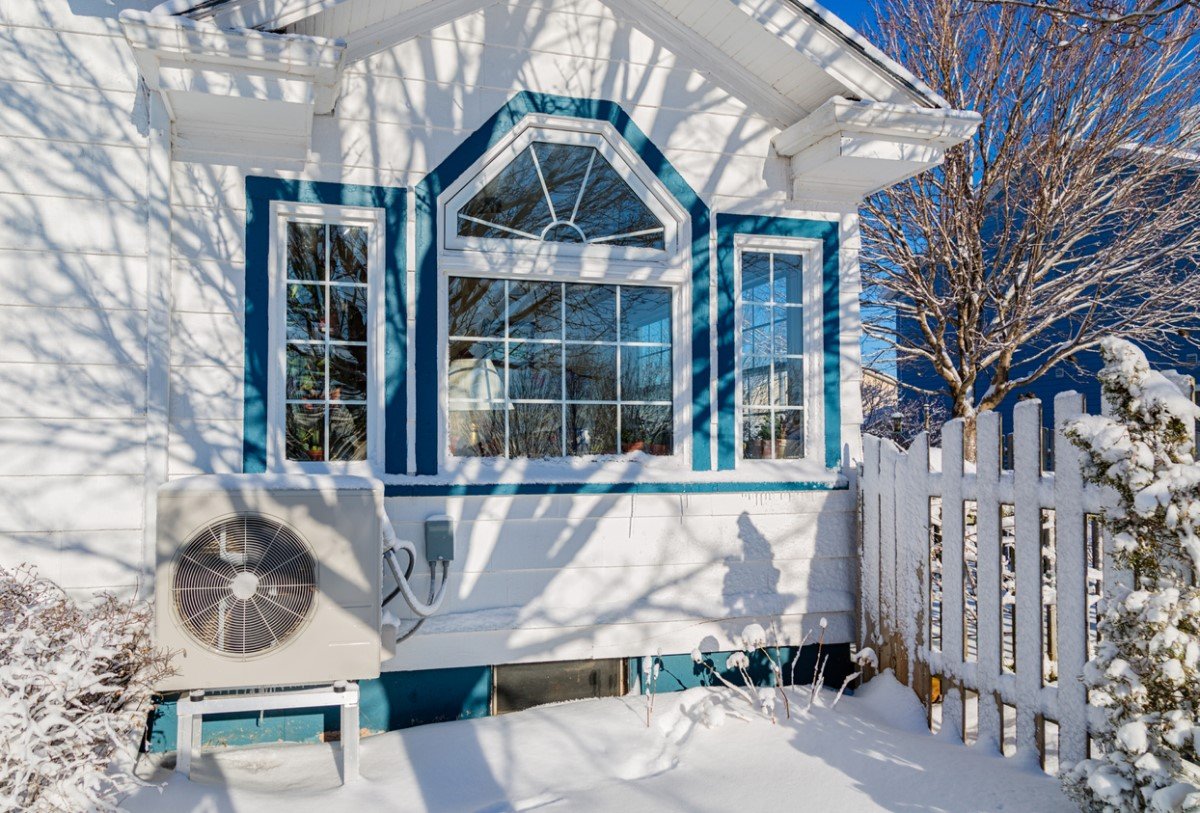
Choosing between a heat pump and a furnace sounds simple until the estimates arrive, each contractor recommends something different, and your utility bills begin behaving like mysterious ancient scrolls. One system transfers heat, the other creates it. One can cool your home in summer, while the other is strictly a winter specialist. Both can be excellent, and either can be a costly disappointment when poorly sized or installed.
The best choice depends on more than whether your winters are cold. Local electricity and fuel prices, insulation, ductwork, cooling needs, electrical service, equipment efficiency, and contractor quality all influence the final answer. This heat pump vs. furnace comparison examines eight essential differences so you can judge the entire system rather than falling in love with one impressive efficiency number.
Heat Pump vs. Furnace at a Glance
| Feature | Heat Pump | Furnace |
|---|---|---|
| Primary function | Transfers heat and usually provides cooling | Generates heat only |
| Energy source | Electricity | Natural gas, propane, oil, or electricity |
| Efficiency measurement | HSPF2, SEER2, and coefficient of performance | AFUE |
| Best-known advantage | Efficient heating and cooling in one system | Strong heating output during very cold weather |
| Typical comfort style | Longer cycles with gentler, steady airflow | Shorter cycles with noticeably warmer supply air |
| Main installation concern | Cold-weather capacity, electrical service, and backup heat | Fuel access, combustion venting, and air-conditioning needs |
1. Heat Pumps Transfer Heat, While Furnaces Generate It
A heat pump does not manufacture heat in the same way a furnace does. It uses a compressor, refrigerant, coils, and a reversing valve to move thermal energy from one place to another. In winter, it extracts available heat from outdoor air and transfers it indoors. In summer, the cycle reverses and carries indoor heat outside, allowing the same equipment to work as an air conditioner. The U.S. Department of Energy compares the process to a refrigerator operating in either direction.
A furnace creates heat. A gas, propane, or oil furnace burns fuel in a combustion chamber, transfers that heat through a heat exchanger, and uses a blower to distribute warmed air through ducts. An electric furnace warms air with resistance heating elements. Furnaces are heating-only appliances, so homes that need central cooling generally require a separate air conditioner.
This functional difference matters when replacing equipment. If both an aging furnace and an aging air conditioner need replacement, one heat pump may perform both jobs. If the air conditioner is nearly new, replacing only the furnace may make more financial sense.
2. A Heat Pump Can Deliver More Heat Than the Electricity It Consumes
Electric resistance equipment converts one unit of electrical energy into roughly one unit of heat. A properly installed air-source heat pump can deliver approximately two to four units of heat energy for every equivalent unit of electricity consumed because it is moving heat rather than creating all of it from scratch. That relationship is expressed as the coefficient of performance, or COP.
Seasonal heat pump efficiency is also described using HSPF2 for heating and SEER2 for cooling. Higher ratings generally indicate lower energy consumption under standardized test conditions. Actual performance still depends on outdoor temperature, equipment sizing, duct losses, thermostat settings, and installation quality.
Furnaces use annual fuel utilization efficiency, or AFUE. A 95 percent AFUE furnace is designed to convert about 95 percent of its fuel’s energy into usable heat over a typical season, with the remainder primarily leaving through exhaust and other losses. High-efficiency condensing furnaces recover additional heat from combustion gases and require suitable venting and condensate drainage.
Do not compare a heat pump’s COP directly with a furnace’s AFUE and declare a winner. They use different energy sources, and the price of each source determines what you actually pay.
3. Furnaces Maintain Strong Output in Extreme Cold, but Modern Heat Pumps Are Catching Up
Traditional heat pumps lose heating capacity as outdoor temperatures fall. When the unit cannot meet the home’s heating load by itself, it may use electric resistance strips, a furnace, or another supplemental heat source. Resistance backup can keep the house comfortable, but frequent use may increase electricity consumption faster than a teenager discovers the thermostat.
Cold-climate heat pumps are different from older single-stage models. Inverter-driven compressors and variable-speed fans allow modern systems to adjust output and continue operating at low outdoor temperatures. Field research from the National Renewable Energy Laboratory has documented substantial improvements in cold-weather heat pump performance, although results still depend heavily on design, installation, and the home itself.
A furnace’s heating capacity is less affected by outdoor air temperature. That makes a high-efficiency furnace appealing in areas with prolonged, severe winters, especially where natural gas is affordable. However, climate is not an automatic veto against a heat pump. A properly selected cold-climate model, a weatherized home, or a dual-fuel system may perform effectively in northern regions. The Department of Energy now considers modern heat pumps a practical option across a much wider range of U.S. climates than earlier generations.
The Dual-Fuel Compromise
A dual-fuel system combines an electric heat pump with a gas furnace. The heat pump handles mild and moderately cold weather, while the furnace takes over below a contractor-selected balance point. It can provide efficient shoulder-season operation without asking the heat pump to carry the entire load during the coldest nights.
4. Installation Costs Depend on What Your House Already Has
A furnace-only replacement is often the less expensive project when the home already has usable ducts, a gas line, appropriate venting, and a relatively new air conditioner. Replacing a furnace with a heat pump may require an outdoor unit, a compatible indoor coil or air handler, refrigerant lines, condensate management, controls, and possibly electrical upgrades.
That does not automatically make a heat pump the expensive choice. When both heating and cooling systems are nearing retirement, compare the price of a heat pump with the combined cost of a new furnace and central air conditioner. The one-system option can become much more competitive.
Ductless mini-split heat pumps can also serve houses without central ductwork. They avoid the disruption and losses associated with installing new ducts, but they require one or more indoor units and thoughtful placement. Existing ducts should be inspected for leakage, insulation problems, and restricted airflow regardless of which technology you choose. ENERGY STAR notes that sealing and insulating ducts can improve heating and cooling efficiency substantially.
Ask each contractor to separate equipment, labor, electrical work, duct modifications, permits, controls, backup heat, and warranty coverage in the estimate. A suspiciously cheap quote sometimes becomes expensive after the words “not included” begin multiplying.
5. Operating Cost Is Controlled by Utility Rates and Seasonal Performance
Heat pumps often have lower operating costs than electric resistance furnaces, baseboard heaters, and many oil or propane systems. The comparison with an efficient natural gas furnace is more location-specific. Electricity prices, gas rates, fixed service charges, winter temperatures, and the heat pump’s seasonal COP can all change the outcome.
A simple delivered-heat calculation helps illustrate why. One million Btu equals about 293 kilowatt-hours. At an illustrative electricity rate of $0.16 per kilowatt-hour and a seasonal COP of 3, a heat pump would cost about $15.63 to deliver one million Btu:
293 × $0.16 ÷ 3 = $15.63
At an illustrative natural gas price of $1.50 per therm, a 95 percent AFUE furnace would cost approximately $15.79 to deliver the same amount of heat:
10 therms × $1.50 ÷ 0.95 = $15.79
In that example, the systems are nearly tied before fixed charges, blower electricity, maintenance, and cooling costs are considered. If the heat pump’s COP falls to 2 during colder conditions, its delivered-heat cost rises to about $23.44. If rooftop solar offsets electricity purchases, the equation changes again.
Use your actual utility rates and contractor-provided performance data at local design temperatures. National averages are interesting, but your utility company does not accept payment in national averages.
6. The Comfort Experience Feels Different
Furnaces typically send relatively hot air through the registers and may satisfy the thermostat quickly. Many homeowners enjoy that immediate blast of warmth. Single-stage furnaces can also produce noticeable temperature swings as they cycle between fully on and fully off.
Heat pumps usually supply air that feels warm rather than hot. Variable-speed models tend to run for longer periods at lower output, maintaining a steadier indoor temperature. The air coming from a register may feel cool against skin even though it is warmer than the room and is gradually heating the house. That sensation is normal, not evidence that the machine has developed an attitude.
Variable-capacity heat pumps and multi-stage furnaces can both improve comfort by matching output more closely to demand. In cooling mode, a correctly sized variable-speed heat pump can provide effective humidity control. Oversized equipment of either type may short-cycle, create uneven temperatures, reduce dehumidification, and waste energy.
Noise also varies. Furnaces place most mechanical equipment indoors, while heat pumps include an outdoor compressor and fan that operate during both summer and winter. Modern variable-speed outdoor units can be quiet, but placement near bedroom windows, patios, or property lines deserves attention.
7. Furnaces Often Last Longer, While Heat Pumps Work More Months Each Year
A furnace may operate only during the heating season. A heat pump can run for heating, cooling, and dehumidification, which means its compressor and fans may accumulate more annual operating hours. ENERGY STAR suggests considering replacement when a heat pump or air conditioner is more than 10 years old or when a furnace is more than 15 years old, especially if repairs and utility bills are increasing. These are decision points, not expiration dates stamped by the HVAC police.
Consumer Reports survey data indicate that homeowners commonly expect gas furnaces to last around 20 years, while central cooling and heat pump equipment often has a shorter expected service life. Brand reliability matters, but installation quality, maintenance, climate, usage, and repair practices can matter just as much.
Both systems need filter changes, airflow checks, and professional service. Heat pumps also require inspection of refrigerant components, outdoor coils, condensate drainage, and defrost operation. Fuel-burning furnaces require combustion, venting, ignition, burner, and heat-exchanger checks. ENERGY STAR recommends annual professional tune-ups and frequent filter inspection because dirty filters can raise energy use and contribute to early equipment failure.
One myth deserves retirement: A gas furnace usually will not heat the house during an electrical outage. Its blower, ignition system, controls, and safety equipment require electricity unless suitable backup power is available.
8. Heat Pumps Avoid On-Site Combustion, but Both Systems Have Environmental Considerations
An electric heat pump produces no combustion exhaust inside the home. Its broader environmental impact depends on the electricity supply, seasonal efficiency, manufacturing, and refrigerant management. As the grid incorporates more low-emission generation, an existing heat pump can become cleaner without being replaced.
Heat pumps and air conditioners contain refrigerants, some of which have significant global warming potential if released. Proper installation, leak prevention, refrigerant recovery, and responsible end-of-life handling are essential. Federal rules are also pushing residential HVAC equipment toward refrigerants with lower climate impacts.
A gas, propane, or oil furnace produces combustion gases and therefore requires correct venting. Sealed-combustion condensing furnaces draw combustion air from outdoors and isolate the combustion system from occupied space, improving both efficiency and safety. Homes with fuel-burning appliances should have properly located carbon monoxide alarms and regular safety inspections.
A 2026 Federal Tax-Credit Update
The federal Energy Efficient Home Improvement Credit previously covered qualifying heat pumps and certain furnaces installed from January 1, 2023, through December 31, 2025. Current IRS guidance states that the credit does not apply to improvements placed in service after that period. Homeowners planning a 2026 installation should not assume the former federal credit is available, although state, local, manufacturer, and utility rebates may still reduce project costs. Verify every incentive before signing a contract.
Which Heating System Is Better for Your Home?
A Heat Pump May Be the Better Choice When:
- You need to replace both your heating and cooling equipment.
- Your electricity rates are favorable compared with gas, propane, or oil.
- Your home is reasonably well insulated and air-sealed.
- You want to reduce on-site combustion.
- You live in a mild or mixed climate, or you can install a verified cold-climate model.
- You want ductless zoning in a home without central ductwork.
A Furnace May Be the Better Choice When:
- You experience long periods of extreme cold and have low natural gas prices.
- Your existing air conditioner is new and only the heating system needs replacement.
- Your electrical panel cannot support a heat pump without a costly upgrade.
- You strongly prefer hotter supply air and rapid temperature recovery.
- A qualified contractor cannot provide a heat pump with adequate capacity at your winter design temperature.
A Dual-Fuel System May Be Best When:
- You want heat pump efficiency during moderate weather and furnace output during extreme cold.
- Electric and gas prices make the preferred heating source change with outdoor temperature.
- You want redundancy without relying heavily on electric resistance backup heat.
How to Compare Heat Pump and Furnace Quotes
Do not accept a replacement size based only on the old equipment’s nameplate. Ask for an ACCA Manual J heating and cooling load calculation. Manual J is the recognized residential standard for estimating how much heating and cooling a specific house requires based on its construction, windows, insulation, orientation, infiltration, and local design conditions.
For a heat pump proposal, request the model’s heating capacity and COP at your area’s winter design temperature, not only its performance at a mild 47 degrees Fahrenheit. Ask when supplemental heat activates, how the thermostat controls it, and what the projected backup energy use will be.
For a furnace, confirm AFUE, staging, blower type, venting changes, combustion-air requirements, condensate routing, and compatibility with the existing air conditioner. For either system, request an AHRI certificate showing that the indoor and outdoor components are a certified match.
Finally, compare total ownership costs rather than equipment prices alone. Include installation, expected energy use, maintenance, warranty terms, potential electrical or gas upgrades, cooling equipment, and likely service life.
Real-World Experiences: What Living With Each System Actually Feels Like
The following composite examples reflect common homeowner experiences rather than guarantees for any specific property.
Experience 1: Replacing a Furnace and Air Conditioner in a Mild Climate
Imagine a homeowner in North Carolina with a 17-year-old gas furnace and an equally tired central air conditioner. The furnace still heats the house, but the air conditioner sounds as though it is preparing for takeoff. One contractor proposes replacing both systems. Another recommends a variable-speed heat pump.
The heat pump estimate is higher than the furnace-only estimate but lower than purchasing both a premium furnace and a separate premium air conditioner. After installation, the homeowner notices that winter operation is different. The registers no longer produce dramatic bursts of hot air. Instead, the system runs quietly for longer periods and keeps rooms at a more even temperature.
The first utility bill is not automatically miraculous because electricity use increases while gas use falls. The meaningful comparison is total household energy spending across an entire heating and cooling season. In a moderate climate, the heat pump rarely needs supplemental resistance heat, so its seasonal efficiency remains favorable. This is where a heat pump’s ability to provide both heating and cooling can be particularly valuable.
Experience 2: Installing a Cold-Climate Heat Pump Without Removing the Furnace
Now picture an older home in Minnesota with a reliable gas furnace and an aging air conditioner. The homeowners want lower fuel use but are nervous about depending completely on electricity during bitter weather. They choose a cold-climate heat pump paired with the existing furnace.
During fall and much of winter, the heat pump provides steady heating. When outdoor temperatures fall below the programmed economic balance point, the controls switch to the furnace. The homeowners avoid the high operating cost that could result from frequent electric resistance backup, yet they still reduce furnace runtime during milder weather.
The experience is successful because the contractor did more than install attractive equipment. The company completed a load calculation, checked duct airflow, reviewed low-temperature performance tables, and configured the controls correctly. Cold-climate field research repeatedly shows that equipment capability and system design must work together; an advanced compressor cannot rescue leaky ducts, incorrect refrigerant charge, or poor control settings.
Experience 3: Discovering That the House Needed Work Before the Heater Did
A third homeowner receives competing estimates for a large furnace and a large heat pump. One careful contractor notices that the attic has thin insulation, several return ducts leak, and the back bedrooms are uncomfortable because airflow is poorly balanced.
Instead of immediately installing oversized equipment, the homeowner first improves air sealing, insulation, and ductwork. A new load calculation then shows that the house needs less heating capacity than previously assumed. The homeowner installs a smaller variable-speed system that runs longer, cycles less often, and maintains more consistent temperatures.
This experience highlights an unglamorous truth: The building envelope is part of the HVAC system. Buying a larger machine to compensate for uncontrolled air leakage can lock in higher costs and poorer comfort. The Department of Energy specifically recommends weatherization when replacing combustion heating with a heat pump, particularly in older homes.
Across all three examples, contractor competence is the recurring theme. Homeowners tend to focus on brand names and efficiency labels, but sizing, duct design, commissioning, control setup, and service support determine whether those laboratory ratings become real comfort.
Conclusion
There is no universal winner in the heat pump vs. furnace debate. A heat pump offers efficient heating and cooling in one package, performs especially well in moderate climates, and eliminates on-site combustion. A furnace delivers hotter air, maintains dependable capacity during extreme cold, and may be economical where natural gas is inexpensive and existing infrastructure is already in place.
The smartest decision comes from comparing complete systems. Consider your heating and cooling loads, local utility prices, cold-weather capacity, duct condition, electrical service, backup strategy, maintenance needs, and total installation cost. In some homes, the best answer is not heat pump or furnace but heat pump and furnace working together.
Editorial note: This independent article synthesizes current guidance from U.S. energy agencies, efficiency programs, HVAC standards organizations, laboratory research, and consumer reliability reporting. Product performance, incentives, utility rates, and installation requirements vary by location, so obtain a professional load calculation and multiple itemized estimates before purchasing equipment.